
Your cart is currently empty!
A Mother Mixed Up Her Identical Twin Babies, Then Argentina’s Identity Experts Stepped In
A new mother in Argentina found herself facing a problem so specific that it almost sounded impossible: she could no longer tell her identical twin babies apart.
Contents
show
Sofía Rodríguez’s dilemma quickly traveled far beyond her family home. What began as an exhausted parent’s confession became a viral story about newborn identity, medical records, and the grace parents deserve when early parenthood gets messy.
How A Bracelet Became A National Puzzle
Rodríguez and Leonardo Costa, from San Francisco in Córdoba, Argentina, welcomed their twin sons Lorenzo and Valentín Costa Rodríguez on January 6, 2023. The boys were so alike that the family relied on identifying bracelets to keep track of who was who, a simple system many parents of twins use during the earliest weeks.
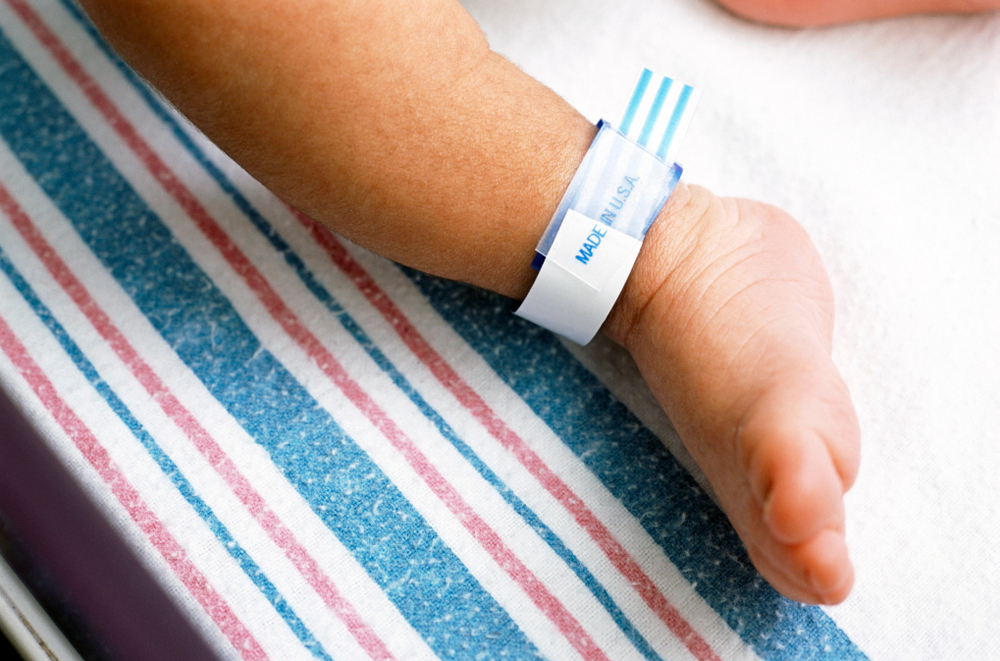
That system failed after the parents removed the bracelets to clean the babies. Once the bracelets were off, the couple could no longer confidently identify each child because of their obvious similarity.
The concern was practical as much as emotional. When newborns have medical appointments, vaccinations, and health records attached to their names, identity becomes more than a family detail. Rodríguez’s public honesty gave the story its unusual pull, especially because she also joked online that she had won “the mother of the year award.”
Why The Police Could Not End The Confusion
Rodríguez first turned to the police, hoping fingerprints would settle the question quickly. The National Desk reported that she posted about going to the police so they could fingerprint the twins and tell her which baby was which, but the initial attempt did not solve the problem.

She later shared a follow-up message saying the prints did not appear in the system and that the family still did not know who was who. The issue became more urgent when she raised concerns that the same baby may have received a vaccination twice, leaving her needing certainty for the boys’ medical records.
That detail changed the tone of the story. It was still strange enough to go viral, but it also revealed the fragile systems parents rely on when caring for newborns. A bracelet, a feeding log, a vaccination card, or a hospital note can carry real weight when sleep is scarce, and two babies look almost exactly alike.
How RENAPER Helped Identify The Boys
Argentina’s National Registry of Persons, known as RENAPER, eventually stepped in. The official RENAPER page describes the agency as responsible for the identification and documentation of people, including the issuance of national identity documents and passports.
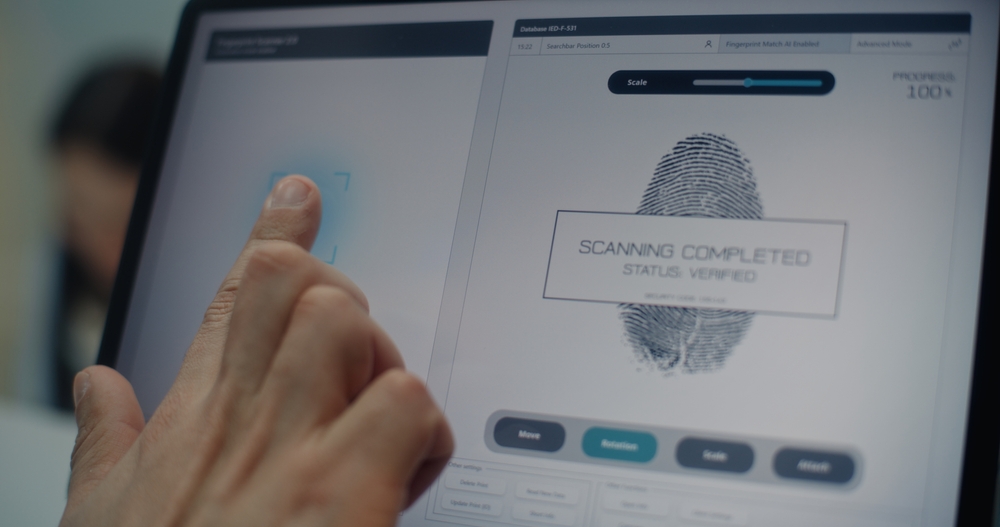
A RENAPER team used fingerprint comparison to identify Lorenzo and Valentín within minutes. Santiago Rodríguez, then national director of RENAPER, explained that baby fingerprints have low definition, which can complicate automatic biometric systems.
The agency used a mobile office with specialized equipment, including a computer, fingerprint reader, signature pad, and approved camera. The babies’ biometric data was sent to RENAPER’s identification team, where experts compared the new prints with records from the boys’ national identity documents.
What Fingerprints Reveal About Identical Twins
The case also raised a question many people have about identical twins: if they share the same DNA, do they share the same fingerprints? MedlinePlus explains that each person’s fingerprints are unique and that even identical twins have different fingerprints.
Le sacamos las huellas pero no figuran en el sistema. Seguimos sin saber quién es quien. pic.twitter.com/HbrNf2Eg1t
— Sofi Rodriguez (@sofiar388) March 2, 2023
Fingerprint patterns, also known as dermatoglyphs, begin developing before birth and are fully formed by the sixth month of fetal development. MedlinePlus notes that genes influence basic ridge patterns, but the finer details are shaped by developmental factors inside the womb.
That explains why fingerprints could eventually solve Rodríguez’s problem, even though the twins looked indistinguishable to their own parents. The challenge was not whether Lorenzo and Valentín had different fingerprints. The challenge was getting prints clear enough for reliable comparison while they were still tiny babies.
Why Biometric Identification Can Be Harder With Twins
Research on biometric systems shows that twins remain a demanding test for identification technology. A NIST paper on face recognition studied images from 126 pairs of identical twins collected on the same day, plus 24 pairs photographed one year apart, to measure how well algorithms could distinguish twin siblings.
Fingerprint systems face their own version of that challenge. A study on fingerprint recognition with identical twins described the task as challenging because identical twins have the closest genetics-based relationship, even though their fingerprints are still individually distinct.
Rodríguez’s case placed that technical issue in a deeply human setting. Biometric systems are often discussed in airports, law enforcement, or national identity programs. Here, the question came from a home with two newborns, two worried parents, and a practical need to restore the correct names to the correct babies.
Why The Story Reached So Many Parents
The story spread because it was unusual, but it resonated because it was believable. The National Desk reported that Rodríguez’s March 2 post received more than 15 million views and at least 320,000 likes by April 12, with many commenters sharing similar experiences involving twins.
Some people responded with humor, while others offered reassurance from lived experience. The Daily Mirror, republished by Inkl, reported that commenters shared stories of bracelets falling off, siblings possibly being switched, and parents using small visual cues to tell twins apart.
The response had a softer tone than many viral parenting stories. Rodríguez was not presenting herself as perfect, and that may be why so many people connected with her. She admitted confusion, asked for help, and treated the situation with enough humor to make it shareable without minimizing the seriousness of getting it right.
Foto de los gemelos , tienen 45 días pic.twitter.com/wGYVRzGlLR
— Sofi Rodriguez (@sofiar388) March 2, 2023
The Small Systems That Help Parents Of Twins
Parents of identical twins often build simple routines early, especially before personality, expressions, and small physical differences become easier to recognize. These systems are not glamorous, but they can help families, relatives, babysitters, and medical providers avoid confusion during the most demanding newborn weeks.
- Color-coded clothing: Assigning each baby a consistent color can make everyday care easier for everyone in the household.
- Safe identifying bracelets: Hospital bracelets or parent-approved soft bands can help, as long as they are checked regularly for fit and safety.
- Separate sleeping places: Labeled bassinets or cribs reduce confusion during late-night feeding, changing, and soothing.
- Photo notes: Daily pictures in similar lighting can help parents track subtle changes in face shape, hair, or marks.
- Written care logs: Feeding, medication, and vaccination notes are especially useful when more than one adult is caring for the babies.
- Small physical cues: Birthmarks, hair whorls, dimples, or tiny differences in ears and hands can become reliable markers over time.
Rodríguez’s story shows why those routines matter. A small identification system can feel unnecessary until the moment it fails, and early parenthood often leaves little room for improvisation.
A More Generous Way To See Parenthood
Lorenzo and Valentín were eventually identified, and the family’s strange chapter ended with help from specialists rather than guesswork. The story could have been reduced to an internet joke, but its lasting value is more generous than that.
Parenthood is often judged from the outside by people who see only the mistake, not the exhaustion behind it. Rodríguez did what responsible parents do when the answer mattered: she kept asking until someone could help her get it right.
Featured Image from Shutterstock