
Your cart is currently empty!
Trillionaire Elon Musk Reportedly Lives in This 400-Square-Foot Tiny Home

He could buy almost anything on Earth, and reportedly several things beyond it. Yet the man widely described as the world’s first trillionaire has spent years telling the public that he lives in a prefabricated box measuring about 400 square feet, smaller than many city studio apartments, parked in a dusty corner of South Texas. It is the kind of detail that sounds almost too good to be true, a billionaire who walked away from mansions to live among the rocket engineers.
Contents
show
As it happens, the full picture is more complicated than the tidy headline suggests. Behind the tiny-home narrative sits a tangle of multimillion-dollar properties, a friend’s luxury estate, and a set of reports that don’t quite line up with what Musk himself has said. The story of where Elon Musk actually lives turns out to be far less settled than the image of the trillionaire in the little white box.
The Trillionaire Milestone Behind The Renewed Attention
The reason this question is back in circulation comes down to a single financial event. Following SpaceX’s blockbuster initial public offering in June 2026, Musk reportedly became the world’s first trillionaire, a milestone with no precedent in modern wealth. Naturally, the achievement sent people looking at how a person of such staggering means actually lives, and what they found was the same modest arrangement Musk has described for years.
The contrast is what makes the story irresistible. A trillionaire occupying 400 square feet defies every expectation of how extreme wealth is supposed to look, and it has kept Musk’s living situation a subject of global curiosity. This is not a fresh claim on his part, but rather a long-standing one now receiving renewed and more skeptical attention in light of his new financial status.
The $50,000 Boxabl Unit Near Starbase
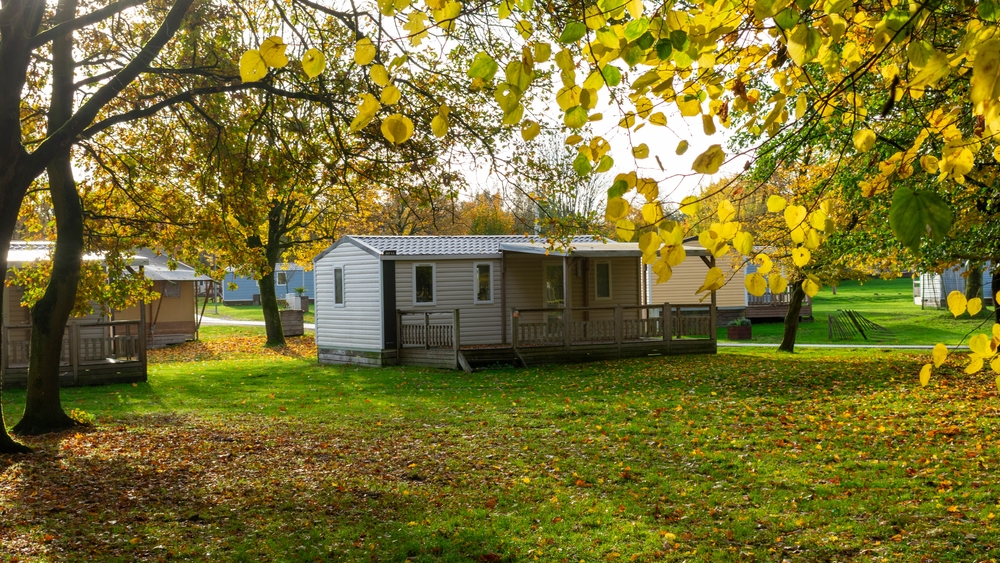
The home at the center of the story is genuinely small and genuinely unusual. According to reports cited by Fortune, Musk primarily resides in a compact prefabricated unit in Boca Chica, Texas, rented from SpaceX and situated near the company’s Starbase facility, where the Starship program is under development. The structure measures roughly 400 square feet and was built by the housing startup Boxabl as a 20-foot-by-20-foot unit.
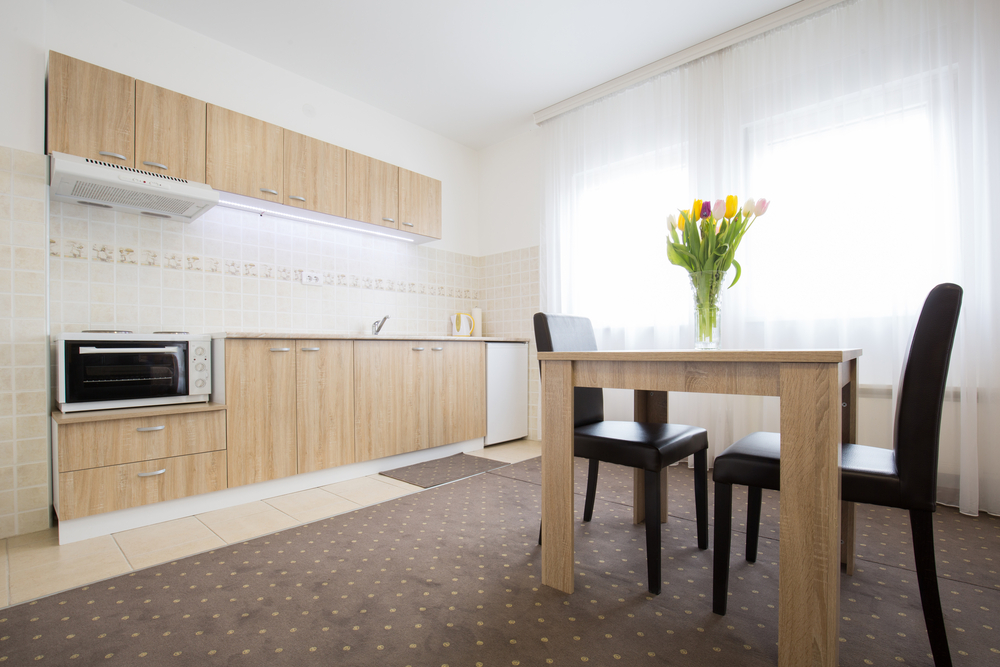
Inside, the space is arranged for function rather than indulgence. The unit includes a small living area, bedroom space, a kitchen, and a basic bathroom fitted with a combined tub and shower, according to Chron. Despite its size, it comes equipped with practical essentials, including a Murphy bed that folds away, built-in storage, kitchen fittings, and energy-efficient design features that make the most of a tight footprint.
Musk himself put the home on the public’s radar in 2021, when he addressed swirling questions about his residence directly on X. “My primary home is literally a ~$50k house in Boca Chica/Starbase that I rent from SpaceX. It’s kinda awesome though,” he wrote.
That short message, with its offhand endorsement of the no-frills lifestyle, became the foundation of the entire tiny-home narrative that follows Musk to this day.
Why He Chooses To Live There
The logic behind the arrangement, at least as Musk presents it, has less to do with frugality than with proximity. Living at Boca Chica places him within arm’s reach of SpaceX’s most ambitious work, including Starship development and the company’s long-term ambitions for space exploration. For a chief executive who involves himself deeply in engineering decisions, being steps from the action rather than a flight away carries real appeal.
This preference fits a pattern that predates the Boxabl unit by years. In his 2023 biography of Musk, writer Walter Isaacson described the residence as a “spartan two-bedroom” space, a place where Musk would sit at a wooden table and make phone calls, running pieces of his empire from a setting that looked nothing like an executive suite. The same instinct showed up earlier when Musk slept at Tesla factories during stretches of intense production pressure, choosing to remain on-site through crises rather than retreat to comfort.
Taken together, these choices paint a portrait of a work-first philosophy in which material comfort ranks well below the demands of the mission. The tiny home, by this reading, is not a sacrifice so much as a tool, one that keeps Musk tethered to the projects he cares about most.
His Mother’s Glimpse Inside
For all the talk of the home, some of the most vivid descriptions of what life there actually looks like came from an unexpected source: Musk’s mother. After a visit, Maye Musk shared her impressions publicly, and her account did more to convey the home’s bare-bones reality than any official description could.
“There is no food in the fridge. The garage where I slept is on the right. The shower only has one towel so I left it for Elon,” she wrote, before adding a characteristic aside about spending three weeks at a time in the Kalahari Desert without showering as a child, when there was no water to be had.
Her description of basic sleeping arrangements, including a converted garage space and shared amenities, lent the story a human texture. Here was the richest person alive, according to the reporting, living somewhere so pared down that a visiting parent had to make do with a garage and a single towel. It is the sort of detail that makes the tiny-home account feel real and lived-in, rather than a carefully managed bit of public relations.
The Properties That Complicate The Story
And yet the simple version of events begins to fray under closer examination, because the tiny home is far from the only real estate connected to Musk’s name. Even as he has maintained that the Boca Chica unit is his primary residence, reports suggest he still owns or is linked to properties near Austin valued at around $35 million, a figure difficult to square with the image of a man who gave up luxury living entirely.
The Wall Street Journal has reported that companies associated with Musk own at least three homes in Austin’s West Lake Hills area. Each of those properties reportedly ranges from 6,000 to 9,000 square feet and comes with a swimming pool, placing them firmly in the category of high-end estates rather than functional work quarters. The existence of these homes does not by itself disprove anything Musk has said, but it does complicate the narrative, raising the obvious question of how a portfolio like that fits alongside the story of a $50,000 rental.
The Austin Mansion Reporting
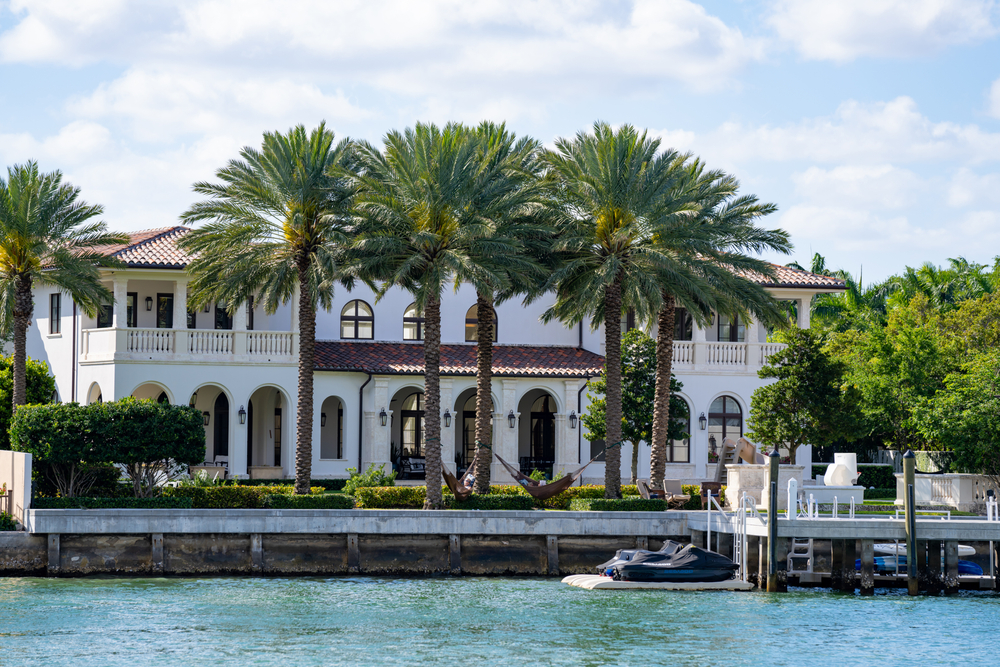
The most direct challenge to Musk’s account came years before he reached trillionaire status, and it is worth understanding on its own terms. In December 2021, Forbes, citing reporting from The Wall Street Journal, reported that despite Musk’s claim about the humble Boca Chica house, he had for about a year been living in a nearly 8,000-square-foot estate in Austin owned by his friend Ken Howery.
Howery is no minor figure in Musk’s orbit. He co-founded PayPal, where Musk once served as an executive, and later served as the U.S. ambassador to Sweden. When Howery purchased the Austin estate in 2018 for $12 million, it was the most expensive property then on the market in the city. The Journal also reported that Musk had viewed other mansions in Austin with an eye toward buying, citing anonymous sources said to be familiar with his living arrangements.
Key details remained unresolved even then. It was not clear whether Musk was paying his friend to stay in the mansion, and neither Musk nor Howery responded to requests for comment at the time. It bears emphasizing that this reporting dates to 2021 and describes a specific period that predates the 2026 trillionaire milestone, so it captures a moment in Musk’s living situation rather than a definitive statement about where he sleeps today.
What’s Verified And What Isn’t
Sorting through these accounts requires some care, because they do not all point in the same direction and they span several years. On one side sits Musk’s own repeated and public insistence that the Boca Chica tiny home is his primary residence, a claim he has made directly and more than once. On the other sits a body of reporting suggests a more complicated arrangement, one involving tens of millions of dollars in linked properties and an extended stay at a friend’s luxury estate.
The honest conclusion is that the complete reality of where Musk lives is not fully confirmed. The sources informing the tiny-home story often layer their attributions, with outlets citing Fortune citing The Wall Street Journal, and the various reports were published years apart under different circumstances. None of this means Musk is being untruthful, and none of it means the Boxabl unit is a fiction. It simply means the neat, viral version of the story, Trillionaire Lives in a box, leaves out the parts that don’t fit as cleanly.
Why The Image Endures
Whatever the precise truth of his sleeping arrangements, the tiny home has taken on a life of its own as a piece of the Musk mythology. It functions as shorthand for the identity he has cultivated, that of a man who channels almost unimaginable wealth into building companies rather than accumulating estates, and who treats personal luxury as an afterthought beside the work of reshaping transport, energy, and humanity’s future beyond Earth.
That image endures precisely because it runs so counter to expectation. The public has a well-worn picture of what billionaires do with their money, and a 400-square-foot rental in Boca Chica scrambles it. The fascination is not really about square footage at all. It is about a wealthy, powerful figure who has chosen, or at least claims to have chosen, a story about himself that no one else in his financial league would think to tell.
The contradiction at the heart of it all, the trillionaire and the tiny home, may never be fully resolved. But that unresolved quality is part of what keeps people looking, trying to reconcile the man who could own anything with the man who says he wants almost nothing at all.