
Your cart is currently empty!
Trump May Have Damaged Reflecting Pool After Motorcade Drove Over It
A renovation meant to make the Lincoln Memorial Reflecting Pool look cleaner and more striking has instead raised uncomfortable questions about care, accountability, and political optics.
Contents
show
After President Donald Trump’s motorcade was seen driving across the drained landmark during the project, later reports of algae, peeling coating, and alleged liner damage turned a beautification effort into a controversy over how one of Washington’s most symbolic public spaces was handled.
The Motorcade Moment That Raised New Questions
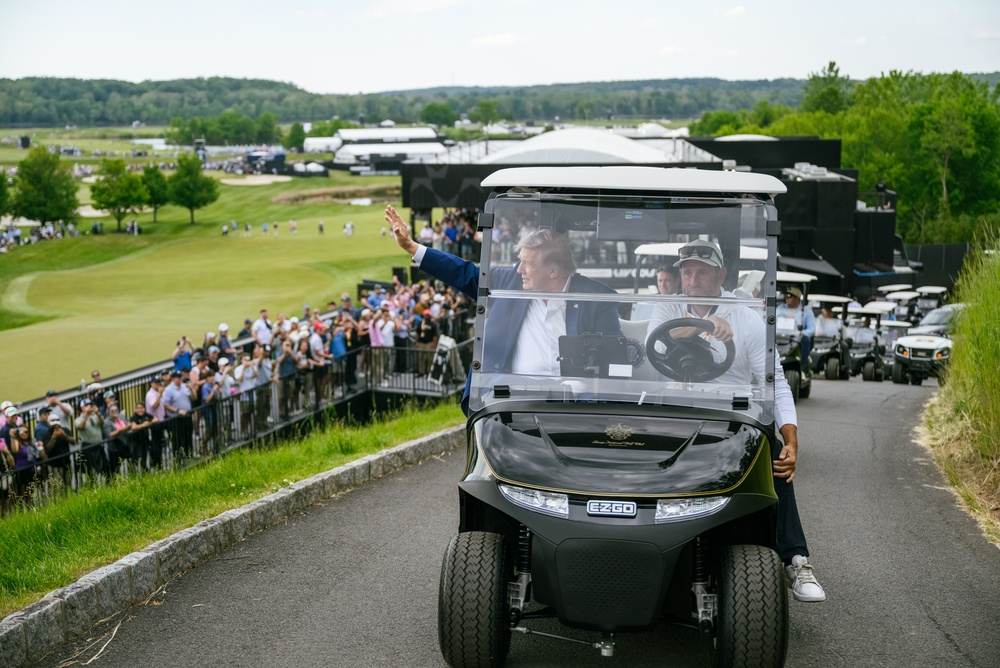
What began as a highly staged visit to a national landmark has become a fresh point of scrutiny in the ongoing debate over President Donald Trump’s renovation of the Lincoln Memorial Reflecting Pool. On May 7, Trump visited the drained pool as work continued on a project meant to give the site a brighter blue appearance ahead of the nation’s 250th anniversary celebrations. Photos and video from the visit showed more than a ceremonial walkthrough. His motorcade drove directly across the empty basin.
At the time, the moment was presented by the White House as part of a broader effort to restore beauty and cleanliness to Washington, D.C. The administration framed the project as a visual upgrade to one of the capital’s most recognizable public spaces. Trump also praised the planned transformation, saying the pool would look better than it did when it was built.
The issue is not simply that vehicles entered a drained landmark. The concern is timing. The motorcade crossed the pool while it was in the middle of a resurfacing effort, before the later reports of algae, peeling blue coating, and damage to parts of the pool’s lining. That sequence has made the motorcade footage newly relevant, especially as officials and observers continue to debate what caused the pool’s visible problems.
The Damage Claims Are More Complicated Than One Explanation
The Reflecting Pool’s problems did not appear as a single, neatly explained incident. Reports described several visible issues after the renovation, including green algae, cracking or peeling blue coating, and damage to parts of the lining. That matters because each problem may point to a different cause, and treating them all as one act of vandalism risks oversimplifying what happened.
The National Park Service has alleged that part of the pool’s sealant was cut with “a sharp knife or razor,” and that fence post tops were thrown into the water. Those claims support the possibility that at least some damage was deliberate. At the same time, other reports noted that the peeling coating and algae bloom were not clearly tied to those alleged cuts. That distinction is central to the controversy.
Trump has publicly blamed vandals for the pool’s deterioration, saying the site had been damaged after his renovation was completed. But the motorcade footage has complicated that explanation because it shows heavy vehicles crossing the drained basin during the work period. Even without proof that the convoy caused damage, the images raise a practical question: was the newly treated surface protected with the level of care expected for a historic landmark?
The most responsible reading is not that the motorcade definitively caused the damage. It is that the footage adds another layer of scrutiny to an already troubled project. Between the rushed renovation timeline, the highly visible coating problems, and the administration’s strong claims of sabotage, the Reflecting Pool has become less a simple beautification story and more a case study in how public landmarks can become political symbols when stewardship and spectacle collide.
A Frame for National Memory
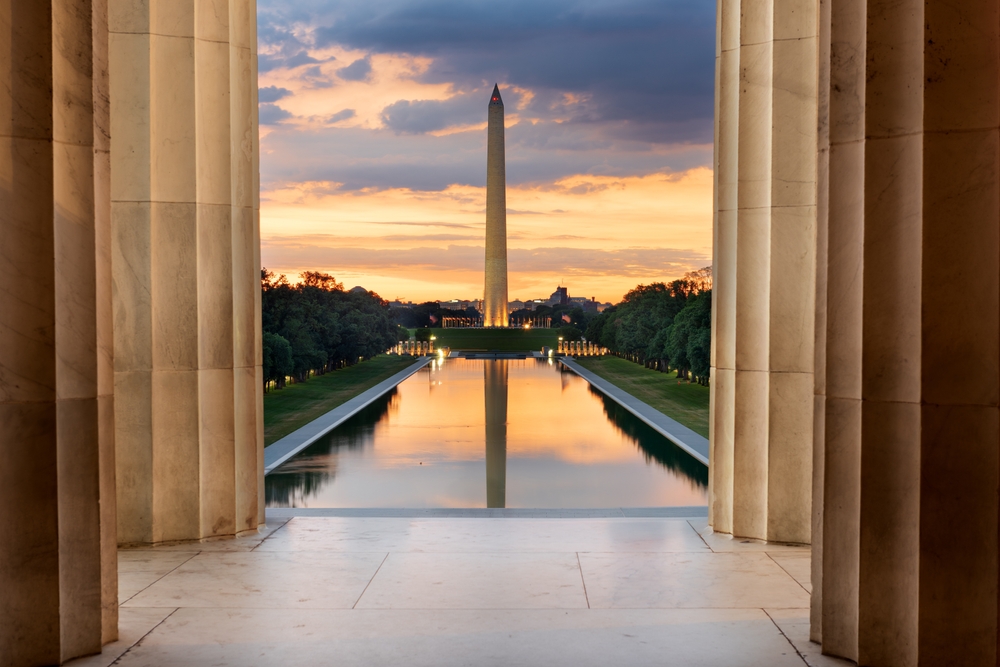
The Lincoln Memorial Reflecting Pool is not an ordinary renovation site. It sits between the Lincoln Memorial and the Washington Monument, in one of the most photographed and politically charged stretches of public space in the United States. Its role is ceremonial, visual, and historical. It is not simply meant to hold water. It frames national memory.
That is why the controversy has drawn more attention than a typical public works dispute. Trump’s renovation was promoted as a beautification project, with the administration presenting the pool’s new blue finish as a cleaner, brighter upgrade. The president described the work in sweeping terms, saying it would look better than it did when the pool was built in 1922. That language turned a maintenance project into a statement of personal taste and political branding.
The motorcade footage now sits uneasily beside that message. A project centered on care, restoration, and civic beauty was accompanied by images of presidential vehicles crossing the drained landmark like a service road. For critics, the optics undercut the stated purpose of the renovation. For supporters, the visit may have reflected direct presidential attention to a visible problem in the capital.
Beyond Blame: Stewardship and Accountability
The Reflecting Pool renovation was never just a routine maintenance project. It was tied to a highly visible political promise to make Washington, D.C. look cleaner, brighter, and more ceremonial ahead of major national celebrations. That placed the project under unusual pressure. A landmark that normally invites quiet reflection was suddenly part of a public-facing effort to deliver a quick visual transformation.
That urgency matters because the reported problems emerged after the pool had already been given a new blue finish and refilled. Once algae appeared, coating began peeling, and the site required additional repairs, the project shifted from a showcase of improvement to a question of execution. A renovation intended to project order instead created a new round of uncertainty over planning, protection, and follow-through.
The motorcade’s role fits into that larger timeline. The footage did not prove causation, but it did show that the drained basin was treated as a passable surface during a sensitive phase of work. For a site as prominent as the Lincoln Memorial Reflecting Pool, that alone invites scrutiny. Public restoration projects depend not only on the final image, but also on the care taken during the process.