
Your cart is currently empty!
Driver Took His Renault Symbol to 999,999km, Only for the Odometer to Ruin the Big 1,000,000km Moment
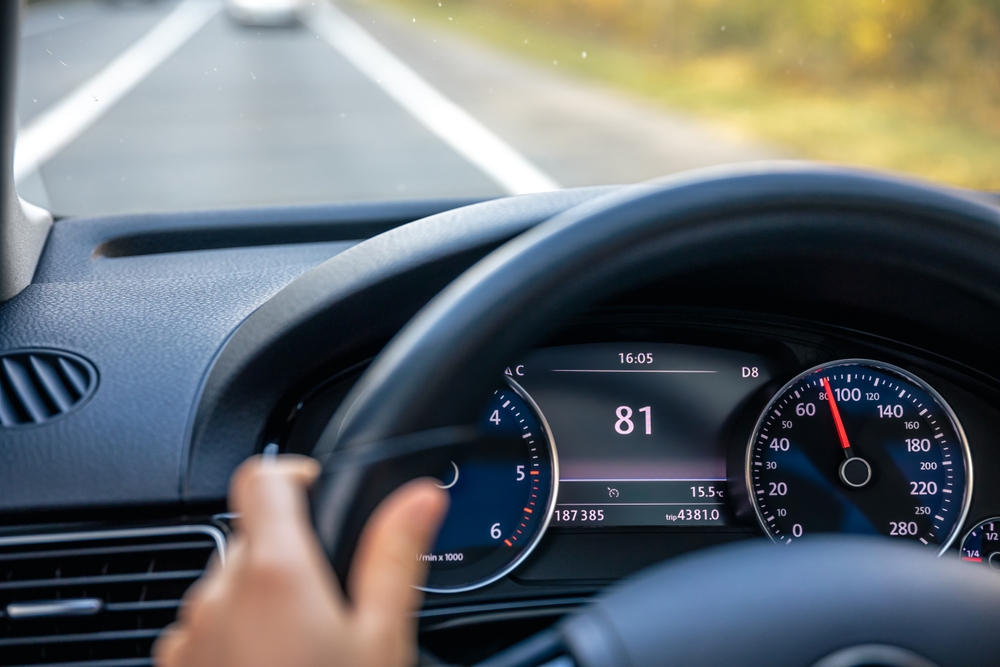
A Renault Symbol driver set out to capture a rare automotive milestone: the moment his car crossed 1,000,000 kilometers. After years of driving and careful ownership, the odometer finally reached 999,999 kilometers, only for the dashboard to deliver an unexpectedly quiet punchline. Instead of rolling into seven digits, it reset to zero.
Contents
show
The moment was anti-climactic, but it also turned an ordinary sedan into a surprisingly meaningful reminder of durability, maintenance, and the value of keeping something useful on the road.
A Million-Kilometer Milestone With No Grand Finale
For any car owner, seeing an odometer approach 1,000,000 kilometers is more than a number. It is proof of years of use, careful maintenance, and the kind of reliability that turns an ordinary vehicle into a personal landmark. That was the anticipation surrounding one Renault Symbol driver, who had pushed his sedan all the way to 999,999 kilometers and filmed the final stretch, seemingly expecting the display to roll into seven digits.
Instead, the moment landed with unexpected simplicity. When the car crossed the milestone, the odometer did not show 1,000,000. It reset to zero.
The result was both funny and oddly deflating. After hundreds of thousands of kilometers, the car had reached a rare achievement, but the dashboard offered no ceremony, no confirmation, and no satisfying visual reward. For the driver, the milestone still happened. For the odometer, it looked as if the journey had started over.
That contrast is what made the clip resonate. The story is not just about a digital display failing to deliver a dramatic reveal. It speaks to a familiar modern frustration: sometimes, the systems designed to record meaningful moments are not built to recognize them. In this case, the Renault had outlasted the expectations built into its own dashboard.
How an Ordinary Car Reaches One Million Kilometers
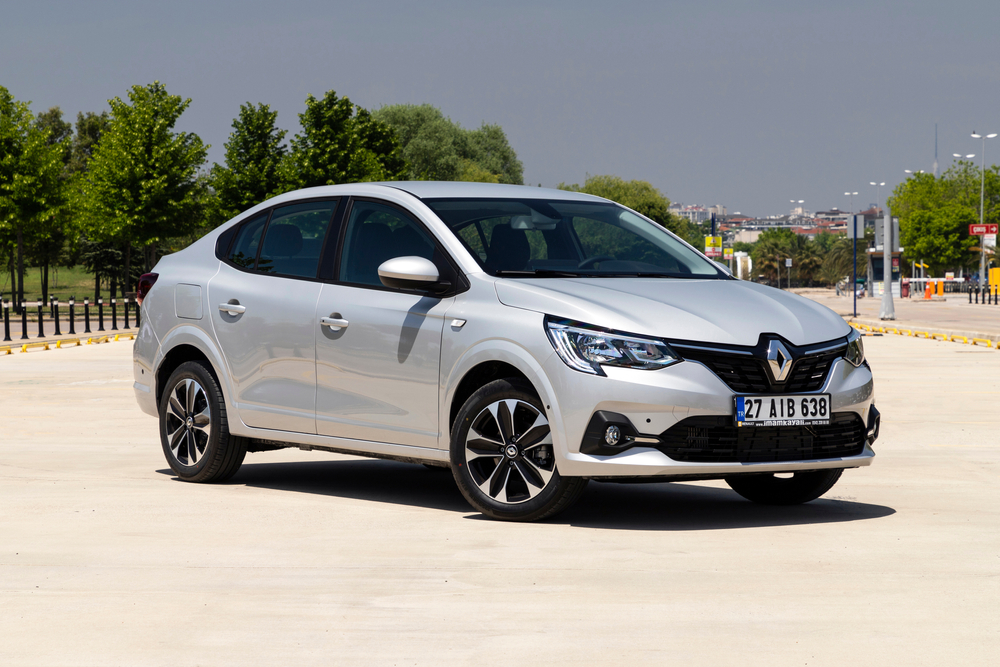
The Renault Symbol is not the kind of car typically associated with record-breaking mileage. It is a practical sedan, built for daily transport rather than spectacle. That is what makes the achievement more compelling. A million kilometers is not usually reached through one dramatic act, but through years of small, consistent decisions that keep a vehicle roadworthy long after most owners have moved on.
High mileage depends on more than the badge on the hood. Regular oil changes, timely replacement of wear-and-tear parts, careful attention to warning signs, and sensible driving habits all play a role. Cars that last this long are usually not neglected between major repairs. They are maintained before problems become expensive, driven with mechanical sympathy, and serviced often enough to prevent small failures from shortening the vehicle’s life.
The story also challenges a common assumption about older cars. Many drivers begin to see a vehicle as “finished” once it crosses 150,000 or 200,000 kilometers. In reality, mileage alone does not tell the full story. A car with high mileage and a consistent maintenance history can sometimes be in better condition than a lower-mileage vehicle that has been poorly serviced, aggressively driven, or left sitting for long periods.
That is the practical lesson behind the Renault’s viral moment. The odometer may have reset, but the car’s history did not disappear. Every kilometer still represented fuel burned, parts replaced, roads traveled, and maintenance choices made along the way. The number vanished from the screen, but the discipline required to reach it remained the real achievement.
Why the Odometer Went Back to Zero
The Renault Symbol’s reset was not necessarily a failure in the dramatic sense. It was more likely the result of a simple design limit. According to Supercar Blondie, the car’s digital odometer was not built to display a seventh digit, which meant it could show 999,999 kilometers but not 1,000,000. Once the driver crossed that final kilometer, the system simply returned to zero instead of adding another number.
That may feel surprising, especially in a digital car, but it reflects how most vehicles are designed around ordinary use rather than extreme milestones. Manufacturers build odometers to track the distance a vehicle is reasonably expected to cover in its service life. Since most cars never approach one million kilometers, a six-digit display is usually enough for the vast majority of drivers.
The anti-climax is what made the moment memorable. The driver had filmed the milestone because the visible number mattered. An odometer is not just a technical readout. For many owners, it becomes a quiet record of commutes, road trips, repairs, seasons, and everyday routines. When that record disappeared from the dashboard, even briefly, it created the strange feeling that the car’s long history had been erased.
Of course, the reset did not change what the vehicle had achieved. The Renault still traveled one million kilometers. The dashboard simply lacked the space to acknowledge it. In that way, the story became less about a malfunction and more about a machine outliving the expectations programmed into it.
The Renault Joins a Rare Club of Long-Distance Cars

The Renault Symbol’s one-million-kilometer moment may have ended with a reset screen, but the achievement still places the car in unusual company. Most vehicles are retired, sold, written off, or too expensive to maintain long before reaching that distance. When a car crosses into seven-figure mileage, it becomes less of a disposable machine and more of a long-running record of persistence.
Other high-mileage stories show just how far a vehicle can go when it is kept alive through repairs, replacement parts, and committed ownership. Supercar Blondie pointed to several notable examples, including a Tesla Model S in Germany that reportedly passed 1.1 million miles, though not without major component replacements. The same report also referenced a Greek taxi driver’s Mercedes that reached 2.8 million miles, and Irv Gordon’s famous Volvo, which became a Guinness World Record holder after traveling more than 3 million miles.
Those examples help put the Renault Symbol into perspective. A million kilometers is not the absolute ceiling of automotive endurance, but it is still far beyond what most drivers will ever see on their own dashboards. It is also impressive because the Symbol was never marketed as an ultra-rare collector car or a high-performance engineering showcase. It was an everyday vehicle that simply kept going.
That is what makes the story relatable. The Renault’s mileage does not celebrate luxury or speed. It celebrates usefulness, patience, and the quiet value of taking care of what already works. In a culture often drawn to the newest model, the most advanced screen, or the next upgrade, a humble sedan reaching one million kilometers offers a different kind of admiration: longevity earned one ordinary trip at a time.
Resetting the Numbers, Not the Achievement
The Renault Symbol’s odometer may have reset to zero, but the achievement behind it remained intact. Reaching one million kilometers is not just a mechanical milestone. It reflects years of care, patience, repairs, and everyday use that kept an ordinary car moving long after most vehicles would have been replaced.
The moment was funny because the dashboard failed to give the grand reveal many expected. But its message is quietly meaningful: not everything valuable needs to be new. Sometimes, the most impressive things are the ones maintained well enough to keep going.