
Your cart is currently empty!
Scientists Fired Under Trump Launch Website to Preserve Free Access to U.S. Climate Data

Climate data may seem distant from everyday life, but it shapes decisions about heat, floods, farming, schools, public health, and disaster preparedness. That is why the launch of Climate.us matters. Created by former NOAA staffers after Climate.gov was effectively shut down under the Trump administration, the new nonprofit site aims to keep trusted government climate information freely available to the public. Its mission is practical and urgent: preserve access to science that helps communities understand the risks already affecting their homes, work, and future.
Contents
show
Former NOAA Staffers Rebuild a Public Climate Resource

When Climate.gov began disappearing from public view, the loss was not just a matter of a website going quiet. For years, the NOAA-run platform had served as a trusted public library for climate science, used by educators explaining El Niño, journalists checking climate trends, local leaders planning for extreme weather, and everyday readers trying to understand what rising heat, flooding, or drought might mean for their communities.
Now, former members of the Climate.gov team have launched Climate.us, an independent nonprofit website designed to keep that information freely available. Built by people who previously worked behind NOAA’s climate communication efforts, the site restores much of what made Climate.gov useful: plain-language explainers, expert blogs, visual climate indicators, maps, data tools, classroom materials, and access to the Fifth National Climate Assessment.
The project is also a response to a practical problem. Climate information can be highly technical, and raw data alone is not always enough for people who need to make decisions. A teacher may need a clear lesson plan. A local official may need accessible flood or heat information. A reporter may need reliable context without overstating the science. Climate.us aims to keep that bridge intact by pairing data with careful, science-reviewed explanations.
Rebecca Lindsey, managing director of Climate.us and a former NOAA employee, summed up the mission plainly: “Trusted climate information should not disappear when politics change.” That message captures the heart of the effort. The site is not trying to replace the federal government’s scientific infrastructure, but it is trying to preserve public access to knowledge that taxpayers already helped fund and that communities still need.
Why the Loss of Climate.gov Mattered
Climate.gov was valuable because it did more than store information. It translated complex climate science into material people could actually use. A local planner looking at flood risk, a teacher explaining why El Niño changes rainfall patterns, or a family trying to understand why heat warnings are becoming more frequent all needed the same thing: reliable science presented clearly, without political spin or unnecessary jargon.
That role became harder to ignore once the site’s future became uncertain. Climate data is not useful only to scientists. It helps farmers prepare for shifts in rainfall, coastal communities assess sea-level risks, public health officials understand heat danger, and emergency managers communicate threats before disasters unfold. Removing or weakening public access to that information does not stop climate change. It simply makes people less prepared for its consequences.
The concern is especially serious because climate misinformation often thrives when trusted sources go quiet. Without an accessible public resource, people are more likely to rely on scattered social media posts, partisan claims, or technical databases that may be accurate but difficult for non-specialists to interpret. That gap matters in real life. A confusing explanation of extreme heat can shape whether a school adjusts outdoor activities, whether a city opens cooling centers, or whether residents recognize a health risk before it becomes an emergency.
Former NOAA administrator Richard Spinrad described Climate.gov’s work as “essential data products and services” and warned that such information should be sustained even “in the face of political manipulation of the scientific enterprise.” His point underscores why Climate.us is not just a digital archive. It is an effort to keep public-interest science understandable, accessible, and useful at the exact moment communities need clearer guidance, not less of it.
The Website Emerged From a Wider Fight Over Public Science
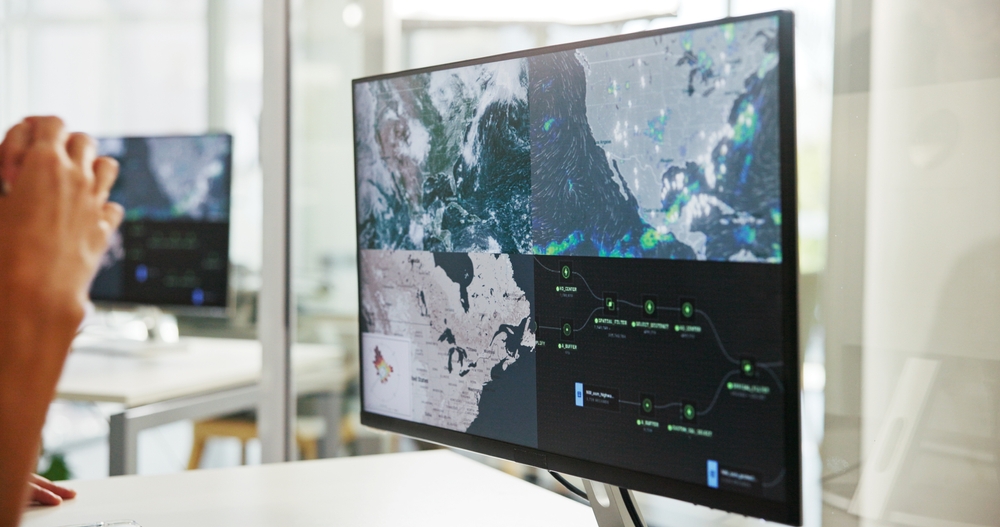
Climate.us launched after a series of federal science disruptions raised concerns about access to government-backed information.
Under the Trump administration, Climate.gov was effectively shut down following NOAA staffing cuts. Its URL redirected users, and some previously accessible materials became harder to find. The data remained available in many cases, but the public-facing system that made it usable weakened. Raw data alone does not serve teachers, journalists, planners, or the public without accessible tools and context.
The disruption extended beyond NOAA. The administration also dismissed members of the National Science Board, which oversees the National Science Foundation and advises federal science policy. Researchers viewed this as a loss of continuity and independent expertise.
Climate.us reflects an effort to preserve public access to climate information after these changes. It does not replace a fully funded federal program, but it shows how former officials, volunteers, and nonprofit support can maintain access to scientific resources.
Access to Climate Data Is a Public Safety Issue
Climate data drives real decisions. Farmers plan planting, towns assess flood risk, schools respond to heat, and emergency managers prepare for smoke. When data is hard to access, the impact extends beyond scientists to anyone making decisions under changing conditions.
Climate.us addresses this gap. It organizes climate data into clear explanations, maps, and tools instead of leaving users to navigate raw datasets. This context makes trends in temperature, rainfall, and sea level usable at a local level.
The need is clear during extreme weather. Heat affects vulnerable populations. Drought strains water and agriculture. Heavy rain can exceed outdated infrastructure. These are immediate risks tied to planning, health, and costs.
Accessible climate data supports preparedness. Climate.us connects scientific information to the public, especially those without the resources to search federal databases. It functions as a practical tool for understanding and managing risk.
Public Science Must Stay Public

Climate.us is a reminder that climate information is not just for laboratories, universities, or government offices. It belongs in classrooms, city halls, farms, newsrooms, emergency planning meetings, and households trying to make sense of a changing environment.
The former NOAA staffers behind the site preserved more than a collection of webpages. They protected a public pathway to understanding heat, flooding, drought, sea-level rise, and other risks that already affect daily life. Their work shows the value of scientific expertise, but it also exposes the danger of allowing public knowledge to depend on political priorities.
The larger lesson is clear: climate data should remain free, accessible, and protected from disruption. Communities cannot prepare for risks they cannot see or understand. Keeping trusted science in public hands is not only about transparency. It is about safety, resilience, and the right of people to make informed decisions about the places they call home.