
Your cart is currently empty!
Southern California Is Paying Residents Up to $25,000 to Get Rid of Their Lawns
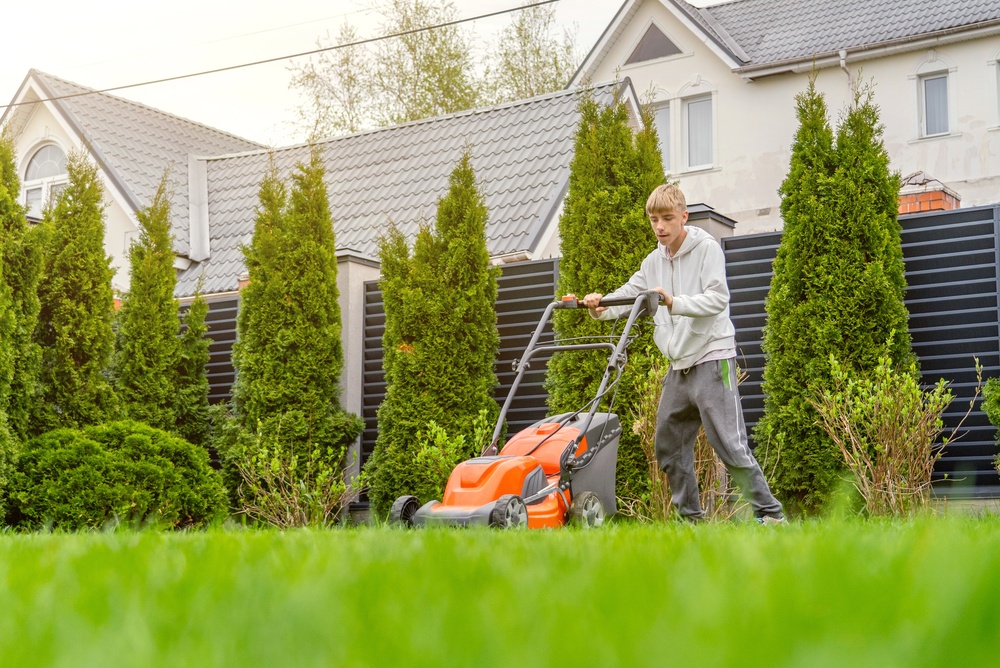
A lush green lawn has long been considered part of the American dream, but in Southern California that tradition is being replaced by something far more practical. As drought conditions, rising temperatures, and growing pressure on water supplies continue to reshape the region, local agencies are offering homeowners a financial incentive that is difficult to ignore. Instead of rewarding people for maintaining thirsty grass, the focus has shifted toward landscapes that use far less water while remaining attractive throughout the year. For many residents, that change could mean earning thousands of dollars simply by redesigning their yards.
Contents
show
The incentive has sparked interest because the numbers are substantial. Eligible homeowners can receive up to $25,000 for replacing traditional turf with drought-friendly landscaping, while commercial properties and public agencies may qualify for significantly larger rebates. The program is designed to reduce outdoor water consumption, lower utility costs, and encourage landscapes better suited to California’s climate. Rather than treating lawns as the standard, officials hope sustainable gardens will become the new normal across neighborhoods throughout Southern California.
Why Officials Are Encouraging Residents to Remove Grass
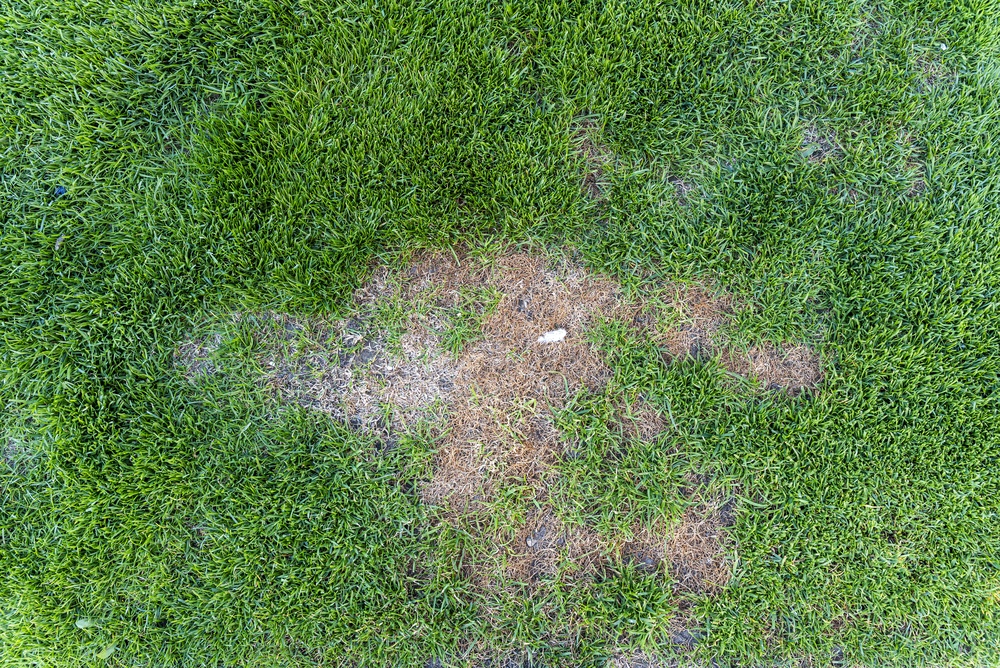
Southern California has spent years adapting to changing weather patterns and recurring droughts. Outdoor irrigation remains one of the largest sources of residential water use, particularly during warmer months when lawns require constant watering to stay green. Reducing that demand has become a priority for water providers looking to preserve limited resources while preparing for future dry periods.
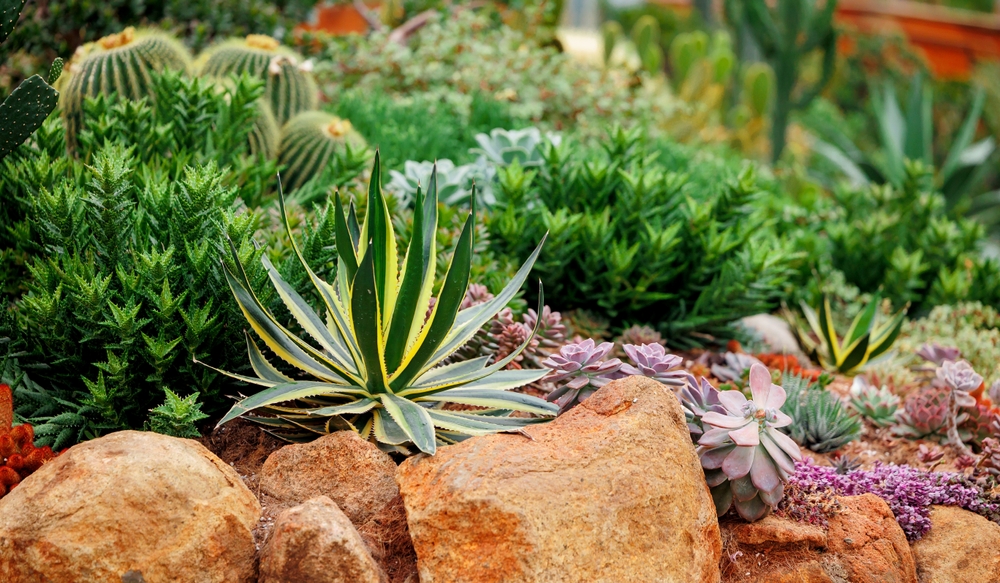
The rebate program supports property owners who replace high-water-use grass with sustainable landscapes that thrive using much less irrigation. Instead of relying on frequent watering, these landscapes are designed around plants that naturally perform well in Southern California’s environment. The approach helps conserve water without sacrificing curb appeal.
Beyond reducing household water use, the program is intended to deliver broader environmental benefits. Sustainable landscapes can help recharge groundwater, reduce stormwater runoff, and create healthier habitats for birds, butterflies, bees, and other local wildlife. Those improvements make the program about much more than replacing grass.
How Much Money Can Property Owners Receive?
Residential customers may qualify for rebates of $5 per square foot for turf replacement projects covering up to 5,000 square feet. That means eligible homeowners could receive as much as $25,000, depending on the size of the completed project. Projects must cover at least 250 square feet to qualify.
Commercial properties and multi-family developments with five or more dwelling units can receive $6 per square foot for the first 50,000 square feet converted. Projects larger than that may qualify for $4 per square foot, with coverage extending up to seven acres. Final rebate amounts cannot exceed eligible project costs.
Public agencies are eligible for the highest incentive. They can receive $7 per square foot for the first 200,000 square feet of converted landscape before the rebate decreases to $4 per square foot for additional eligible areas. Larger public projects can qualify for rebates exceeding one million dollars when they meet all program requirements.
What a Water-Smart Landscape Can Include
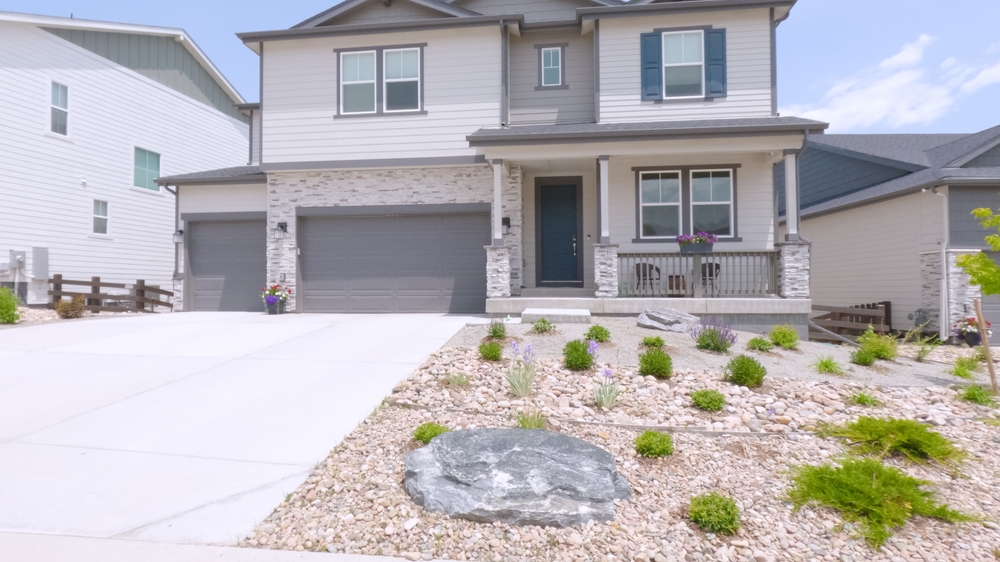
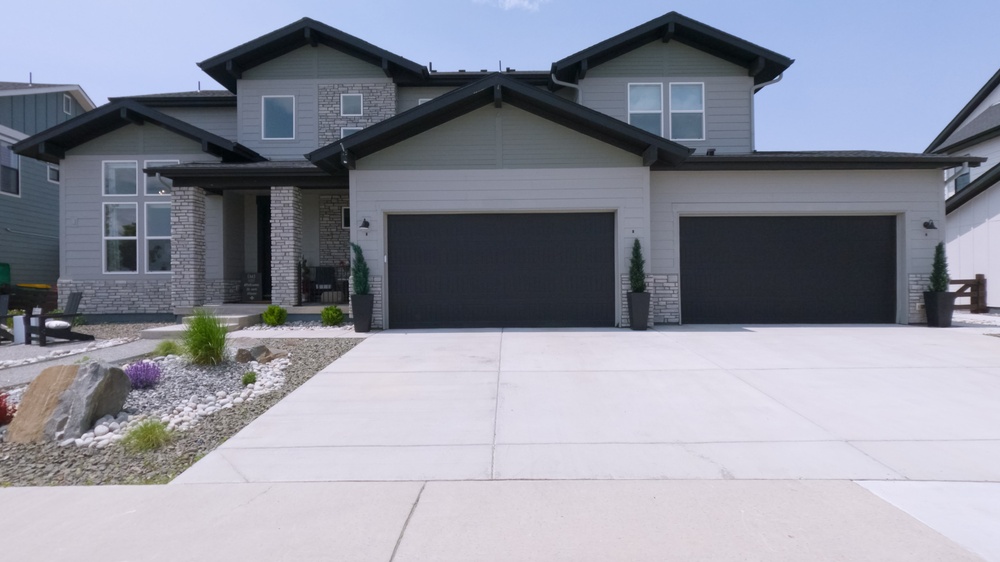
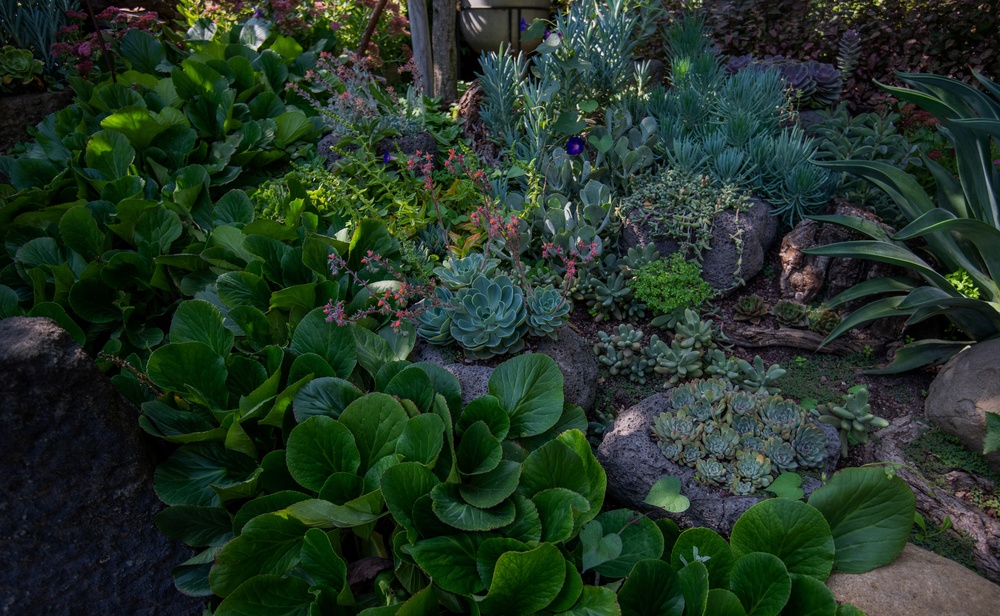
Replacing grass does not mean leaving a yard covered with gravel or bare soil. The program encourages landscapes that remain colorful, functional, and environmentally friendly while dramatically reducing water consumption.
Eligible projects can include several features that improve water efficiency and soil health:
- California Friendly® plants, including native species suited to Los Angeles’ climate.
- Mulch or other ground cover that helps retain moisture in the soil.
- Rain capture features such as rain gardens, rain barrels, cisterns, infiltration trenches, or vegetated swales.
- Drip irrigation systems that deliver water directly to plant roots instead of spraying large areas.
These landscaping choices often require less maintenance than traditional lawns once established. Native plants are generally adapted to local rainfall patterns and seasonal temperatures, allowing homeowners to enjoy attractive outdoor spaces with reduced watering and maintenance demands.
The Steps Required to Qualify
Property owners cannot begin removing grass and apply afterward. The application process starts before any work takes place, giving program administrators the opportunity to review each proposed project.
The first instruction is straightforward: “Plan your project.” Applicants are encouraged to measure the area, design a sustainable landscape, and review available design resources before submitting an application. Careful planning helps ensure the project satisfies program requirements from the beginning.
Before any grass is removed, applicants must also complete another important step: “Get project pre-approval BEFORE removing any grass or starting a project.” The application includes photographs of the existing landscape, project measurements, a landscape plan, and a copy of the customer’s water bill. Approval must be received before work begins.
After receiving approval, applicants can move forward with installation. The guidance explains, “Start your project.” Property owners may complete the work themselves or hire a contractor, but the project generally must be finished within six months. Cooler months between October and March are recommended because they make planting easier and help new plants establish healthy root systems.
Completing the Project and Claiming the Rebate
Finishing the landscaping work is only one part of the process. After the project has been completed, applicants must review the program requirements to make sure every part of the new landscape meets the necessary standards. The final application is not considered complete until photographs of the finished project have been uploaded for review.
The final stage is described as, “Check, submit and claim your rebate.” Applicants are instructed to submit photographs of the completed landscape through the online portal so the project can be evaluated. Before any rebate is issued, the completed work will be reviewed and may also be selected for an on-site inspection to confirm that it satisfies all program requirements.
Participants should also remember that the converted landscape must continue meeting program standards for five years after approval. This requirement helps ensure the water-saving improvements remain in place and continue delivering the environmental benefits the program was designed to achieve.
Why Water-Smart Landscaping Is Becoming More Common
Programs that encourage residents to replace traditional lawns are becoming increasingly common throughout the western United States. Communities that experience long periods of dry weather are searching for practical ways to reduce water demand without placing the entire burden on mandatory restrictions.
Decorative turf requires frequent watering simply to maintain its appearance, even when it provides little functional value. Native plants and drought-tolerant gardens can often survive with a fraction of that water while supporting pollinators and local wildlife that struggle in heavily irrigated urban environments.
Many homeowners also discover that water-efficient landscaping offers financial advantages beyond the rebate itself. Lower outdoor water use can reduce monthly utility bills, while native plants typically require less mowing, fertilizing, and ongoing maintenance than conventional grass lawns.
More Than Just a Cash Incentive
The rebate program is designed to encourage long-term changes rather than temporary upgrades. Every lawn converted into a sustainable landscape reduces pressure on local water supplies and helps communities become more resilient during future droughts.
Water-saving gardens can also improve neighborhoods in unexpected ways. Rain capture features help direct water back into the ground instead of allowing it to flow into storm drains, while native vegetation creates healthier habitats for birds, butterflies, and beneficial insects. These improvements can strengthen local ecosystems without sacrificing the appearance of residential or commercial properties.
For many property owners, the decision comes down to more than receiving a rebate. Replacing a traditional lawn with a landscape designed for Southern California’s climate offers an opportunity to lower water use, reduce maintenance, and create an outdoor space that remains attractive throughout the year.
A Program That Rewards Smarter Water Use
As water conservation becomes a larger priority across Southern California, incentive programs like this are encouraging residents to rethink what an ideal yard looks like. Instead of rewarding heavy water use, the focus is shifting toward landscapes that work with the region’s natural climate while helping preserve valuable resources.
For homeowners who have already considered replacing a high-maintenance lawn, the available rebates could make that decision much easier. With thousands of dollars available for qualifying projects, many residents may find there has never been a better time to transform their yards into sustainable landscapes built for the future.
California, climate change, drought, Eco-Friendly Gardening, Environmental News, Garden Design, Home Improvement, Homeowners, LADWP, Landscaping, Lawn Replacement, Native Plants, outdoor living, outhern California, SoCal WaterSmart, Sustainable Living, Turf Replacement, water conservation, Water Rebate