
Your cart is currently empty!
Supreme Court Rules States Can Bar Transgender Athletes From Women’s Sports
Nine justices spent months weighing two lawsuits from opposite corners of the country, one from a seventh grader running track in West Virginia, another from a college student who had quit her team out of fear before the case ever reached Washington. Tuesday brought an answer neither plaintiff wanted, delivered in a 6-3 vote that reshapes how roughly half the nation’s schools decide who competes on girls’ teams.
Contents
show
Behind the vote sits a legal fight over two federal protections many assumed settled, plus a narrower question the justices went out of their way to say they were not deciding. What the ruling actually covers, and what it leaves open for the next fight, matters more than the headline suggests.
What The Court Decided
Justices ruled 6-3 on June 30 that states may bar transgender girls from competing on girls’ and women’s sports teams without violating Title IX or the Equal Protection Clause of the 14th Amendment. Brett Kavanaugh wrote the majority opinion. Samuel Alito, Neil Gorsuch, Amy Coney Barrett, Clarence Thomas, and Chief Justice John Roberts joined him. Sonia Sotomayor wrote separately, agreeing with part of the outcome and dissenting from the rest, joined by Elena Kagan and Ketanji Brown Jackson.
Every justice on the bench agreed the statute permits schools to organize teams by sex. Only the six conservative justices found the bans survive constitutional review, a split worth holding in mind before assuming the ruling arrived unanimous or lopsided in every part.
Two Cases, One Combined Ruling

Becky Pepper-Jackson, a 12-year-old transgender girl who competes in shot put and discus at her West Virginia high school, challenged her state’s ban in West Virginia v. B.P.J. Lindsay Hecox, a transgender student who once ran and played soccer at Boise State University, brought the Idaho case, Little v. Hecox, though she had already left the team and asked at one point to drop her own suit, citing fear of harassment.
Idaho and West Virginia stand among twenty-seven states with similar laws already in place. Justices cited those state laws directly, along with policies from the NCAA and the International Olympic Committee, in reaching their decision.
Kavanaugh’s Reasoning On Equal Protection
Kavanaugh separated sports from most other legal contexts, arguing that physical differences between the sexes justify a distinction courts would reject almost anywhere else. “Separate sports teams for biological males and biological females are reasonable. Given the inherent physical differences between the sexes, allowing only biological females to play on women’s and girls’ teams can reduce the risk of physical injury and ensure fair competition,” he wrote.
Kavanaugh set a standard for review rather than a blank check. States defending sex-based rules must show the distinction serves an important governmental interest, and he found West Virginia and Idaho cleared that bar through their stated goals of safety and fair competition.
A Point Of Agreement Inside A Divided Ruling
Sotomayor and her fellow liberal justices sided with the majority on one narrow point. Title IX, all nine agreed, allows schools to split teams by sex, so Pepper-Jackson’s claim under that statute failed on terms both sides accepted going in. Kavanaugh added his own framing, calling Title IX a law that opened doors for female athletes across five decades and arguing the statute’s use of the word “sex” cannot plausibly mean anything but biological sex.
Sotomayor’s Dissent And Her Central Objection
Sotomayor did not argue West Virginia’s ban must fail outright. Her objection ran narrower and, in some ways, sharper. Pepper-Jackson’s case rested on a specific factual claim, that she never went through male puberty, receives gender-affirming care, and carries no athletic advantage tied to sex assigned at birth. Sotomayor argued the majority resolved that dispute without letting lower courts sort out the facts first.
“A restrained approach, based on all relevant facts, is particularly necessary when the court is faced with a consequential decision of constitutional dimension,” Sotomayor wrote, closing her opinion with a line aimed directly at Kavanaugh’s closing paragraph, which praised athletes on both sides of the issue. Sotomayor called that praise hollow given what the ruling actually does to girls like Pepper-Jackson.
Gorsuch’s Concurrence And An Old Precedent
Gorsuch wrote his own concurrence to head off a comparison many expected. He authored Bostock v. Clayton County in 2020, extending federal workplace protections to LGBTQ employees under Title VII. Some observers assumed that ruling cut against Tuesday’s outcome. Gorsuch disagreed in writing, arguing that firing someone for their sex under employment law and organizing a single-sex sports team under Title IX raise separate legal questions entirely, and treating them as identical mistakes what each statute actually requires.
Reactions From Officials Who Backed The Bans

West Virginia Attorney General JB McCuskey called the ruling a win for every athlete who competed, or hoped to compete, on fair terms. Kristen Waggoner of the Alliance Defending Freedom, which helped defend both states’ laws, framed the outcome as vindication for girls who spoke up, adding that no drug erases physical differences between male and female athletes. President Trump posted his reaction within hours, calling the decision a “BIG WIN” and writing that the court had “RULED AGAINST MEN PLAYING IN WOMEN’S SPORTS.”
Reactions From Advocates And Legal Challengers
Joshua Block, the ACLU attorney who represented both Pepper-Jackson and Hecox, described the loss in blunt terms. “This is a heartbreaking ruling for our clients and transgender girls like them who’ve asked for nothing more than the same opportunities afforded to their peers,” Block said, adding that equal treatment for transgender girls takes nothing from other female athletes and in his view strengthens equality for all of them.
Sean Ebony Coleman, who leads the group Destination Tomorrow, argued the ruling writes discrimination into law rather than settling a sports dispute. Former professional hockey player Harrison Browne said he felt devastated thinking about kids who would lose the chance to play alongside friends, describing the freedom to compete as someone truly is as a right everyone deserves.
What The Ruling Leaves Unresolved
Kavanaugh added language many outlets treated as a footnote but carries real weight going forward. Nothing in the opinion decides whether schools may let transgender girls compete on teams matching their gender identity if a state chooses to allow it. States remain free to permit that arrangement, and roughly half the country currently does, according to the Movement Advancement Project. Kavanaugh also declined to address whether cisgender women can play on men’s or co-ed teams, leaving that question for another day.
Part Of A Pattern In Recent Rulings
Tuesday’s decision joins a string of recent cases where the same 6-3 majority sided against transgender plaintiffs. Last year, the court upheld Tennessee’s ban on gender-affirming medical treatment for minors, a ruling that strengthened similar bans in more than twenty states. Justices also let the Trump administration bar transgender troops from military service and require passports to list sex at birth rather than gender identity, both decided through the emergency docket. Last fall, the court went the other direction, rejecting South Carolina’s push to enforce a bathroom restriction targeting transgender students.
CNN legal analyst Steve Vladeck offered a more measured take on what Tuesday’s standard opens for future cases. Kavanaugh’s heightened-review requirement means states can’t restrict transgender rights for just any reason, Vladeck noted, calling the ruling a real setback for equality advocates while pointing out it leaves room to challenge other forms of government discrimination against transgender people down the line.
Numbers Behind The Debate
Reliable figures on transgender participation in sports remain scarce, which has let advocacy groups on both sides cite wildly different estimates. At the elite level, the numbers run small. Since the International Olympic Committee began allowing openly transgender and nonbinary athletes in 2003, fewer than a dozen have qualified for the Games, and only one, New Zealand weightlifter Laurel Hubbard, competed as an out transgender woman, failing to complete a single lift. NCAA President Charlie Baker told the Senate in 2024 he knew of fewer than 10 transgender athletes across the entire league, a fraction under two-thousandths of a percent of NCAA competitors.
Youth sports tell a different story in scale. The Williams Institute at UCLA Law estimates that as many as 122,000 transgender teenagers between 13 and 17 could be playing high school sports nationwide. However, it remains unclear how many compete on teams matching their gender identity, given how many now live under state bans.
What States May Do Next
Lawmakers in states without existing bans may feel emboldened to introduce them. Paula Scanlan, who swam alongside transgender athlete Lia Thomas at the University of Pennsylvania, argued on Fox News that a girl in Texas shouldn’t hold different rights than a girl in Connecticut, part of a broader push for a federal ban that includes Republican Rep. John McGuire’s “Riley Gaines Act.” Sports analyst Christine Brennan offered CNN a different read of what schools now face, describing the challenge as making sure children well below the elite level don’t lose access to the lessons sports can teach, regardless of where a state lands on the issue.
Justices have already agreed to hear a case next term brought by Washington parents challenging laws that let minors receive gender-affirming care without parental notice, a sign the broader legal fight over transgender rights stays active on the docket for years to come.
Where The Country Stands Now
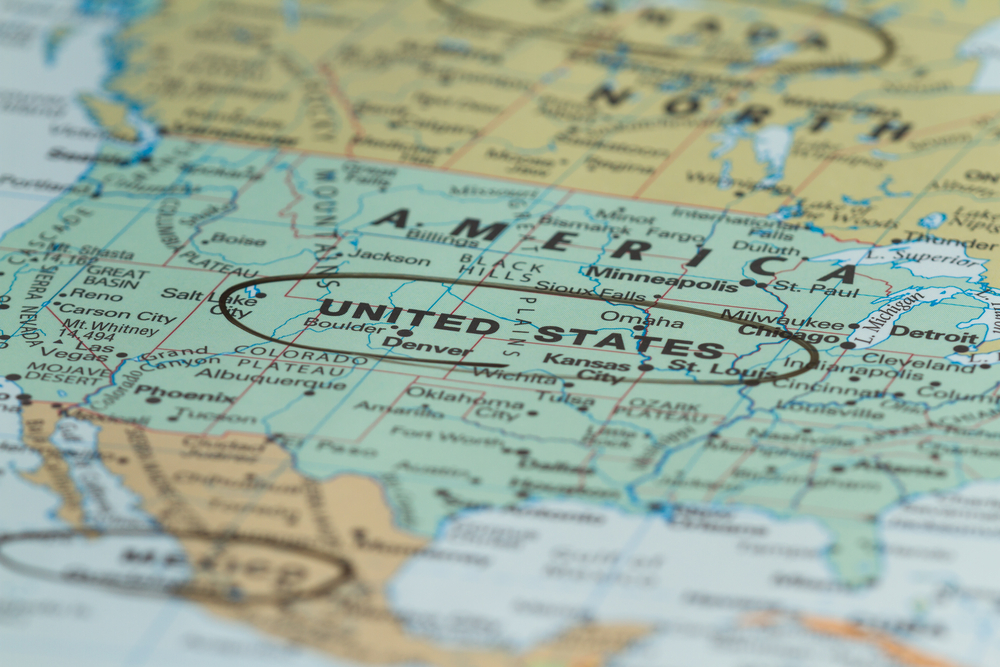
Roughly half of the states now enforce bans on transgender athletes in girls’ sports. Roughly half still permit them to compete under their gender identity. Justices left both arrangements standing rather than forcing one approach nationwide, which means state legislatures, not federal courts, remain the arena where this fight actually plays out.
Pepper-Jackson, now a teenager who simply wanted to run track with her classmates, becomes the named plaintiff in a ruling that will outlast her own eligibility to compete. Hecox, who left her team before the case reached this point, may never see the outcome change anything in her own life. Between them sits a country still working out, state by state, what fairness in youth sports actually requires.
Becky Pepper-Jackson, Brett Kavanaugh, college athletics, Equal Protection Clause, girls sports, high school sports, LGBTQ+ Rights, Lindsay Hecox, Little v Hecox, Neil Gorsuch, Sonia Sotomayor, state sports bans, Supreme Court, Supreme Court ruling 2026, Title IX, transgender athletes, transgender rights, West Virginia v B.P.J., women’s sports