
Your cart is currently empty!
Supreme Court Shuts Down Trump’s Bid to End Birthright Citizenship
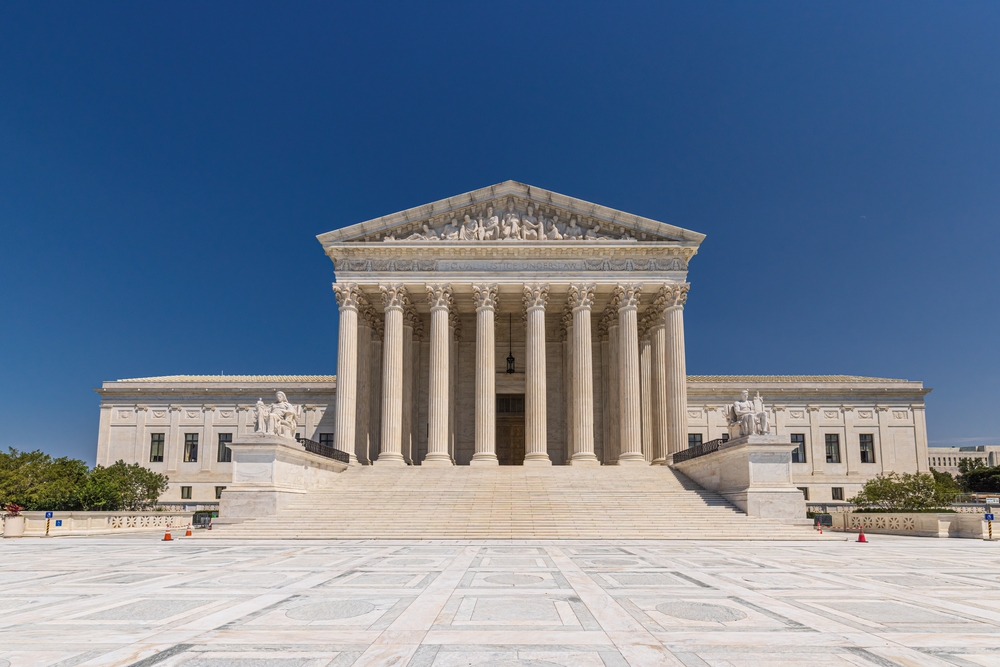
A constitutional battle that has dominated the national immigration debate reached its most significant turning point as the U.S. Supreme Court rejected President Donald Trump’s effort to end birthright citizenship through executive action. The ruling preserves a principle that has defined American citizenship for generations and reinforces the Court’s view that a president cannot unilaterally alter constitutional guarantees that have been recognized for more than a century. The decision immediately became one of the most consequential legal setbacks for Trump’s immigration agenda and is expected to influence future debates over citizenship, executive power, and constitutional interpretation.
Contents
show
The case centered on whether children born in the United States to parents who are in the country unlawfully or temporarily should automatically receive American citizenship. Supporters of the executive order argued that the Fourteenth Amendment was never intended to extend citizenship so broadly, while opponents maintained that the Constitution’s text and longstanding legal precedent clearly protect anyone born on U.S. soil. By siding with the latter view, the Supreme Court left existing citizenship rules unchanged and signaled that any major change would almost certainly require action beyond the executive branch.


Supreme Court Rejects Executive Order
The Court’s decision represents a major legal victory for groups that challenged the executive order soon after it was signed. The majority concluded that the Constitution continues to protect birthright citizenship under the Fourteenth Amendment, preserving an interpretation that has guided American law for well over a century.
The ruling also reinforces the limits of presidential authority. While presidents can shape immigration policy through executive actions in many areas, the Court found that constitutional protections cannot be narrowed through executive orders alone when longstanding precedent points in the opposite direction.
Legal scholars say the decision provides certainty for states, hospitals, and federal agencies responsible for issuing birth records and determining citizenship status. Had the order been allowed to take effect, officials across the country could have faced significant administrative and legal challenges when determining who qualifies as an American citizen at birth.
Why the Constitution Became the Center of the Fight
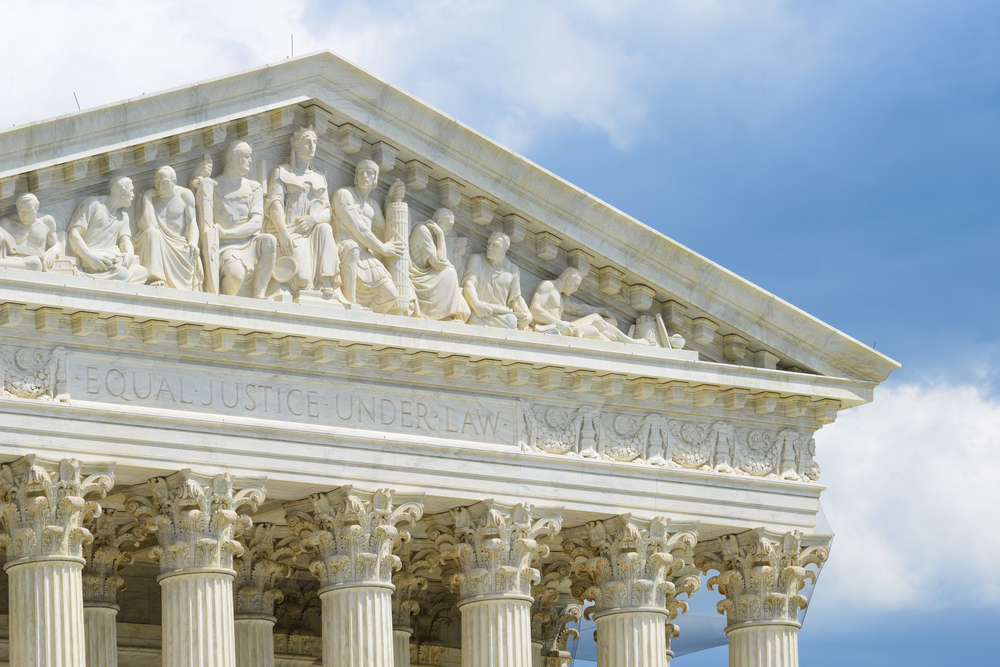
At the heart of the dispute was the Citizenship Clause of the Fourteenth Amendment, which was adopted in 1868 after the Civil War. The amendment states that all persons born or naturalized in the United States and subject to its jurisdiction are citizens of the United States. For more than 150 years, courts have generally interpreted that language to mean that birth on American soil automatically grants citizenship, with only a few narrow exceptions such as children of foreign diplomats.
The Trump administration argued that the phrase “subject to the jurisdiction” should apply only to people whose parents had established a permanent legal home in the United States. Government attorneys maintained that children born to parents who entered the country unlawfully or were present on temporary visas should not automatically qualify for citizenship. Supporters of the order described it as an effort to restore what they believed was the original meaning of the Constitution.
The Supreme Court declined to adopt that interpretation. The majority concluded that the amendment’s language, historical understanding, and earlier court decisions all point toward a broader reading of citizenship. Rather than introducing a new constitutional standard, the justices reaffirmed the legal framework that has existed for generations and emphasized the importance of respecting established precedent when interpreting constitutional rights.
The decision also relied heavily on the Court’s earlier rulings involving birthright citizenship, particularly cases that have shaped constitutional law for more than a century. By preserving those precedents, the justices signaled that any significant change to citizenship policy would likely require constitutional or legislative action rather than executive authority alone.
What the Decision Means for Immigration and American Families
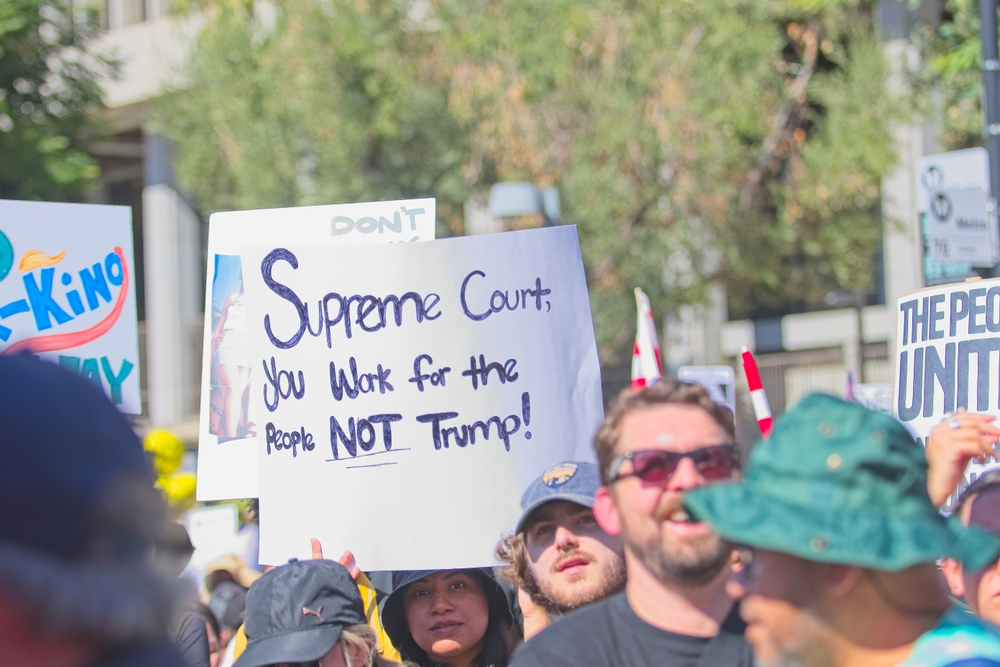
The ruling leaves birthright citizenship unchanged across the United States, providing certainty for families, hospitals, and government agencies that rely on consistent citizenship rules. Children born in the country will continue to receive citizenship under the existing constitutional framework, avoiding the uncertainty that many legal experts warned could arise if different states began applying different standards.
Immigration advocates argued that changing birthright citizenship would have created practical challenges extending far beyond immigration enforcement. Government agencies would have needed new systems to verify the legal status of parents before determining a child’s citizenship, creating additional paperwork, legal disputes, and delays. Critics of the executive order also warned that some children could face difficulties proving citizenship anywhere if they were denied recognition in both the United States and their parents’ home countries.
Supporters of the executive order continue to argue that birthright citizenship encourages illegal immigration and places additional burdens on public services. Opponents reject that argument, saying the Constitution does not make citizenship dependent on a parent’s immigration status and that changing such a long-standing rule would create legal uncertainty affecting millions of Americans.
Beyond the immediate legal outcome, the case highlights how immigration remains one of the country’s most politically divisive issues. While the Supreme Court settled the constitutional question before it, broader disagreements over border security, legal immigration, and citizenship policy are likely to continue shaping political debate for years to come.

Trump Signals the Debate Is Far From Over
Although the Supreme Court rejected the executive order, President Trump quickly indicated that his administration would continue pursuing changes to birthright citizenship through other avenues. He called on Congress to consider legislation addressing the issue and urged lawmakers to begin work on proposals that could reshape federal immigration law.
Some Republican leaders have also suggested that a constitutional amendment could eventually become part of the discussion. Such an effort would face one of the highest legal thresholds in American government, requiring approval by two-thirds of both chambers of Congress before being ratified by three-quarters of the states. Constitutional experts note that amendments of this scale are exceptionally rare and often require broad bipartisan agreement.
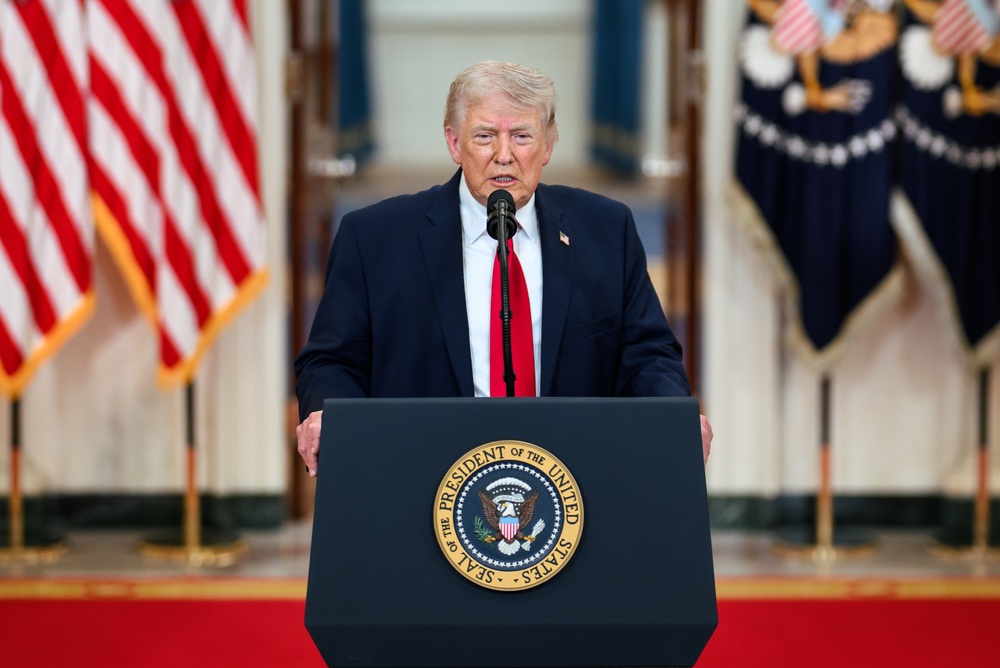
The ruling also leaves open the possibility of future legal challenges involving immigration policy, even if birthright citizenship itself remains protected. The administration has repeatedly argued that executive authority should play a larger role in immigration enforcement, while opponents maintain that fundamental constitutional rights cannot be narrowed through presidential action alone.
For now, the Supreme Court’s decision preserves a constitutional principle that has defined American citizenship for generations. While the political debate is unlikely to disappear, any effort to change birthright citizenship now faces a far steeper legal and constitutional path than an executive order alone could provide.
American Citizenship, birthright citizenship, breaking news, Citizenship Law, congress, constitutional law, Donald Trump, Executive Order, Federal Courts, Fourteenth Amendment, immigration, immigration policy, John Roberts, legal news, Supreme Court, Supreme Court Decision, U.S. Constitution, U.S. politics, White House