
Your cart is currently empty!
An 11-Year-Old Slept Through A Bat On His Face. It Cost Him Everything
It started like something out of a nightmare you wake up from too quickly to fully process. An 11-year-old boy opened his eyes inside a quiet cottage in northern Ontario and found something alive sitting directly across his face. A bat, resting over his nose and mouth while he slept. No warning, no struggle, just sudden contact in the dark.
Contents
show
What followed wasn’t panic. It wasn’t even alarm. There were no visible bites, no scratches, and nothing that suggested immediate danger. The bat was removed, the moment passed, and life continued as normal. But inside that single interaction was a chain reaction doctors say is almost impossible to stop once it begins.
The Night At The Cottage That Seemed Ordinary
The incident happened in the summer of 2024 while the boy was staying with family in northern Ontario, Canada. It was a normal night in a place where wildlife encounters were not unusual. That sense of familiarity played a role in how the moment was interpreted afterward.
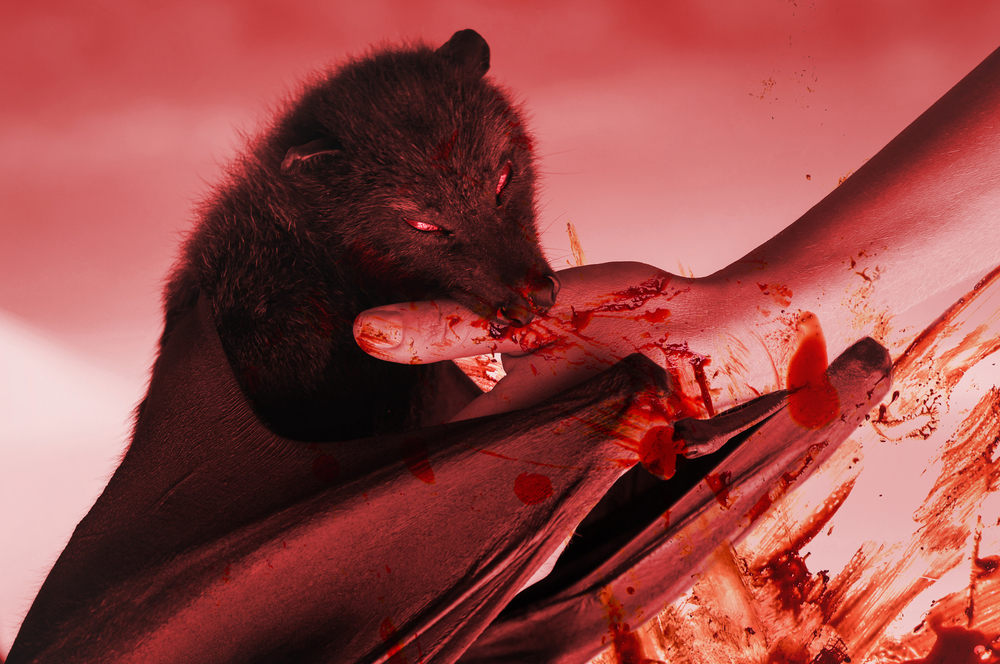
The boy reportedly woke up to find the bat resting over his face, specifically across his nose and mouth. He reacted immediately, swatting it away. His father then caught the animal and released it outside. The situation, at that point, seemed contained and over.
There were no visible injuries. No bleeding. No obvious bite marks. The child appeared completely fine. That detail would become the most critical part of what happened next.
Because nothing looked medically urgent, the family made a decision that felt reasonable at the time. They did not seek treatment.
Why The Exposure Didn’t Look Dangerous
On the surface, there was no clear reason for alarm. The bat was gone, the child was acting normally, and there were no visible wounds. In most situations, that combination would suggest a low risk encounter.
But rabies does not always follow visible patterns. Bats can transmit the virus through tiny breaks in the skin that are easy to miss, especially when contact happens during sleep. Even brief exposure around the mouth or nose is enough to create risk.
Doctors later emphasized that this is where cases like this become dangerous. The absence of visible injury does not eliminate exposure. It only makes it harder to recognize.
As Dr. Brian Hummel, one of the physicians involved in the case report, explained, any direct contact with a bat is enough to warrant immediate medical evaluation, even when nothing looks wrong on the surface.
At the time, however, the situation did not appear to require action.
Nineteen Days Before The First Warning Signs
For almost three weeks, nothing seemed unusual. Then subtle symptoms began to appear. The boy developed facial numbness and persistent vomiting. He also described a strange tingling sensation in his face, often referred to as “pins and needles.”
He was taken for medical care, where the symptoms were initially treated as something far more common. The early presentation resembled viral illness, and he was sent home with a presumed diagnosis that did not match what was actually happening inside his nervous system.
The condition did not improve. It escalated quickly. Within a short period, he returned with worsening neurological symptoms that now included fever, confusion, difficulty swallowing, and hallucinations.
At that point, doctors recognized the pattern. Rabies was suspected.
But the virus had already reached the brain.

What Rabies Does Inside The Body
Rabies is one of the few infections where timing defines survival almost completely. Once symptoms appear, the outcome is usually irreversible. The virus travels through the nervous system after entering the body, often through saliva from a bite or unnoticed exposure.
The incubation period can vary widely, sometimes lasting weeks or even months. That delay creates a false sense of safety, where everything appears normal long after infection has already begun.
Once neurological symptoms start, the disease becomes almost universally fatal. Fewer than 35 human survivors have ever been documented worldwide. At that stage, treatment shifts from curing the infection to trying to manage symptoms.
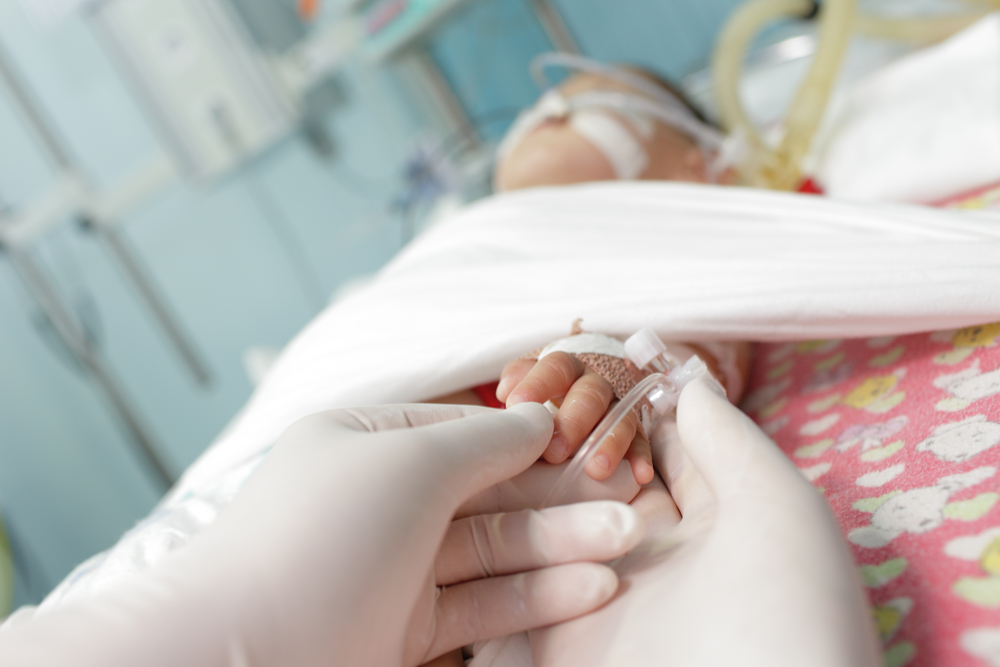
Doctors placed the boy in intensive care and considered experimental options. But his condition declined too rapidly for intervention to make a difference. Life support was eventually withdrawn.
He died in hospital surrounded by family.
Why Bats Carry A Hidden Level Of Risk
In North America, bats are one of the most common sources of rabies transmission to humans. What makes them especially dangerous is not aggression, but invisibility. Their bites or scratches can be so small they go unnoticed entirely.
This creates a gap between exposure and awareness. A person may not realize contact even happened. Children, in particular, are more vulnerable during sleep because there is no conscious reaction or memory of the moment.
The rarity of human rabies in Canada can also create a false sense of security. Only 28 cases have been reported since 1924, with the Ontario case marking the first locally acquired infection in decades.
But rarity does not remove risk. It only makes each missed exposure more significant.
What Health Officials Want People To Remember
Medical experts stress that prevention is the only real defense against rabies. Once symptoms begin, there is no proven cure. But before that point, post-exposure prophylaxis can stop the virus entirely.
This treatment includes a vaccine series and immune globulin, and it is highly effective when given early. The challenge is recognizing when it is needed.
Doctors now emphasize a simple rule that removes ambiguity from the decision-making process. Any direct contact with a bat should be treated as a potential exposure, even if there are no visible signs of injury.
What Should Happen After Bat Contact
- Seek medical attention immediately after any physical contact with a bat
- Do not rely on visible bites or scratches as proof of exposure
- Capture the bat safely if possible for testing
- Wash exposed skin thoroughly with soap and water
- Contact public health authorities for immediate guidance
The guidance is not based on worst-case thinking. It is based on how easily the earliest warning signs can be missed.
bat encounter, bats, CDC warning, child death, emergency medicine, Infectious Disease, medical case, nervous system infection, Ontario Canada, PEP treatment, post exposure prophylaxis, public health warning, rabies, rare diseases, tragic news, true story, viral infection, viral story, wildlife danger, zoonotic disease