
Your cart is currently empty!
Would You Open Your Heart to a Senior Cat, Knowing Your Time Together Would Be Brief but Beautiful?
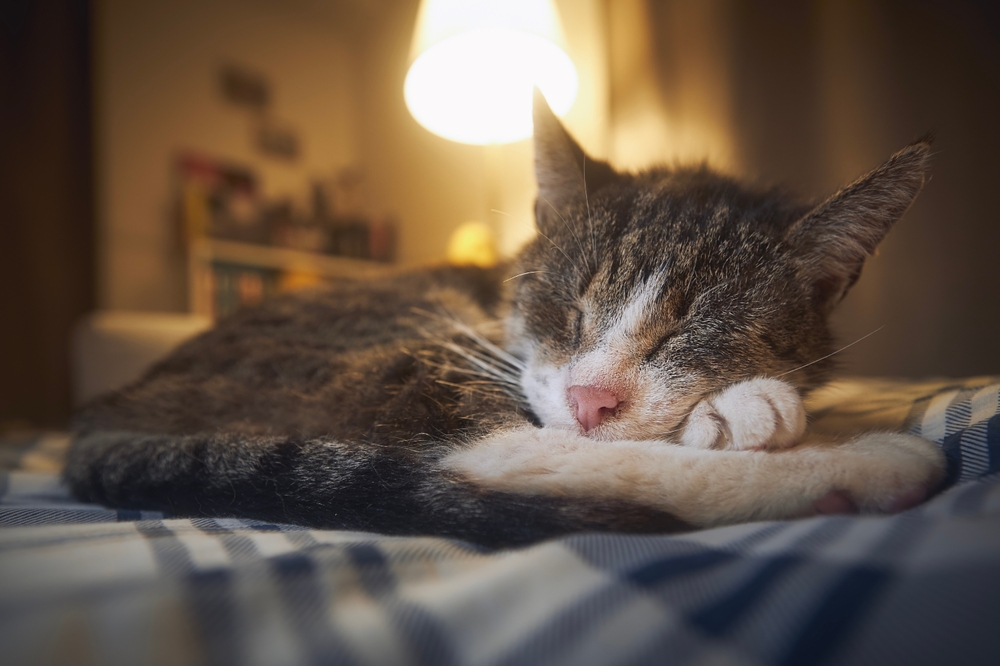
Walking into an animal shelter, it is incredibly easy to be distracted by the chaotic, irresistible energy of the kitten room. However, tucked away in the quieter corners are the true hidden gems of the rescue world: the senior cats. Adopting an older feline comes with an undeniably bittersweet reality, as the years left to share will be shorter.
Contents
show
But stepping past the fear of a ticking clock opens the door to one of the most profoundly rewarding experiences in pet ownership. By choosing to give a mature, gentle soul a soft and loving place to land for their final chapters, adopters quickly discover that what these wise companions lack in time, they more than make up for in boundless, uncomplicated love.
The Quiet Charm of an Older Cat
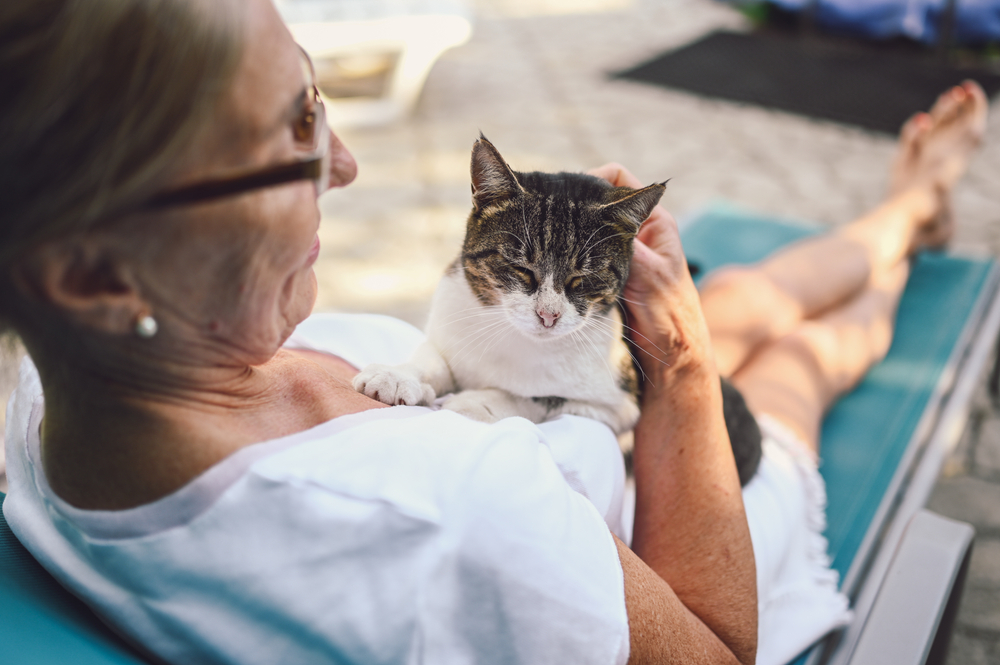
When visitors walk into an animal shelter, the kitten enclosure is usually the loudest and most crowded spot. Kittens are undeniably cute, but they also come with the chaotic energy of a tiny, furry tornado. Choosing to adopt a senior cat provides a much calmer and deeply rewarding alternative. Veterinary professionals consider cats to be seniors once they reach seven years old. By this milestone, they have traded in their wild, late-night zoomies for a comfortable and predictable routine.
The ultimate benefit of adopting an older cat is their fully established personality. Adopting a kitten is a bit of a wildcard, whereas a senior cat is an open book. Shelter staff and foster caregivers can provide a highly accurate profile of a mature cat, detailing their exact preferences. Adopters will know right away if a specific feline loves endless chin scratches, tolerates loud noises, or prefers to be the only pet in the house. This kind of predictability removes the usual matchmaking guesswork.
Animal rescue experts note that older felines are wonderfully independent and perfectly content in their own company. Rather than plotting ways to scale the living room bookshelves, a mature cat is usually on a simple mission to find the softest pillow or a welcoming lap. This laid-back attitude makes senior cats fantastic companions for busy professionals, calm households, or anyone looking for a sweet, low-maintenance friend.
Creating a Retirement Haven for Your Cat
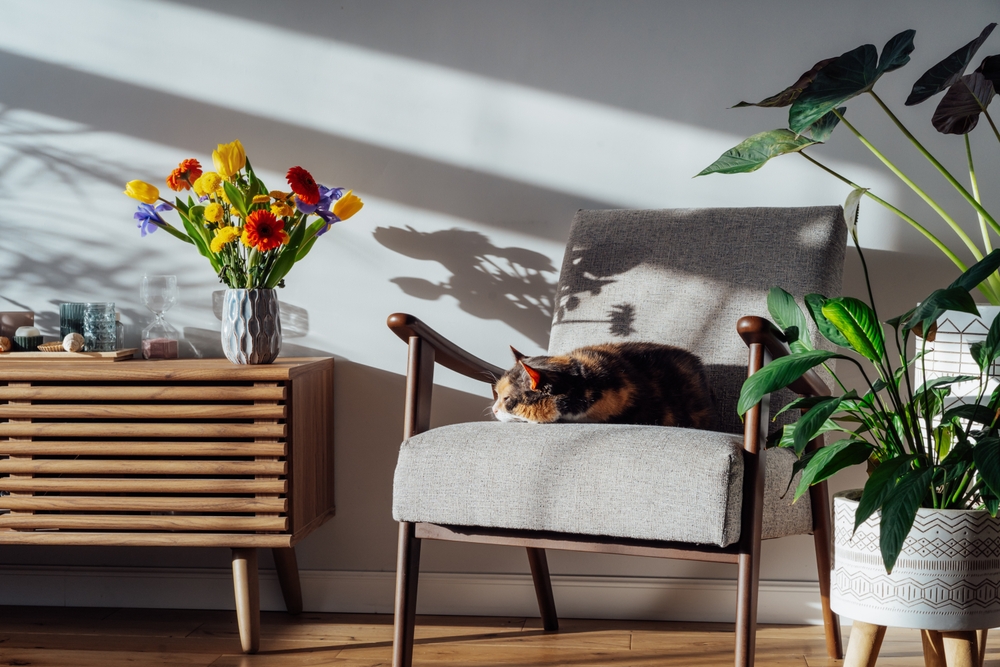
Adopting an older cat means skipping the messy kitten training phase, as mature felines usually arrive with excellent house manners already built in. They know how to use a litter box and have established eating habits. However, a senior cat might need a few minor home upgrades to live comfortably. Just like humans, felines experience physical changes as the years go by. Veterinarian Dr. Jamie Lovejoy notes that while age alone is not a disease, senior cats are naturally more prone to developing health issues. For example, clinical studies highlighted by PetMD show that over 60 percent of cats aged six or above display signs of osteoarthritis on an X-ray.
This means a new mature roommate might need a little extra help navigating their environment. Setting up a senior-friendly home is surprisingly simple and makes a massive difference in their daily comfort. A great first step is swapping out deep litter boxes for wider options with low entry sides. This allows the cat to step inside easily without having to perform feline parkour just to use the bathroom. Providing elevated food and water bowls is another easy tweak that takes unnecessary strain off a stiff neck and back.
Since leaping to the top of the tallest bookshelf might no longer be on the daily agenda, offering pet stairs or small ramps next to a favorite couch or bed is a highly appreciated gesture. Add a few orthopedic padded beds around the quietest corners of the house, and the living room instantly transforms into a luxury retirement resort for a very deserving pet.
A Health Roadmap for Mature Cats
Adopting a senior cat is much like bringing home a beautifully maintained vintage car—they have a few more miles on the odometer, so regular maintenance is the secret to keeping the engine purring. While animal shelters do a fantastic job of providing initial medical care and ensuring vaccinations are up to date, establishing a relationship with a local veterinarian right away is a crucial step in the adoption process.
Mature felines benefit immensely from a comprehensive baseline physical exam shortly after leaving the shelter. Because conditions such as kidney disease, inflammatory bowel disease, and dental wear are more common in older cats, veterinarians often recommend screening lab work to catch any hidden concerns early. As veterinarian Dr. Jamie Lovejoy emphasizes, “Proactive preventative care will extend the time you have with your new companion.”
To ensure a senior cat thrives in their golden years, a healthcare routine will look a little different than it does for a kitten:
- Biannual Checkups: Instead of the standard yearly visit, older felines should be examined every six months to carefully monitor any age-related changes.
- Baseline Bloodwork: Comprehensive lab tests provide a clear picture of internal organ function, ensuring any necessary dietary changes or medications can be started promptly.
- Routine Dental Evaluations: Catching and addressing dental disease quickly prevents significant discomfort and secondary health problems.
While an older cat might require a bit more financial and emotional preparation for potential medical needs, staying ahead of their health ensures those golden years are spent comfortably lounging in a sunbeam rather than recovering from preventable ailments.
Taking Introductions at the Senior Cat’s Pace
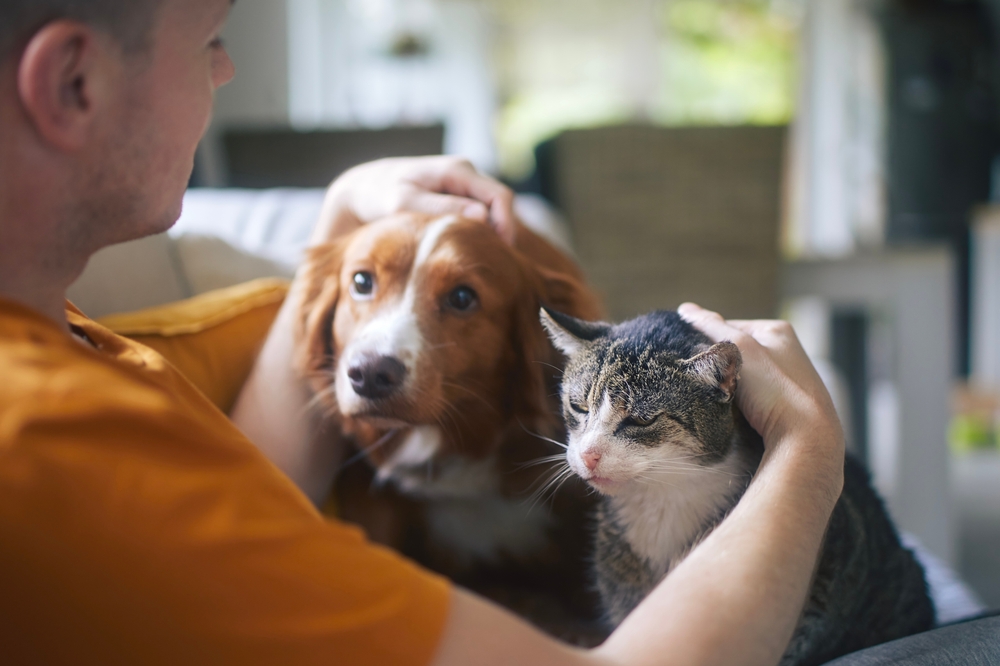
Kittens tend to bounce into a new environment with reckless abandon, ready to make friends with everything from the family dog to the living room curtains. Senior cats, however, prefer a much more civilized and measured approach to moving in. Because older felines have deeply ingrained habits and a firm grasp on exactly how they like their world ordered, adapting to a new social structure simply takes a little patience.
The secret to a successful transition is creating a dedicated, quiet space—a temporary feline “base camp”—where the new arrival can decompress without feeling overwhelmed. Introductions to existing pets and family members should happen strictly on the cat’s schedule. As Dr. Jamie Lovejoy notes, mature felines are generally “less adaptable than kittens to major changes in social structure.” A senior cat who has historically turned up their nose at canine roommates is highly unlikely to change their mind just because they have a new address. Respecting their established boundaries is the best way to prevent unnecessary household drama.
The wonderful trade-off for this extended introduction period is that once an older cat settles in, they are incredibly respectful of the household’s status quo. They rarely demand chaotic play sessions in the middle of the night or disrupt the established routines of other pets.
For households that are still a bit nervous about how the social dynamics might unfold, fostering serves as the perfect middle ground. Opening the home to a senior foster cat provides the animal with a quiet break from the shelter environment while allowing the family to gently test the waters before making a permanent commitment.
A Shorter Timeline, A Deeper Love
The biggest hesitation people have about adopting an older pet is completely understandable: the fear of saying goodbye too soon. It is a reality that a senior cat might only have a few years left to share, rather than a whole decade. But measuring a relationship purely by the clock misses the magic of what those years can hold.
Bringing an older cat home is simply about giving a beautiful, gentle soul a soft place to land. These felines have lived full lives, and they really just want a comfortable spot to rest and someone to love them in their golden years. A family that takes in a senior pet isn’t just getting a companion; they are giving a deeply deserving animal the ultimate gift—a safe, happy, and loved retirement.
Ready to Change a Life?
The next time a trip to the animal shelter is on the calendar, take a moment to walk past the noisy kitten room. Head over to the quiet kennels where the older cats are resting. Look for that calm, observant feline hoping for a second chance. The timeline together might be shorter, but the love they have left to give is boundless. Very often, the shortest chapters in pet ownership turn out to be the most beautiful stories of all.