
Your cart is currently empty!
Lawsuit Alleges Shein Products Contain Toxic Chemicals Exceeding Legal Limits by 3,000 Times

The promise of a complete wardrobe transformation at a fraction of the usual cost is a powerful draw for budget-conscious shoppers. With just a few clicks, thousands of trendy items arrive at the doorstep, offering the allure of constant variety and effortless style.
Contents
show
However, a growing number of legal actions and independent laboratory investigations are pulling back the curtain on this fast-fashion model, revealing that the true cost of these ultra-cheap goods may extend far beyond the price listed on the screen.
The Hidden Cost of Budget-Friendly Fashion
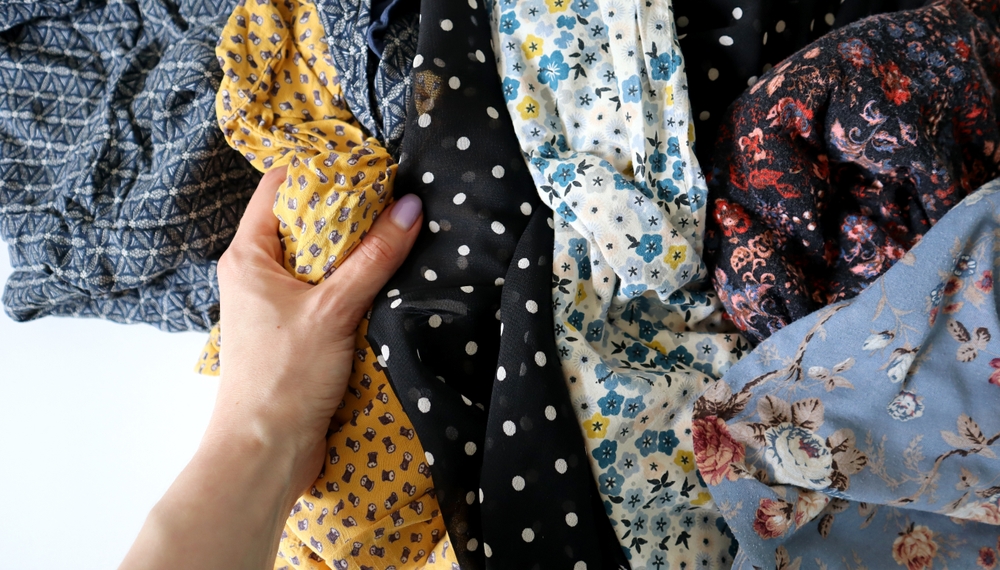
Finding cute, affordable clothes online often feels like a massive win, especially when shopping for rapidly growing children or updating a seasonal wardrobe. The low prices make it incredibly tempting to fill up a digital shopping cart. However, recent independent laboratory tests are making many shoppers pause and ask what exactly is hiding inside these bargain garments.
The state of Texas recently filed a lawsuit against the global retailer Shein, bringing some alarming laboratory results to light. Investigators discovered that some of the brand’s apparel contained highly hazardous substances. For example, independent tests on specific jackets revealed PFAS at 3,300 times the safety limit set by the European Union. Often called “forever chemicals” because they do not break down easily, PFAS are linked to immune system problems and developmental issues.
The contamination also affects items made for the youngest shoppers. Health officials in Seoul tested a pair of toddlers’ shoes from the retailer and found phthalates at 428 times the legal limit. Phthalates are chemicals used to make plastics softer and more flexible, but they are also known to disrupt human hormones. When these chemicals sit directly against the skin all day, the health risks become very real for families.
Texas Attorney General Ken Paxton made the stakes clear in his recent legal filing. He stated, “Shein clothing, meant for newborns, expecting mothers, and school children, are silent carriers of poison.” This lawsuit serves as a serious reminder for budget-conscious shoppers everywhere. An inexpensive price tag might look great on a screen, but the hidden health costs attached to those fabrics could be far too high a price to pay.
Your Bargain Shopping App May Be a Spy

While the physical risks of contaminated clothing are alarming, the legal actions against Shein highlight a completely different kind of danger: the potential compromise of personal data. According to the lawsuit filed by the state of Texas, the fast-fashion giant’s app is not simply a digital storefront but a sophisticated tool that exposes consumers to significant digital security risks.
Legal filings describe the retailer’s platform as a “data siphon” that quietly collects the sensitive personal information of millions of users. Because the company maintains significant operational ties to China, regulators warn that consumer data, such as payment details and browsing habits, could be accessed by the Chinese government under the country’s national intelligence laws. This means that everyday shoppers could be unknowingly handing over their personal information in exchange for inexpensive apparel.
The scale of this issue has prompted aggressive legal action. Texas Attorney General Ken Paxton recently made this privacy threat a central focus of his enforcement efforts, marking the fifth lawsuit filed against companies tied to the Chinese Communist Party in just four days. Paxton emphasized the gravity of the situation, stating, “In Texas, we will use every tool at our disposal to protect Texans from China’s influence and put America First.”
This coordinated legal campaign, which also targets other technology and retail companies, underscores a growing awareness among regulators. Governments are increasingly treating consumer protection and national security as deeply connected issues. For the average shopper, this serves as a critical reminder that downloading a bargain shopping app might come with unseen digital consequences that extend far beyond a simple clothing purchase.
Holding Fast Fashion Accountable
When a brand promotes itself as an innovative and responsible choice for families, shoppers naturally want to trust those claims. Nobody expects a company to cut corners on safety just to keep prices unbelievably low. However, the recent legal action taken by the state of Texas argues that Shein built its massive retail empire precisely on these kinds of deceptive marketing practices.
The lawsuit, filed under the Texas Deceptive Trade Practices Act, takes aim at the stark contrast between the company’s public image and the reality of its manufacturing. State officials argue that selling hazardous goods while failing to disclose potential data privacy risks is a clear violation of consumer trust. To hold the retailer accountable, regulators are seeking significant financial penalties that could completely change how fast fashion operates in the United States.
The potential fines are staggering and highlight how seriously the government is taking this issue. Under the law, the state can seek up to $10,000 for every single violation of consumer protection rules. Furthermore, the penalties become much steeper when vulnerable populations are involved. If a deceptive action specifically targeted a consumer who is 65 years of age or older, the fine can skyrocket to $250,000 per violation. Given the massive volume of sales the retailer processes every day, these fines could easily add up to an astronomical figure.
Worldwide Warnings About Fast Fashion Chemicals
The worry about what is hidden in fast fashion is not just an American issue. People all over the world are starting to ask tough questions about how ultra-cheap clothes are actually made. Just as shoppers read nutrition labels to keep their families healthy, many are now realizing they need to look just as closely at the fabrics they wear every single day.
The environmental group Greenpeace Germany recently bought over fifty items from Shein and sent them to an independent lab. The results were eye-opening. The tests showed that almost a third of the clothing, including outfits made specifically for children, contained dangerous chemicals that completely broke strict European safety rules.
The lab found a troubling mix of toxins hiding in plain sight. For instance, some water-resistant jackets contained high levels of PFAS. These are stubborn chemicals that refuse to break down in nature and are known to harm human immune systems. The tests also found heavy metals like lead and cadmium, along with high levels of phthalates in shoes. These are substances no parent wants anywhere near their child’s skin.
Because of these alarming findings, environmental advocates are pushing lawmakers to tighten the rules. Right now, overseas online stores can sometimes slip past local safety laws because packages are shipped directly to homes. As these global investigations come to light, the message for everyday shoppers is simple. It is incredibly important to look past flashy discounts and demand clothing that is truly safe to wear. While scoring a deal feels great, protecting human health is always worth a closer look.
The Path Toward Safer Shopping Choices
The headlines about toxic chemicals and data security risks in fast fashion might feel overwhelming, but they offer a valuable lesson for every conscious consumer. When a deal seems too good to be true, the actual price is often paid by our health or our digital privacy. While it is easy to get caught up in the excitement of a massive wardrobe haul, these recent legal and safety findings remind us that our purchasing power is a vote for the standards we want to see in the market.
Moving forward, the best protection is awareness. Choosing to support transparent brands, prioritizing quality over sheer quantity, and staying informed about safety recalls can make a world of difference for your family. By slowing down and asking questions about where our clothes come from, we regain control. After all, the most stylish choice is one that values long-term well-being and security over a fleeting, inexpensive trend.