
Your cart is currently empty!
Venezuelan Dog Milo Rescued Alive After 12 Days Under La Guaira Rubble
In the catastrophic aftermath of a natural disaster, the passage of time is a ruthless enemy. When twin earthquakes shattered the Venezuelan coast on June 24, 2026, the frantic search for survivors beneath thousands of tons of concrete slowly gave way to the grim quiet of recovery as days bled into a second week. Emergency management experts know that after the critical 72-hour window, the likelihood of pulling a living creature from a structural collapse drops to near zero, making the stillness of the debris feel absolute.
Contents
show
Yet, 12 days after the tremors reduced a La Guaira apartment complex to a pancaked tomb, international rescue teams detected an impossible flicker of life in the dark.
The June 2026 Twin Earthquakes
On the afternoon of June 24, 2026, a quiet public holiday in Venezuela was violently fractured by two back-to-back earthquakes. According to the United States Geological Survey (USGS), a magnitude 7.2 tremor struck approximately 100 miles west of Caracas, followed less than a minute later by a magnitude 7.5 quake.
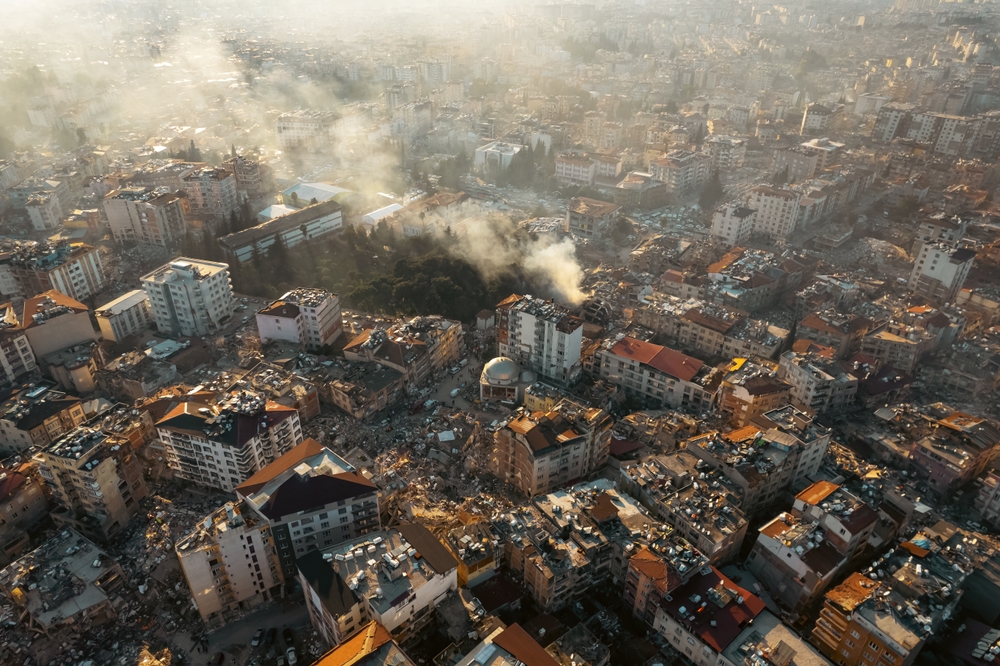
The consecutive seismic shocks proved catastrophic, particularly for the coastal state of La Guaira. More than 250 buildings collapsed in the area, burying thousands of residents and their pets under layers of concrete and twisted metal. The suddenness of the event left little time to react or evacuate. “When we went downstairs, the scene was like a horror movie,” recalled Maria Alejandra, a resident who survived the initial tremors. “We had to climb over the rubble and everything.”
Official figures reflect the immense severity of the devastation, recording 3,535 fatalities and upwards of 16,740 injuries nationwide. The structural impact of twin earthquakes—a phenomenon where a second major seismic event strikes before the dust of the first has settled—exponentially increases the danger for both civilians and first responders. Buildings structurally compromised by the initial shock are often brought down entirely by the subsequent tremor and the powerful aftershocks that follow.
With La Guaira declared a disaster zone, the sheer scale of the tragedy prompted a massive global response. Over 3,300 foreign rescue specialists from 45 international delegations, supported by 140 trained search-and-rescue dogs, deployed to the region. They arrived to face a daunting reality: while the standard critical window for finding earthquake survivors is 72 hours, the unpredictable air pockets created by pancaked buildings meant that life could still be clinging on in the dark. This race against time set the stage for one of the most remarkable stories of endurance in recent history.
Twelve Days in the Dark
By the twelfth day following the tremors, the grim reality of the disaster had set in. The critical window for finding survivors in structural collapses typically closes after 72 hours, as dehydration and the elements take their toll on those trapped. Rescue operations slowly transition from search-and-rescue to recovery, and the hope of pulling life from the debris begins to fade. Yet, amid the devastation in La Guaira, the persistent efforts of international task forces yielded an extraordinary exception.
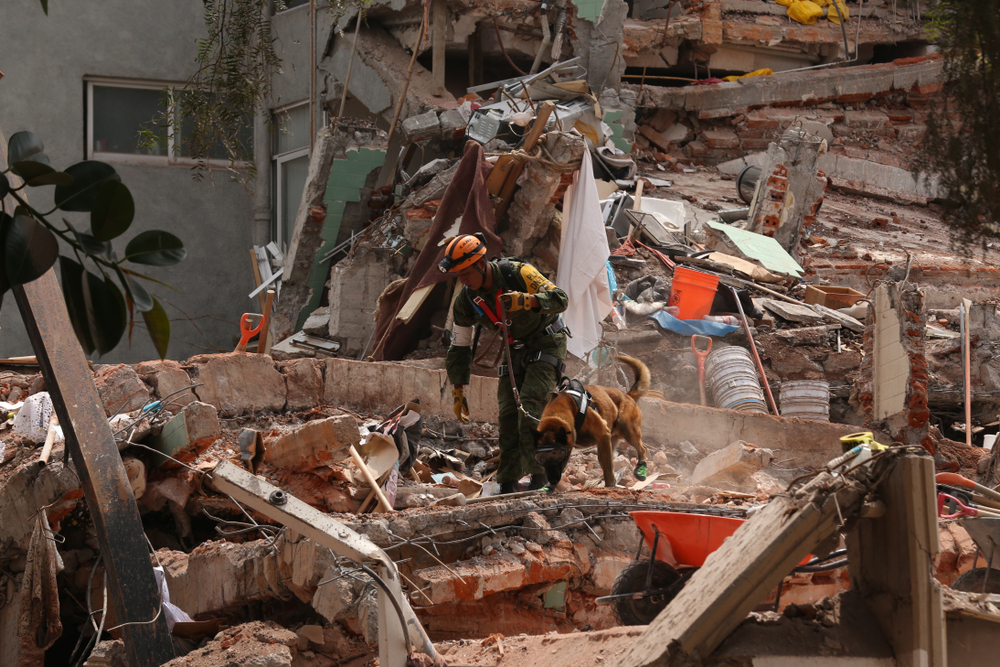
The breakthrough occurred in the ruins of what was once an apartment complex. A binational extraction team—composed of the Urban Search and Rescue (USAR) unit from El Salvador and the renowned Topos Azteca from Mexico, alongside firefighters from Nayarit—refused to abandon the site. The discovery was initiated by a specialized K9 unit, whose acute senses detected faint signs of life buried deep beneath tons of concrete.
Locating the survivor was only the first hurdle; the extraction required high-precision engineering in an incredibly fragile environment. Rescuers discovered the source of the life signs trapped in the pancaked remains of the building’s fourth floor. To prevent a secondary collapse, the Mexican and Salvadoran specialists coordinated a delicate operation to shore up the damaged structural slabs. They meticulously carved out a secure tunnel to reach the trapped victim.
What they found waiting for them at the end of the debris was not a human survivor, but Milo—a small, resilient dog who had managed to stay alive for nearly two weeks in the darkness. The successful extraction not only showcased the technical expertise of the international teams but also provided a vital boost to the morale of the emergency responders continuing their grueling work across the disaster zone.
Against the Odds: How Milo Held On and the Road to Recovery
Surviving 12 days trapped under concrete is incredibly rare. While dogs can survive for weeks without food by relying on their body’s stored fat, going without water is a different story. In normal conditions, a dog cannot survive more than three to five days without hydration.
Milo’s ability to last nearly two weeks suggests he found a unique, life-saving pocket of space beneath the collapsed building. He most likely survived by finding a small, accidental water source, such as a ruptured plumbing pipe or pooling condensation. Furthermore, being buried deep within the rubble actually protected him from the intense tropical heat. By staying cool in the dark, his body temperature remained stable, which prevented him from losing precious moisture through panting.
When rescuers finally pulled him free, the physical toll of the ordeal was obvious. Milo was extremely weak, dangerously thin, and severely dehydrated. He was immediately rushed to an emergency veterinary triage center near the disaster zone. Saving an animal after severe starvation requires incredibly careful medical care. Giving him a large bowl of food or water right away could have shocked his internal organs—a dangerous physical reaction when a body is completely unaccustomed to digesting nutrients. Instead, veterinarians slowly hydrated him using IV fluids and reintroduced food in tiny, carefully measured amounts so his system could safely adjust.
The medical success of his recovery soon led to a deeply emotional reunion. When the earthquakes first struck on June 24, Milo’s owners had to escape their crumbling apartment with mere seconds to spare, tragically losing him in the dust and chaos. They spent nearly two weeks believing he had died in the collapse. When rescue teams identified the dog and brought the family back together, it was a profound victory. For a family who had just lost their home and their sense of security, getting their dog back provided an irreplaceable source of comfort and a powerful reason to keep moving forward.
Preparing for the Unthinkable
The rescue of Milo from the ruins of La Guaira will be remembered as far more than an astonishing anomaly of physical endurance; it stands as a testament to the essential role animals play in our emotional survival. When communities face the indiscriminate devastation of a natural disaster, rebuilding requires more than just clearing debris and pouring new concrete—it requires the restoration of the family unit, of which pets are an undeniable part. Milo’s survival proves that every life pulled from the wreckage, no matter how small, sends a powerful ripple of hope through a traumatized region and validates the tireless, dangerous work of international rescue teams.
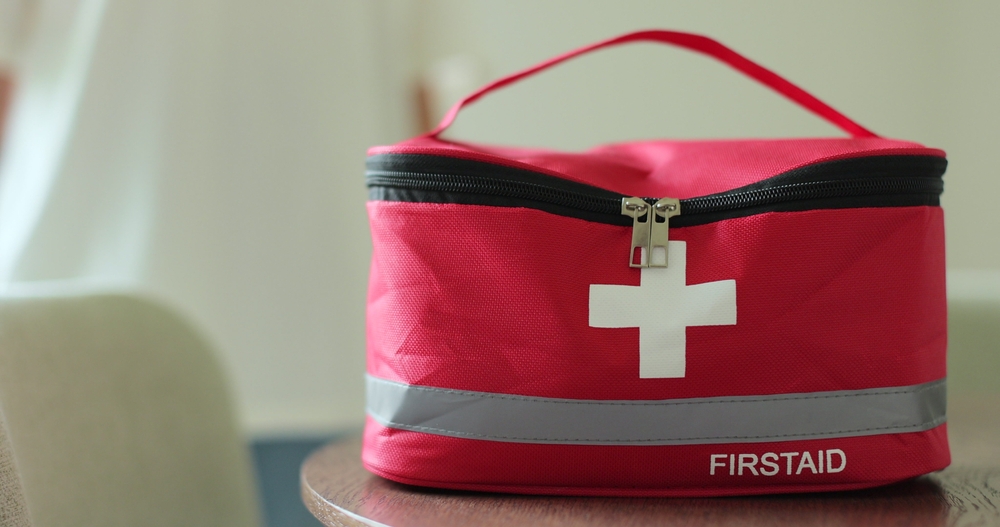
This extraordinary story must also serve as a practical catalyst for proactive disaster preparation. Families living in regions vulnerable to earthquakes, severe storms, or wildfires should immediately incorporate their pets into their emergency evacuation protocols so that no animal is left behind during a frantic escape. Assembling a dedicated pet “go-bag”—stocked with a 72-hour supply of food and water, essential medications, a sturdy leash, and physical copies of veterinary records—is a critical first step. Furthermore, keeping microchip information up to date and maintaining secure, visible identification collars can be the decisive factor in facilitating a rescue and reunion, ensuring that if the unthinkable happens, families are ready to protect every member of their household.