
Your cart is currently empty!
Bronx Zoo May Send Its Last Elephant to a 3,000-Acre Sanctuary After Decades in New York
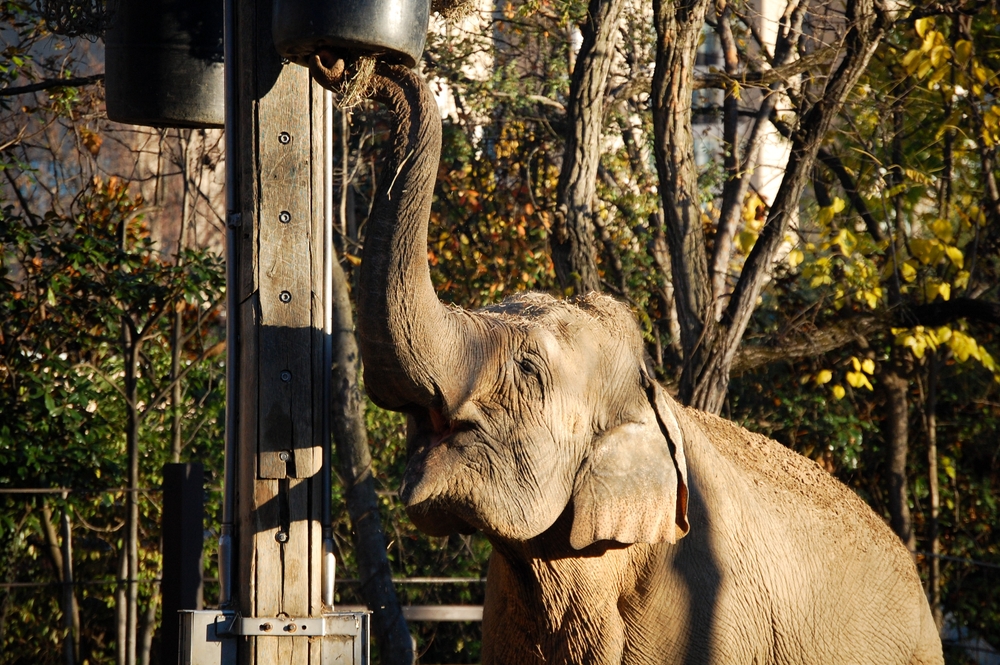
For more than five decades, Patty has been one of the Bronx Zoo’s most recognizable residents, quietly spending her days in the same home while generations of visitors watched her grow older. Now, after the recent death of fellow Asian elephant Happy, zoo officials are facing one of the most difficult decisions in the institution’s history. Instead of replacing the elephant herd, they are considering whether Patty should leave New York altogether and spend the rest of her life at a massive elephant sanctuary hundreds of miles away in Tennessee.
Contents
show
The decision has reignited conversations about elephant welfare, aging animals in captivity, and whether highly intelligent, deeply social creatures are better off remaining in familiar surroundings or taking the risk of starting over in a completely new environment. While animal rights groups have long pushed for Patty’s relocation, zoo officials insist their only priority is determining what will genuinely give the 57-year-old elephant the highest quality of life during her remaining years.
Bronx Zoo Officials Are Weighing a Life-Changing Decision
The Bronx Zoo has confirmed that it is actively evaluating whether Patty should be transferred to The Elephant Sanctuary in Hohenwald, Tennessee, a 3,000-acre refuge that currently provides lifelong care for 12 elephants. The sanctuary is widely regarded as one of the largest protected environments for retired elephants in North America, offering vast open spaces where animals can roam more naturally while receiving specialized veterinary care.
The discussions began shortly after the death of Happy, another longtime Bronx Zoo resident whose passing in late May left Patty as the only remaining elephant not just at the Bronx Zoo, but in all of New York City’s zoos. Happy had been euthanized after experiencing worsening health problems associated with old age, including severe arthritis and declining organ function. A later examination also revealed multiple inoperable uterine tumors, reinforcing the difficult decision made by the zoo’s veterinary team.
Craig Piper, the Bronx Zoo’s interim director, said the organization is carefully examining every possible outcome before making such a significant decision. Rather than rushing toward a conclusion, zoo leadership wants to ensure that every benefit and every potential risk is thoroughly understood before Patty’s future is determined.
“We want to make sure that we do the best thing for Patty,” Piper said while discussing the ongoing evaluation. He added that the zoo’s elephant specialists recently traveled to Tennessee to inspect the sanctuary firsthand, meet its staff, and determine whether the environment would truly meet Patty’s needs. “We want to make sure that we feel that it would be the right move for her, and the risks would be outweighed by the potential gains,” he explained.
Why Moving Patty Is Far More Complicated Than It Sounds
For many observers, the solution appears straightforward. Elephants are known to be highly social animals, and the Tennessee sanctuary already houses a thriving group of elephants living in expansive natural habitats. On the surface, relocating Patty to join them may seem like the obvious choice.
Zoo officials, however, say the reality is much more complicated. Patty has lived at the Bronx Zoo since 1973, meaning she has spent more than half a century in the same environment. Over those decades she has formed strong relationships with the animal care staff, many of whom have worked alongside her for nearly 30 years. Those keepers uFor more than five decades, Patty has been one of the Bronx Zoo’s most recognizable residents, quietly spending her days in the same home while generations of visitors watched her grow older. Now, after the recent death of fellow Asian elephant Happy, zoo officials are facing one of the most difficult decisions in the institution’s history. Instead of replacing the elephant herd, they are considering whether Patty should leave New York altogether and spend the rest of her life at a massive elephant sanctuary hundreds of miles away in Tennessee.
The decision has reignited conversations about elephant welfare, aging animals in captivity, and whether highly intelligent, deeply social creatures are better off remaining in familiar surroundings or taking the risk of starting over in a completely new environment. While animal rights groups have long pushed for Patty’s relocation, zoo officials insist their only priority is determining what will genuinely give the 57-year-old elephant the highest quality of life during her remaining years.
Bronx Zoo Officials Are Weighing a Life-Changing Decision
The Bronx Zoo has confirmed that it is actively evaluating whether Patty should be transferred to The Elephant Sanctuary in Hohenwald, Tennessee, a 3,000-acre refuge that currently provides lifelong care for 12 elephants. The sanctuary is widely regarded as one of the largest protected environments for retired elephants in North America, offering vast open spaces where animals can roam more naturally while receiving specialized veterinary care.
The discussions began shortly after the death of Happy, another longtime Bronx Zoo resident whose passing in late May left Patty as the only remaining elephant not just at the Bronx Zoo, but in all of New York City’s zoos. Happy had been euthanized after experiencing worsening health problems associated with old age, including severe arthritis and declining organ function. A later examination also revealed multiple inoperable uterine tumors, reinforcing the difficult decision made by the zoo’s veterinary team.
Craig Piper, the Bronx Zoo’s interim director, said the organization is carefully examining every possible outcome before making such a significant decision. Rather than rushing toward a conclusion, zoo leadership wants to ensure that every benefit and every potential risk is thoroughly understood before Patty’s future is determined.
“We want to make sure that we do the best thing for Patty,” Piper said while discussing the ongoing evaluation. He added that the zoo’s elephant specialists recently traveled to Tennessee to inspect the sanctuary firsthand, meet its staff, and determine whether the environment would truly meet Patty’s needs. “We want to make sure that we feel that it would be the right move for her, and the risks would be outweighed by the potential gains,” he explained.
Why Moving Patty Is Far More Complicated Than It Sounds
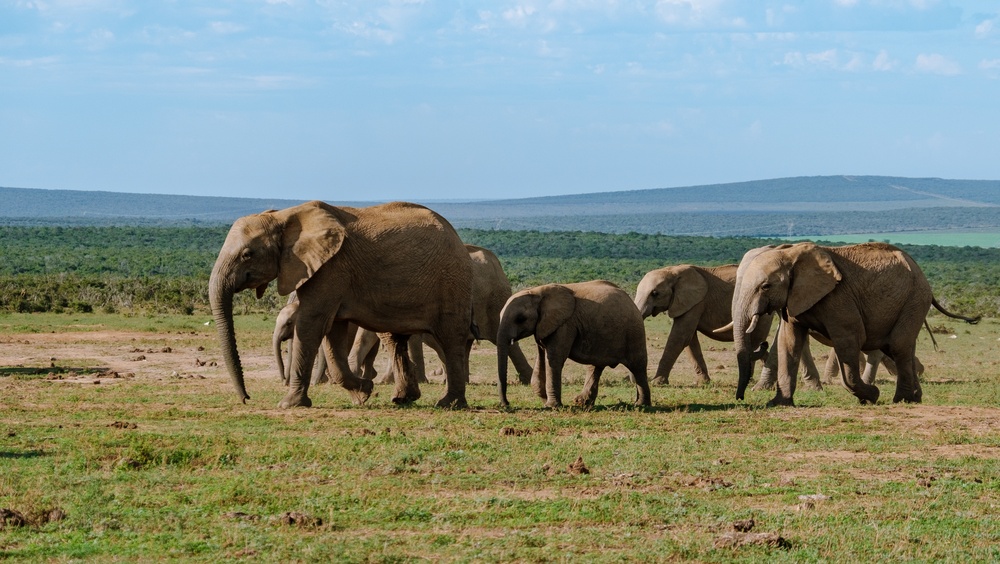
For many observers, the solution appears straightforward. Elephants are known to be highly social animals, and the Tennessee sanctuary already houses a thriving group of elephants living in expansive natural habitats. On the surface, relocating Patty to join them may seem like the obvious choice.
Zoo officials, however, say the reality is much more complicated. Patty has lived at the Bronx Zoo since 1973, meaning she has spent more than half a century in the same environment. Over those decades she has formed strong relationships with the animal care staff, many of whom have worked alongside her for nearly 30 years. Those keepers understand her daily routines, recognize subtle changes in her behavior, know her complete medical history, and have earned a level of trust that takes decades to build.
Because of Patty’s advanced age, relocating her would involve much more than simply transporting her to another facility. Wildlife Conservation Society officials explained that preparations alone would likely take at least a year. During that time, Patty would undergo voluntary training designed to help her become comfortable entering a transport crate on her own, reducing stress and making the journey as safe as possible. Even with careful planning, transporting a geriatric elephant across several states carries unavoidable physical and emotional risks that must be carefully considered before any final decision is made.nderstand her daily routines, recognize subtle changes in her behavior, know her complete medical history, and have earned a level of trust that takes decades to build.
Because of Patty’s advanced age, relocating her would involve much more than simply transporting her to another facility. Wildlife Conservation Society officials explained that preparations alone would likely take at least a year. During that time, Patty would undergo voluntary training designed to help her become comfortable entering a transport crate on her own, reducing stress and making the journey as safe as possible. Even with careful planning, transporting a geriatric elephant across several states carries unavoidable physical and emotional risks that must be carefully considered before any final decision is made.
Why Experts Say Elephants Should Never Live Alone
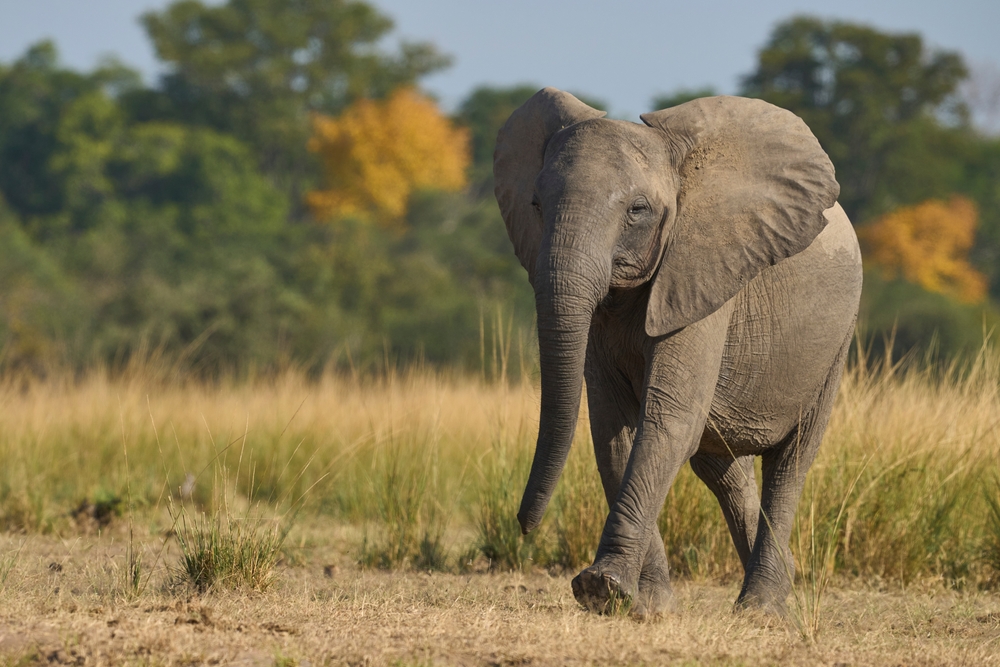
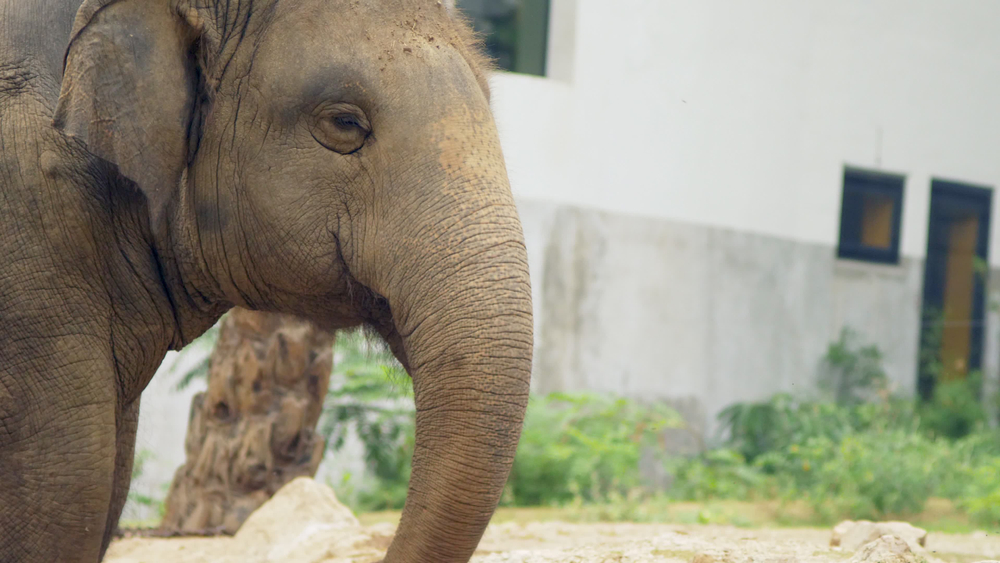
One of the biggest factors influencing the Bronx Zoo’s decision is the simple fact that elephants are among the most social mammals on Earth. In the wild, female Asian elephants spend nearly their entire lives surrounded by family members, living in close-knit herds led by an older matriarch. These groups provide protection, companionship, and opportunities for learning, with younger elephants relying on older females to teach them everything from finding food to caring for calves. Decades of research have shown that these social bonds play a major role in an elephant’s emotional well-being.
Because of this, the Association of Zoos and Aquariums (AZA) strongly recommends against housing a single female elephant by herself. Although accredited zoos can apply for special exemptions under certain circumstances, the organization says elephants generally thrive when they have opportunities to interact with members of their own species. AZA President Dan Ashe summarized that philosophy in just a few words: “Social animals should be in a social setting.”
That recommendation has fueled calls from many animal welfare advocates who believe Patty would benefit from living alongside other elephants at the Tennessee sanctuary. The refuge’s 3,000-acre landscape offers open fields, forests, ponds, and established elephant herds that more closely resemble the kind of environment elephants naturally experience in the wild. Supporters argue that even late in life, social interaction could improve Patty’s overall quality of life.
The Wildlife Conservation Society agrees that companionship is an important consideration, but says it cannot be viewed in isolation. Officials explain that every elephant is different, particularly older animals with unique medical histories and personalities. Factors such as Patty’s health, previous social behavior, ability to adapt to unfamiliar elephants, and the risks of long-distance transport all have to be weighed before reaching a final decision. They also point out that some elderly elephants living in sanctuaries remain separated from others because of health issues or behavioral conflicts, meaning a sanctuary is not automatically the perfect solution for every elephant.
The Factors Zoo Officials Are Considering
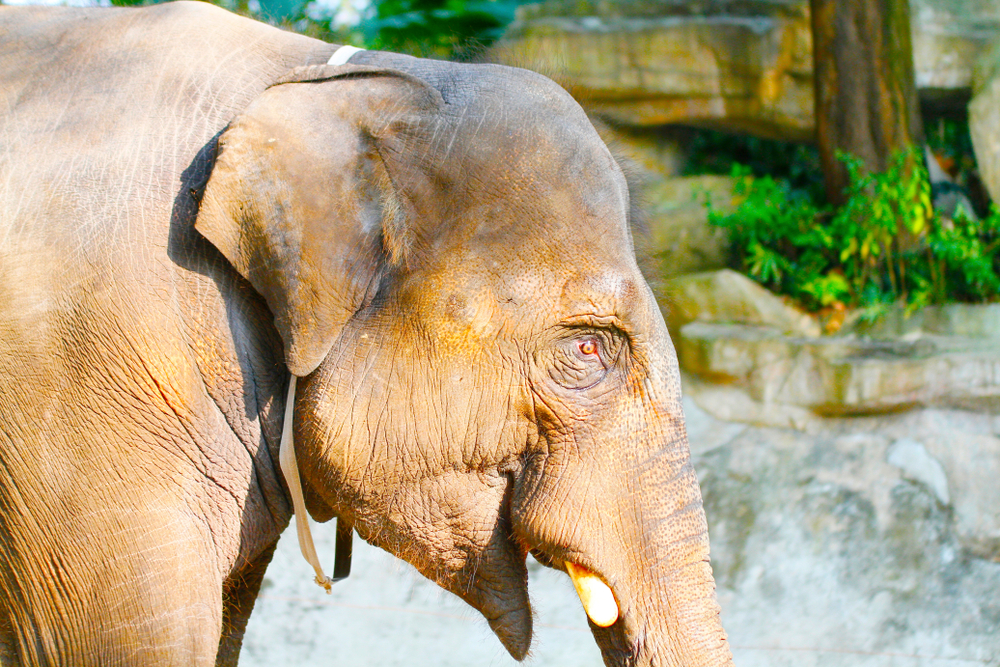
Before deciding whether Patty should relocate, experts are carefully evaluating several key issues:
- Patty’s advanced age and overall physical health.
- The risks involved in transporting a 57-year-old elephant across multiple states.
- Whether she could successfully bond with unfamiliar elephants.
- The benefits of remaining with the keepers who have cared for her for decades.
- The potential advantages of living in a much larger, more natural environment.
Zoo officials have emphasized that no single factor will determine Patty’s future. Instead, they say the final decision will be based on what offers her the greatest long-term welfare.
Happy’s Legacy Changed the Animal Rights Movement
The discussion surrounding Patty’s future cannot be separated from the extraordinary legacy left behind by Happy, the elephant whose life transformed conversations about animal rights across the United States. Although she spent decades living quietly at the Bronx Zoo, Happy eventually became the center of one of the most closely watched legal battles involving animals in modern history.
In 2018, the Nonhuman Rights Project launched an unprecedented lawsuit on Happy’s behalf, arguing that the elephant should be legally recognized as a person with a right to bodily liberty. The organization filed a petition for habeas corpus, a centuries-old legal protection traditionally used by people challenging unlawful imprisonment. It was the first time such a legal strategy had been used to argue that an elephant deserved freedom from captivity.
The case attracted international attention as it moved through New York’s court system before ultimately reaching the state’s highest court. In 2022, the New York Court of Appeals ruled against Happy in a 5-2 decision, allowing the Bronx Zoo to continue caring for her. While the ruling favored the zoo, many legal scholars viewed the case as a turning point because two judges issued powerful dissenting opinions recognizing Happy’s remarkable intelligence and emotional capacity.
One of those judges, Rowan Wilson, who now serves as New York’s Chief Judge, wrote that Happy displayed cognitive and emotional abilities that established “a prima facie case that her present confinement is unjust.” Although the opinion did not change the outcome of the case, it quickly became one of the most discussed judicial statements in the growing animal rights movement.
Harvard Law professor and New Yorker staff writer Jill Lepore later described the dissenting opinions as highly influential, noting that they continue to shape legal discussions involving the rights of intelligent animals around the world. For advocates, Happy’s story became much larger than the fate of a single elephant. It opened new conversations about how society should define personhood, intelligence, and the ethical treatment of animals living in captivity.
The Elephant Who Recognized Herself in a Mirror
Long before her courtroom battle made headlines, Happy had already secured a place in scientific history through an experiment that fundamentally changed how researchers viewed elephant intelligence.
In 2005, scientists from Columbia University and Emory University conducted a groundbreaking study at the Bronx Zoo to determine whether elephants possessed self-awareness. The researchers used what’s known as the “mirror self-recognition test,” an experiment that had previously been passed by only a handful of species, including chimpanzees and dolphins.
During the study, researchers secretly painted a white “X” above Happy’s eye in a location she could only see by looking into a mirror. If Happy understood that the reflection belonged to her own body rather than another elephant, scientists expected she would attempt to touch the mark.
That is exactly what happened.
After approaching the mirror, Happy repeatedly reached toward the white X on her own forehead, touching it multiple times while ignoring another invisible mark placed elsewhere on her body. The behavior demonstrated that she recognized herself in the reflection, making her the first elephant ever confirmed to pass the mirror self-recognition test.
The findings were celebrated throughout the scientific community because self-recognition is widely regarded as one of the strongest indicators of advanced cognition and self-awareness. At the time, very few nonhuman animals had demonstrated the same ability, placing elephants among an exceptionally small group of species capable of recognizing themselves.
Patty also participated in that landmark research alongside another elephant named Maxine. Although neither elephant formally passed the mirror test, researchers observed several forms of self-directed behavior, including examining themselves and eating while standing in front of the mirror. Today, Patty is the only surviving participant from that historic experiment, making her one of the last living links to one of the most important studies ever conducted on elephant intelligence.
A Century of Elephants at the Bronx Zoo Is Coming to an End
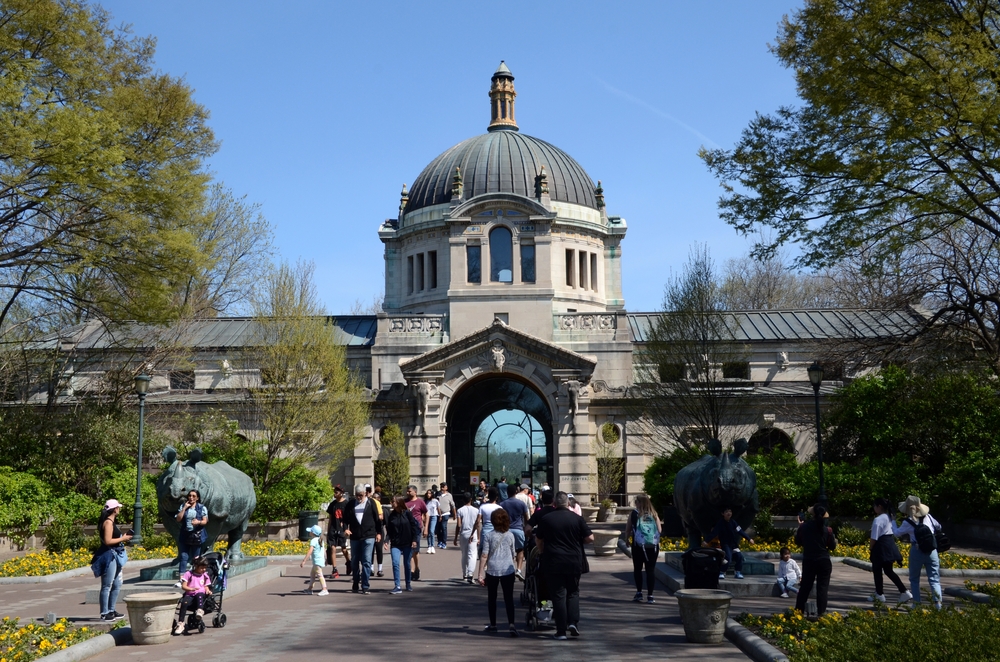
For generations of New Yorkers, elephants have been one of the defining attractions at the Bronx Zoo. The institution has cared for elephants for well over a century, with the first residents arriving in the early 1900s. Back then, visitors gathered around the zoo’s grand Beaux-Arts Elephant House, an iconic building topped with a distinctive copper dome that became one of the park’s most recognizable landmarks.
As the zoo evolved, so did its approach to elephant care. The animals were eventually moved into the larger Wild Asia exhibit, where they lived in more spacious outdoor habitats and could be viewed from the popular monorail ride. Millions of visitors watched the elephants over the decades, making them one of the zoo’s biggest attractions and an important part of countless childhood memories.
Behind the scenes, however, the Wildlife Conservation Society had already begun planning for a future without elephants. In 2006, the organization announced that it would no longer acquire new elephants once its existing herd gradually declined. Instead of continuing the exhibit indefinitely, it chose to redirect its resources toward protecting wild elephant populations and supporting conservation projects around the world.
That long-term plan means Patty’s future carries historic significance. Whether she remains in New York or eventually relocates to Tennessee, she will be the last elephant ever to live at the Bronx Zoo. Her departure, whenever it happens, will officially close one of the zoo’s longest-running chapters.
Other Zoos Are Making Similar Decisions
The Bronx Zoo is far from the only institution reconsidering the future of its elephant program. Across North America, many major zoos have started moving aging elephants to dedicated sanctuaries that offer larger habitats and opportunities to live alongside other elephants.
The trend reflects changing views about elephant welfare as scientists continue learning more about the animals’ intelligence, emotional lives, and complex social relationships. Facilities that once showcased elephants as flagship attractions are increasingly concluding that large sanctuaries may offer better long-term living conditions for aging animals.
Several prominent zoos have already taken that step, including:
- Los Angeles Zoo, which closed its elephant exhibit as part of a broader transition away from housing the species.
- Oakland Zoo, which transferred its last remaining elephant to The Elephant Sanctuary in Tennessee in 2024.
- Louisville Zoo, which has also announced plans to retire its remaining elephants to a sanctuary designed specifically for aging animals.
These decisions have fueled broader conversations within the zoo community about how best to balance conservation, public education, veterinary care, and animal welfare. While accredited zoos continue to play an important role in protecting endangered species, many institutions now believe elephants require more space and social opportunities than traditional exhibits can realistically provide.
Animal Rights Groups Continue to Push for Patty’s Release
Following Happy’s death, animal rights organizations have renewed their calls for Patty to be moved to Tennessee, arguing that no elephant should spend her remaining years living alone.
The Nonhuman Rights Project, which spent years fighting Happy’s legal case, says Patty deserves the opportunity to live among other elephants in a setting designed specifically for retired animals. Executive Director Christopher Berry has publicly urged the Bronx Zoo to transfer her, describing continued solitary captivity as an injustice for such an intelligent and social species.
The Wildlife Conservation Society says it understands those concerns but insists that outside pressure will not determine Patty’s future. According to zoo officials, the decision will be based entirely on scientific evidence, veterinary expertise, and Patty’s individual needs rather than public campaigns or legal activism.
To help inform that process, Craig Piper and three members of the elephant care team traveled to Tennessee in June to tour the sanctuary, inspect its facilities, and meet with staff responsible for caring for the resident elephants. Officials there have declined to comment publicly on any discussions involving Patty, saying they cannot discuss potential future residents.
Even if the zoo ultimately decides that relocation is the right choice, the move would not happen quickly. Patty would first undergo extensive voluntary training designed to prepare her for transportation, and the entire process could take well over a year before she ever leaves New York.
Patty’s Future Represents a Bigger Shift in Elephant Care
The decision facing the Bronx Zoo extends beyond the future of one elderly elephant. It reflects a much larger shift in how accredited zoos, scientists, and animal welfare experts think about caring for one of the planet’s most intelligent species.
Modern research has revealed that elephants possess remarkable memories, complex emotions, sophisticated communication skills, and deep family bonds that can last a lifetime. Those discoveries have prompted many institutions to reconsider whether traditional zoo environments can fully meet the needs of animals that naturally roam vast landscapes and rely heavily on lifelong social relationships.
At the same time, Patty’s situation highlights how difficult these decisions can become when an elephant reaches an advanced age. Remaining in a familiar environment with trusted keepers offers stability and continuity, while moving to a sanctuary presents opportunities for greater space and potential companionship. Neither option is without risk, leaving experts to weigh two very different visions of what constitutes the best possible quality of life.
For now, Patty continues her daily routine at the Bronx Zoo while veterinarians, caregivers, and wildlife specialists carefully evaluate every possibility. Whatever they ultimately decide, the outcome will mark the end of more than a century of elephant history at one of America’s most famous zoos and could become another defining moment in the ongoing conversation about how humans care for the world’s most extraordinary animals.