
Your cart is currently empty!
Mexico Just Changed the Future for 350 Captive Dolphins With One Historic Law
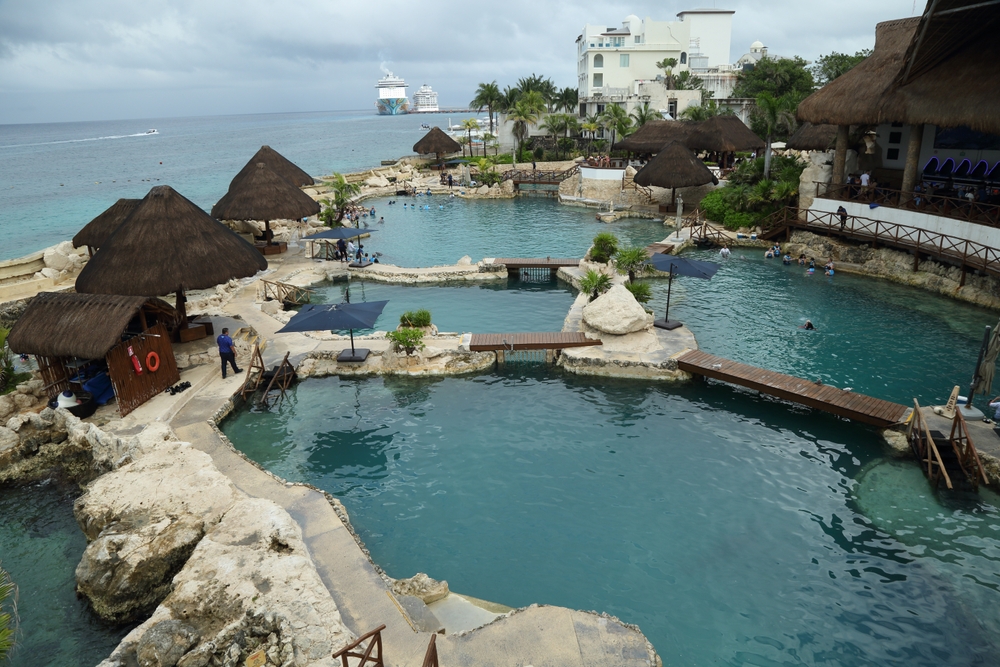
For decades, dolphin shows have been woven into the tourist experience across Mexico. Visitors flocked to marine parks and luxury resorts to watch bottlenose dolphins leap through hoops, perform synchronized tricks, and interact with guests during popular swim-with-dolphin experiences. Behind the applause, however, animal welfare organizations argued that many of these intelligent marine mammals were spending their lives in confined concrete tanks, far removed from the vast oceans where they naturally travel dozens of miles each day. After years of campaigning, scientific research, and growing public concern, Mexico has now taken a step that many conservationists once believed was impossible.
Contents
show
In a landmark decision, lawmakers unanimously approved sweeping amendments to the country’s General Wildlife Law that prohibit the use of dolphins, sea lions, orcas, and other marine mammals in captive entertainment. The legislation not only ends dolphin shows across the country but also sets in motion an ambitious plan to relocate an estimated 350 captive dolphins into large coastal sanctuaries where they can begin living in more natural surroundings. For campaigners, it represents one of the biggest victories for marine animal welfare in recent years and could influence how other countries approach dolphin captivity in the future.
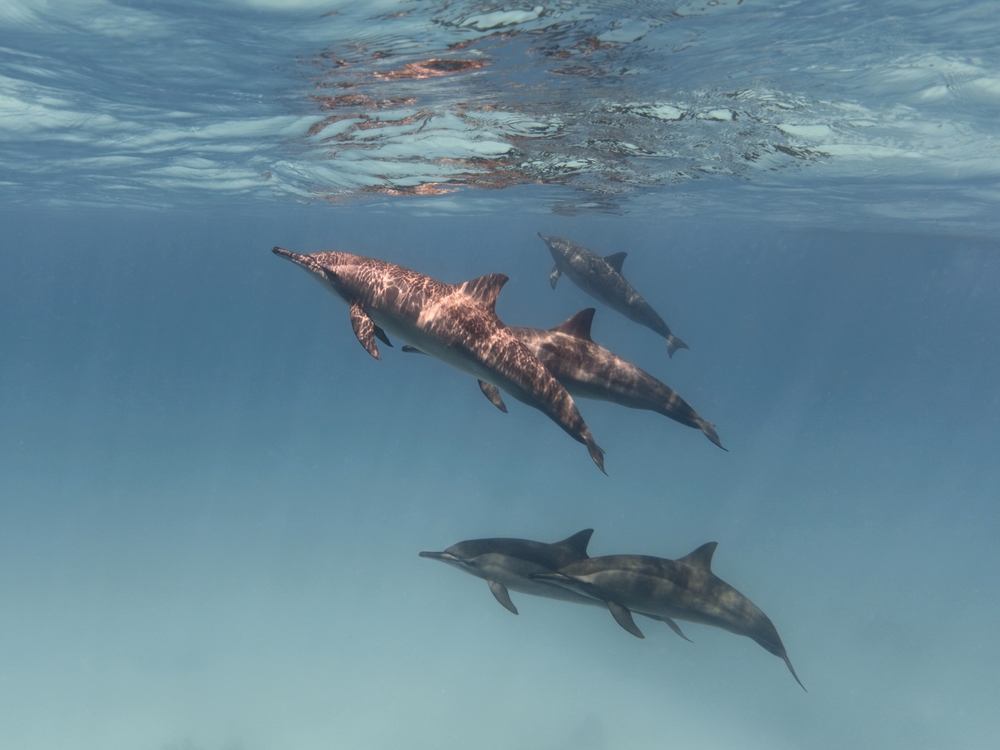
Mexico Has Officially Ended Marine Mammal Entertainment
The historic legislation received unanimous backing from both the Mexican Senate and the Chamber of Deputies, making it one of the country’s strongest wildlife protection measures in recent history. The amendment to the General Wildlife Law immediately bans the use of marine mammals in fixed and traveling entertainment shows, ending an industry that has attracted millions of tourists for decades. Dolphins, orcas, sea lions, and other marine mammals can no longer be kept solely for performances designed to entertain visitors.
The law also introduces restrictions that extend well beyond public shows. Authorities have prohibited the capture of marine mammals from the wild, banned captive breeding programs intended to supply entertainment facilities, and limited their care to activities directly connected with conservation, species preservation, or scientifically supported reintroduction efforts. These measures are designed to ensure that future generations of marine mammals are no longer bred into captivity for commercial purposes.
Dr. Claudia Edwards, Programs Director for Humane World for Animals Mexico, described the legislation as a defining moment for wildlife protection in the country. She said the vote represented “a decisive move toward ending the exploitation of whales, dolphins and other marine mammals for entertainment” while marking “a major stride forward in animal welfare and conservation efforts in Mexico.” She also praised lawmakers for reaffirming Mexico’s commitment to protecting wildlife and promoting a more sustainable relationship between people and animals.
Although the law takes effect immediately, the government will spend the next year developing detailed regulations that govern how existing facilities comply with the new requirements. Dolphinariums must now work alongside environmental authorities during what is expected to be one of the largest marine mammal welfare transitions ever undertaken in the country.
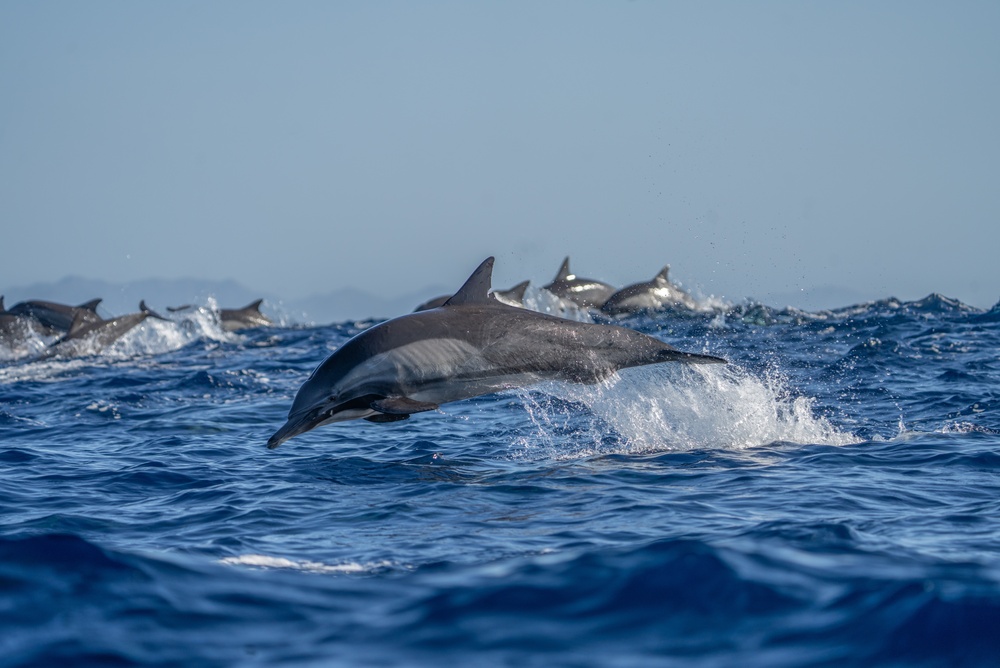
Around 350 Dolphins Will Now Be Relocated to Coastal Sanctuaries
While ending marine animal shows is the headline change, the legislation also addresses the future of the hundreds of dolphins already living in captivity. Conservation groups estimate that around 350 dolphins are currently housed in facilities across Mexico, accounting for almost 10 percent of all captive dolphins worldwide. Rather than allowing these animals to remain in entertainment venues indefinitely, the new law requires operators to begin relocating them to specially designed sea sanctuaries where they can live in conditions much closer to their natural habitat.
Unlike the concrete tanks commonly found at dolphinariums, sea sanctuaries are enclosed areas built within sheltered coastal waters. These protected sea pens expose dolphins to natural seawater, tides, changing weather, and larger swimming areas while still allowing trained specialists to monitor their health. Experts say these environments offer significantly better physical and psychological conditions than traditional pools, helping dolphins regain behaviors that have often been suppressed during years of captivity.
Not every dolphin will be released into the wild, however. Many animals have spent most or all of their lives under human care and may lack the hunting skills or survival instincts needed to live independently. Each dolphin will undergo careful assessments before any decision is made about possible reintroduction, ensuring that animal welfare remains the priority throughout the transition.
The law also requires facility owners to provide the Ministry of Environment with detailed records for every dolphin in their care, including photographs and microchip identification numbers. Government inspectors will conduct regular welfare checks, while operators who fail to comply with the new regulations could face significant financial penalties.
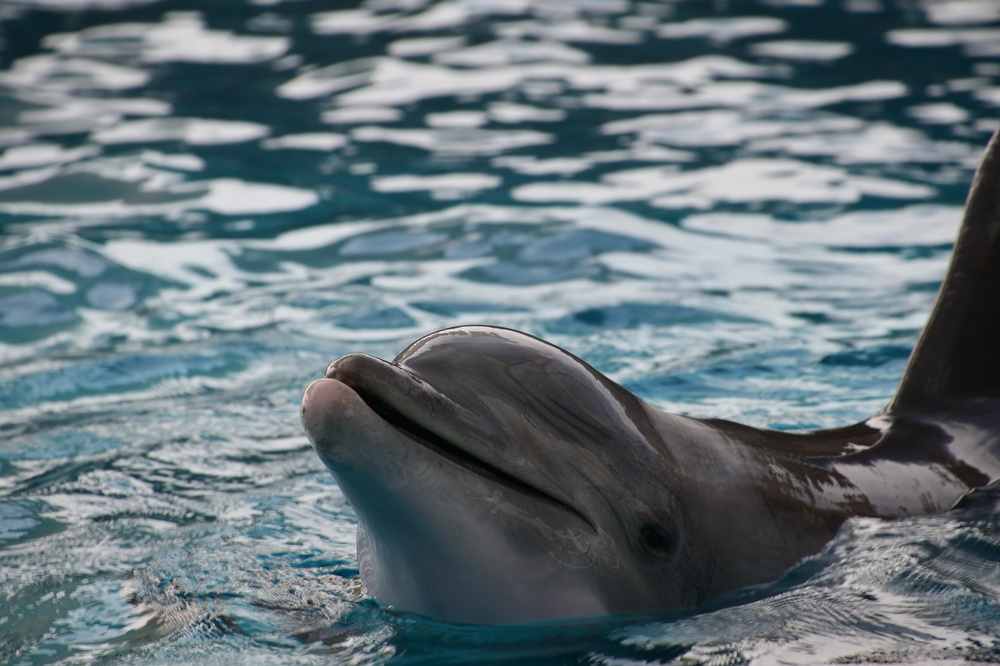
Mincho’s Tragic Accident Became the Turning Point
Although campaigners had spent years calling for tighter regulations, one incident dramatically shifted public opinion. In 2020, a bottlenose dolphin named Mincho was performing during a show at the Barceló Maya Grand Resort in Quintana Roo when a jump went terribly wrong. Instead of landing safely in the water, Mincho struck the edge of a concrete platform head-first, an accident that was captured on video and quickly spread across social media.
The investigation that followed revealed troubling details about the dolphin’s condition. Authorities found that Mincho was suffering from chronic keratitis in both eyes, leaving him completely blind in one eye and with only partial vision in the other. Even more alarming was the discovery that he had reportedly returned to performing just two days after the accident, despite veterinary advice recommending a longer recovery period.
Inspectors uncovered additional welfare concerns at the facility, including excessive numbers of tourists participating in swim-with-dolphin experiences and water conditions that failed to meet appropriate standards. The Federal Attorney for Environmental Protection (PROFEPA) ordered the immediate closure of the dolphinarium and fined the company 7.5 million pesos, equivalent to roughly $395,000.
For many Mexicans, Mincho became the face of an industry that critics argued had prioritized profits over animal welfare for decades. When President Claudia Sheinbaum later signed the legislation into law, it became widely known as Mincho’s Law, recognizing the dolphin whose story helped ignite nationwide reform.
Why Scientists Say Dolphins Struggle in Captivity
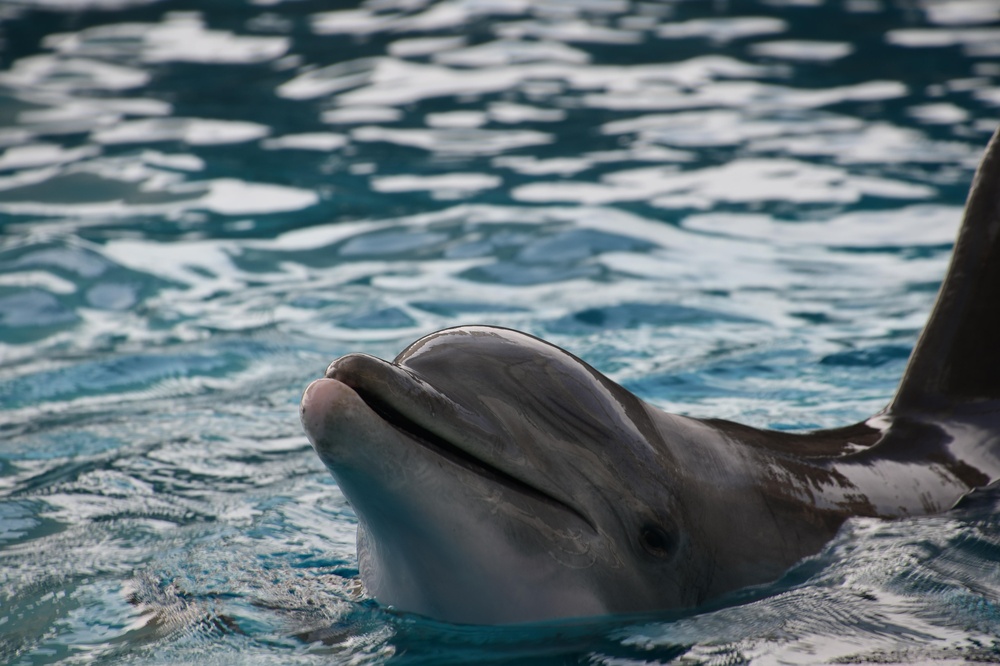
The debate over dolphin shows extends far beyond entertainment. Marine biologists have long argued that dolphins possess complex physical, social, and cognitive needs that cannot be replicated inside artificial pools. In the wild, bottlenose dolphins may travel more than 60 miles in a single day, dive hundreds of feet below the surface, and communicate using sophisticated vocalizations while maintaining lifelong family relationships.
Captivity dramatically limits those natural behaviors. Dolphins housed in relatively small tanks cannot hunt, explore, or migrate as they would in the open ocean. Instead, many spend years repeating trained routines several times each day, often interacting with large numbers of tourists through swim programs and scheduled performances. Animal welfare organizations argue that these repetitive environments can lead to chronic stress and behavioral problems.
Dr. Yolanda Alaniz Pasini, a consultant with Conservation of Marine Mammals of Mexico, has warned that prolonged confinement can have serious neurological consequences. She explained that captive dolphins frequently develop stereotypic behaviors, repetitive movements with no apparent purpose, alongside aggression and symptoms associated with chronic stress because they have little control over their environment.
Campaigners also point to research suggesting stress contributes to many captive dolphin deaths. Cases involving self-injury, illness, and behavioral decline have repeatedly fueled international calls for stronger protections, particularly as growing scientific evidence continues to highlight the intelligence and emotional complexity of marine mammals.
Mexico Was Once One of the World’s Largest Dolphin Entertainment Markets
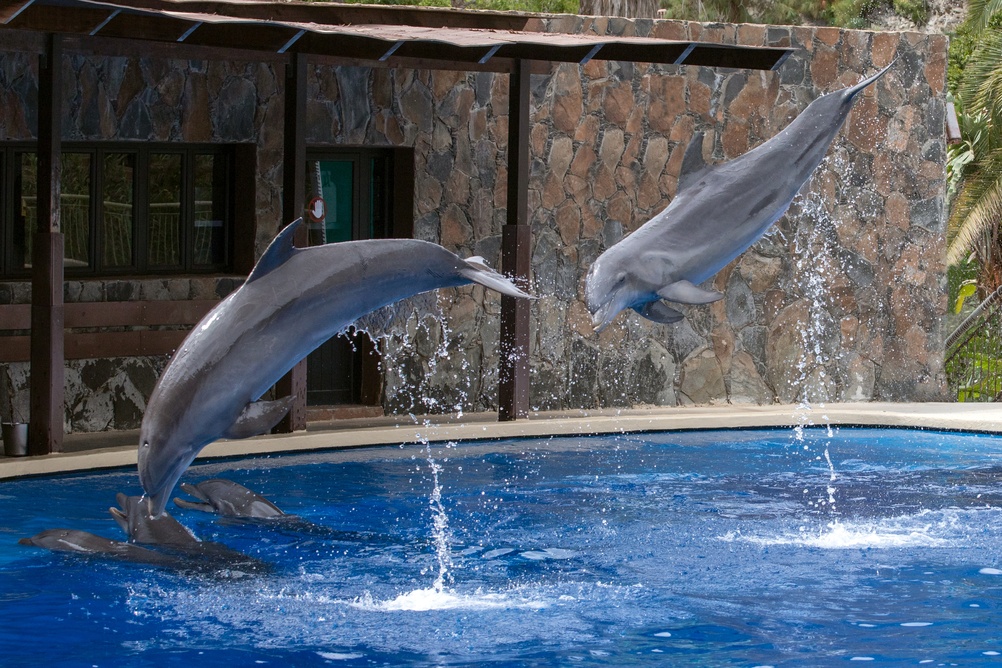
For decades, Mexico developed one of the largest dolphin entertainment industries anywhere in the world. Beginning in the 1970s, marine parks and luxury beach resorts increasingly incorporated dolphin attractions into their tourism offerings, allowing visitors to watch performances, pose for photographs, and participate in close-contact swimming experiences.
By recent estimates, more than 30 dolphinariums operated throughout the country, particularly in popular tourist destinations such as Cancún and the Riviera Maya. For many international visitors, dolphin encounters became a standard part of vacation packages, generating significant revenue for resorts and entertainment companies.
Animal welfare organizations, however, argued that commercial success came at the expense of the animals themselves. Dolphins were often expected to perform multiple shows each day while participating in numerous swim sessions with tourists. Critics claimed that constant human interaction, confined living conditions, and repetitive routines prevented the animals from expressing many of the natural behaviors seen in the wild.
As scientific understanding of dolphin intelligence grew, public attitudes gradually began to shift. More travelers started seeking ethical wildlife experiences rather than captive performances, while campaigns by conservation organizations increased pressure on lawmakers to modernize Mexico’s wildlife protections.
Conservation Groups Hope Other Countries Follow Mexico’s Lead
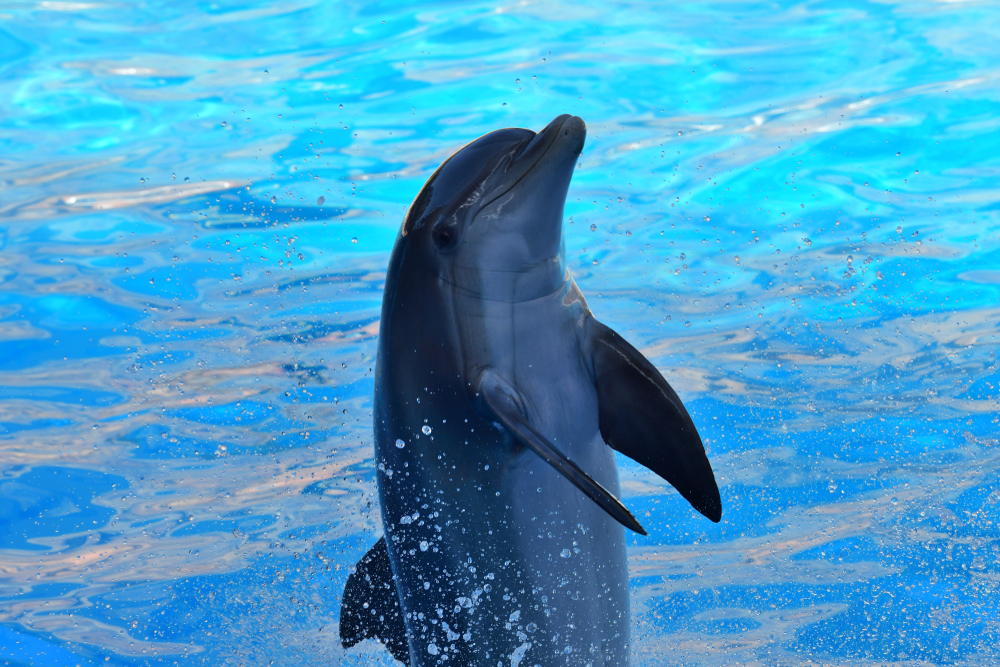
Mexico’s decision is already being viewed as one of the most significant marine animal welfare reforms in recent years. Animal protection organizations believe it could encourage other countries that still rely on dolphin entertainment to reconsider whether such attractions remain acceptable in modern tourism.
Eugenia Mora of World Animal Protection described the legislation as “a huge step forward for animals, and a historic milestone that other countries must follow.” She also emphasized the importance of ensuring that authorities carefully monitor dolphins throughout the relocation process and guarantee they are moved into environments that meet their biological and behavioral needs.
The reforms also create new opportunities for wildlife tourism. Rather than watching dolphins perform choreographed tricks inside enclosed pools, visitors are increasingly encouraged to support responsible boat tours that observe marine mammals in their natural habitats. Conservationists argue that these experiences not only provide a more authentic encounter but also help promote long-term protection of ocean ecosystems.
For the hundreds of dolphins preparing to leave captivity, the transition will take time and careful planning. Yet for many campaigners, Mexico’s decision marks a defining moment in the global conversation about marine mammal welfare. An industry that once depended on dolphins performing for crowds is now giving way to a future focused on conservation, rehabilitation, and allowing these highly intelligent animals to live in environments that more closely resemble the ocean they were born to call home.