
Your cart is currently empty!
Scientists Unearth Giant Turtle the Size of a Car That Once Roamed South America
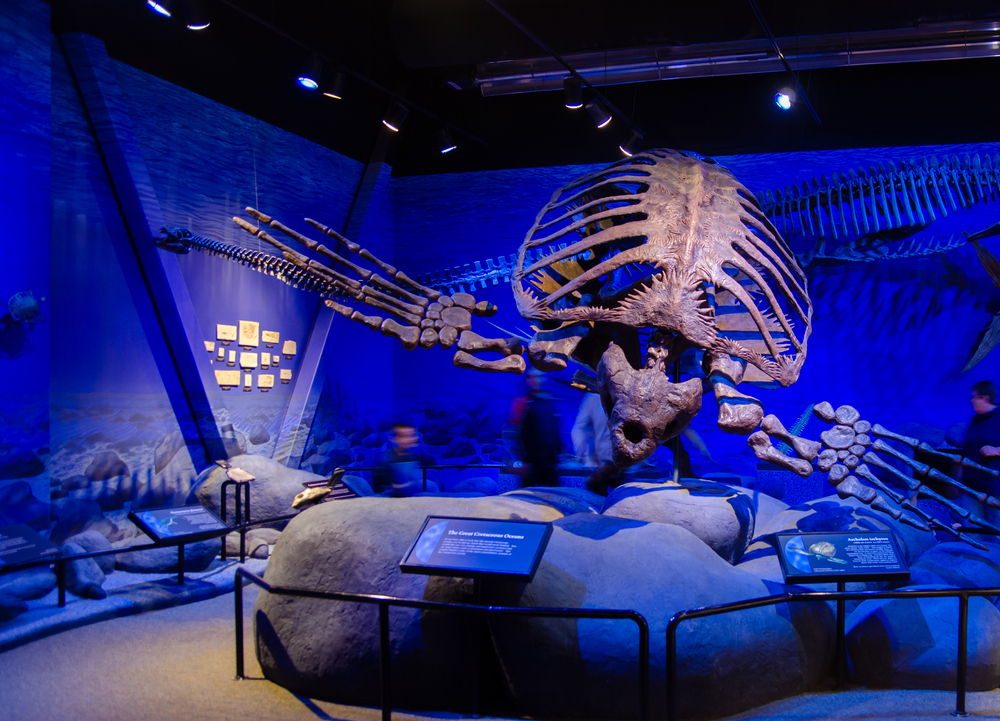
The idea of a turtle as large as a car sounds like something from a fantasy movie, but scientists say one of these colossal reptiles actually cruised through South America’s rivers millions of years ago. Newly studied fossils have revealed fresh details about Stupendemys geographicus, an enormous freshwater turtle that outweighed almost every living turtle today and carried a shell unlike anything researchers had seen before. Even after decades of fossil discoveries, this prehistoric giant continues to surprise paleontologists with clues about its appearance, lifestyle, and the dangerous world it inhabited.
Contents
show
The latest fossils, uncovered in Venezuela and Colombia, include the largest turtle shell ever documented and evidence that some males grew a pair of impressive horns on their shells. Those discoveries have allowed researchers to piece together a more complete picture of an animal that lived between five and ten million years ago, when northern South America looked vastly different from today. Instead of dense rainforests covering much of the region, enormous river systems and wetlands created the perfect habitat for some of the biggest reptiles the planet has ever known.
The Biggest Turtle Ever Found Left Scientists Amazed
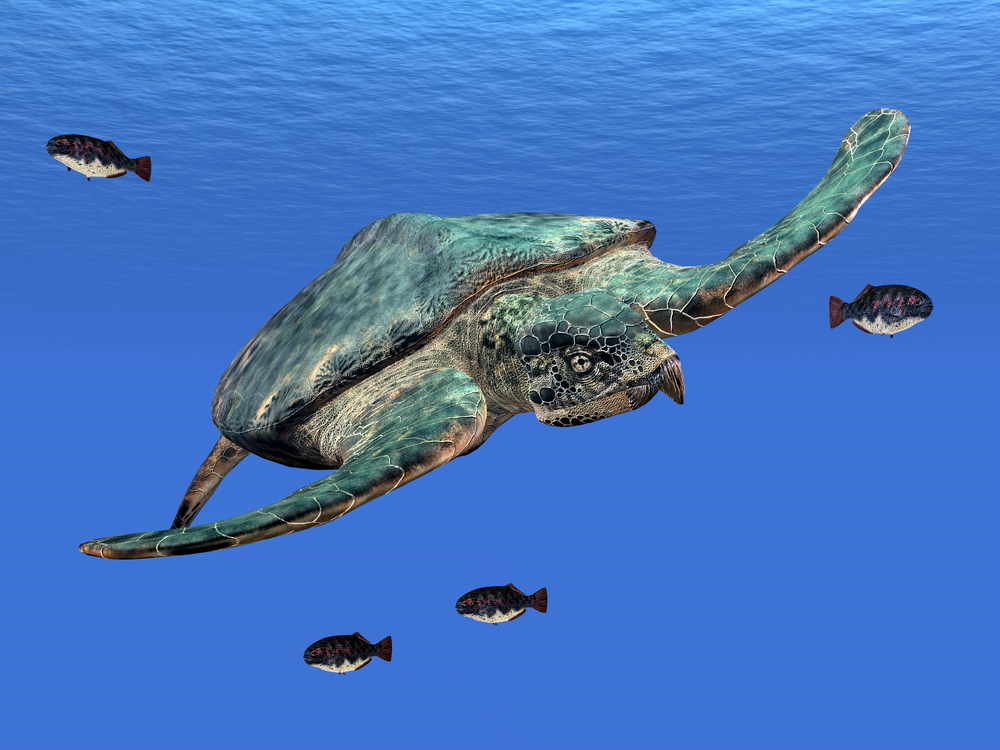
A team of paleobiologists studying fossil deposits in Venezuela and Colombia recovered exceptionally preserved remains belonging to Stupendemys geographicus, a species first identified in the 1970s. Among the discoveries was a massive upper shell,
or carapace, stretching roughly 8 feet (2.4 meters) in length. According to the researchers, no other known turtle, living or extinct, has produced a larger complete shell.
The sheer size of the animal was equally remarkable. Scientists estimate the turtle weighed around 2,500 pounds (1,145 kilograms), making it almost 100 times heavier than its closest living relative, the Amazon big-headed river turtle. That immense body would have made it one of the most dominant freshwater reptiles of its time, capable of moving through ancient lakes and rivers with very few rivals.
The Discovery Included A Feature Nobody Expected
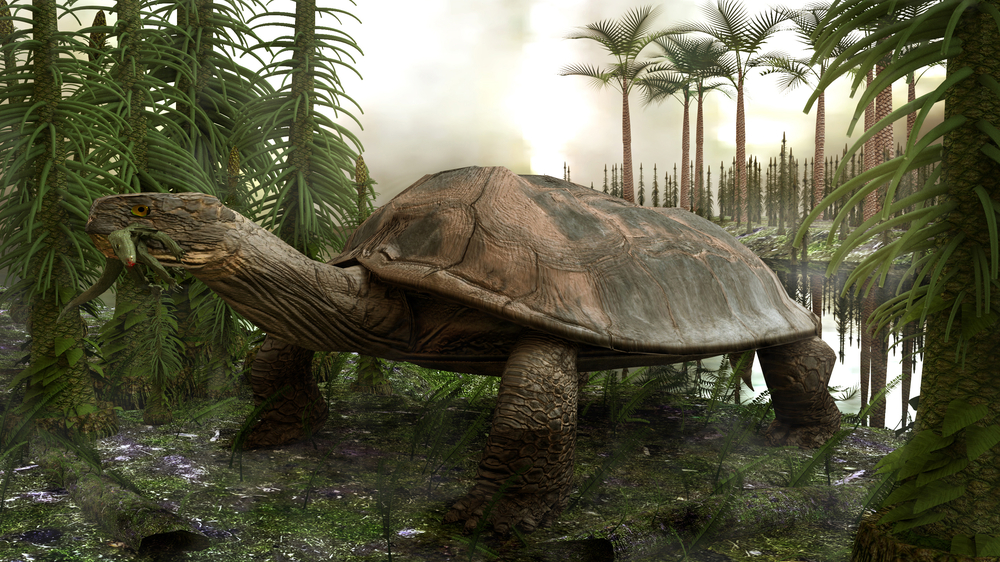
While the turtle’s size was enough to grab scientists’ attention, another discovery proved just as surprising. Several of the fossil shells showed large horn-like projections extending from the front edges of the carapace. Modern turtles rarely possess anything similar, making the find one of the most unusual features ever documented in the fossil record.
Researchers soon realized the horns were not random mutations or injuries. Instead, they represented one of the clearest examples of sexual dimorphism ever identified in side-necked turtles, meaning males and females looked noticeably different from one another.
University of Zurich paleontologist Marcelo Sánchez, who co-authored the study, explained the significance of the discovery. He said, “The two shell types indicate that two sexes of Stupendemys existed: males with horned shells, and females with hornless shells.”
The researchers believe the horns may have played an important role during competition between males. Much like antlers on deer or horns on certain mammals, these structures could have been used during battles over territory or mates. While there is no direct evidence showing these turtles fighting, the unusual adaptation suggests life in prehistoric South America was far more competitive than scientists once imagined.
A Dangerous World Filled With Giant Predators
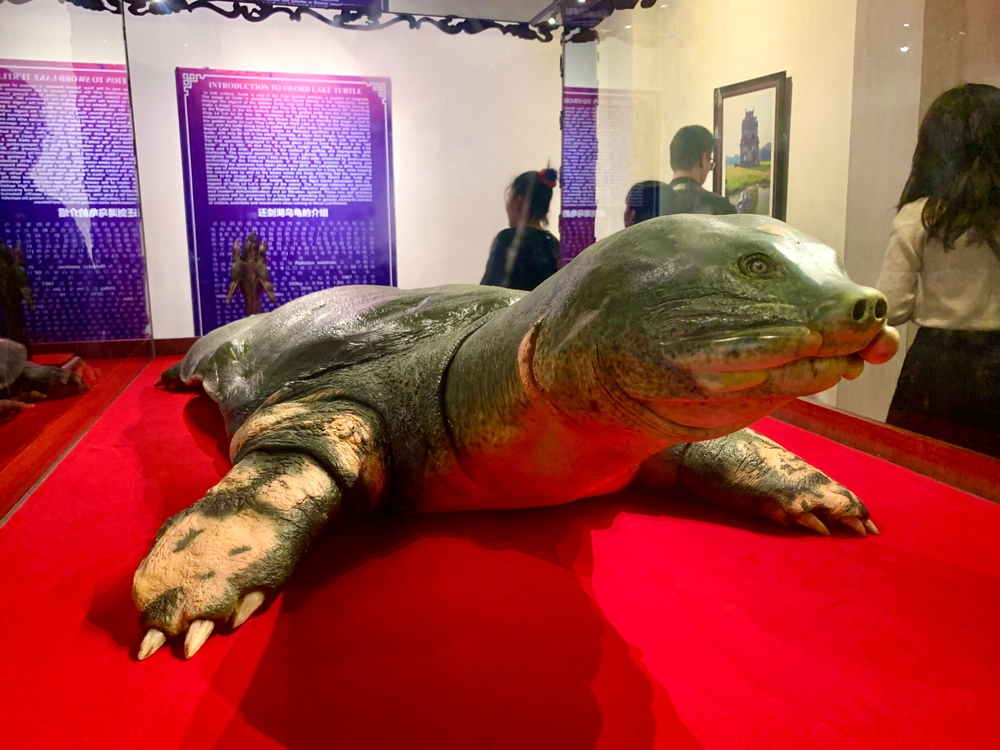
Even a turtle weighing more than a ton wasn’t safe in the ancient waterways it called home. During the late Miocene, the rivers of northern South America were filled with enormous reptiles that occupied the top of the food chain, including one of the largest caimans ever discovered.
The fossil record shows that Stupendemys frequently shared its habitat with Purussaurus, a crocodilian that could grow over 30 feet long. With crushing jaws and immense strength, it would have been one of the few predators capable of attacking a fully grown giant turtle.
Researchers found physical evidence supporting that idea. Some fossil shells contain deep bite marks and punctures that closely match the teeth of giant caimans. According to the research team, these injuries strongly suggest encounters between the two reptiles sometimes ended in violent attacks.
The scientists noted that despite its impressive armor, Stupendemys still faced serious threats. Living in waterways packed with giant predators meant survival depended not only on size but also on avoiding confrontations with animals capable of breaking through even the thickest shell.
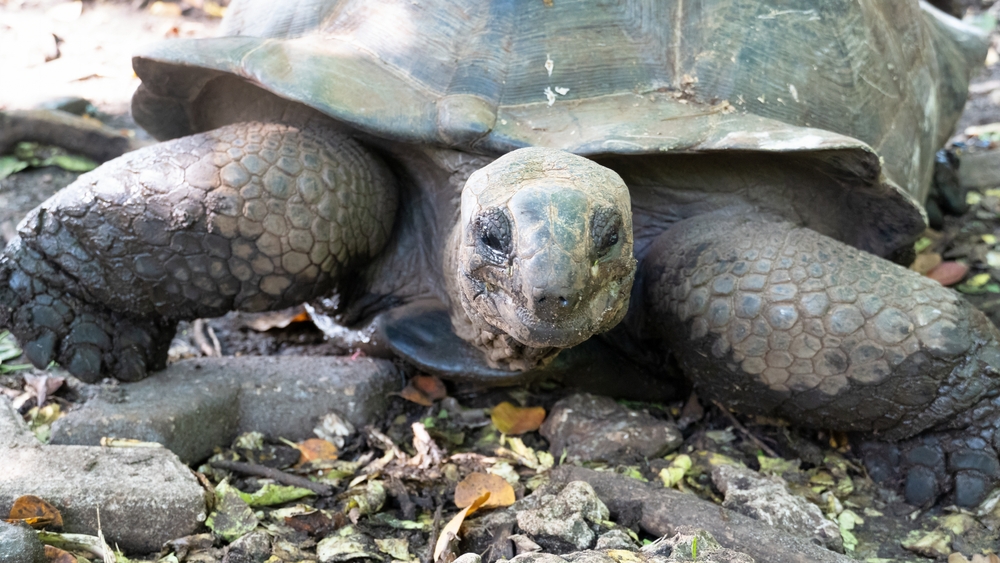
How Scientists Reconstructed An Ancient Giant
The newly discovered fossils offered much more than oversized shells. Researchers also uncovered jaws and several additional skeletal bones, giving them the most complete picture yet of how Stupendemys geographicus was built.
These remains allowed paleontologists to compare the extinct species with modern turtles in far greater detail than before. By studying the skull, jaw structure, and limb bones, the team refined the turtle’s place within the evolutionary tree and identified its closest surviving relatives.
Sánchez explained the importance of the discovery, saying, “Based on studies of the turtle anatomy, we now know that some living turtles from the Amazon region are the closest living relatives.”
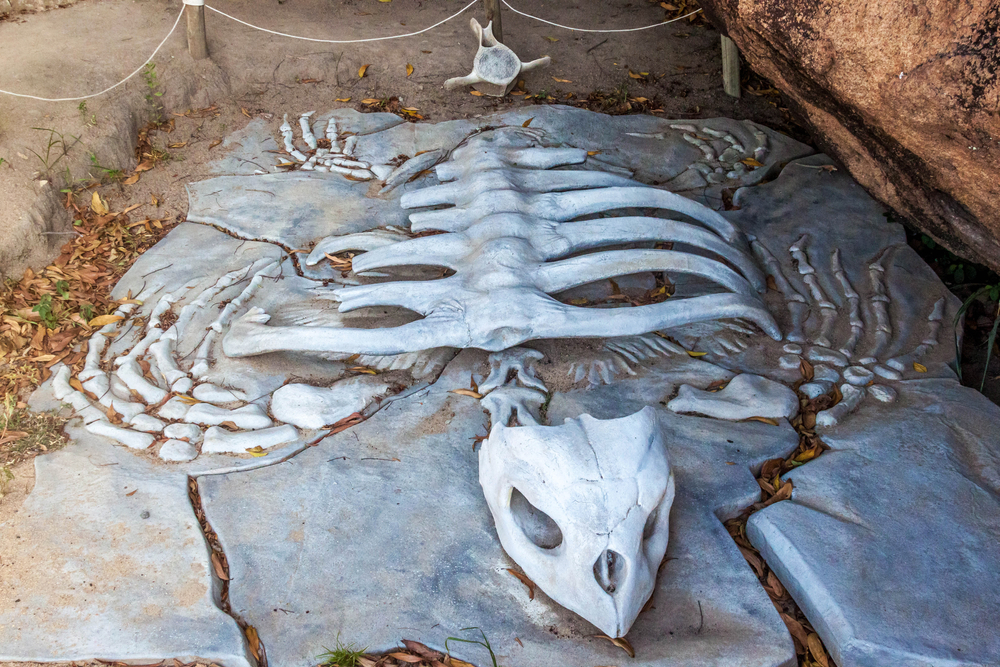
The comparison helps scientists understand how freshwater turtles evolved over millions of years. Although today’s Amazon turtles are tiny beside their prehistoric ancestor, they still preserve anatomical traits that connect them to one of the largest reptiles ever to inhabit South America’s ancient rivers.
Sources:
- Cadena, E., Scheyer, T. M., Carrillo-Briceño, J. D., Sánchez, R., Aguilera-Socorro, O. A., Vanegas, A., Pardo, M., Hansen, D. M., & Sánchez-Villagra, M. R. (2020b). The anatomy, paleobiology, and evolutionary relationships of the largest extinct side-necked turtle. Science Advances, 6(7), eaay4593. https://doi.org/10.1126/sciadv.aay4593
ancient reptiles, ancient wildlife, Colombia, dinosaur era, Edwin Cadena, evolution, extinct animals, Fossil Discovery, freshwater turtle, giant animals, giant caiman, giant turtle, giant turtle fossils, Marcelo Sánchez, paleontology, prehistoric turtle, Purussaurus, Science Advances, South America, Stupendemys, turtle fossils, Venezuela