
Your cart is currently empty!
Scientists Just Found a Sugar Drifting Through Deep Space, and It Could Rewrite the Story of Life
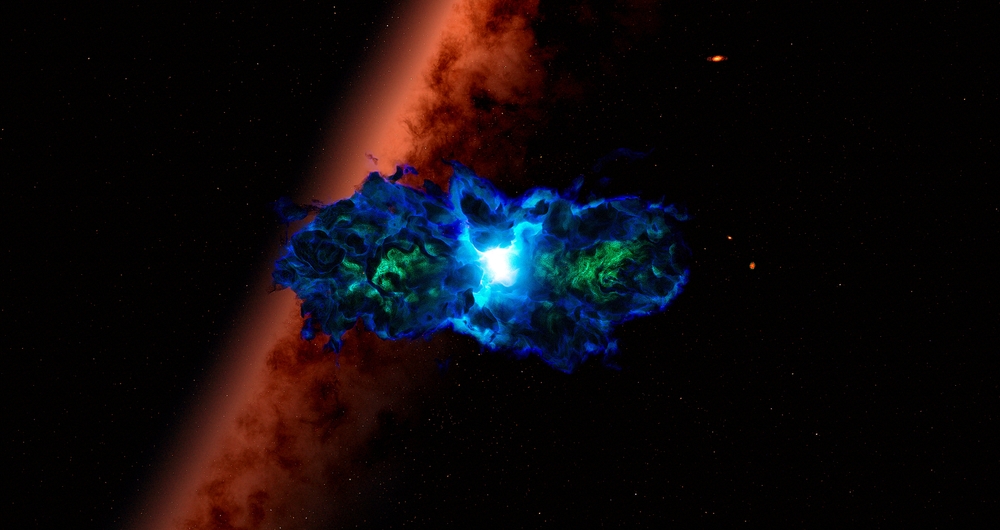
For decades, scientists have searched the universe for clues that might explain one of humanity’s oldest questions: how did life begin? Their hunt has uncovered water trapped inside distant asteroids, organic molecules scattered across galaxies, and even ingredients used to build DNA. Now, astronomers have added another remarkable piece to that growing puzzle after detecting a naturally occurring sugar floating through the vast emptiness between stars. The discovery may sound unusual at first, but researchers say it could reshape how scientists think about the chemical events that eventually made life on Earth possible. Instead of forming only after planets appeared, some of life’s essential ingredients may have already been waiting in space long before our solar system even existed.
Contents
show
The newly detected molecule is called erythrulose, a naturally occurring sugar found in tiny amounts in raspberries and even used in self-tanning products. It is the first time this particular sugar has ever been identified in the interstellar medium, the enormous clouds of gas and dust that fill the space between stars. While erythrulose itself is not used directly by living organisms, scientists say it can transform into molecules that play an important role in prebiotic chemistry, the collection of chemical reactions believed to have paved the way for life. The finding offers fresh evidence that the universe may have been preparing the ingredients for biology long before Earth became a habitable world.
A Sweet Discovery Hidden in the Heart of the Milky Way
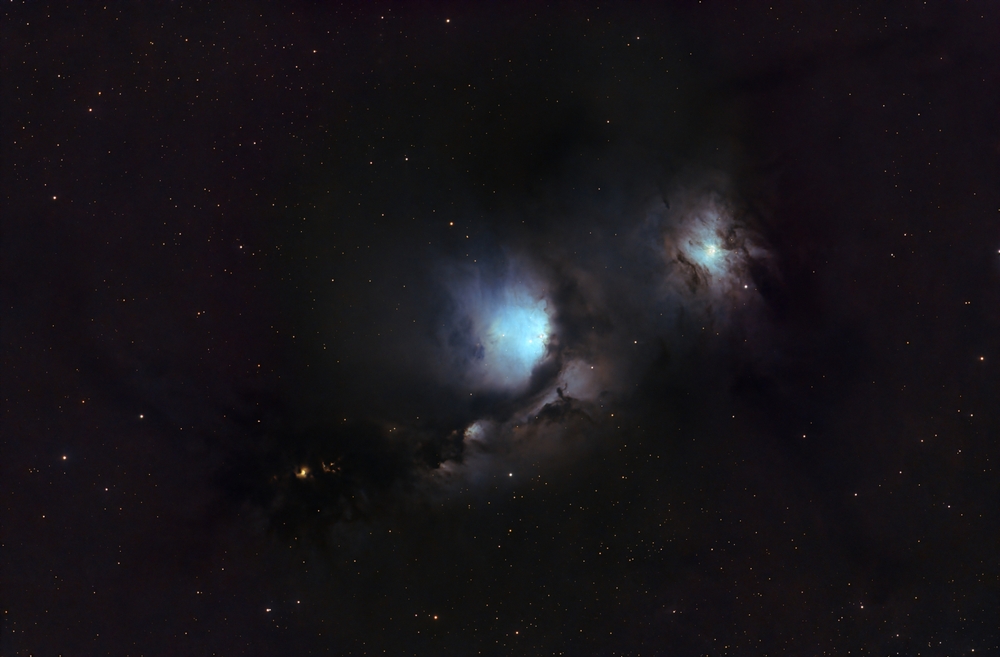
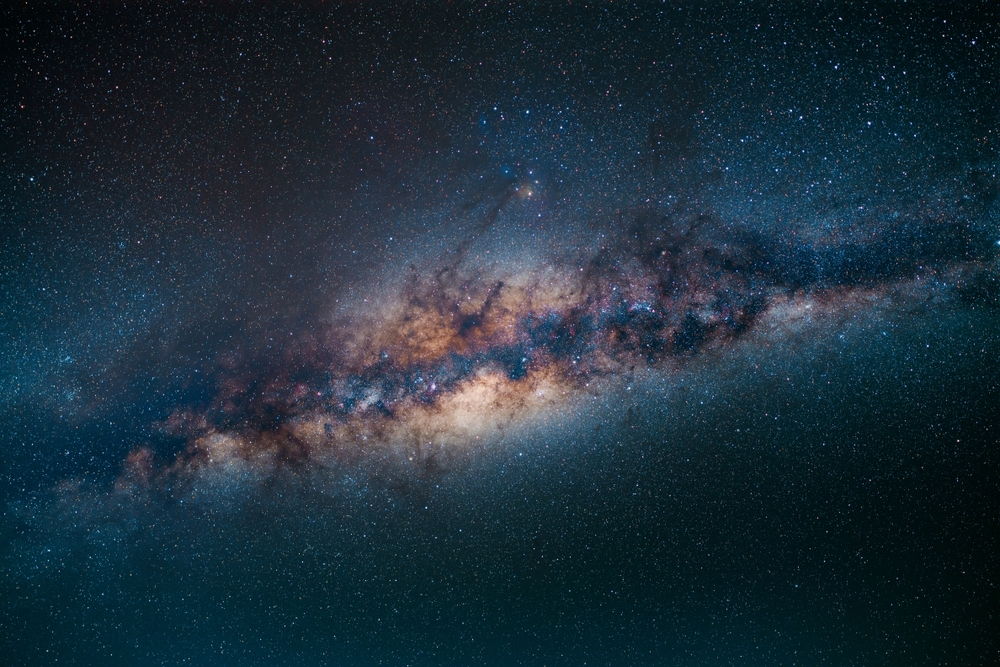
The breakthrough came after an international team of astronomers studied a massive molecular cloud known as G+0.693−0.027, located near the center of the Milky Way. Molecular clouds are some of the coldest places in space, but they are also among the richest in chemistry. These giant collections of gas and dust act as stellar nurseries where new stars and planetary systems are eventually born, making them ideal places to search for the building blocks of life.
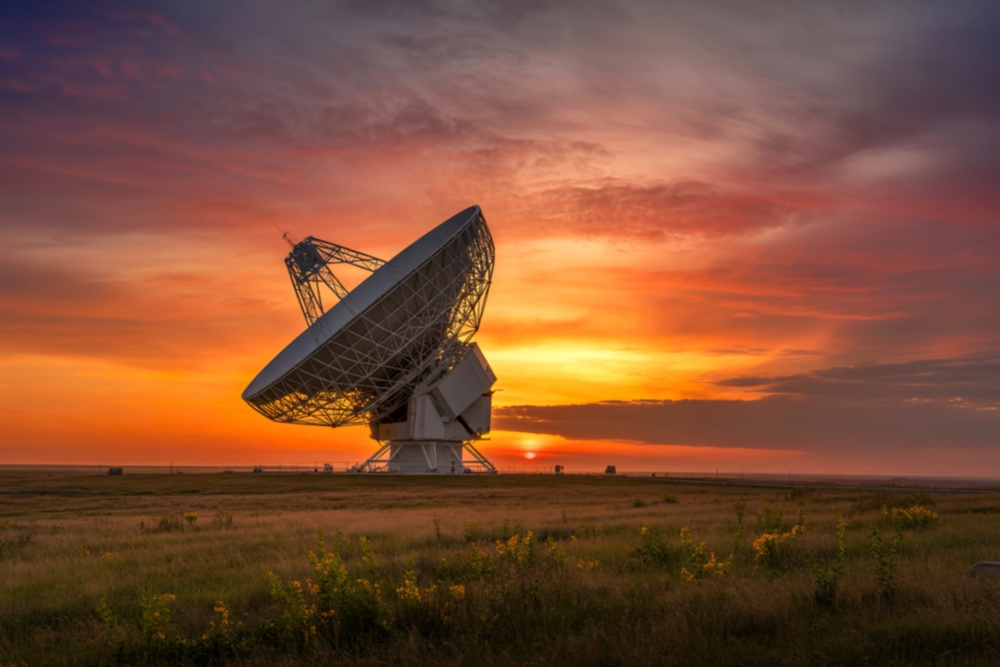
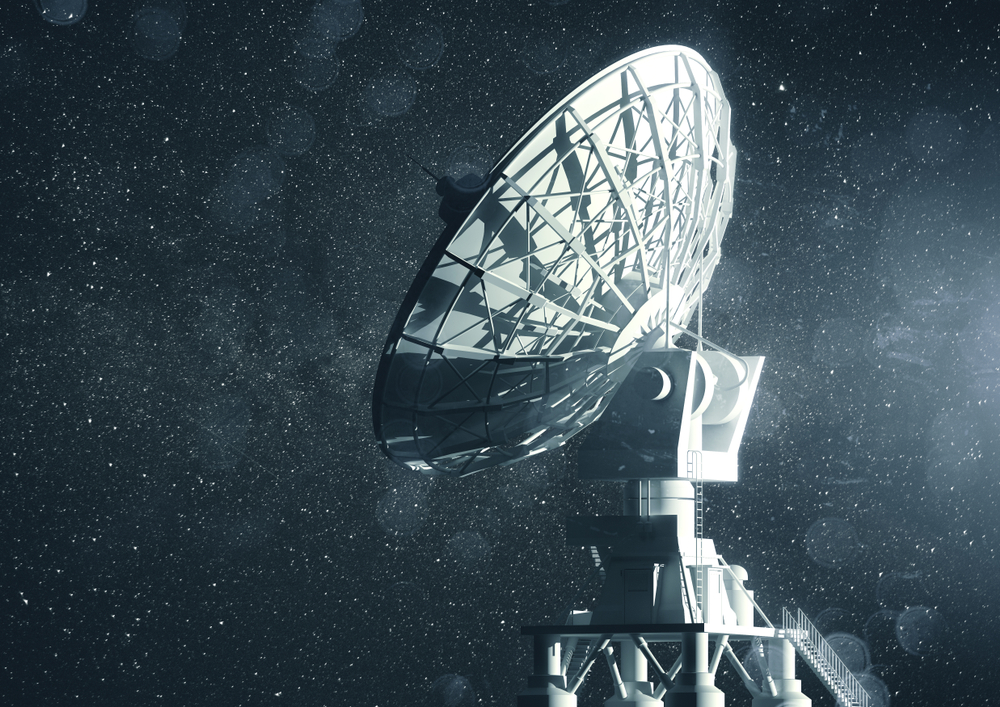
Rather than observing visible light, researchers turned to powerful radio telescopes capable of detecting the unique signals emitted by molecules drifting through space. Every chemical compound interacts with radio waves differently, producing what scientists often describe as a molecular fingerprint. By carefully examining those fingerprints, astronomers can identify substances that are otherwise completely invisible.
The research team used two radio observatories in Spain for the project. One was located at the Yebes Observatory north of Madrid, while the other was the IRAM 30-meter telescope in the Sierra Nevada mountains. Together, the instruments collected detailed radio data from the enormous cloud over an extended period, allowing scientists to search for even the faintest molecular signatures.
After comparing the signals collected by the telescopes with laboratory measurements of erythrulose on Earth, the match became unmistakable. The discovery marked the first confirmed detection of this complex sugar anywhere in interstellar space, adding yet another organic molecule to the growing inventory of chemicals found beyond our planet.
Scientists Weren’t Actually Looking for This Sugar
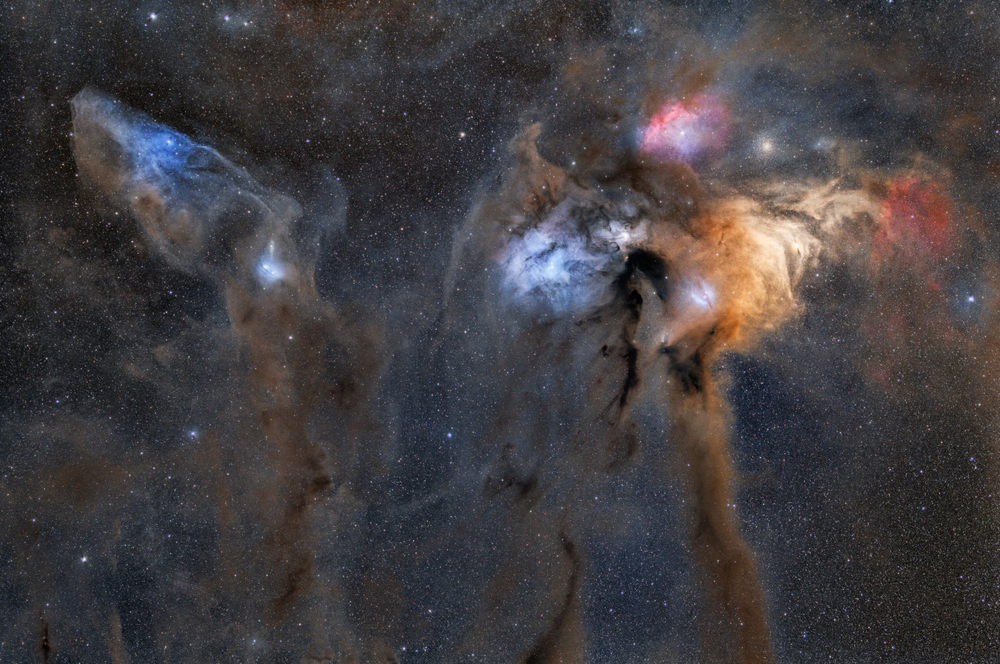
Perhaps the most surprising part of the discovery is that researchers were searching for something entirely different. Their original goal was to detect much simpler three-carbon sugars, which many astrochemists believed would be easier to find because current theories suggest complex molecules gradually grow one carbon atom at a time.
Instead, the data revealed erythrulose, a sugar containing four carbon atoms that is significantly more chemically complex than the molecules scientists expected to encounter. The unexpected result immediately caught the team’s attention because it challenged long-held assumptions about how organic chemistry unfolds inside molecular clouds.
Lead researcher Izaskun Jiménez-Serra from Spain’s Center for Astrobiology explained just how surprising the result was.
“Our discovery demonstrates that relatively complex sugars can already be synthesized in interstellar space, before stars and planets are born.”
That statement carries major implications. If larger sugar molecules can naturally form in the harsh conditions between stars, scientists may need to rethink how organic chemistry progresses across the galaxy. Rather than slowly assembling one carbon atom after another, some reactions may produce surprisingly sophisticated molecules much earlier than existing models predict.
Why One Sugar Molecule Has Scientists So Excited
Finding sugar in space might sound more like an interesting headline than an important scientific breakthrough, but sugars occupy a central role in biology. They do far more than sweeten food. Inside living organisms, different sugars provide energy, help build cell structures, and form essential components of genetic material such as RNA and DNA.
Erythrulose itself is not considered a biological necessity, but researchers say it can readily convert into related sugar molecules that are believed to have participated in the chemical reactions leading to life on early Earth. That possibility makes its discovery far more significant than simply adding another molecule to an astronomical catalog.
Astrophysicist Erika Hamden of the University of Arizona, who was not involved in the study, described the detection as “a pristine example of the stuff that’s just floating out in the galaxy.” Her comment highlights an important point. Scientists are not merely cataloging unusual chemicals for curiosity’s sake. They are trying to understand what raw materials existed before planets like Earth ever formed.
If complex sugars were already widespread throughout interstellar clouds billions of years ago, then newly forming planets may have inherited many of life’s essential ingredients from the very beginning. Instead of starting from scratch, young worlds could have been seeded with an impressive chemical toolkit already assembled by nature itself.
Earlier Discoveries Were Already Pointing in This Direction
The discovery of erythrulose did not happen in isolation. Over the past two decades, astronomers have steadily uncovered evidence that space is far more chemically active than once believed. Scientists have identified more than 340 different molecules in the interstellar medium, ranging from simple gases to surprisingly complex organic compounds. Every new detection has strengthened the idea that the ingredients needed for life may be far more common across the universe than previously imagined.
One of the biggest milestones came roughly 25 years ago when astronomers detected glycolaldehyde, a simple sugar closely related to ordinary table sugar, near the center of the Milky Way. While that discovery demonstrated that sugar-like molecules could exist in space, erythrulose is considerably more complex. Finding a four-carbon sugar suggests that chemical reactions inside molecular clouds may be capable of producing increasingly sophisticated compounds before stars and planets are even born.
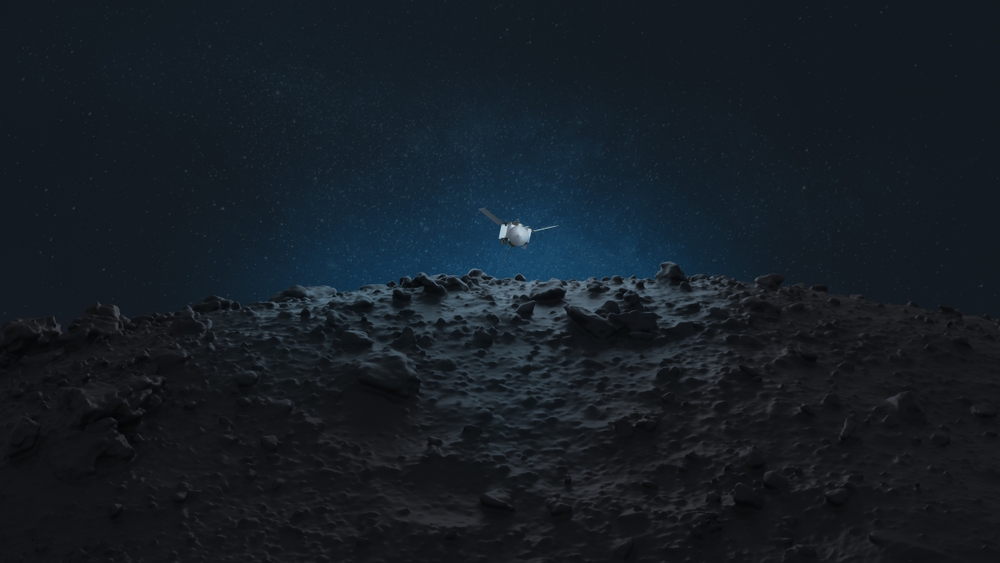
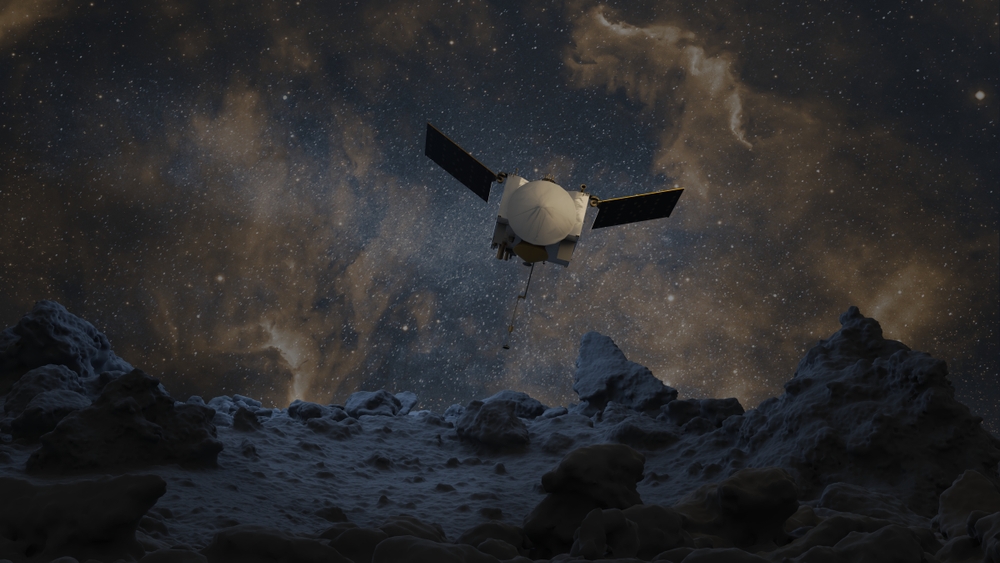
Scientists have also found evidence of sugars much closer to home. In 2023, researchers studying samples collected from the asteroid Bennu by NASA’s OSIRIS-REx mission identified several organic compounds, including sugars linked to genetic material. Those discoveries hinted that asteroids could preserve ancient molecules dating back to the earliest days of the solar system.
Taken together, these findings are painting a remarkable picture. Rather than being rare exceptions, organic molecules appear to be widespread throughout space. The latest discovery adds another important piece to that puzzle by showing that complex sugars can exist long before planets have the chance to develop oceans, atmospheres, or living organisms.
Could Earth Have Been Seeded With the Ingredients for Life?
One of the biggest mysteries in science has always been understanding where life’s first building blocks actually came from. Researchers generally consider two leading possibilities. One suggests that the necessary ingredients formed naturally on the young Earth through chemical reactions driven by lightning, volcanic activity, and sunlight. The other proposes that many of those ingredients arrived from space aboard comets, meteorites, and asteroid dust.
The discovery of erythrulose gives scientists another reason to take the second possibility seriously. If complex sugars already existed inside interstellar clouds before the solar system formed, those molecules could have become trapped inside asteroids and comets during their formation. As those rocky bodies bombarded the young Earth billions of years ago, they may have delivered an enormous supply of organic material onto the planet’s surface.
Professor Mark Sephton of Imperial College London, who was not involved in the research, said the discovery strengthens the argument that our solar system may have been “seeded with pre-existing organic compounds.” Instead of Earth having to manufacture every ingredient from scratch, some of the chemistry needed for life could already have been packaged inside incoming space rocks.
The study even estimates that during the period known as the Late Heavy Bombardment, roughly four billion years ago, between 500,000 and 50 million metric tons of this sugar may have reached Earth’s surface if the bombardment occurred as scientists currently understand it. Although researchers continue to debate exactly how intense that period was, the numbers highlight just how much material may have been exchanged between space and the young Earth.
Scientists Think There May Be Even Bigger Discoveries Ahead
The discovery of erythrulose is unlikely to be the final chapter. Instead, researchers see it as the beginning of a much larger search for even more complex molecules hidden inside the galaxy’s molecular clouds. If one four-carbon sugar can form naturally between stars, other biologically important compounds may also be waiting to be discovered.
Among the biggest targets is ribose, the sugar that forms part of RNA, one of the molecules essential for all known life. Detecting ribose in interstellar space would represent another major leap forward in understanding how life’s chemistry develops before planets even exist.
Study co-author Carlos Briones, a researcher at Spain’s Center for Astrobiology, said the discovery “opens up the possibility of discovering in space other sugars such as ribose, which is part of RNA, and other important molecules for the origin of life.”
Future radio telescopes with greater sensitivity could dramatically expand that search. As technology improves, astronomers expect to detect increasingly faint molecular signatures, allowing them to build a far more complete inventory of the complex chemistry unfolding throughout our galaxy.
A Discovery That Changes How We Look at the Universe
For many people, sugar is simply something stirred into coffee or sprinkled over desserts. In astronomy, however, sugars represent something far more profound. They are among the chemical stepping stones that connect simple atoms to the complex biology found on planets like Earth.
The detection of erythrulose reminds us that the universe is not an empty void but a place where chemistry has been unfolding for billions of years. Long before Earth existed, clouds of gas and dust were already assembling increasingly complex molecules that may eventually have become part of living organisms.
Scientists still cannot say exactly how life began, and this discovery does not answer that question on its own. What it does show is that some of life’s essential ingredients appear to have been present long before our planet formed. Every new molecule found in deep space brings researchers one step closer to understanding how a lifeless universe eventually gave rise to biology, and perhaps whether that process has happened somewhere else among the stars.
Sources:
- Jiménez-Serra, I., De La Concepción, J. G., Cuppen, H. M., Rey-Montejo, M., Sanz-Novo, M., Rivilla, V. M., Martín-Pintado, J., Megías, A., Briones, C., Andrés, D. S., Colzi, L., Zeng, S., Martín, S., Salaris, J., Martínez-Henares, A., López-Gallifa, Á., Requena-Torres, M. A., Tercero, B., De Vicente, P., . . . Cocinero, E. J. (2026). Detection of a four-carbon sugar in interstellar space. Nature Astronomy. https://doi.org/10.1038/s41550-026-02905-7