
Your cart is currently empty!
Army Study Finds Women Handle Elite Ranger Training Better Than Many Expected
The U.S. Army’s Ranger School is widely regarded as one of the most demanding military training programs in the world. For more than two months, soldiers are pushed through exhausting physical challenges while surviving on little sleep and too few calories to meet the demands placed on their bodies. Many candidates never make it to graduation, making the coveted Ranger Tab one of the military’s most respected achievements. Now, a new Army-backed study is offering fresh insight into how the human body responds to those extreme conditions, and the findings are turning some long-held assumptions on their head.
Contents
show
Researchers discovered that while both male and female soldiers experienced significant physical stress during the course, women showed fewer physiological disruptions than men. The findings suggest that female soldiers may be better equipped to withstand certain aspects of prolonged physical hardship, particularly when the body is forced to cope with limited food, sleep deprivation, and continuous high-intensity activity over several weeks.
Ranger School Pushes Every Soldier to the Limit
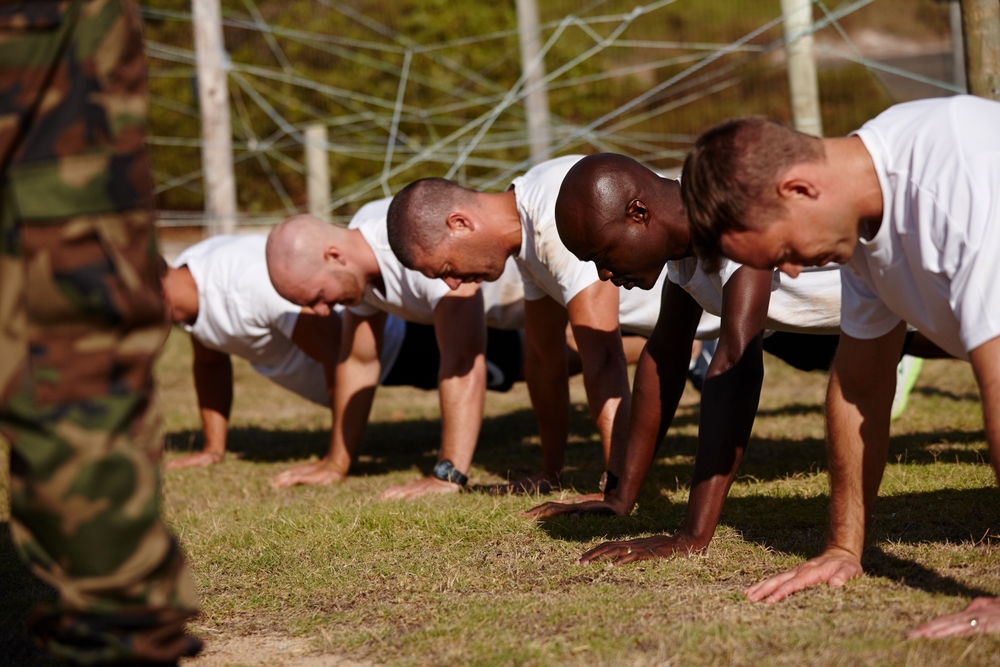
Ranger School is designed to test leadership just as much as physical endurance. The standard course lasts 61 days and is divided into several phases that challenge soldiers in woodland, mountain, and swamp environments. Throughout the program, candidates complete long-distance marches carrying heavy equipment, navigate difficult terrain, conduct tactical missions, and perform under constant mental and physical pressure. At the same time, they receive only a few hours of sleep each night and consume far fewer calories than they burn, creating one of the harshest sustained training environments in the U.S. military.
The conditions are so demanding that nearly half of all candidates fail during the opening phase alone. Even those who eventually graduate often lose a significant amount of body weight by the end of the course. Military researchers have long known that this combination of energy deprivation, sleep loss, and continuous exertion places enormous stress on the body, but they wanted to understand whether men and women respond differently when exposed to the exact same challenges.
Researchers Followed Soldiers Throughout Every Stage
Previous Army studies mainly compared soldiers before they entered Ranger School and after they graduated, offering only a snapshot of how the course affected their bodies. For this latest research, scientists took a much more detailed approach by tracking participants throughout the entire training cycle. That allowed them to observe how physiological changes developed over time instead of only measuring the final outcome.
The research team collected blood and urine samples, monitored hormone levels, measured body composition, evaluated inflammation markers, and gathered survey data during each phase of the course. The study included 36 Ranger students who attended the school between 2022 and 2023, including 26 men and 10 women between the ages of 18 and 36. While some completed the course in the standard 61 days, others recycled portions of the program and remained in training for considerably longer, giving researchers an even broader picture of how prolonged stress affected the body.
Men Experienced More Widespread Physiological Changes
After analyzing the data, researchers found a noticeable difference in how male and female bodies responded to the intense conditions. Although both groups lost weight and body fat during the course, men experienced much larger disruptions across several biological systems. Hormone levels shifted more dramatically, while markers related to metabolism, inflammation, and recovery changed throughout nearly every phase of the program.
Women also experienced physiological changes, but those alterations were generally smaller and more concentrated during the mountain phase of Ranger School, which is considered one of the course’s most physically demanding segments. Outside of that period, many of the biological markers researchers tracked remained comparatively stable. According to the study, these results suggest that male physiology may be more vulnerable to prolonged exposure to multiple simultaneous stressors such as severe calorie restriction, sleep deprivation, and sustained physical exertion.
Importantly, the findings should not be interpreted as suggesting that Ranger School is easier for women. Every participant faced the same demanding conditions, and both men and women experienced significant physical strain. Instead, the research indicates that their bodies adapted differently while enduring those hardships.
Different Energy Strategies May Explain the Results
Researchers believe one of the biggest reasons for these differences lies in how the body produces energy during extended periods of physical stress. As calorie intake falls below what the body needs, stored energy sources become increasingly important for maintaining performance and completing physically demanding tasks.
According to lead researcher Holly McClung, the study suggests that male soldiers relied more heavily on breaking down muscle tissue to meet their energy needs, while female soldiers appeared to utilize stored fat more efficiently through a process known as lipolysis. Scientists have observed similar metabolic differences in previous endurance research, and the Ranger School data appears to reinforce those findings under real-world military conditions.
Because fat stores provide a longer-lasting source of energy during extended physical activity, researchers believe this difference may help explain why women showed fewer hormonal disruptions throughout the course. McClung noted that these physiological distinctions are consistent with existing research suggesting women often perform particularly well during prolonged endurance events where efficient energy use becomes increasingly important.
The Findings Could Shape Future Military Research
Rather than comparing the capabilities of male and female soldiers, the researchers say the study is intended to improve understanding of how the body responds to prolonged operational stress. By identifying which physiological systems are most affected during demanding military training, the Army hopes future research can identify strategies that improve recovery, reduce injury risk, and help soldiers maintain peak performance throughout extended missions.
The findings also highlight how little research has historically included female service members. Since Ranger School only opened to qualified women in 2015, scientists have had relatively few opportunities to study both sexes under identical military training conditions. As more women continue serving in combat and special operations support roles, researchers say larger studies will help build a more complete understanding of how soldiers respond to some of the military’s toughest environments.
The Study Adds to a Growing Body of Endurance Research
The Army’s findings are consistent with previous research examining how men and women respond to prolonged endurance challenges. A widely cited study published in 2016 concluded that women are generally less susceptible to fatigue during sustained physical activity, although researchers have long acknowledged that the evidence remains limited because relatively few women have been included in military and sports performance studies.
McClung believes that gap in research is beginning to close as more women participate in elite military schools and endurance sports. With larger groups available to study, scientists are gaining a clearer understanding of how biological differences influence recovery, metabolism, and performance under extreme conditions.
She explained that women have historically had fewer opportunities to train and compete in physically demanding environments, making it difficult for researchers to gather enough data. As participation continues to grow, studies like this one may provide a more complete picture of how both sexes respond to prolonged physical stress.
Why the Findings Matter Beyond Ranger School
Although the research focused on one specific military course, its implications extend well beyond Ranger School itself. Modern military operations often require service members to work for long periods with limited sleep, inadequate nutrition, and sustained physical demands that closely resemble the conditions recreated during the course.
Understanding how soldiers’ bodies respond to those stressors could help military leaders refine nutrition plans, recovery strategies, and training schedules. Researchers hope the findings will eventually lead to interventions that reduce fatigue, improve long-term health, and help soldiers recover more effectively after physically demanding missions.
The study also highlights the importance of recognizing that identical training conditions do not always produce identical physiological responses. Rather than lowering standards, researchers say the goal is to better understand how different bodies adapt so every soldier can perform at their highest level.
The Research Arrives During a Broader Debate
The publication of the study comes at a time when the role of women in combat positions continues to attract public and political attention. Since the Pentagon opened all combat roles to qualified women more than a decade ago, hundreds have earned the Ranger Tab and thousands have gone on to serve in frontline positions across the U.S. military.
At the same time, discussions about physical standards and combat readiness have remained part of the national conversation. Supporters of integrated combat roles point to identical qualification standards, while critics have questioned whether biological differences affect long-term performance in demanding military occupations.
The new research does not attempt to settle that debate. Instead, it offers scientific evidence showing that female soldiers experienced fewer physiological disruptions during one of the military’s most challenging training programs while completing the same demanding requirements as their male classmates.
Researchers Say More Questions Still Need Answers
Despite its findings, the study also has important limitations. The research included data from 36 Ranger students, including 10 women, making it one of the most detailed examinations of its kind but still relatively small by scientific standards.
Researchers say larger studies will be needed to determine whether similar patterns appear across broader groups of soldiers and different types of military training. They also hope to investigate which specific stressors, including nutrition, sleep loss, environmental conditions, and prolonged energy deficits, contribute most to the physiological differences observed during Ranger School.
Future research may also explore practical ways to reduce those disruptions without compromising the demanding standards that make the course one of the Army’s toughest leadership programs.
Elite Performance Comes in Different Forms
Perhaps the study’s most significant takeaway is that resilience cannot always be measured by appearances alone. Two soldiers can complete the same physically punishing course while their bodies adapt in very different ways behind the scenes.
As McClung noted, the research is less about declaring one sex stronger than the other and more about understanding how elite performers respond to extraordinary challenges. “Women seem to be just a little bit more resilient,” she said, while adding that larger studies are still needed to confirm the findings. Her broader conclusion captured the purpose of the research: “An elite war fighter is an elite war fighter. It doesn’t matter what your sex is.”
As more women continue entering elite military training and researchers collect larger sets of data, studies like this one could reshape how the Army approaches nutrition, recovery, and performance. For now, the findings offer a fresh perspective on what resilience looks like when the human body is pushed to its absolute limit.
Army, Birds Advice, Combat Training, Defense News, Endurance, Female Soldiers, fitness, health research, Holly McClung, Human Performance, Journal of Applied Physiology, military news, Military Study, Military Training, Physical Resilience, Physiology, Ranger School, Science news, U.S. Army, Women in Military