
Your cart is currently empty!
LAPD Drops Flock Safety Contract Following Alarming Audit Of False Vehicle Stops
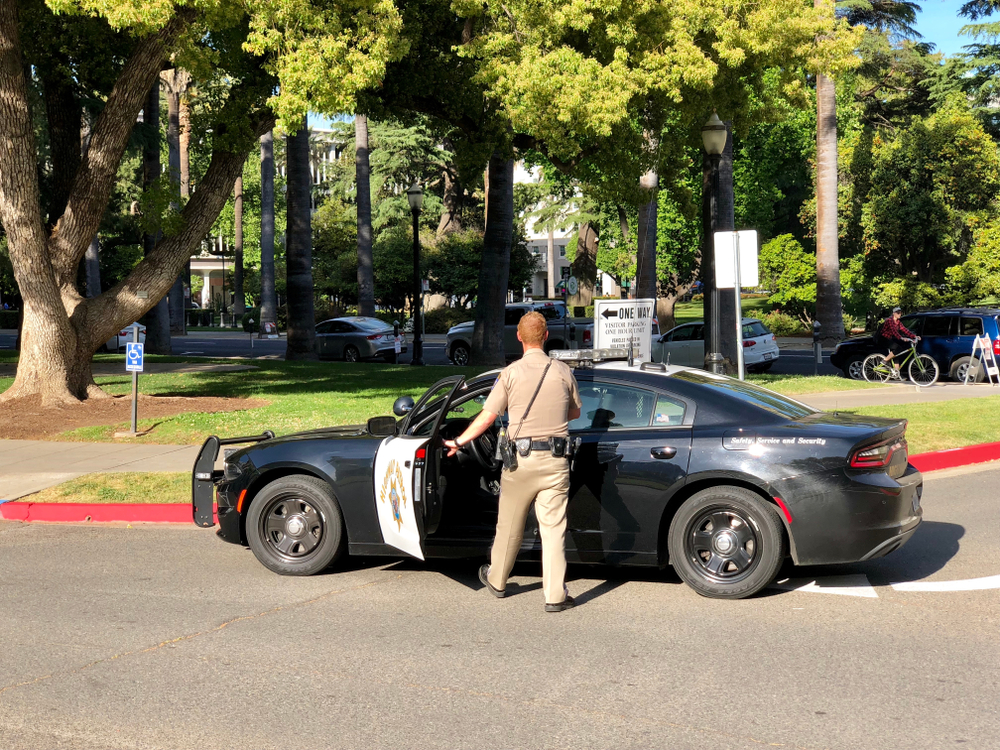
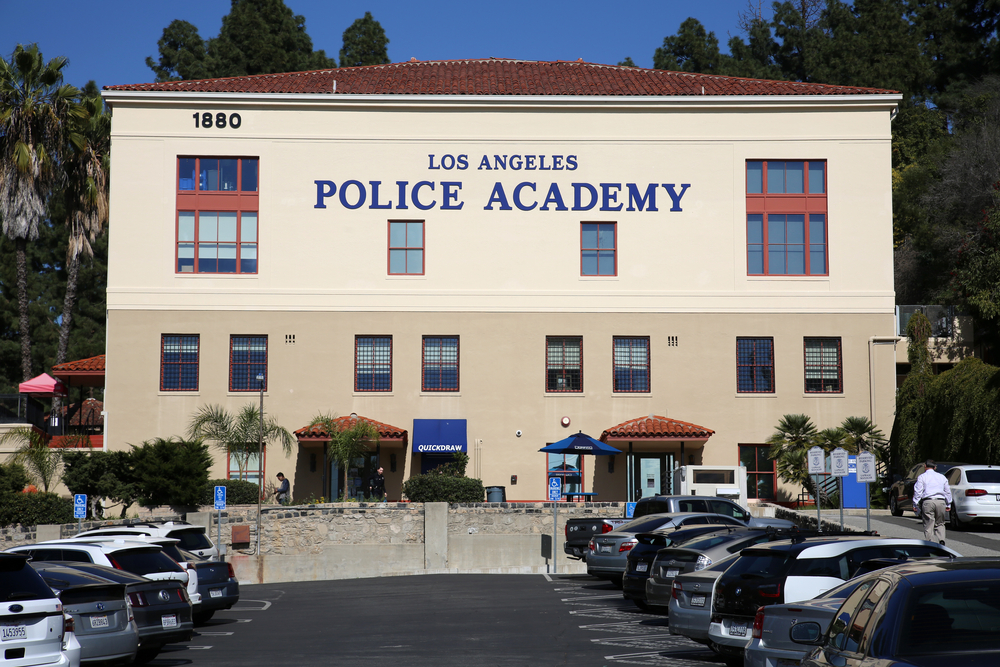
The Los Angeles Police Department has never been shy about embracing new surveillance technology. Over the years, the force has adopted everything from drones and predictive policing software to sophisticated data platforms that have sparked repeated debates over privacy and civil liberties. That history makes its latest decision particularly striking. After nearly three years of working with Flock Safety, one of the country’s fastest-growing surveillance technology companies, the LAPD has decided not to renew its contract, saying concerns over privacy rights and inaccurate data have become too significant to ignore.
Contents
show
The announcement comes at a time when artificial intelligence is becoming deeply embedded in modern policing. Supporters argue AI-powered license plate recognition systems help officers recover stolen vehicles and solve crimes faster than ever before. Critics, however, warn that these same tools can wrongly identify innocent people, collect enormous amounts of personal data, and create dangerous situations when technology gets it wrong. A newly released audit suggests those concerns are far from hypothetical, revealing that the department’s system generated hundreds of false alerts in just a matter of weeks.
Why The LAPD Decided To Walk Away From Flock Safety
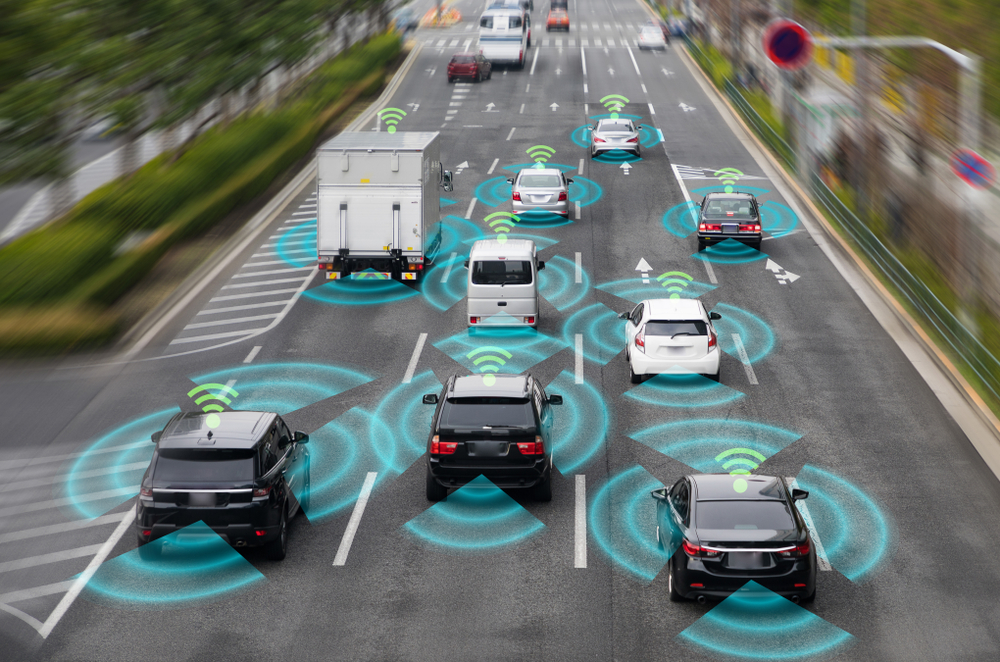
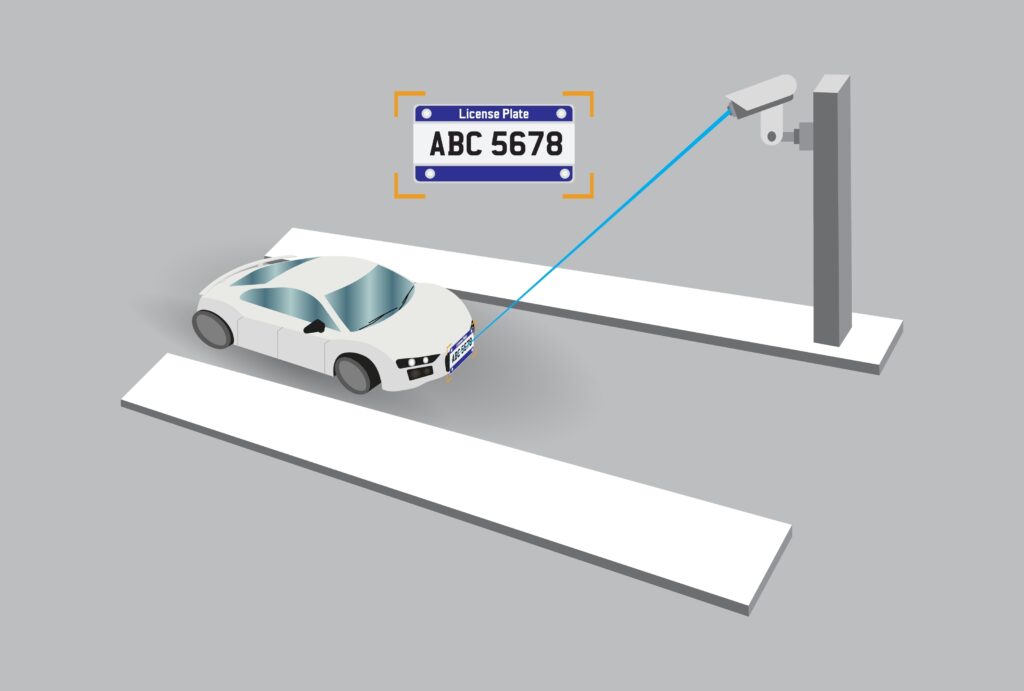
Flock Safety has rapidly expanded across the United States by installing automated license plate recognition cameras in cities, neighborhoods, businesses, and police departments. The cameras continuously scan passing vehicles, recording license plate numbers before comparing them against databases of stolen vehicles and wanted suspects. When the system detects what it believes is a match, officers receive an alert almost immediately, allowing them to locate vehicles much faster than through traditional policing methods.
For years, many departments praised the technology for helping recover stolen cars and assisting criminal investigations. The LAPD was among those agencies, using Flock’s camera network as part of its wider surveillance toolkit. Yet despite relying on the system, department officials ultimately concluded that unresolved questions surrounding privacy, civil rights, and data management outweighed the benefits of extending the partnership.
Speaking to ABC News, LAPD Chief Information Officer Dean Gialamas explained why the department reached that conclusion. “This contract is not being renewed because of serious concerns around civil liberties and civil rights issues, particularly around privacy and the data that is being collected from these cameras,” he said. Gialamas added that the department had made “a difficult decision,” saying it would discontinue using Flock’s services until questions surrounding privacy, security, and information sharing could be addressed through future contractual agreements.
The decision immediately attracted national attention because it is unusual for one of America’s largest police departments to voluntarily step away from surveillance technology. The LAPD has frequently faced criticism for expanding its use of advanced policing tools, making this reversal stand out even among observers who have long questioned the department’s surveillance practices.
A New Audit Revealed A Troubling Error Rate
Only days after the contract decision became public, another development offered a clearer picture of what may have influenced the department’s thinking. An audit conducted by the LAPD Office of the Inspector General found that the automated license plate recognition system had produced a surprisingly large number of incorrect stolen-vehicle alerts during a recent review period.
According to the report, the cameras generated 498 alerts that officers believed indicated stolen vehicles. While 337 of those alerts correctly identified stolen cars, investigators found that another 161 alerts were false. Those incorrect matches resulted in officers stopping drivers whose vehicles had not actually been stolen, creating an overall error rate of 32.3 percent. Put another way, nearly one out of every three alerts sent to officers turned out to be wrong.
The Inspector General’s report warned that the consequences extend well beyond a simple inconvenience. “During the review period, officers acknowledged 161 alerts as accurate license plate matches; however, subsequent investigations determined the vehicles were not stolen,” the report stated. It added that these inaccuracies “can affect individual liberty interests, erode public trust, and potentially create substantial legal and financial liability concerns.”
Investigators also noted that outdated records appeared to be a significant factor behind many of the false alerts. Vehicle databases were not always updated quickly enough after stolen vehicles had been recovered, allowing incorrect information to remain active within the system. When officers relied on those outdated records, innocent motorists risked being treated as criminal suspects despite doing nothing wrong.
One Driver’s Experience Showed How Dangerous False Alerts Can Become
Public concern surrounding Flock Safety intensified even before the LAPD audit became public. Just days earlier, The Drive journalist Joel Feder described an unsettling experience while test-driving a Range Rover with his wife in Minnesota. Without warning, multiple armed police officers surrounded the vehicle during what they believed was a high-risk stop.
According to Feder, officers later explained they had been tracking the SUV through Flock’s AI-powered camera network after it had mistakenly been flagged as stolen. Despite no crime having occurred, the automated alert led officers to believe they were confronting dangerous suspects, dramatically escalating what should have been an ordinary afternoon test drive.
The incident quickly became one of the highest-profile examples cited by critics who argue automated surveillance systems still carry significant risks when underlying data is inaccurate. Even if the software functions exactly as designed, it remains dependent on the quality of the information fed into its databases. When those records contain mistakes or outdated information, technology can amplify the problem rather than solve it.
Why These Traffic Stops Can Become Dangerous
For the LAPD, a stolen vehicle alert is not treated as a routine traffic stop. Department policy classifies these incidents as “high-risk” encounters, meaning officers are expected to approach them with an elevated level of caution. According to the Inspector General’s report, officers responding to these alerts may request backup units, call for air support, notify a supervisor, and order everyone inside the vehicle to exit before continuing the investigation. Those tactics are designed for situations where officers believe they may be confronting dangerous suspects.
That approach becomes far more concerning when the alert itself is wrong. An innocent driver who has done nothing illegal can suddenly find themselves surrounded by armed officers simply because a database failed to update or a license plate was incorrectly matched. While the Inspector General noted that officers are required to verify records before initiating a stop, the report did not reveal how many of the 161 false alerts involved failures to properly confirm the information beforehand.
Investigators instead pointed to outdated records as a major source of the problem. The report explained that license plate information was not always updated quickly after stolen vehicles had been recovered, leaving incorrect records active in the system. Those inaccuracies, it warned, increase the likelihood of unnecessary enforcement actions, wrongful detentions, and confrontations that could have serious consequences for both officers and the public.
Civil rights advocates have argued for years that mistakes involving police technology are rarely just administrative errors. Every incorrect alert carries the potential to escalate into a stressful or even dangerous encounter, particularly when officers believe they are responding to a stolen vehicle involving potentially armed suspects.
Privacy Concerns Extended Beyond The Error Rate
Although the audit exposed problems with inaccurate alerts, LAPD officials made it clear that the decision to end the Flock Safety contract went beyond statistics alone. Privacy and civil liberties played an equally important role in the department’s decision.
Unlike traditional police investigations, automated license plate recognition systems operate continuously. Cameras capture the license plates of thousands of vehicles every day, regardless of whether their owners are suspected of committing a crime. Over time, those scans can create detailed records showing where people have traveled, how often they visit certain locations, and patterns that some privacy advocates argue amount to mass surveillance.
Those concerns have followed Flock Safety as its camera network has expanded across the country. Civil liberties organizations have repeatedly questioned how long collected data is stored, who has access to it, and whether information gathered for one investigation could later be used for entirely different purposes. The rapid growth of AI-assisted surveillance has also raised broader questions about how much monitoring the public is willing to accept in exchange for potential gains in public safety.
LAPD Chief Information Officer Dean Gialamas acknowledged those concerns when explaining why the department chose not to renew the agreement. Rather than abandoning surveillance technology altogether, the department said it would reconsider similar tools only after stronger safeguards surrounding privacy, security, and data sharing had been established.
The Decision Could Influence Police Departments Across America
Flock Safety remains one of the most widely used automated license plate recognition providers in the United States. Thousands of cameras continue operating in cities, towns, and private communities, with many law enforcement agencies crediting the technology for helping recover stolen vehicles and identify criminal suspects more quickly than traditional investigative methods.
Even so, the LAPD’s decision is likely to draw attention from departments already weighing the benefits and risks of AI-assisted policing. One of the country’s largest police forces has effectively acknowledged that concerns surrounding accuracy and privacy deserve closer scrutiny before surveillance technology continues expanding.
The debate also arrives as artificial intelligence becomes increasingly involved in law enforcement decisions. From facial recognition software to predictive policing algorithms, agencies across the country are experimenting with tools designed to process enormous amounts of information faster than humans ever could. Supporters believe those technologies will make policing more efficient, while critics argue they can reinforce existing mistakes if the underlying data is flawed.
The LAPD’s experience illustrates how advanced software is only as reliable as the information feeding it. When inaccurate records remain inside the system, artificial intelligence can quickly transform simple administrative errors into real-world encounters involving innocent people.
AI May Be Transforming Policing, But Trust Still Depends On Accuracy
Artificial intelligence is becoming a permanent part of modern policing, and few departments appear willing to abandon technology altogether. Faster investigations, quicker vehicle recoveries, and expanded access to information remain powerful incentives for agencies looking to improve public safety with limited resources.
At the same time, the LAPD’s decision highlights a challenge that extends far beyond one company’s software. Public trust depends on confidence that the technology officers rely on is accurate, accountable, and supported by strong privacy protections. When nearly one in three alerts proves incorrect, that confidence becomes much harder to maintain.
Whether other police departments follow Los Angeles’ lead remains to be seen. What is already clear is that the conversation surrounding AI-powered policing is shifting. Departments are no longer being asked only whether the technology works, but whether it works well enough to justify the risks that come with getting it wrong.
AI cameras, AI surveillance, ALPR, artificial intelligence, automated license plate recognition, Civil Liberties, data privacy, false alerts, Flock Safety, LAPD, law enforcement, Los Angeles Police Department, police technology, policing, Privacy Concerns, public safety, surveillance cameras, Technology News, wrongful traffic stops