
Your cart is currently empty!
Female Athletes Say One TV Camera Habit Has Been Harming Them For Years

One slow-motion replay can capture an unforgettable sporting moment. For some female athletes, however, it can also create a lasting problem that follows them long after they leave the stadium. Clips shared across social media, edited out of context, and viewed millions of times have turned ordinary moments in competition into sources of embarrassment, unwanted attention, and online abuse. While television coverage has played a huge role in growing women’s sport, many athletes argue that some production choices have come at a personal cost.
Contents
show
Now, broadcasters across Europe are being urged to rethink how they film women’s athletics. The European Broadcasting Union (EBU) has introduced a new set of recommendations aimed at reducing the use of camera angles that unnecessarily sexualize female competitors during live events. Developed alongside current and former athletes, the guidance marks one of the clearest attempts yet to shift television coverage back toward athletic performance rather than images that can quickly spread online for reasons that have nothing to do with sport.
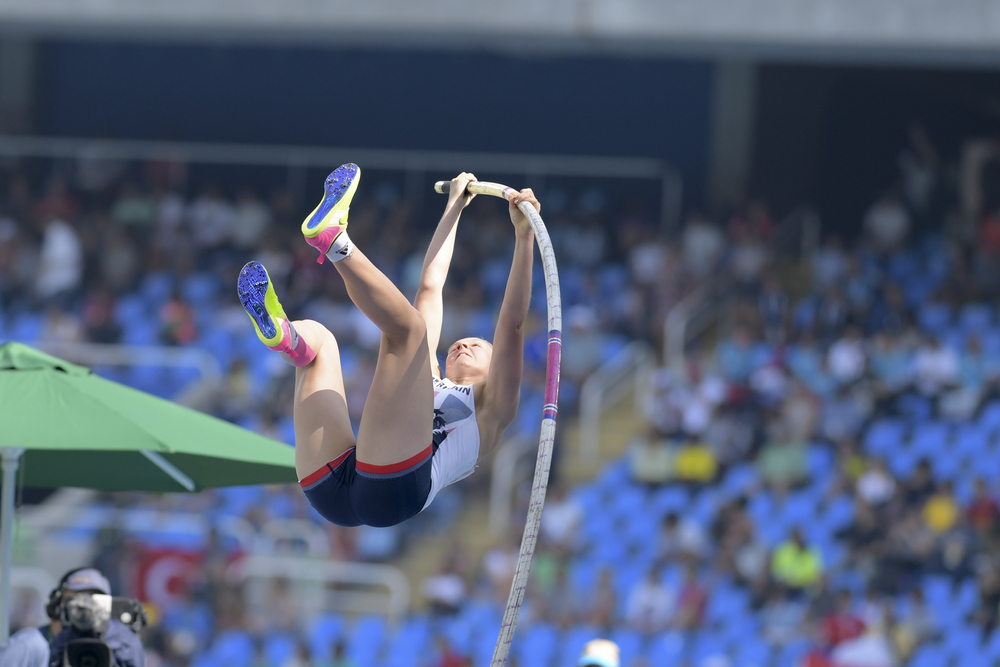
Female Athletes Say Broadcast Coverage Has Gone Too Far
The new guidance did not emerge from broadcasters alone. It was developed after discussions between the European Broadcasting Union and several elite female athletes who have experienced the consequences of certain camera angles during major competitions. Rather than focusing only on improving television production, the conversations centered on how coverage affects athletes during events and long after broadcasts have ended.
British Olympic bronze medal-winning pole vaulter Holly Bradshaw was among those who helped shape the recommendations. Having competed on some of the world’s biggest stages, she said athletes have become increasingly aware that television cameras are not always focused on showcasing their performances. Instead, certain shots have created moments that are later circulated across social media, often stripped of any sporting context.
Bradshaw believes the issue affects more than individual athletes. She said the way women’s sport is presented also influences how audiences, particularly younger viewers, perceive female competitors. Speaking about the new guidance, she explained, “How our sport is displayed during live broadcast can be incredibly powerful, yet sometimes harmful to the women competing and the women [and] girls watching.” Her comments reflect a wider concern that television coverage should celebrate athletic achievement without creating unnecessary opportunities for sexualized content.
The EBU says those athlete experiences became the foundation for the new recommendations. By consulting competitors directly, the organization hopes broadcasters will better understand how production decisions made in television trucks can have lasting consequences for the people performing in front of the cameras.
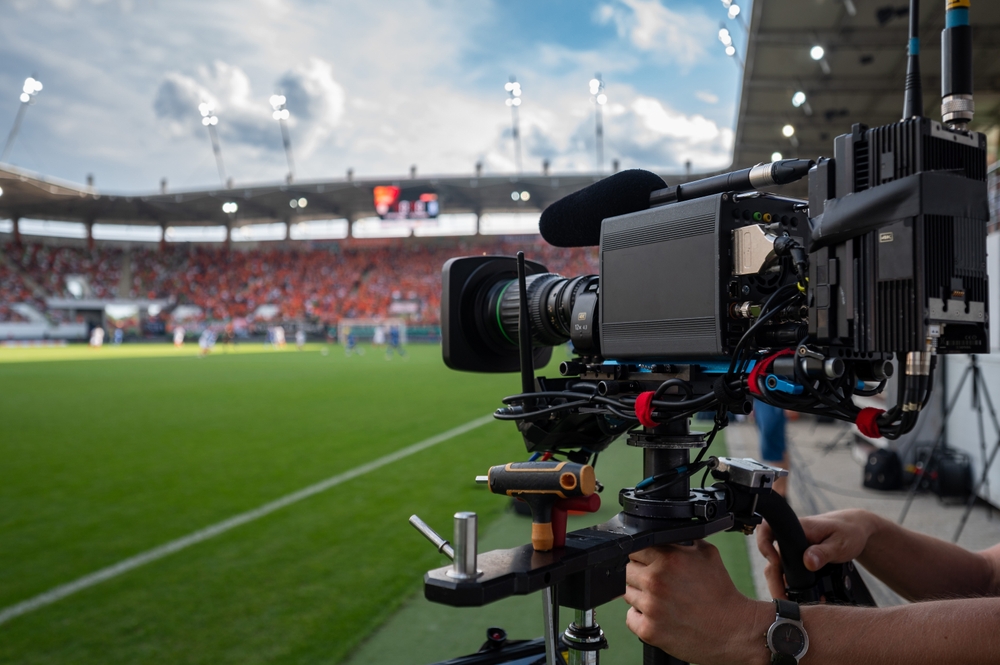
Holly Bradshaw Says The Cameras Changed More Than The Competition
For Bradshaw, the issue extends far beyond awkward television moments. She revealed that footage captured during competitions has repeatedly led to abuse online, with slow-motion clips and revealing camera angles circulating across social media platforms long after events have finished. Those videos often attract comments that have little to do with sport, leaving athletes to deal with attention they never signed up for.
She described her own experience in blunt terms, saying, “I first-hand have received social media abuse and witnessed inappropriate videos online of myself and colleagues when slow-motion content of us competing is captured.” Her comments highlight how a broadcast intended for sports fans can quickly take on an entirely different life once clips are shared online.
Bradshaw also explained that the cameras themselves have become another distraction during competition. Instead of focusing solely on technique, timing, and performance, athletes sometimes find themselves worrying about where cameras are positioned and how certain moments might be replayed. She said, “Many athletes, myself included have been in competitive scenarios where they are more focused on the cameras instead of their own performance.”
She added that some production choices feel unnecessary because they contribute little to viewers’ understanding of the event. According to Bradshaw, “On too many occasions cameras are zoomed in, showing super slow-motion action replays of athletes in undignified positions.” Those comments became one of the driving forces behind the EBU’s effort to encourage broadcasters to reconsider how they cover women’s athletics.
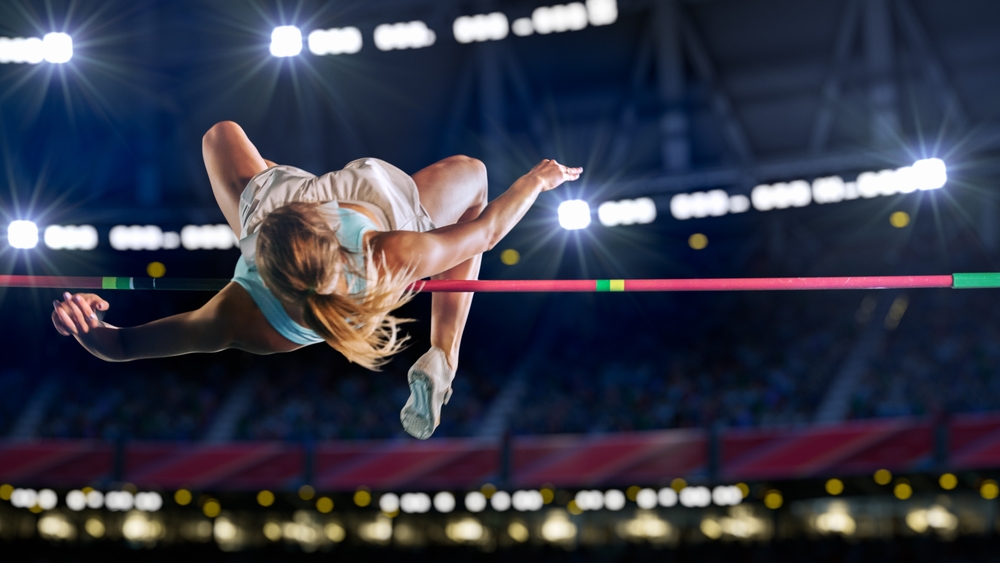
Why The New Broadcast Guidelines Focus On Camera Angles
Following discussions with athletes, the European Broadcasting Union has produced a series of recommendations designed to help broadcasters present women’s athletics in a way that prioritizes competition rather than compromising visuals. The guidance does not tell television crews how to film every event. Instead, it encourages producers and camera operators to think carefully about whether certain shots genuinely add value to viewers or simply create images that can later be misused online.
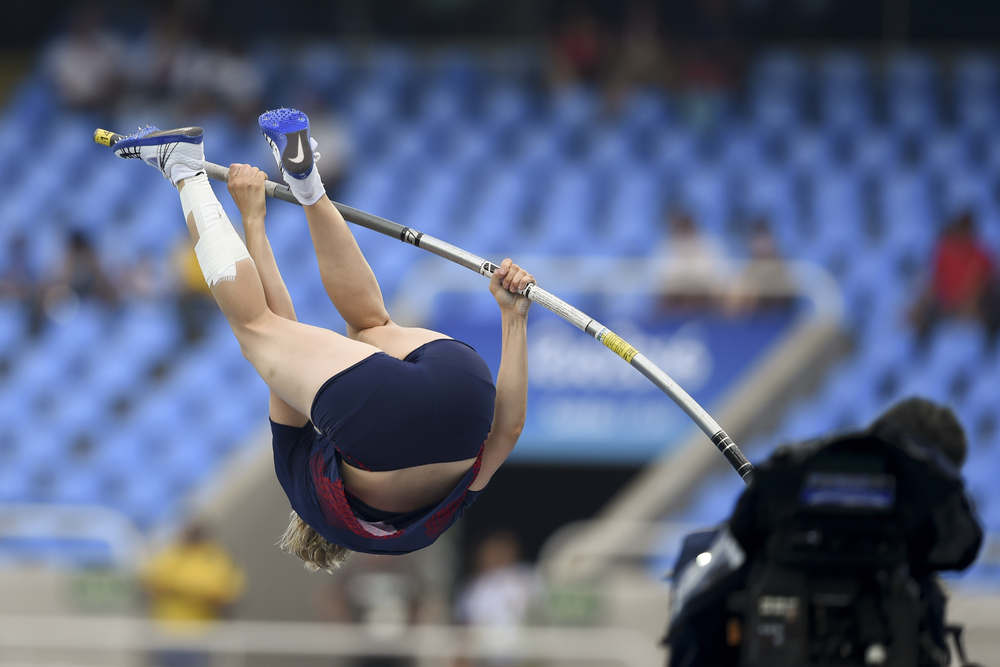
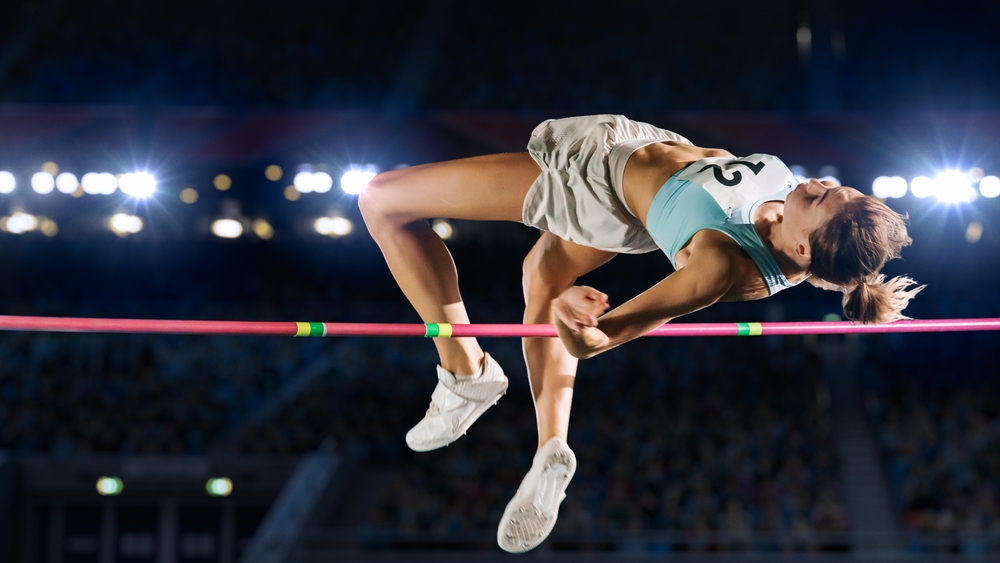
One of the biggest recommendations involves avoiding low camera angles beneath athletes during events such as the pole vault and high jump. Because competitors are launching into the air while wearing performance clothing designed for movement rather than modesty, these positions can easily produce revealing images that have little relevance to the sporting action. The guidance also advises broadcasters to avoid lingering close-up shots and excessive slow-motion replays when they do not contribute to understanding the event.
Some of the key recommendations include:
- Avoid low-angle cameras positioned beneath athletes during jumps.
- Limit slow-motion replays that serve no technical or storytelling purpose.
- Focus coverage on athletic performance instead of body-focused imagery.
- Consider how replay clips may be shared and viewed outside the live broadcast.
Rather than restricting creativity, the EBU says the guidance is intended to help television coverage reflect the skill, preparation, and achievement of elite athletes. By removing unnecessary production choices, broadcasters can keep audiences focused on the competition itself instead of moments that often become viral for entirely different reasons.
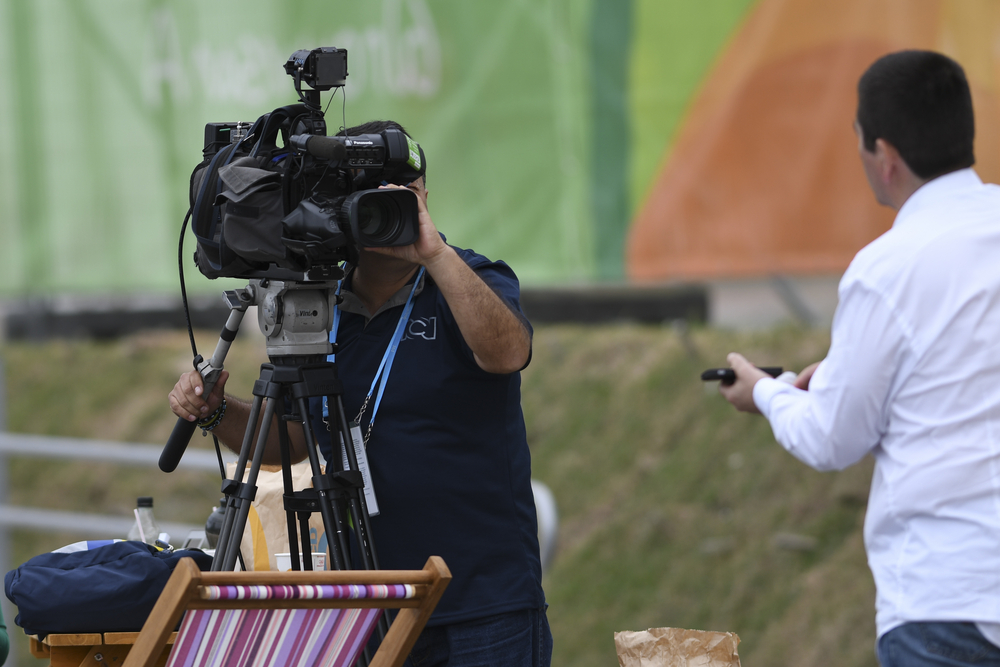
Athletes Warn The Impact Can Last Long After The Event Ends
Serbian Olympic long jumper Ivana Spanovic also worked with the EBU while the recommendations were being developed. Like Bradshaw, she believes certain camera positions create problems that extend well beyond the competition itself. Once footage is broadcast, athletes lose control over where those clips appear and how they are used across the internet.
Spanovic warned that the issue is not simply about uncomfortable television moments. She said some camera angles can have “serious long-term effects on an athlete’s mental health,” particularly when videos continue circulating months or even years after an event has ended. Social media has made it easier than ever for isolated clips to reach enormous audiences without any sporting context.
Many athletes spend years preparing for major championships, only to find that conversations online become focused on a single replay rather than their performance. That can overshadow achievements and leave competitors feeling as though their bodies are receiving more attention than the results they worked so hard to achieve.
The concerns raised by Bradshaw and Spanovic also highlight a wider issue facing women’s sport. As audiences continue to grow and broadcasts become more accessible around the world, athletes increasingly believe production standards should evolve alongside the popularity of the competitions themselves.
Broadcasters Say Women’s Sport Should Be Covered Differently
The EBU says the recommendations are about improving storytelling rather than limiting television coverage. According to Executive Director of Sport Glen Killane, broadcasters have an opportunity to better reflect the professionalism and athletic ability of female competitors without relying on camera angles that contribute little to viewers’ understanding of an event.
Killane said, “The sexualisation of women athletes through selective camera angles and editing choices continues to be a significant concern across many sports broadcasts.” His comments suggest that the issue is not limited to a single competition or broadcaster but can be seen across various sporting events around the world.
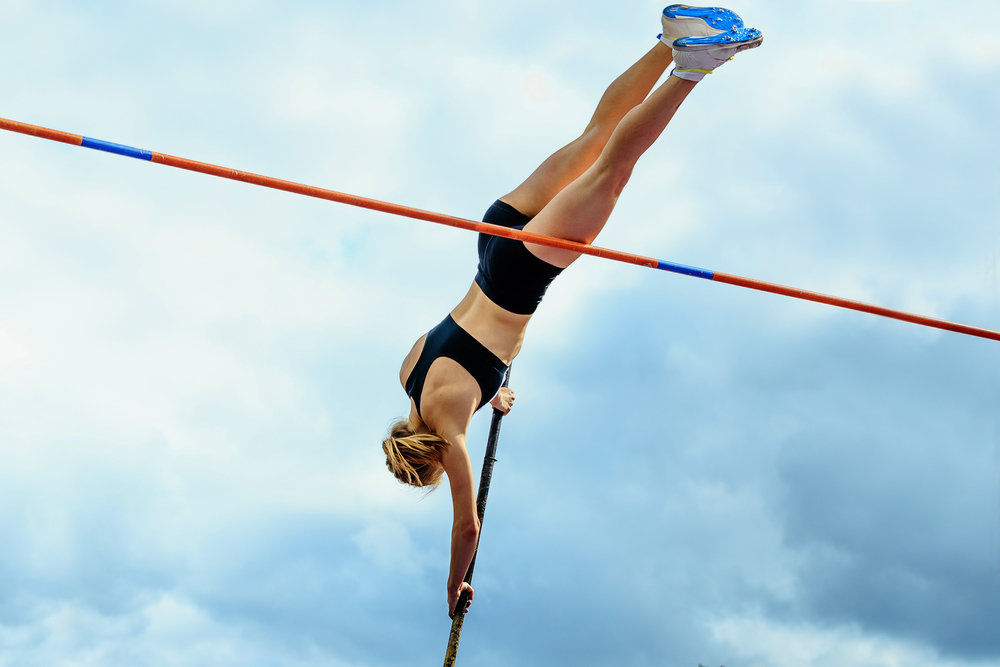
He also identified several production techniques that the organization believes deserve closer attention. “Lingering shots on bodies, low-angle cameras that capture revealing views, and excessive slow-motion replays that serve no technical or storytelling purpose are among the issues observed in the media coverage of women’s athletics competitions today,” Killane explained.
For broadcasters, the guidance offers a practical framework rather than mandatory rules. Producers still retain editorial control over live coverage, but the EBU hopes these recommendations will encourage more consistent standards that keep the focus on sporting excellence instead of images that may later become viral for the wrong reasons.
Where The New Guidance Could Be Introduced First
Because the BBC is a member of the European Broadcasting Union, the recommendations could begin appearing during coverage of the European Athletics Championships, which start on August 10 in Birmingham. The championships will be broadcast by BBC Sport, making them one of the first major events where viewers may notice a different approach to camera placement and replay selection.
The EBU provides sports coverage to broadcasters across 57 countries, giving the organization significant influence over how major international competitions are presented. With a combined audience exceeding one billion people, even small production changes have the potential to affect how millions experience women’s athletics.
The recommendations will not automatically apply everywhere, however. Events such as the Diamond League, although also shown by the BBC, are produced outside the EBU’s broadcast system and therefore are not required to adopt the new guidance. Different broadcasters may choose whether to implement similar standards based on their own production policies.
As women’s sport continues to attract record audiences and greater commercial investment, the discussion is moving beyond how often competitions are shown on television. Increasingly, athletes are asking for coverage that reflects the dedication and talent behind their performances, ensuring that the moments remembered after the final event are defined by sporting achievement rather than avoidable camera angles.
athlete mental health, athletics news, BBC Sport, camera angles, EBU guidelines, European Broadcasting Union, female athletes, Holly Bradshaw, Ivana Spanovic, live sports coverage, Olympic athletes, sports broadcasting, sports broadcasting rules, sports media, sports news, trending news, women in sports, women’s athletics, women’s sports