
Your cart is currently empty!
Trump Pushes AI Companies To Pay Their Own Power Costs
Artificial intelligence is driving one of the biggest infrastructure booms in modern history. Now, it is also fueling a political fight over who should pay for the massive amount of electricity those systems require.
Contents
show
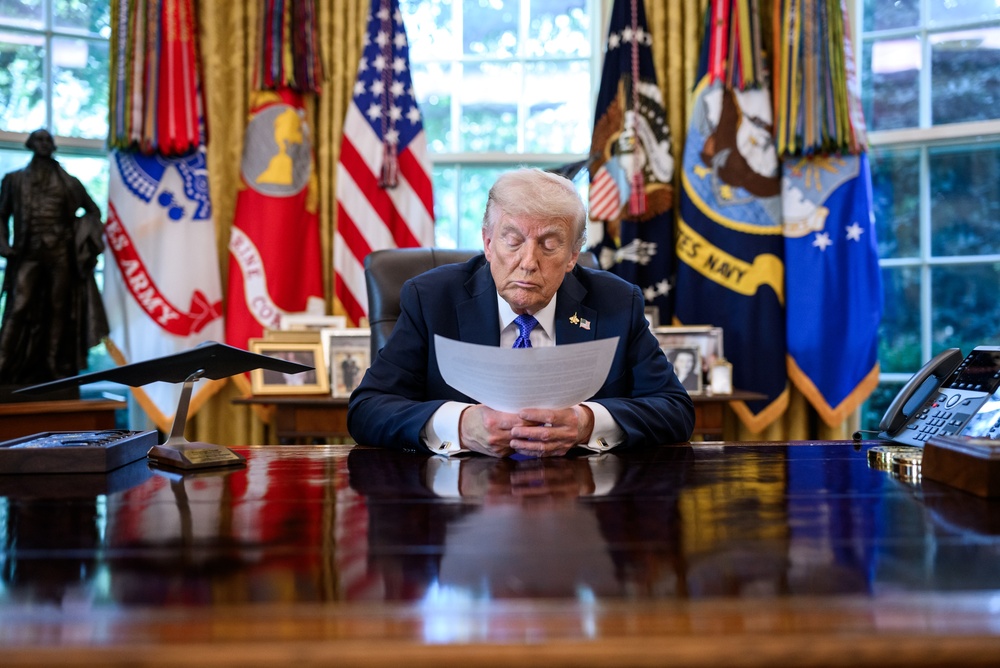
President Donald Trump says the answer is simple. The companies building AI data centers, not American households, should cover the bill. That message took center stage after the White House announced that more than 200 companies, utilities, and Republican elected officials had signed onto a voluntary commitment designed to shield consumers from higher electricity costs.
Trump Expands White House “Ratepayer Protection Pledge”
Speaking during an event at the Environmental Protection Agency, Trump said the administration’s Ratepayer Protection Pledge had attracted support from major utilities, data center developers, and 23 Republican governors.
The initiative asks companies behind AI infrastructure to voluntarily pay for the new power generation, transmission lines, and grid upgrades required to support their rapidly expanding data centers.
“We know that the data centers and A.I. are dramatically increasing the demand for electricity,” Trump said.
He added, “It’s only fair that the cost of building the new infrastructure to meet this demand should be borne by the corporations themselves, not by the American consumers and the American patriots.”
The announcement builds on commitments the administration secured earlier this year from technology companies including Amazon, Google, and Microsoft to assume a greater share of electricity-related infrastructure costs.
Why AI Data Centers Have Become a Political Issue
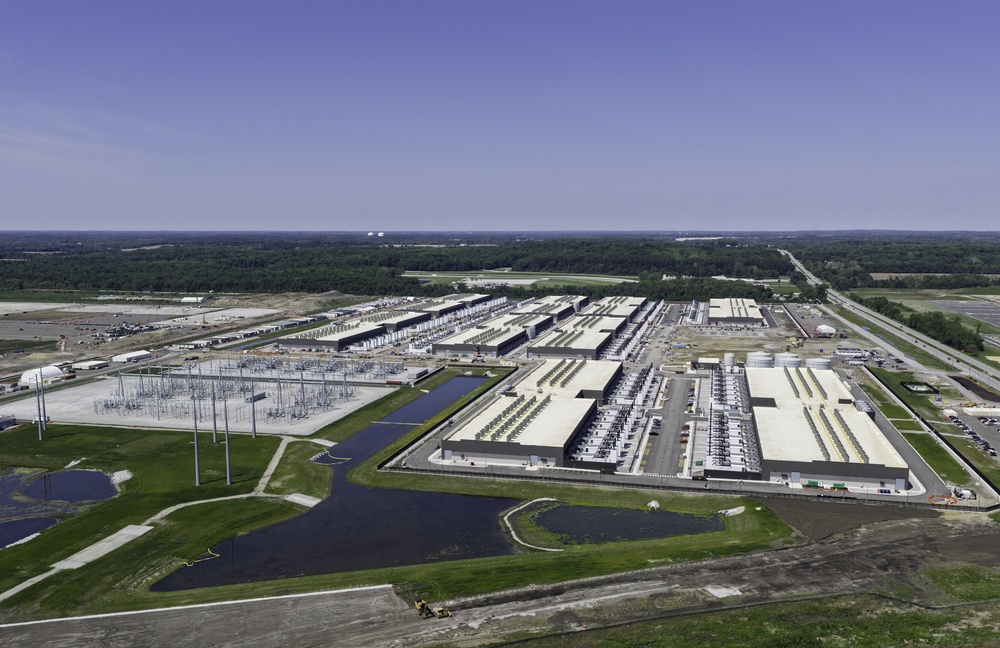
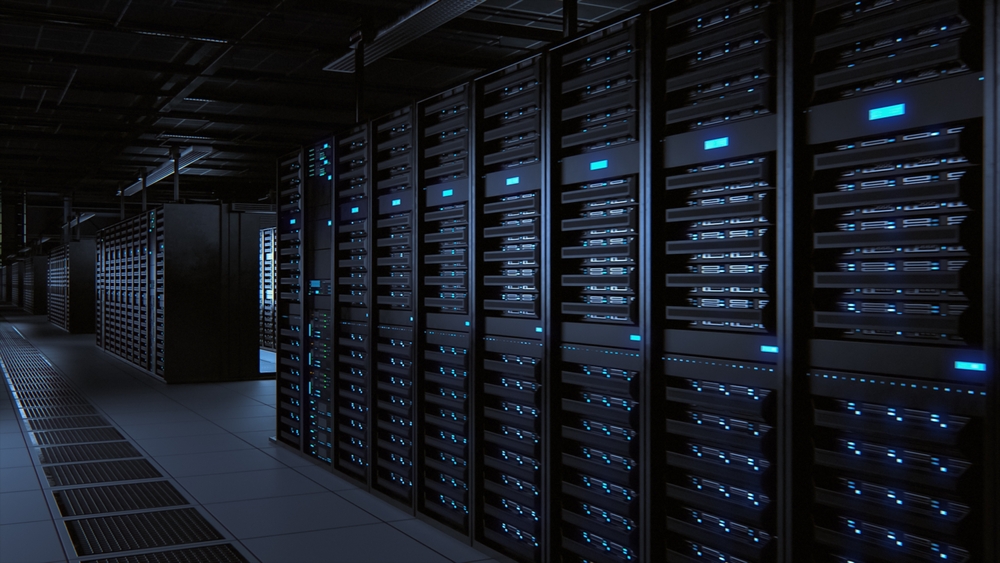
The explosion of artificial intelligence has triggered a race to build enormous computing facilities across the United States.
These facilities consume extraordinary amounts of electricity. Some require as much power as a small city, forcing utilities to consider new power plants, transmission lines, substations, and other expensive infrastructure.
The administration argues that consumers should not subsidise those investments.
Under the voluntary pledge, participating companies agree to:
- Build, buy, or finance new electricity generation needed for their facilities.
- Pay for transmission and grid upgrades linked to their projects.
- Negotiate rate structures that require payment even if the electricity is not fully used.
- Invest in local jobs and workforce development.
- Support grid reliability by coordinating with regional power operators during periods of high demand.
The White House says these commitments will help protect households from future electricity price increases while allowing AI development to continue.
A Growing Coalition Backing the Initiative

Support for the pledge extends beyond technology companies.
Trump announced that several of America’s largest electric utilities have joined the effort, including companies serving millions of residential customers. Major data center developers have also signed alongside Republican governors.
The administration presents the initiative as an attempt to balance two competing priorities:
Trump has repeatedly argued that the United States must continue expanding AI infrastructure to remain ahead of China.
His administration has promoted faster permitting for data centers and has eased some environmental restrictions affecting power generation needed to support the industry’s rapid growth.
At the same time, the White House acknowledges growing public concern over electricity prices.
Rather than slowing AI investment, officials argue that technology companies should absorb the additional infrastructure costs their projects create.
The pledge is intended to demonstrate that AI expansion and consumer protection can coexist.
Opposition to Data Centers Continues to Grow
Despite the administration’s support, resistance to large AI projects has intensified across the country.
Communities have raised concerns about several issues, including:
- Higher electricity demand.
- Increased water consumption.
- Noise generated by massive facilities.
- Local environmental impacts.
- Pressure on ageing power grids.
Trump argued those concerns overlook the economic benefits.
“You have communities that really want the data centers, and frankly, those are the smart communities because it means tremendous numbers of jobs and very little actual disruption,” he said.
He also pointed to Richland Parish, Louisiana, where tax revenue linked to a Meta data center reportedly funded $50,000 bonuses for local teachers.
Democrats Pursue a Different Strategy
The pledge has also exposed a growing political divide.
According to the administration, Democratic governors were not invited to Thursday’s event, and none have signed the initiative.
Several Democratic-led states are pursuing their own approaches to limiting the impact of data centers on consumers.
New York recently became the first state to pause construction of the largest new data centers for one year while officials study their effects on electricity demand and the environment.
More than a dozen additional states are reportedly considering similar measures as lawmakers weigh how to manage AI’s rapidly expanding energy footprint.
Experts Say the Pledge May Be Difficult to Enforce
Although the White House has framed the Ratepayer Protection Pledge as a safeguard for consumers, energy experts caution that the agreement is voluntary and may not automatically translate into lower utility bills.
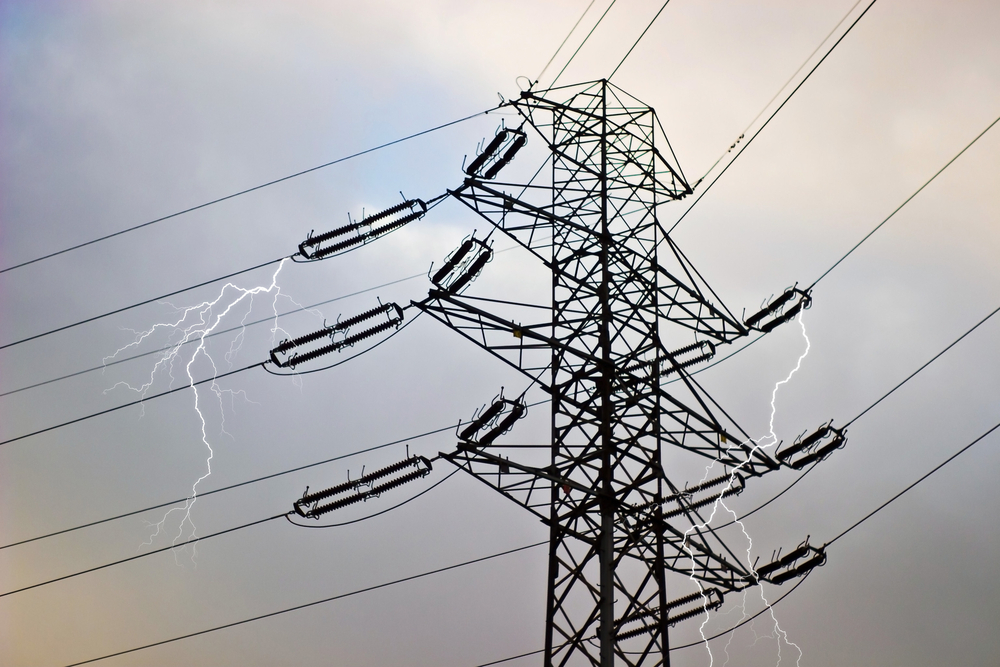
Electricity pricing is largely determined by state utility commissions, regional grid operators and local utilities rather than the federal government. That means many of the financial arrangements needed to make the pledge work remain outside the White House’s direct control.
Ari Peskoe, director of the Electricity Law Initiative at Harvard University, questioned how much practical impact the commitments will have.
“The pledges are clearly symbolic and a lot of theater,” Peskoe said. “What matters is what actually happens at the utility level.”
The administration has encouraged PJM Interconnection, the nation’s largest regional electricity grid serving about 65 million people across the Mid-Atlantic, to develop a framework allowing data centres to fund new power generation. However, discussions between utilities, regulators and technology companies are still ongoing.
Why Households Could Still See Higher Bills

Even if technology companies agree to pay more, experts say consumers may still face higher electricity costs because of how utility infrastructure is financed.
Building AI data centres often requires more than a direct connection to the grid. Utilities may need to expand substations, construct transmission lines or build additional generating capacity to meet growing demand.
Those broader improvements are frequently treated as system-wide investments rather than expenses tied to a single customer.
That creates a situation where residential customers could still pay part of the bill through future electricity rates.
Experts also point to another complication.
Large AI facilities can temporarily reduce their electricity use during periods of peak demand through automated systems. Doing so may reduce the share of certain grid costs assigned to those facilities, even if they consume enormous amounts of electricity throughout the rest of the year.
Some analysts have cited similar practices among cryptocurrency mining operations in Texas.
A New Bill Would Make States Examine Cost Recovery

The administration’s pledge is being accompanied by legislative action on Capitol Hill.
The House Committee on Energy and Commerce recently approved the Ratepayer Protection Act with unanimous bipartisan support in a 52-0 vote.
If enacted, the legislation would require state utility regulators to consider policies ensuring that large electricity users, including qualifying data centres, recover the full incremental cost of infrastructure needed to serve their operations.
Supporters argue the bill would establish clearer standards than a voluntary pledge alone.
House Energy and Commerce Committee Chairman Brett Guthrie said lawmakers have concluded that Congress has a responsibility to protect consumers from bearing the costs of AI expansion.
“The Ratepayer Protection Act will ensure that data centers pay their own way, instead of passing costs onto hardworking families,” Guthrie said.
Representative Gabe Evans described the proposal as a “commonsense” measure designed to prevent families, farmers, seniors and small businesses from subsidising new energy infrastructure while allowing America to compete in the global AI race.
The Debate Reflects AI’s Growing Energy Challenge

Artificial intelligence has become one of the fastest-growing sources of electricity demand in the United States.
The enormous computing clusters used to train advanced AI models require vast amounts of power, prompting utilities across the country to plan billions of dollars in new infrastructure.
While supporters argue the investment will create jobs, strengthen America’s technological leadership and generate new tax revenue, critics worry the rapid pace of development could strain ageing power grids and increase costs for households.
That tension has placed energy policy at the centre of the broader debate over artificial intelligence.
The Next Test Will Come at the State Level
Trump’s Ratepayer Protection Pledge signals the administration’s determination to keep expanding AI infrastructure while assuring voters they will not bear the financial burden.
Whether that promise translates into lower electricity bills remains uncertain.
The ultimate decisions on who pays for new power plants, transmission upgrades and grid expansion will largely be made by state regulators, utilities and regional grid operators. Their rulings, rather than the pledge itself, are likely to determine whether households are insulated from rising costs as the AI boom accelerates.