
Your cart is currently empty!
Newly Released Biden Audio Revives Classified Documents Debate
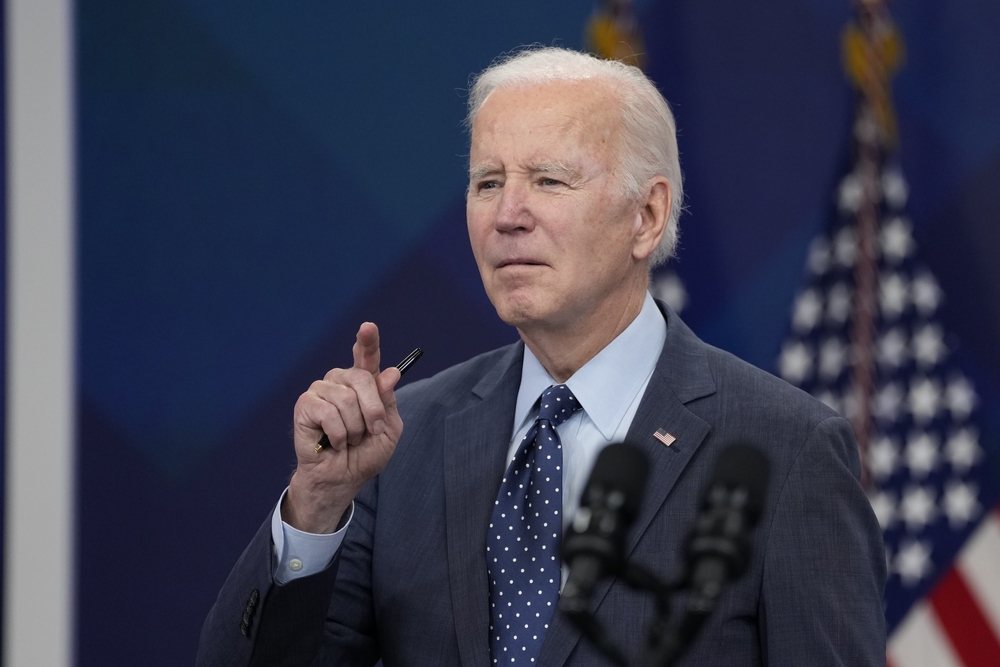
The release of nearly three hours of audio recordings from former President Joe Biden’s interviews with his memoir ghostwriter has brought fresh attention to one of the most closely watched investigations of his post-vice presidency. The recordings, which Biden spent years trying to keep private, provide the public with the conversations that became central evidence in Special Counsel Robert Hur’s classified documents inquiry.
Contents
show
The tapes capture Biden reflecting on foreign policy, personal tragedy, and his years serving alongside President Barack Obama. They also include moments where he struggles to recall names, dates, and events while discussing notebooks containing sensitive government information. Supporters argue the recordings simply show an ageing public figure recalling events from memory. Critics say they reinforce concerns that became a defining political issue during his presidency.
Long Legal Fight Ends With Public Release
The recordings originate from interviews conducted in 2016 and 2017 between Biden and memoir ghostwriter Mark Zwonitzer while preparing Promise Me, Dad: A Year of Hope, Hardship, and Purpose. At the time, Biden had recently completed eight years as vice president and was reflecting on both his public career and the loss of his son, Beau Biden.
The interviews later became evidence during Special Counsel Robert Hur’s investigation into classified documents discovered at Biden’s Delaware home and other locations after he left office.
For more than two years, the recordings remained out of public view.
The Oversight Project, a conservative organisation affiliated with the Heritage Foundation, pursued their release through the Freedom of Information Act. Biden challenged those efforts in court, arguing the recordings were private conversations created for a book project rather than material intended for public release.
That legal challenge came to an end after a federal appeals court rejected Biden’s effort to block disclosure. Rather than continue the fight, his legal team withdrew the lawsuit, allowing the Department of Justice to release approximately two hours and 45 minutes of recordings along with heavily redacted transcripts.
The House Judiciary Committee confirmed the material had been released following the conclusion of the legal proceedings.
Jeff Clark, Vice President of Litigation at the Oversight Project, described the recordings as information the public had a right to hear because they formed part of a high-profile federal investigation involving a former president.
Biden’s representatives viewed the situation differently. They maintained that the interviews had been voluntarily provided to investigators during the Justice Department’s inquiry with the expectation they would remain confidential.
Conversations That Became Evidence

The recordings offer an unusual look at how a memoir takes shape.
Throughout the sessions, Biden and Zwonitzer worked through handwritten notes, calendars and notebooks spanning decades of public service. The discussions moved between family memories, policy debates, campaign decisions and foreign affairs.
What appeared to be routine conversations for a memoir eventually became significant pieces of evidence once investigators examined Biden’s handling of classified documents.
Several passages attracted particular attention because Biden referred to notebooks that may have contained classified information.
In one October 2016 recording, Biden discussed keeping extensive notes from his years in office.
“There was a lot of stuff going on at the same time in foreign policy,” Biden said.
He continued by explaining that he had extensive notes covering that period. After Zwonitzer expressed surprise that the material was still available, Biden replied, “Yeah, now, there’s a lot of other notes too.”
He then added a remark that would later receive considerable scrutiny.
“They didn’t even know I had this.”
Although much of the surrounding context remains redacted, the exchange became one of several examples cited by critics after the recordings were released.
Another conversation from February 2017 drew even greater attention.
While discussing a diary entry involving a National Security Council meeting, Biden told Zwonitzer that “part of it’s classified.”
Later in the same interview, he appeared to reference documents he had recently located.
“So this was… I just found all the classified stuff downstairs.”
He immediately continued by describing a handwritten memorandum he had prepared years earlier opposing additional troop deployments to Afghanistan.
Large portions of both the recordings and transcripts remain redacted to protect information covered by national security restrictions and presidential communications privilege.
Importantly, investigators never alleged that classified material appeared in Promise Me, Dad after its publication.
Instead, the recordings became relevant because they documented conversations about notebooks and records that investigators later examined during the classified documents inquiry.
Biden Frequently Warned About Sensitive Material
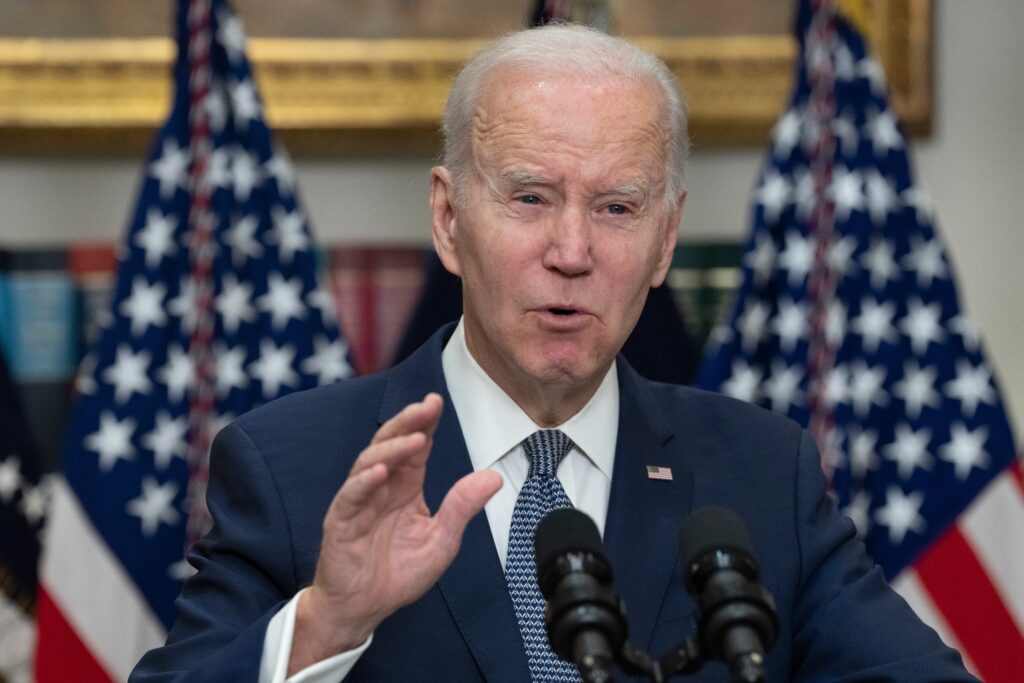
One of the most discussed exchanges occurred during an interview recorded on April 24, 2017.
As Biden reviewed notes relating to a Situation Room meeting from 2014, he paused to caution his ghostwriter.
“Some of this may be classified, so be careful,” Biden said.
He immediately qualified the remark.
“I’m not sure. It isn’t marked classified, but…”
The sentence trails off before the conversation continues.
That exchange has become one of the most quoted portions of the recordings because it appears to show Biden recognising that some of the material being discussed could involve sensitive government information.
Critics argue the remark supports concerns about his handling of official records after leaving office.
Supporters note that Biden was expressing uncertainty about the documents rather than stating they were unquestionably classified.
The recordings themselves do not resolve that debate.
Many surrounding passages remain redacted, making it impossible for listeners to determine the full context of the discussion.
Throughout the interviews, Biden and Zwonitzer repeatedly paused when conversations approached material that appeared to involve government records or national security topics.
The extensive redactions further demonstrate that investigators believed parts of the conversations contained information requiring continued protection.
Recordings Show Moments of Memory Lapses

Beyond the discussion of classified material, the recordings have generated widespread attention because they capture Biden struggling to remember names, dates and events during lengthy conversations.
The moments vary in significance.
Some involve ordinary pauses while searching for a specific detail. Others extend for longer periods before Zwonitzer supplies the missing information.
During one discussion about economic policy advisers, Biden attempted to remember the name of economist Alan Krueger.
“I’ll think of his name,” Biden said.
Moments later, he acknowledged the difficulty.
“I should write the names down because I keep forgetting them.”
After a noticeable pause, Zwonitzer supplied Krueger’s name before the discussion continued.
Another exchange involved Biden recalling a memorial service he had attended.
Reviewing his notes, he became uncertain about both the date and the identity of the fallen service member being honoured.
“I think I went to that memorial service in Wilmington,” Biden said while reading through his notebook.
He then admitted he could not remember the name recorded in his notes.
“I forget.”
Rather than attempting to move past the uncertainty, Biden told Zwonitzer he would make a note to verify the information later.
Similar moments appear elsewhere throughout the recordings.
While discussing former Treasury Secretary Larry Summers, Biden asked Zwonitzer to remind him when they had met for lunch because he could not immediately place the timeline.
At another point, he interrupted himself by saying, “Here’s what happened, before I forget. Don’t mind my train of thought.”
The conversations include long pauses where Biden appears to reconstruct timelines from memory before continuing.
These moments became particularly significant because they closely resemble descriptions later included in Robert Hur’s report.
The Audio Mirrors Robert Hur’s Assessment

When Special Counsel Robert Hur released his report in 2024, one section quickly overshadowed almost everything else.
Hur concluded that prosecutors had uncovered evidence showing Biden had retained classified information after leaving office. However, he recommended against criminal charges because he believed securing a conviction would be difficult.
A central part of that reasoning focused on how a jury would likely perceive Biden.
Hur described him as “a sympathetic, well-meaning, elderly man with a poor memory.”
The report also stated that Biden’s memory had been “significantly limited” both during the ghostwriter interviews in 2017 and during interviews conducted with investigators in 2023.
Those observations immediately became politically explosive.
Biden forcefully rejected Hur’s characterisation, arguing that his memory remained strong and accusing the special counsel of making unnecessary personal observations unrelated to the legal conclusions.
His allies similarly argued that Hur had ventured beyond the evidence by offering opinions about the former president’s mental sharpness.
The newly released recordings now allow the public to hear many of the conversations Hur referenced when making those assessments.
Some listeners point to the repeated pauses and forgotten names as supporting Hur’s conclusions.
Others note that despite occasional memory lapses, Biden also demonstrated detailed knowledge of foreign policy discussions, White House meetings and legislative negotiations spanning decades.
The recordings capture both sides of that picture, providing far more nuance than isolated excerpts or written descriptions alone.
Biden’s Team Condemns the Release
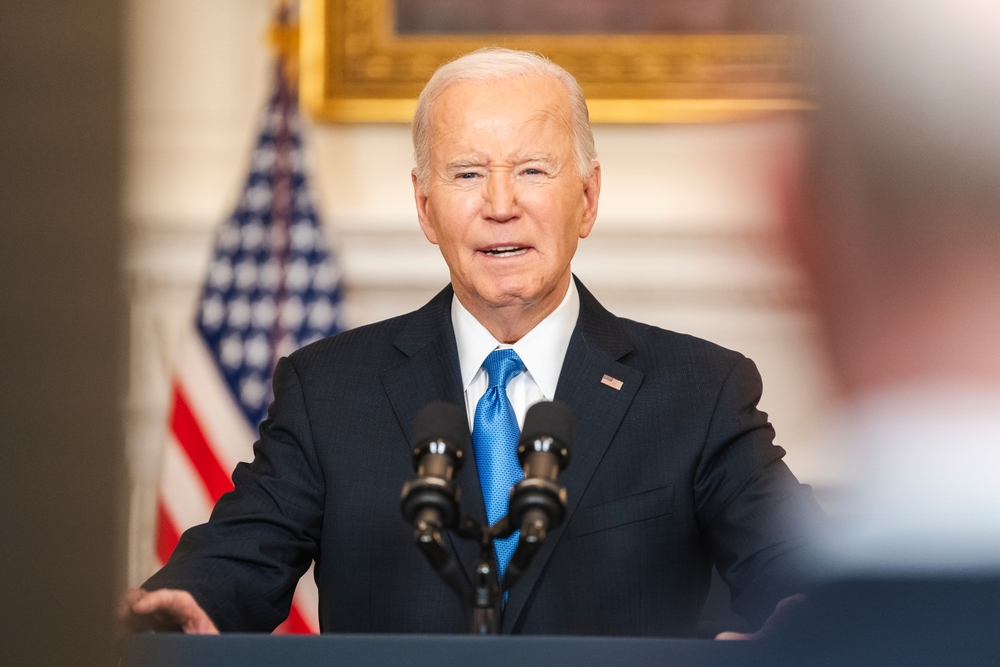
The release of the recordings immediately prompted a sharp response from Biden’s representatives, who argued that the material was never intended for public consumption.
Biden spokesperson TJ Ducklo criticised the Department of Justice’s decision to release the recordings after years of litigation, saying the interviews had been provided to investigators under the expectation that they would remain confidential.
“President Biden’s conversations for a book a decade ago that discussed his late son are private, and were provided to the Department of Justice on the express condition they stay that way,” Ducklo said.
He argued that making the recordings public represented “the latest example of this Administration weaponizing the DOJ for political retribution.”
Despite objecting to the release, Biden’s legal team ultimately withdrew its lawsuit after a federal appeals court ruled there was substantial public interest in making the material available.
The decision effectively ended Biden’s effort to keep the recordings sealed, although the former president continued to maintain that the interviews should have remained private.
For Biden’s supporters, the issue extends beyond the classified documents investigation itself. They contend the recordings capture deeply personal conversations recorded while Biden was writing about one of the most painful periods of his life following the death of his son Beau.
That context, they argue, should not be overlooked when evaluating moments where Biden pauses, becomes emotional or struggles to remember details from years earlier.
A Political Flashpoint Re-Emerges
The release of the recordings has quickly become another chapter in the long-running debate surrounding Biden’s age and mental sharpness.
Questions about his fitness for office dominated much of the political conversation during the latter years of his presidency, particularly after Special Counsel Robert Hur released his report and later following Biden’s widely criticised debate performance during the 2024 presidential campaign.
Although the recordings date back to 2016 and 2017, opponents argue they demonstrate that concerns about Biden’s memory were visible years before he entered the White House.
Jeff Clark of the Oversight Project said the tapes confirmed what critics had long maintained.
“The tapes have always belonged to the American people,” Clark said after the recordings were released. “The knowledge of his deterioration was well-established.”
Others interpret the recordings differently.
While Biden occasionally struggles to recall names or specific dates, he also spends extended periods discussing detailed policy disagreements, international affairs and legislative negotiations without apparent difficulty.
During several conversations, he accurately recounts meetings from years earlier, explains complex foreign policy decisions and revisits internal debates within the Obama administration.
One exchange includes Biden reflecting on disagreements with former President Barack Obama over housing and economic policy.
“I think the reason why we didn’t do more,” Biden said, “is because I think that, this is a harsh thing to say, but I think subconsciously, at least, Barack and his guys were beholden to Silicon Valley.”
The recordings therefore present a more complete picture than isolated excerpts alone.
Listeners hear moments where Biden loses his train of thought, but they also hear long stretches of coherent discussion covering subjects ranging from Afghanistan policy to economic recovery following the financial crisis.
That balance is likely to shape how different audiences interpret the recordings.
Revisiting the Classified Documents Investigation
The recordings also revive attention to the classified documents investigation that dominated headlines throughout 2023 and early 2024.
Federal investigators examined classified records discovered at Biden’s Delaware home and other locations connected to his post-vice presidency.
According to Robert Hur’s report, Biden had retained documents relating to military operations, foreign policy and national security after leaving office.
The report also stated that some of Biden’s handwritten notebooks contained classified information and that he had shared portions of those notebooks with his ghostwriter while working on his memoir.
Hur concluded that evidence supported the finding that Biden had retained and disclosed classified information after his vice presidency.
Even so, the investigation stopped short of recommending criminal prosecution.
Hur determined prosecutors would face considerable difficulty proving beyond a reasonable doubt that Biden acted with the criminal intent required for conviction.
His report stated that jurors could reasonably conclude Biden had simply made mistakes rather than intentionally violated federal law governing classified records.
That legal conclusion remains unchanged despite the release of the recordings.
The audio has generated renewed political discussion, but it does not reopen the investigation or alter the Justice Department’s decision not to pursue charges.
Likewise, there have been no allegations that classified information appeared in Promise Me, Dad after its publication.
Instead, investigators focused on Biden’s handling of notebooks, memoranda and other records created during his years in public office.

Another Comparison With Trump’s Case
The renewed attention surrounding Biden’s recordings has also revived comparisons with former President Donald Trump’s own classified documents case.
Both investigations centred on former presidents retaining sensitive government records after leaving office, but they reached very different legal outcomes.
Hur concluded that charges against Biden were not warranted because prosecutors would struggle to establish criminal intent before a jury.
Trump, by contrast, was indicted on federal charges relating to classified documents found at his Mar-a-Lago residence.
That prosecution was later dismissed by a federal judge, who ruled that the appointment of Special Counsel Jack Smith violated constitutional requirements.
Supporters of both men have frequently pointed to the differing outcomes as evidence of unequal treatment, while critics argue the facts of each investigation were substantially different.
The release of Biden’s ghostwriter recordings is unlikely to settle those arguments.
Instead, they add another layer to a political debate that has continued through multiple election cycles and remains deeply partisan.
Public Access Ends Years of Speculation
For nearly two years, discussion surrounding the ghostwriter recordings relied largely on Robert Hur’s written descriptions and selected excerpts quoted in legal filings.
The public had never heard the conversations themselves.
That changed with Monday’s release.
Listeners can now hear Biden’s pacing, pauses and tone rather than relying solely on written transcripts or political interpretations.
Some passages closely resemble Hur’s descriptions of a man struggling to remember names and timelines.
Other sections reveal Biden speaking confidently about diplomatic strategy, congressional negotiations and personal experiences from decades in public service.
Because of that, the recordings are unlikely to produce a single, universally accepted interpretation.
Supporters and critics will probably continue drawing different conclusions from the same material.
What is certain is that the recordings have become part of the historical record surrounding one of the most closely scrutinised investigations involving a former American president.
The legal battle over whether the public should hear them has now ended.
The political debate over what they reveal is only beginning.