
Your cart is currently empty!
Trump Wants Heroic California Lifeguard Honored at the White House

A split-second decision on a California beach has become one of the most talked-about rescue stories in the United States, drawing praise from millions online and earning recognition from the White House.
Contents
show
President Donald Trump announced this week that the teenage lifeguard who fought through dangerous surf to save a young boy from the Pacific Ocean will be invited to Washington, where he says the young rescuer deserves a “High Civilian Honor” for his extraordinary courage.
Trump Says Heroic Teen Deserves National Recognition
The announcement came days after dramatic footage from Seabright State Beach in Santa Cruz spread across social media, showing a teenage lifeguard repeatedly disappearing beneath towering waves while refusing to let go of a struggling child.
Reacting to the viral rescue, Trump praised the teenager’s bravery in a message posted on Truth Social.
“We’re going to bring this heroic young man, and his family, into the White House with, perhaps, the boy he saved, to give him a High Civilian Honor. Very brave, he deserves it!”
Although Trump did not identify the specific award he intends to present, his statement immediately sparked widespread discussion about what form the recognition could take.
The president’s comments also transformed what had already been a widely shared local rescue into a national story. Within hours, the teenager’s actions were being discussed across television networks, news websites and social media platforms as Americans applauded his willingness to risk his own safety to save someone else.
The rescue struck a chord because it showed a young public servant performing under extreme pressure. With powerful waves crashing around him and precious seconds slipping away, the lifeguard continued fighting through conditions that many experienced swimmers would hesitate to enter.
The Rescue That Left Beachgoers Holding Their Breath
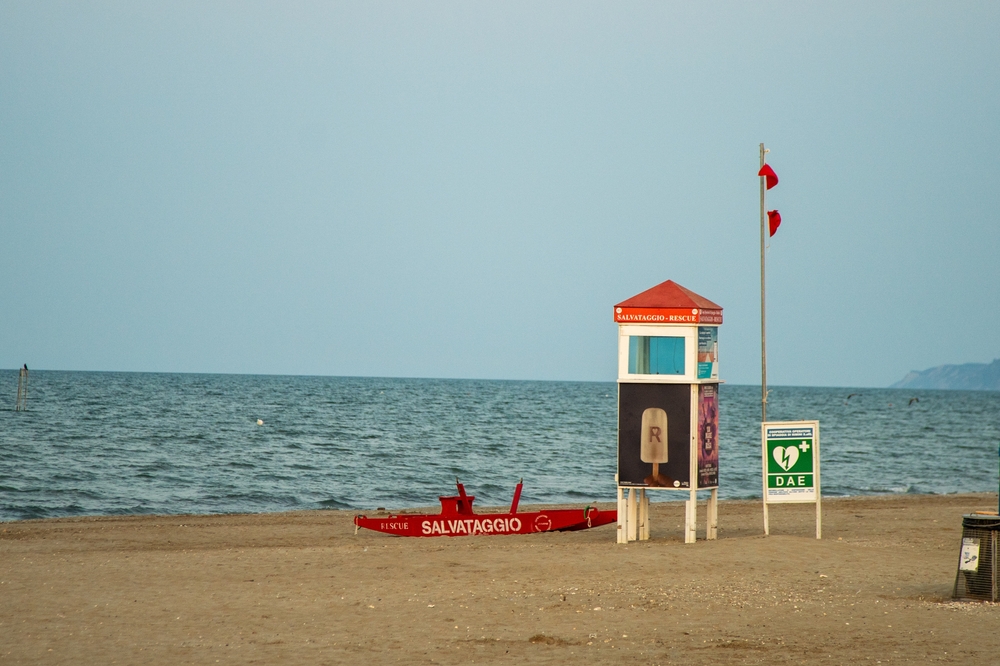
The incident unfolded on Saturday afternoon at Seabright State Beach, a popular stretch of coastline in Santa Cruz known for its scenic views as well as its unpredictable surf.
According to California State Parks, the rescue began at approximately 3:32 p.m. after a 10-year-old boy lost his footing while standing near the shoreline.
A wave knocked the child off balance before the strong current carried him away from the beach.
Officials said the boy was swept roughly 15 yards offshore, placing him in rapidly changing water conditions that can become life-threatening within moments.
The first person to react was 16-year-old Ryder Williams, who was working as a California State Parks lifeguard.
Williams immediately entered the water and reached the child. Another state lifeguard soon joined the effort as both battled the pounding surf while attempting to bring the boy back toward shore.
California State Parks later confirmed that the rescue ended successfully, with the child suffering no serious injuries before being reunited with his parents following evaluation by paramedics.
While official statements described the sequence of events, the viral footage revealed just how difficult those few minutes actually were.
Video Shows the Scale of the Challenge
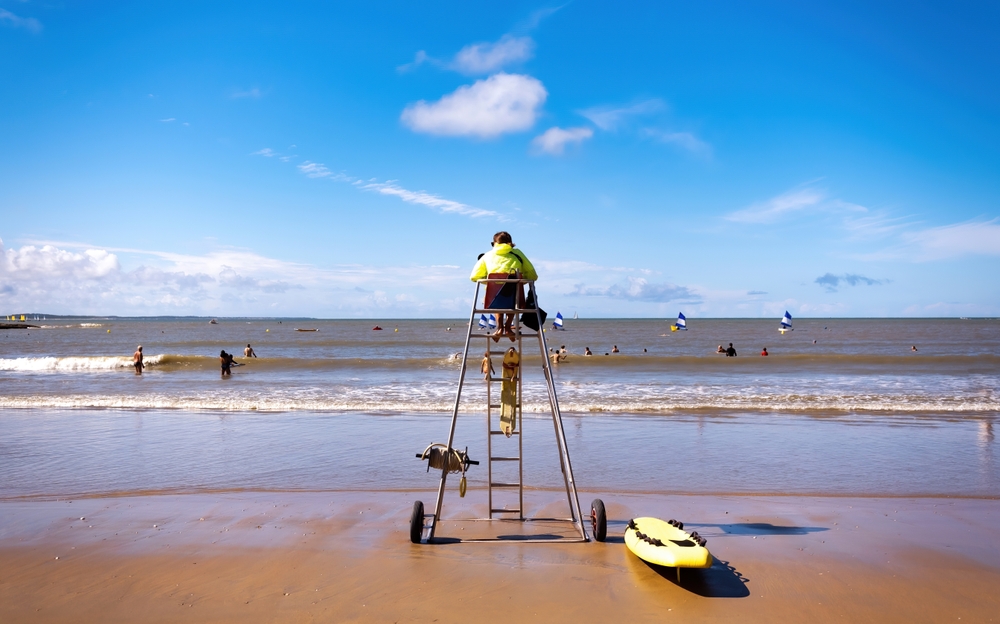
The rescue gained national attention after bystander Scott Vander Dussen recorded much of the incident from the beach.
His video quickly spread online, attracting millions of views as viewers watched Williams disappear beneath breaking waves before resurfacing again while maintaining his grip on the child.
The footage offered little time for dramatic narration. Instead, it showed the relentless force of the Pacific Ocean and the determination required simply to stay afloat.
At several points, both the lifeguard and the child vanished beneath crashing whitewater before emerging again only seconds later.
People watching from the shoreline could do little except hope the pair would make it back.
The video also highlighted another reality of ocean rescues. Even trained professionals can appear overwhelmed when confronted by powerful surf, yet they continue working because turning back is not an option.
For many viewers, that determination became the defining image of the rescue.
Witnesses Describe a Frightening Scene

Those standing on the beach said conditions changed with little warning.
Vander Dussen later recalled that many people had been enjoying what appeared to be an ordinary afternoon when the surf suddenly intensified.
“It caught a lot of people off-guard,” he said.
He explained that the young boy became overwhelmed almost instantly after being struck by the incoming waves.
“Unfortunately, this young man was overwhelmed and swept out in just a moment’s time.”
Witnesses described the ocean as growing increasingly violent, with wave after wave crashing onto the child as he struggled to remain above the surface.
The rapidly changing conditions left little opportunity for hesitation.
Vander Dussen believed the outcome would likely have been very different had trained lifeguards not responded immediately.
“I’m glad it ended the way it did,” he said.
“I’m certain if the lifeguards weren’t there, he wouldn’t have gone home that night.”
His account echoed what many viewers concluded after watching the rescue unfold on video.
The difference between tragedy and survival appeared to come down to the speed, training and determination of the lifeguards already stationed on the beach.
Other Beachgoers Tried to Help

Although Williams became the face of the rescue, witnesses indicated that others also rushed toward the shoreline as the emergency unfolded.
Social media users claiming to have been present said beachgoers attempted to form a human chain in hopes of reaching the child.
According to those accounts, the pounding surf quickly broke apart those efforts before they could reach the struggling boy.
Instead, the rescue remained in the hands of the trained lifeguards battling the waves offshore.
Several witnesses also said the dramatic clips circulating online represented only part of what actually happened.
Some claimed the rescue lasted considerably longer than the video suggested, with Williams continuing to fight through exhausting conditions before finally bringing the child close enough for additional assistance.
Once back on shore, the child received medical attention while emergency personnel assessed his condition.
Witnesses also reported that Williams immediately ran for further assistance before returning to help coordinate the emergency response.
Despite the intensity of the incident, accounts from those familiar with the rescue suggest the teenager later resumed his duties, continuing to watch over swimmers for the remainder of the day.
That detail surprised many online, with commenters noting that the teenager appeared to treat the extraordinary rescue as simply another responsibility of the job.
A First Season That Became National News
California State Parks confirmed that Ryder Williams is 16 years old, the minimum age required to serve as a state lifeguard.
The rescue may have occurred during his very first season on duty.
That fact added another layer to a story that had already captured national attention.
For many Americans, it was difficult to imagine someone so young displaying such composure in conditions that experienced ocean professionals describe as hazardous.
The Santa Cruz State Lifeguard Association praised Williams after the rescue, saying he had done an excellent job while saving the child’s life.
People claiming to know the teenager also shared messages describing just how physically demanding the rescue had been.
One person wrote that holding onto another person in heavy surf while waves repeatedly crashed overhead was an enormous challenge even for experienced water rescue professionals.
The commenter added that Williams “handled it like a pro,” praising both his determination and his refusal to let go despite the dangerous conditions.
As the story continued spreading across the country, attention gradually shifted from the dramatic rescue itself to the possibility that the teenager’s actions would soon be recognised on one of the biggest stages in American public life.
President Trump’s announcement ensured the story was no longer simply about a viral rescue. It had become a national conversation about courage, public service and the kind of heroism that can emerge without warning.
Eric Trump’s Message Helped Bring the Rescue to the White House
Before President Trump announced plans to honor Ryder Williams, his son Eric Trump had already drawn national attention to the teenager’s actions.
After watching the rescue footage, Eric shared the video on social media and urged that the young lifeguard receive the country’s highest civilian recognition.
“Give this 16-year-old lifeguard the highest civilian honor. This is truly the best of America! Well done!”
His post gained significant traction online as thousands of people echoed the sentiment that Williams deserved recognition beyond local praise.
Within a day, President Trump announced that the teenager and his family would be invited to the White House, where he said Williams would receive a “High Civilian Honor.”
Although the president’s statement did not confirm which decoration he had in mind, it marked a remarkable turn for a rescue that had begun as a frightening incident on a California beach only days earlier.
The White House has not announced when the ceremony might take place.
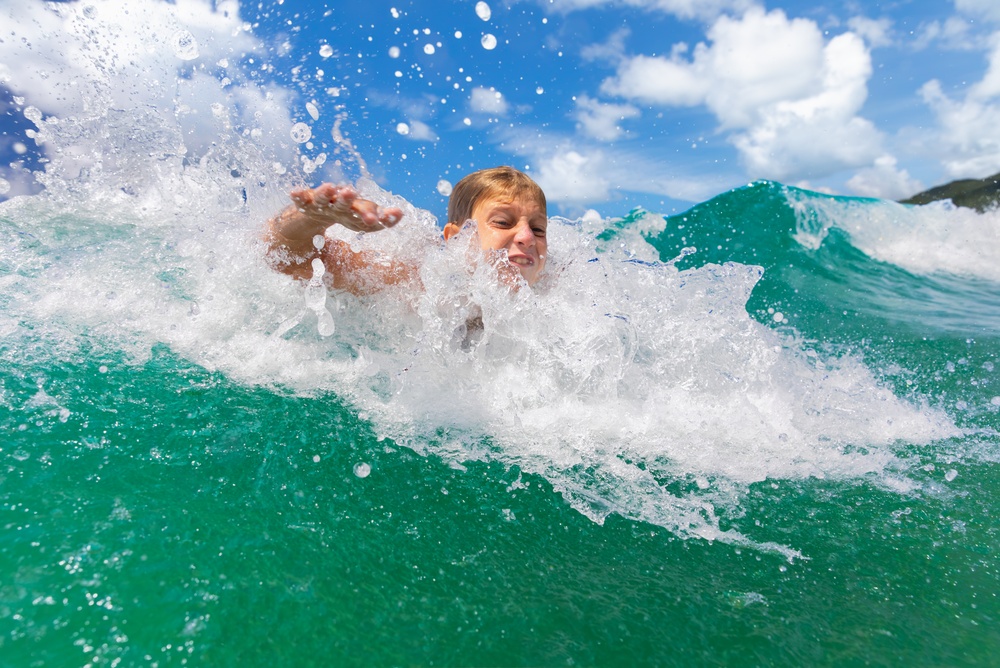
Questions Remain About Which Award Trump Intends to Present
Trump’s announcement generated another wave of discussion after he referred to a “High Civilian Honor” without naming the specific award.
The United States has several civilian decorations presented by the president, though each serves a different purpose.
The Presidential Medal of Freedom is generally regarded as the nation’s highest civilian honor. It recognises individuals who have made exceptional contributions to the security or national interests of the United States, world peace, cultural achievements or other significant public and private endeavors.
Because the medal is traditionally awarded to presidents, military leaders, scientists, artists, athletes and other prominent public figures, some observers questioned whether that was the award Trump intended.
Another possibility mentioned in reports is the Presidential Citizens Medal.
That decoration honours Americans who perform exemplary deeds of service for their country or for fellow citizens. It has frequently been presented to first responders, volunteers and ordinary citizens whose actions saved lives or strengthened their communities.
At this stage, the White House has not clarified which award Williams could receive.
Trump simply stated that the teenager deserves a “High Civilian Honor,” leaving the exact recognition unknown until further details are announced.
The Demanding Training Behind California State Lifeguards
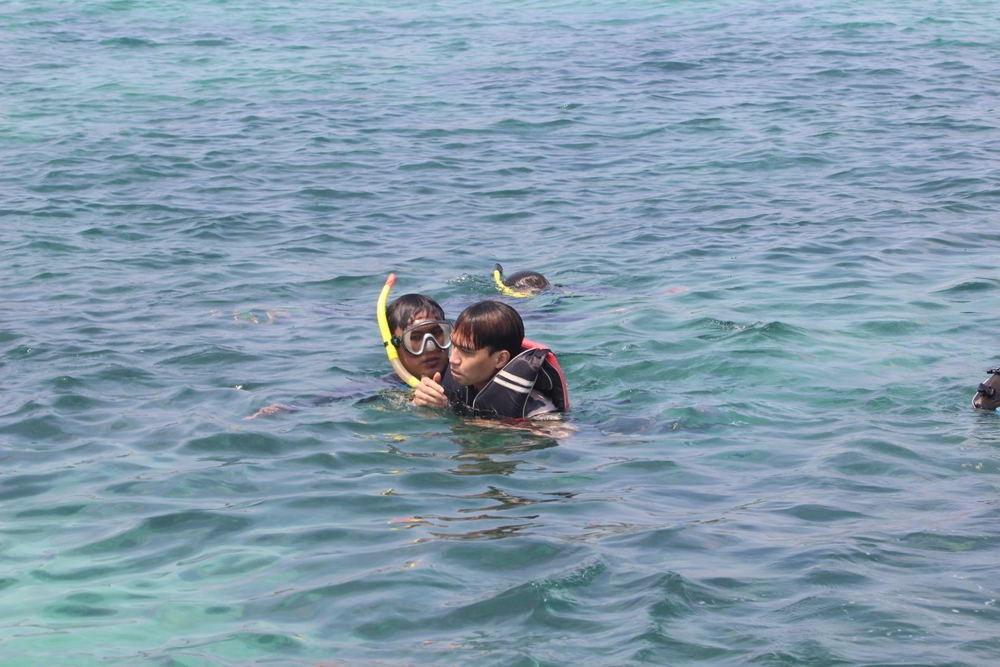
The rescue also highlighted the rigorous preparation required before someone is allowed to patrol California’s beaches.
Although Williams is only 16 years old, California State Parks requires lifeguards to complete extensive training before taking responsibility for public safety.
According to information released following the rescue, state lifeguards must complete at least 56 hours of lifeguard instruction.
They also undergo more than 80 hours of marine safety training designed to prepare them for rescues in unpredictable ocean conditions.
In addition, candidates complete 24 hours of medical certification training so they can respond to emergencies after victims are brought safely back to shore.
Those requirements are intended to prepare lifeguards for some of the most challenging coastal conditions in the country.
Even with that training, experienced rescuers acknowledge that every ocean rescue is different.
Changing tides, wave direction, underwater currents and rapidly shifting weather can transform a routine patrol into a life-or-death situation within moments.
The conditions at Seabright Beach on Saturday offered exactly that kind of challenge.
Why Seabright Beach Can Become So Dangerous
While the rescue surprised many viewers around the country, people familiar with Santa Cruz beaches know that Seabright’s shoreline can quickly become hazardous.
The beach is known for powerful shore breaks created by swells arriving from multiple directions.
Those conditions can produce waves that appear manageable one moment before suddenly increasing in size and force.
Witnesses to Saturday’s rescue described exactly that scenario.
Several people said the water initially looked relatively calm, with families standing near the shoreline and children playing close to the surf.
Then a much larger wave arrived without warning.
One witness said the wave pushed much farther up the beach than anyone expected.
“It was so big it nearly reached us by our things all the way up the beach!”
That sudden change appears to have caught many people by surprise, including the child who was swept into the ocean.
Officials have also noted that massive waves recently affected parts of the eastern Pacific as tropical cyclones generated powerful swells that eventually reached California’s coastline.
Those ocean conditions increased the danger for swimmers, particularly children and inexperienced beachgoers.
Americans Praised the Teen’s Calm Under Pressure
As the rescue video continued spreading online, thousands of people praised Williams for maintaining his composure despite the violent surf.
Many comments focused on the determination shown in the footage.
Rather than letting the waves separate him from the child, Williams maintained his grip while repeatedly disappearing beneath breaking water.
One person claiming to know the teenager explained that many viewers underestimated how physically demanding such a rescue would have been.
“I’m not sure how many people know how hard it is to hold onto someone like that in the ocean, during these heavy conditions and pounding shore break,” the person wrote.
“This lifeguard handled it like a pro, pulled him in most of the way solo and never gave up. That is a feat in itself, especially in those conditions. A true Hero & waterman. I seriously hope he gets recognized for this.”
Those words were written before President Trump’s announcement, making the subsequent White House invitation even more notable.
Other witnesses also claimed Williams resumed watching over beachgoers after the emergency had ended, returning to his lifeguard responsibilities instead of seeking attention for what had happened.
Although those accounts have circulated widely online, the central facts of the rescue remain unchanged.
A child was caught in dangerous surf.
A teenage lifeguard entered the water without hesitation.
Both made it safely back to shore.
A Viral Rescue That Became a National Story
Stories of bravery often spread quickly across social media, but only a small number grow into moments of national recognition.
Williams’ rescue has followed that path.
What began as a terrifying emergency witnessed by beachgoers in Santa Cruz soon became one of the week’s most widely shared videos.
The footage showcased not only the dangers posed by California’s coastline during periods of heavy surf but also the importance of trained lifeguards who respond when every second counts.
President Trump’s decision to invite the teenager to the White House has added another chapter to the story, ensuring that Williams’ actions will be remembered well beyond the California beach where they took place.
While questions remain about the exact civilian award that may be presented, there is little disagreement over the courage displayed during the rescue.
For the family of the 10-year-old boy, the outcome was the one that mattered most.
A frightening afternoon ended with the child safely back on shore, thanks to a teenager who entered the water when others could not.
Whether the recognition ultimately comes in the form of the Presidential Medal of Freedom, the Presidential Citizens Medal or another civilian distinction, Ryder Williams has already earned something that cannot be measured by medals alone.
His actions turned a potentially tragic day into a story of courage that resonated across the country, reminding millions why lifeguards stand watch over America’s beaches every summer.