
Your cart is currently empty!
Newly Released Biden Audio Tapes Reignite Debate Over Classified Documents And Memory
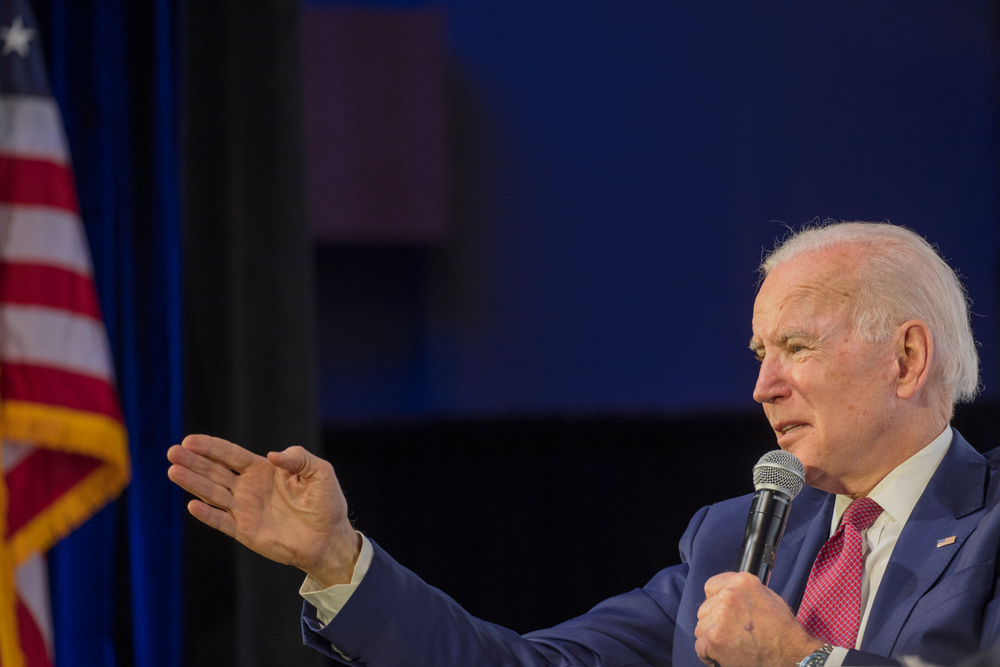
The release of long-sealed audio recordings from Joe Biden’s memoir interviews has thrust the former president back into the political spotlight, reopening debates that shaped the closing years of his presidency. The recordings, made years before Biden entered the White House in 2021, capture conversations about classified material, foreign policy decisions, and moments where he struggled to recall certain dates and details. Supporters argue the tapes show a thoughtful former vice president reflecting on decades of public service, while critics say they reinforce concerns that have followed Biden for years.
Contents
show
The nearly three hours of recordings became public only after a prolonged legal fight over whether they should remain private. Their release has sparked fresh arguments over transparency, presidential records, and Biden’s fitness during the period leading up to his successful 2020 campaign. Although Special Counsel Robert Hur previously declined to pursue criminal charges over Biden’s handling of classified documents, the newly available recordings are once again drawing attention to the investigation and the conclusions that surrounded it.
Audio Recordings Released After Lengthy Legal Battle
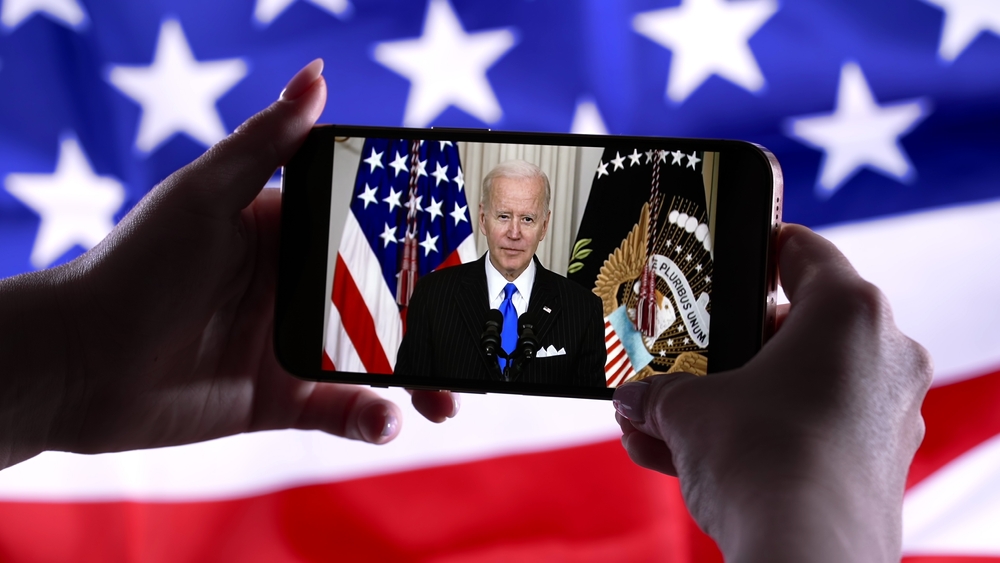
The audio recordings and accompanying transcripts were released by the Oversight Project, an arm of the conservative Heritage Foundation, after Biden dropped his effort to keep the material confidential. The release includes approximately three hours of recorded interviews and 117 pages of transcripts, though many portions remain heavily redacted because they contain information considered sensitive by the government.
The conversations were recorded between 2016 and 2017 as Biden worked with memoir ghostwriter Mark Lewis Zwonitzer on what would eventually become his book Promise Me, Dad. At the time, Biden had recently completed his second term as vice president under President Barack Obama and had not yet announced his campaign for the White House.
For years, the recordings remained out of public view despite growing interest following Special Counsel Robert Hur’s classified documents investigation. Biden argued that the interviews were private conversations conducted solely for the purpose of writing his memoir and should not be released. That position ultimately failed after a federal appeals court ruled there was a substantial public interest in making the material available.
The decision marked the end of a legal battle that had stretched on for months. Rather than continue appealing the case through higher courts, Biden withdrew his lawsuit, allowing both the recordings and transcripts to become public for the first time.

Biden’s Comments About Classified Material Draw Attention
Among the most closely examined portions of the recordings are Biden’s remarks about documents from his time as vice president. During one interview in 2017, he appeared to reference discovering classified material after leaving office.
“I just found all the classified stuff downstairs,” Biden said while speaking with Zwonitzer.
He continued by describing a handwritten memorandum he had written for President Barack Obama regarding troop deployments, saying, “I wrote the president a handwritten 40-page memorandum arguing against deploying additional troops to Iraq… I mean, to Afghanistan on the grounds that it wouldn’t matter, that the day we left would be like the day before we arrived.”
The public cannot fully evaluate the significance of those remarks because the sections containing the potentially classified information remain redacted. Neither the released audio nor the transcripts reveal the specific contents of the documents or the material Biden was referencing during the conversation.
Another moment from the interviews has also attracted widespread attention. While discussing sensitive foreign policy matters handled during the Obama administration, Biden remarked, “They didn’t even know I had this,” before continuing his conversation with Zwonitzer. Like other passages involving national security matters, much of the surrounding discussion has been removed from the public version of the recordings.
How The Interviews Became Part Of A Federal Investigation
The memoir interviews became central evidence during Special Counsel Robert Hur’s investigation into Biden’s handling of classified documents. Hur’s office reviewed the recordings while examining how classified material from Biden’s vice presidency ended up at his home and former office.
After completing the investigation in 2024, Hur decided against filing criminal charges. His report concluded there was insufficient evidence to prove that Biden had intentionally retained or mishandled classified information in a way that could support a successful prosecution.
Hur also explained that a jury would likely view Biden as a sympathetic older man with what he described as a “poor memory,” a characterization that immediately became one of the most controversial aspects of the report. The description dominated political debate for weeks, with Republicans arguing it validated concerns about Biden’s age while Democrats accused Hur of inserting unnecessary political commentary into a legal document.
At the time Hur released his findings, Biden was 81 years old and seeking a second presidential term. Although he forcefully rejected the special counsel’s characterization of his memory, questions surrounding his age remained a major issue throughout the election cycle and intensified after his widely criticized debate performance against Republican Donald Trump.
The Recordings Fuel A New Debate Over Biden’s Memory
Beyond the discussions about classified information, the recordings have also revived one of the biggest political issues surrounding Biden during the final years of his presidency: his age and memory. Throughout the interviews, there are moments where Biden pauses, struggles to recall dates, or briefly loses his train of thought before continuing. Those exchanges have quickly become the focus of political commentary following the tapes’ release.
At the same time, the recordings also paint a more nuanced picture than many headlines suggest. In numerous sections, Biden recalls complex foreign policy discussions, detailed conversations with world leaders, and specific legislative events from his decades in public office. His recollections often match documents and notes referenced during the interviews, showing he remained capable of discussing policy matters in considerable depth.
That contrast mirrors what Special Counsel Robert Hur described in his investigation. While Hur noted Biden’s memory lapses, he also acknowledged that the former president cooperated fully with investigators and answered questions over several hours. Ultimately, Hur concluded there was not enough evidence to support criminal charges over Biden’s handling of classified documents.
Political allies and opponents have interpreted those same recordings in very different ways. Critics argue the memory lapses reinforce long-standing concerns about Biden’s cognitive health, while supporters point to the broader conversations as evidence that isolated moments do not tell the full story of the interviews.
Sharp Political Divide Follows The Release
The release immediately drew strong reactions from both sides of the political aisle. The Oversight Project, which fought to obtain the recordings, argued that the American public had a right to hear them after years of speculation surrounding Hur’s investigation.
Jeff Clark, the organization’s Vice President of Litigation, said, “The tapes have always belonged to the American People, the Oversight Project just delivered them to their rightful owner.”
Clark also argued that the recordings validate concerns about Biden’s condition, saying the evidence of his decline had already been well established. His comments echoed arguments made by many Republicans who questioned Biden’s ability to serve throughout his presidency.
Biden’s representatives strongly rejected those claims. Spokesman TJ Ducklo criticized the decision to release the interviews, arguing they were private conversations recorded solely for the purpose of writing Biden’s memoir. Ducklo accused the Justice Department of reversing its previous position and described the disclosure as politically motivated, saying it represented “the latest example of this administration weaponizing the DOJ for political retribution.”
Why The Appeals Court Allowed The Recordings To Become Public
The legal battle surrounding the memoir interviews stretched across multiple federal courts before ultimately ending in favor of disclosure. Biden had argued that the conversations were personal interviews intended only for his memoir and should remain confidential, even though they had been obtained during a federal criminal investigation.
However, a divided three-judge panel on the U.S. Court of Appeals for the District of Columbia Circuit concluded there was a significant public interest in releasing the material. The judges ruled that the recordings had become part of an investigation involving a sitting president and that the public had a legitimate interest in understanding the evidence reviewed by federal prosecutors.
Following that decision, Biden chose not to continue the legal fight. He could have asked the full appeals court to reconsider the ruling or petitioned the U.S. Supreme Court to hear the case, but instead withdrew his lawsuit, clearing the way for the recordings to be released.
Even after becoming public, large sections remain censored. Government redactions removed portions discussing sensitive national security information, meaning listeners hear only part of the original conversations between Biden and his ghostwriter.
What Happens Next
Although the recordings have generated another wave of political headlines, they do not alter the legal outcome of Special Counsel Robert Hur’s investigation. No criminal charges were filed, and that decision remains unchanged despite the release of the interviews.
What the tapes have done is reopen a debate that defined much of Biden’s final years in office. Questions surrounding classified documents, transparency, presidential accountability, and concerns about age have once again become part of the national conversation.
With the recordings now available for the public to hear firsthand, they are likely to remain a reference point in future debates over Biden’s legacy. Whether listeners see evidence of troubling memory lapses or simply an aging politician reflecting on decades of public service will depend largely on how they interpret the same conversations, ensuring the controversy surrounding the tapes is unlikely to fade anytime soon.
Biden audio tapes, Biden controversy, Biden interviews, Biden legal battle, Biden Memoir, Biden memory, Birds Advice, breaking news, Classified Documents, classified information, Heritage Foundation, Joe Biden, Mark Lewis Zwonitzer, memoir recordings, Oversight Project, Political News, Robert Hur, trending news, US Politics, White House