
Your cart is currently empty!
Doctors Delivered Devastating News About Their Baby. Months Later, He Achieved What Seemed Impossible

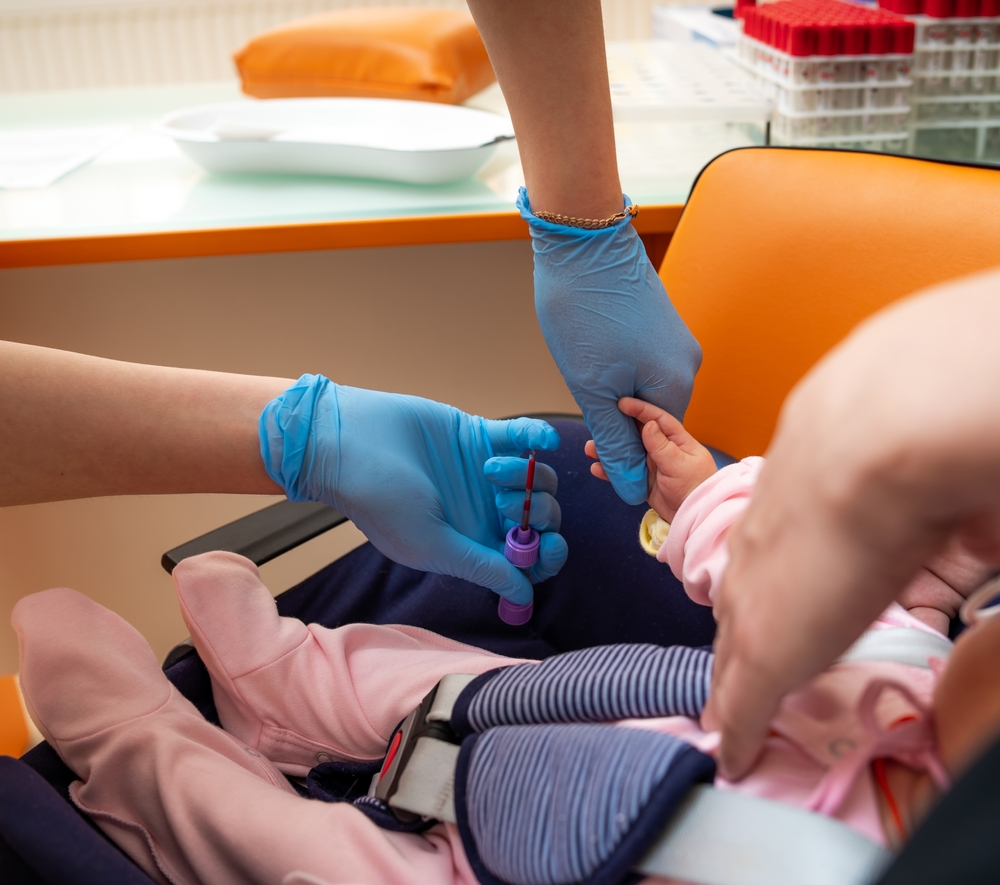
Seven days after bringing home her newborn son, Lupita Vasquez was still adjusting to life as a mother of two. Like many parents, she was soaking up every quiet moment with her baby, imagining the milestones that lay ahead. Then a phone call from her pediatrician changed everything. Jesse’s routine newborn screening had come back positive for spinal muscular atrophy (SMA), a rare genetic neuromuscular disease that weakens the muscles needed for everyday movement and, in its most severe forms, can threaten a child’s ability to breathe and swallow. The diagnosis shattered the joy of those first precious days and plunged the young family into a future filled with uncertainty.
Contents
show
Less than two years later, that same little boy is celebrating a moment his parents once feared they might never see. Jesse recently took his very first independent steps after receiving an advanced treatment regimen of Spinraza, a medication that transformed the outlook for children living with SMA. His journey reflects how rapidly medical science is changing the future of a disease that once offered families very few reasons to hope. While every child with SMA follows a different path, Jesse’s remarkable progress has become an inspiring example of what early diagnosis and modern treatment can make possible.

A Diagnosis That Left an Entire Family Searching for Answers
For Lupita, hearing the words “spinal muscular atrophy” felt like stepping into a world she knew nothing about. Neither she nor anyone else in her family had ever heard of the condition before. Doctors explained that Jesse had Type 1 SMA, the most severe and most common form of the disease, with symptoms usually appearing during the first six months of life.
Although specialists assured her that further evaluations would provide more information, the wait felt unbearable. Like many frightened parents, Lupita turned to the internet hoping to understand what lay ahead. Instead, she found heartbreaking stories, frightening statistics, and images that only deepened her fear.
“The information made my heart drop,” she told PEOPLE. “I just kept looking and holding Jesse, and none of it made sense to me. He looked healthy, with no signs of anything I was reading about. My baby looked perfect.”
The emotional weight became even heavier as Lupita questioned whether she had somehow caused her son’s condition during pregnancy. She wondered if she had eaten the wrong foods, missed important vitamins, or done something that harmed her baby. Those feelings of guilt are common among parents facing unexpected genetic diagnoses, even though SMA is an inherited condition that develops because of changes in a specific gene rather than anything a parent did during pregnancy.

Understanding Spinal Muscular Atrophy and Why Early Treatment Matters
Spinal muscular atrophy is an inherited neuromuscular disorder that gradually destroys specialized nerve cells known as lower motor neurons. These cells carry signals from the brain to the muscles, allowing movements such as sitting, crawling, standing, swallowing, and breathing. When these neurons disappear, the muscles no longer receive the messages they need and begin to weaken over time.
The condition is caused by mutations in the SMN1 gene, which normally produces a protein essential for motor neuron survival. Without enough of this protein, the nerve cells gradually die, causing increasing muscle weakness. The number of copies of another gene, SMN2, can influence how severe the disease becomes, which is why symptoms vary widely from one person to another.
Doctors classify SMA into five different types based on when symptoms begin and how severely they affect movement and life expectancy.
Key forms of spinal muscular atrophy include:
- Type 0: Symptoms develop before birth and are usually life-threatening shortly after delivery.
- Type 1: The most severe childhood form, with symptoms appearing before six months of age.
- Type 2: Children often learn to sit independently but usually cannot walk without assistance.
- Type 3: Symptoms develop later in childhood, with many individuals remaining mobile for years.
- Type 4: The mildest form, developing during adulthood with slowly progressing muscle weakness.
Type 1 accounts for around 60% of all SMA cases. Before newer therapies became available, many infants with this form faced a dramatically shortened life expectancy because the disease affects the muscles responsible for breathing and swallowing.

The First Treatments Brought Hope, But Progress Came Slowly
The morning after Jesse’s diagnosis, Lupita and Jesse’s father met with a neurologist to learn what life with SMA would involve. Lupita later recalled crying throughout the appointment as doctors explained the disease, the available treatments, and the challenges that often accompany Type 1 SMA.
“I felt completely numb, like a zombie trying to process everything,” she said.
Doctors moved quickly. During Jesse’s first month of life, he began two treatments commonly recommended for newborns diagnosed through early screening. Starting therapy before symptoms become severe is one of the biggest advances in SMA care, giving children the best chance to preserve motor neurons before permanent damage occurs.
Although Jesse responded to those early treatments, his progress was slower than everyone had hoped. As the months passed, he still was not crawling, prompting his neurologist to recommend another option that had already begun changing the lives of many families living with SMA.
A Historic Treatment Opened a New Chapter
Jesse’s neurologist suggested switching to Spinraza, a medication that changed the course of SMA treatment after becoming the first therapy approved by the U.S. Food and Drug Administration for the disease in 2016. Unlike earlier approaches that focused largely on managing symptoms, Spinraza works by helping the body produce more survival motor neuron (SMN) protein, giving motor neurons a better chance of functioning and surviving.
The timing proved remarkable. Around the same period Jesse was preparing to begin the treatment, a higher-dose regimen of Spinraza had just received FDA approval and become available. Instead of undergoing four loading doses two weeks apart, the updated schedule required only two loading doses before transitioning to maintenance treatments every four months. For Lupita, the change felt like a blessing at exactly the right moment.
“It felt like a sign from God and such a blessing,” she told PEOPLE. The simplified treatment schedule eased many of the family’s worries while allowing Jesse to begin therapy when he was just over four months old, giving him an important opportunity to build on the progress he had already made.
The results came faster than anyone expected. Within weeks of receiving his first treatment, Jesse began reaching milestones that had previously seemed frustratingly out of reach.

Every Small Victory Led to an Unforgettable Milestone
Lupita says the difference after switching treatments was almost immediate. Jesse started growing stronger at a pace the family had never experienced before, reinforcing what his medical team had explained from the beginning: every child with SMA follows a unique journey, and treatment outcomes can vary significantly.
“Within just a couple of weeks of making the switch, Jesse made the fastest progress we’d ever seen,” Lupita recalled. “It was amazing to watch and it just showed us that every child with SMA has their own journey, so it’s important to just ask questions, trust your team of doctors and choose what you feel is best for your child.”
As Jesse continued attending therapy and receiving regular medical care, each accomplishment became another reason to celebrate. Strength gradually replaced uncertainty as he developed skills his parents once feared might never come.
Then, on June 26, everything changed again.
At 17 months old, Jesse stood up and took his first independent steps, a moment that filled the entire family with overwhelming joy. “It’s been a whole month of pure joy!” Lupita said. “Even though he didn’t meet some milestones at the ‘normal’ ages, we have learned that every child is different and they have their own timeline, especially children with SMA.”
A Team Effort Behind Every Step Forward
While Jesse’s determination has inspired many people, Lupita is quick to credit the healthcare professionals who have supported her son since his diagnosis. His progress reflects months of coordinated care involving specialists from multiple disciplines, each helping him overcome different challenges presented by SMA.
His care team includes his pediatrician, neurologists, physical therapists, occupational therapists, and pulmonology specialists. Together, they have monitored his development, adjusted treatments when necessary, and created a plan focused on giving Jesse every opportunity to thrive.
“They have been there every step of the way,” Lupita said. “This journey has not been easy, but I’m so thankful to God that we have never walked it alone.”
Modern SMA treatment often combines medication with rehabilitation therapies. Physical therapy helps improve strength and mobility, occupational therapy supports everyday activities, while respiratory specialists monitor breathing complications that remain one of the biggest concerns for children with severe forms of the disease.
Why Jesse’s Story Matters to Other Families
Spinal muscular atrophy remains a rare condition, affecting roughly one in every 6,000 to 11,000 newborns. Although it cannot yet be cured, the outlook for many children has changed dramatically over the past decade thanks to newborn screening programs and disease-modifying therapies that begin before significant nerve damage occurs.
Early diagnosis has become one of the biggest breakthroughs in SMA care. Every U.S. state now screens newborns for the condition, allowing doctors to begin treatment before symptoms become severe. Research continues into new medications, gene replacement therapies, and improved treatment strategies that could further transform life for children diagnosed with the disease.
For Lupita, those advances have inspired her to help other families facing the same frightening diagnosis. She now uses her experience to raise awareness about SMA and encourage parents who suddenly find themselves navigating unfamiliar medical terms, difficult decisions, and overwhelming emotions.
“I know how scary this whole journey is,” she said. “SMA doesn’t define our babies.”
Jesse’s first steps were more than a milestone for one family. They captured how years of medical research, early diagnosis, and dedicated care are changing what many parents once believed was impossible, giving children born with SMA opportunities that simply did not exist a generation ago.