
Your cart is currently empty!
Europe’s Drought Is Revealing the Nazi Warships Hitler Tried to Hide Forever
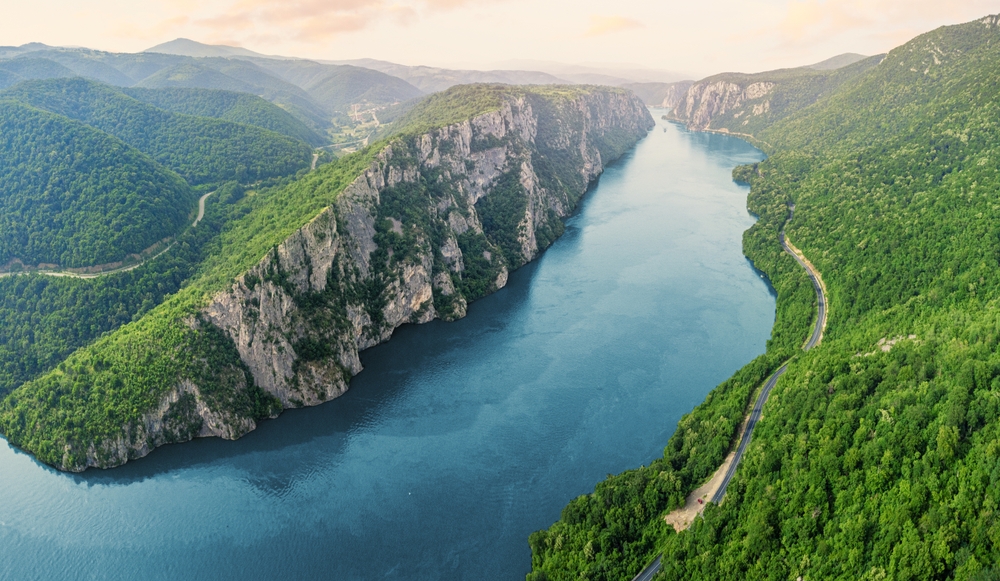
For decades, they lay hidden beneath the waters of one of Europe’s busiest rivers, largely forgotten except by historians and the occasional passing sailor. Now, after an extraordinary drought sent water levels plunging to historic lows, the rusting remains of dozens of Nazi warships have emerged from the Danube River, creating a haunting scene that looks frozen in time. Some of the vessels still contain unexploded weapons, while broken masts and corroded hulls stand above the waterline for the first time in years, offering a rare glimpse into one of World War II’s final military retreats.
Contents
show
The eerie discovery is unfolding near the Serbian port town of Prahovo, where nature has uncovered a chapter of history many assumed would remain buried forever. Yet the resurfacing ships tell only part of the story. The same drought exposing these wartime relics is also disrupting shipping routes, threatening electricity supplies across Central and Eastern Europe, and highlighting how extreme weather can reshape both the landscape and humanity’s connection to the past.
Historic Drought Has Transformed Europe’s Second-Longest River
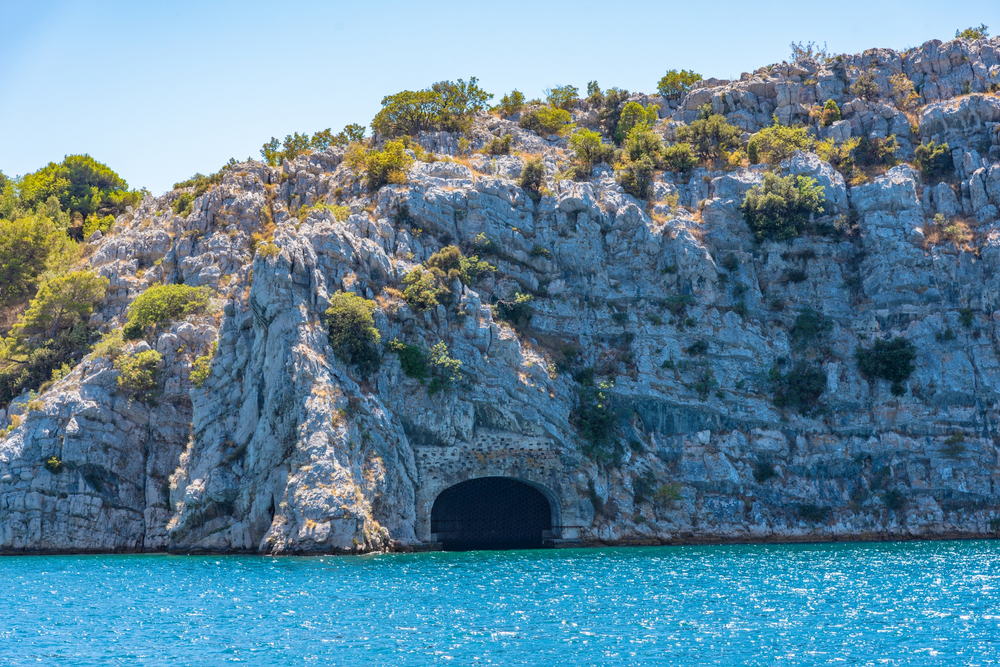
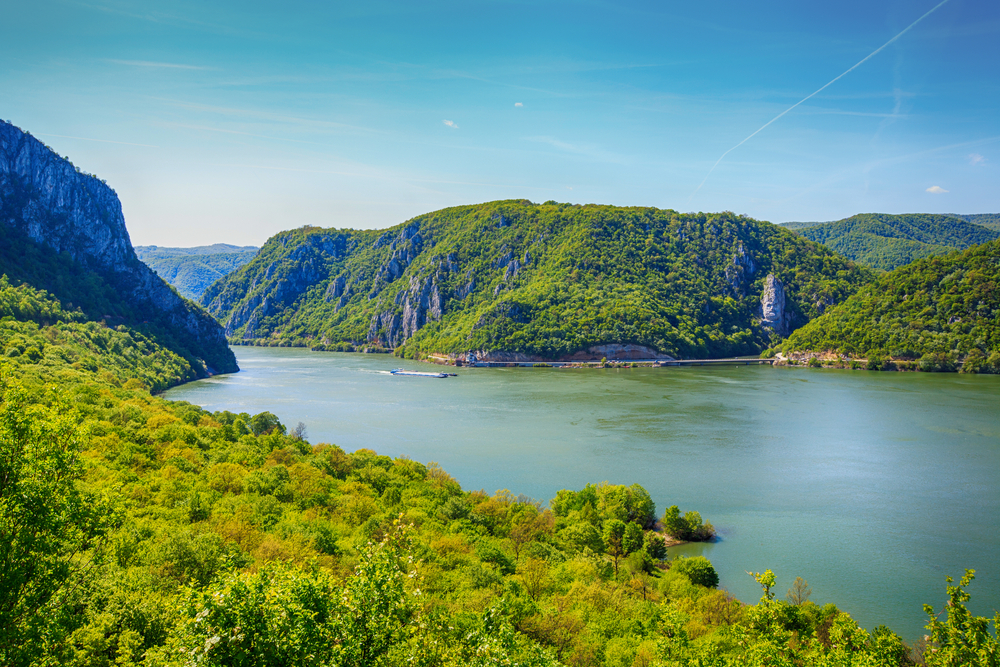
The Danube is one of Europe’s most important waterways, stretching roughly 1,770 miles through 10 countries before emptying into the Black Sea. Every year, countless cargo ships, cruise vessels, and commercial barges rely on the river to transport goods between Central and Eastern Europe, making it a vital economic corridor for the region.
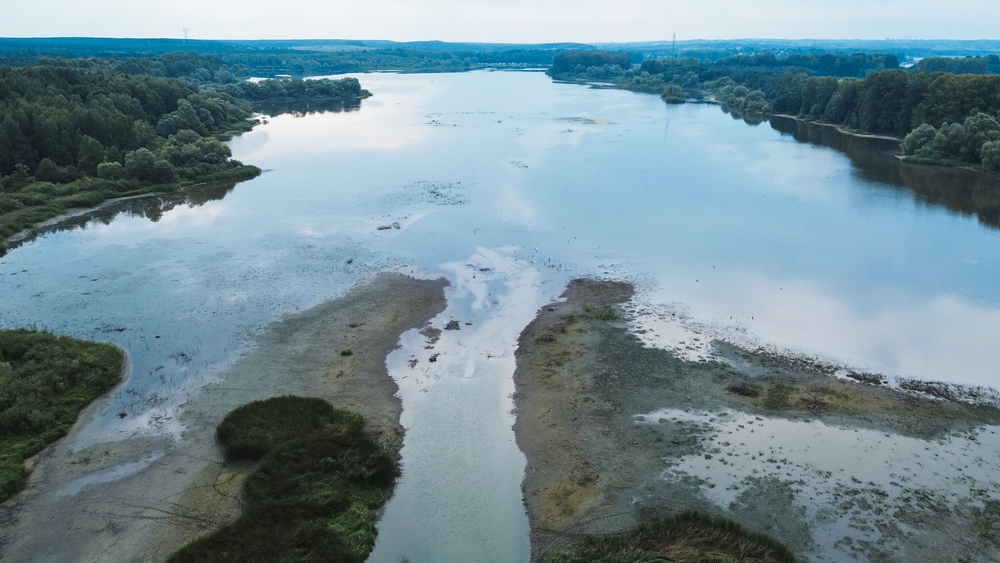
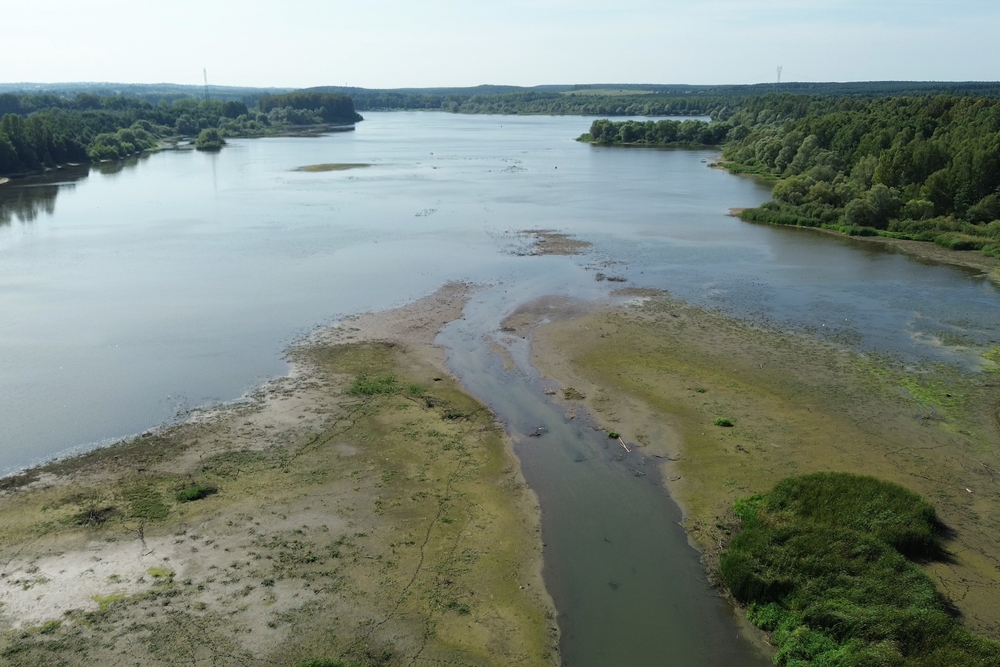
This summer, however, prolonged heatwaves and severe drought have pushed water levels to some of their lowest points in decades. Large sections of the river have become so shallow that commercial vessels can no longer travel at full capacity, forcing operators to reduce cargo loads or avoid certain routes altogether. In Serbia, barges carrying imported fuel have been particularly affected, adding pressure to already strained supply chains.
The drought has created problems far beyond shipping. Hungary and Romania have warned that persistently low river levels could affect nuclear power plants that depend on water from the Danube to cool their reactors. In Bulgaria, one cruise ship even ran aground after encountering unexpectedly shallow water, forcing authorities to evacuate passengers safely.
Scientists have linked Europe’s increasingly frequent heatwaves and prolonged dry spells to climate change alongside other environmental factors. While droughts have always occurred naturally, experts say rising temperatures are increasing their intensity, producing consequences that stretch from agriculture and energy production to transportation and tourism.
The Nazi Fleet That Was Never Meant to Be Seen Again
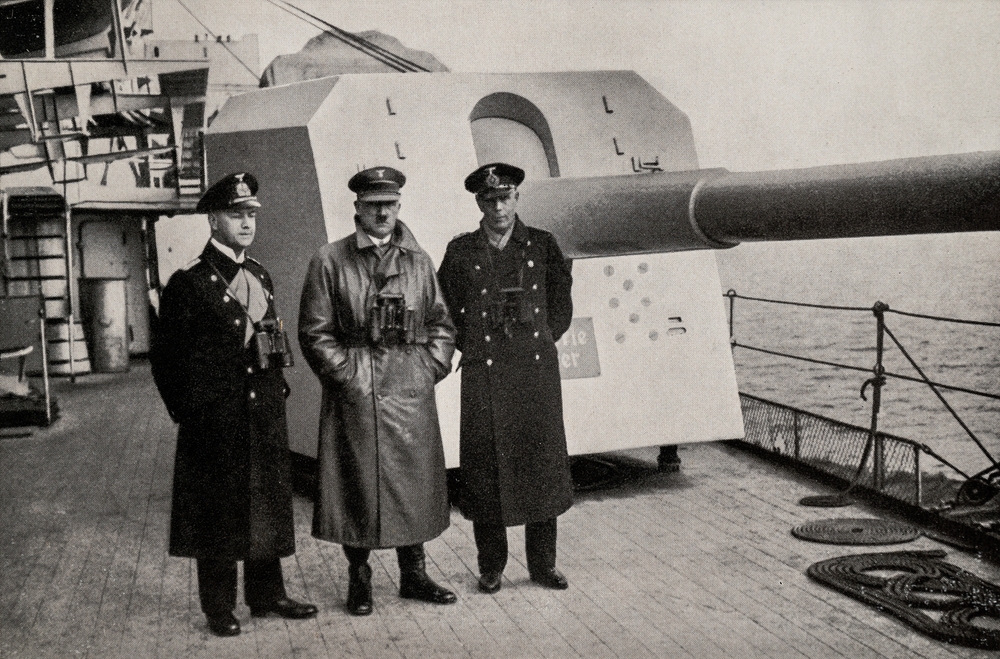
Among the most striking consequences of the falling water is the appearance of dozens of German warships near Prahovo. Rusted hulls now rise from the riverbed, and one wreck still displays the remains of a broken mast where the Nazi flag once flew during World War II. Their sudden return has transformed a quiet stretch of river into what many describe as an underwater battlefield resurfacing after nearly 80 years.
The vessels belonged to Nazi Germany’s Black Sea fleet, which was retreating through the Balkans in September 1944 as Soviet forces advanced toward Romania. Facing the likelihood of losing both their ships and military supplies, German commanders ordered the fleet to be deliberately scuttled in the Danube River. Historians estimate that as many as 200 warships were intentionally sunk to create a barrier capable of slowing the Soviet advance.
The strategy reflected the desperate circumstances Germany faced during the final months of the war. By sinking their own vessels across the river, German forces hoped to block navigation and delay Soviet troops moving deeper into southeastern Europe. While the operation created obstacles in the Danube, it ultimately failed to change the course of the conflict. Nazi Germany surrendered just months later in May 1945, leaving much of the fleet resting beneath the river.
For generations, many of these wrecks remained hidden below the water’s surface, becoming little more than local legends. Only during particularly dry years did parts of the fleet briefly emerge. This year’s exceptionally low water levels have exposed far more of the vessels than usual, allowing residents, historians, and photographers to witness one of Europe’s most unusual reminders of World War II.
Why These Sunken Warships Still Create Problems Today
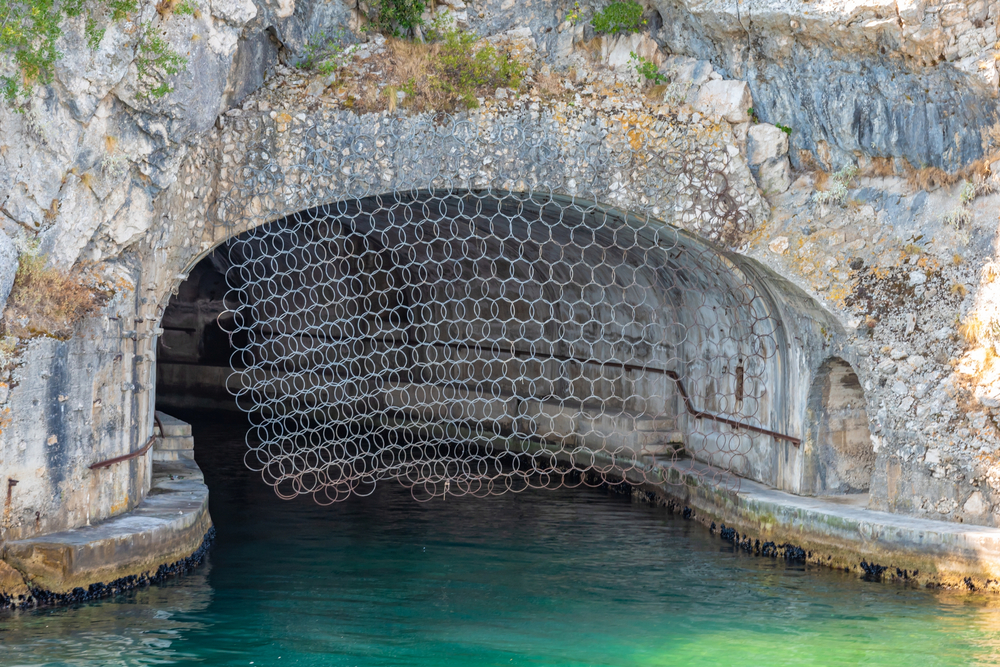
The resurfacing vessels are far more than historical curiosities. Many of the wrecks still contain unexploded ammunition and other military equipment, making them dangerous obstacles for both river traffic and any crews attempting to remove them. Even after nearly eight decades underwater, disturbing some of the ships could trigger explosions, forcing engineers to proceed with extreme caution.
Communist Yugoslav authorities removed several wrecks after World War II, but the majority remained exactly where they had been scuttled. The combination of unstable explosives, the ships’ deteriorating condition, and the sheer scale of the operation made large-scale recovery both technically difficult and financially expensive. As a result, dozens of warships have continued to sit beneath the Danube, hidden beneath the water for generations.
Those wrecks have become an even bigger challenge as commercial shipping along the Danube has increased. According to Serbian officials, the submerged fleet costs the country millions of dollars each year because ships must slow down, alter their routes, or reduce cargo when navigating the narrow section near Prahovo. During periods of exceptionally low water, the danger becomes even greater as more of the vessels emerge just below or above the surface.
Recognizing the growing problem, Serbia launched a major cleanup initiative in 2024 with financial backing from the European Investment Bank. The project focuses on removing 21 of the most hazardous wrecks, although engineers have explained that some ships are too unstable to lift safely. In those cases, burying the vessels beneath the riverbed may be the safest long-term solution.
The Falling River Is Revealing More Than Just Nazi Ships
The Danube’s shrinking water levels have uncovered remarkable discoveries well beyond the German fleet. Across several countries, archaeologists, local residents, and amateur treasure hunters are finding objects that have remained hidden for decades, and in some cases, thousands of years.
In eastern Croatia, the remains of an old ship believed to have sunk before World War II have reappeared along the riverbank. Nearby communities have described the sight as though history itself has risen from beneath the water. Magnet fishers searching the exposed riverbed have also recovered military artifacts ranging from bullet casings to old equipment abandoned during the world wars.
Perhaps the most surprising discovery came in Bulgaria, where residents uncovered fossilized remains of a woolly mammoth after water levels receded. Experts identified a lower jaw, two tusks, a shoulder blade, and what may have been one of the animal’s ribs. Museum officials described the find as scientifically valuable, offering another glimpse into the region’s distant prehistoric past.
Other discoveries have highlighted the dangers hidden beneath the river. Authorities in Budapest temporarily closed a bridge after an unexploded World War II bomb became exposed in the riverbed. The incident demonstrated that falling water levels can reveal not only fascinating relics but also hazardous remnants capable of disrupting modern life.
Other Discoveries Along the Danube
As the river continues to shrink, researchers and residents have uncovered a growing list of historical finds, including:
- World War II military artifacts recovered by magnet fishers.
- A pre-war shipwreck emerging in eastern Croatia.
- An unexploded World War II bomb exposed near Budapest.
- Fossilized woolly mammoth remains discovered in Bulgaria.
- Additional historic boats and wartime debris appearing along the riverbanks.
A Modern Climate Crisis Is Uncovering the Past
The resurfacing warships have become one of the most striking images of Europe’s ongoing drought. What began as an environmental crisis has also turned into an unexpected archaeological event, exposing remnants of one of history’s largest conflicts while disrupting life along one of the continent’s most important waterways.
Experts warn that extreme weather events are expected to become more frequent as global temperatures continue to rise. Lower river levels affect everything from shipping and agriculture to electricity generation, while also revealing forgotten pieces of history that have remained hidden for generations.
For now, the rusting fleet near Prahovo stands as a reminder that the consequences of today’s climate extremes reach far beyond the environment. Beneath Europe’s rivers lie stories that have waited decades to reappear, and as water levels continue to fluctuate, the Danube may yet reveal even more secrets from its remarkable past.