
Your cart is currently empty!
Trump Administration Revokes More Than 175000 Visas In Sweeping Immigration Crackdown
More than 175,000 visas have been revoked under President Donald Trump’s administration, the U.S. State Department announced Monday.
Contents
show
The number is striking on its own. But the reasons given by the government range from serious criminal allegations and fraud to immigration violations and political statements about the assassination of conservative activist Charlie Kirk.
The State Department says the cancellations are part of an aggressive vetting operation designed to remove foreign nationals who violate visa terms, threaten public safety or national security, or abuse the U.S. immigration system. Critics, meanwhile, have raised concerns about how broadly the administration is using its immigration powers.
The Number Has Climbed Sharply Under Trump
The latest figure represents more than 175,000 visa revocations since Trump returned to the White House.
That is a major increase from the figure announced by the State Department in January, when the department said it had revoked more than 100,000 visas. The latest announcement shows that the administration’s enforcement campaign has continued at a rapid pace.
According to the State Department, most of the cancellations resulted from encounters with law enforcement.
The department identified assault, driving under the influence, theft and drug offenses as the leading causes. It also cited reckless driving, sexual assault, child abuse, fraud and embezzlement among the other offenses involved.
The administration says these cases demonstrate why continued screening of foreign nationals is necessary.
“The majority of these visas were revoked due to law enforcement encounters for a range of criminal activity,” the State Department said.
The department also emphasized that its actions extend beyond ordinary criminal offenses.
It said visas had been revoked from people who violated the conditions attached to their visas, called for violence against Americans, defrauded U.S. citizens, abused the immigration system or posed national security concerns.
That broad description is significant because the 175,000-plus figure does not represent one single category of immigration enforcement.
Instead, it covers a wide range of cases.
Serious Criminal Cases Are Among Those Cited

The State Department used several individual cases to illustrate the type of conduct it says has resulted in visa cancellations.
Among the examples were foreign nationals charged with serious violent and sexual offenses.
One person was charged with felony rape and sexual battery, including an alleged assault involving a mentally disabled victim. Another was charged with felony kidnapping, human trafficking and sexual exploitation of a minor.
The department also cited a foreign national charged with sodomy of a child and aggravated sexual battery.
Another individual was charged with more than a dozen counts involving possession of child sexual abuse material.
The examples are among the most serious allegations in the State Department’s announcement. They also form a major part of the administration’s argument for expanding immigration enforcement.
Other cases involved domestic violence and dangerous driving.
The department said one foreign national had been arrested for disorderly conduct, resisting arrest with violence, drunk driving and domestic violence.
Another was arrested while driving with heroin and a blood alcohol level more than three times the legal limit.
The government has presented such cases as evidence that its screening system is identifying people who should no longer have access to the United States.
But the State Department did not publicly identify the individuals involved in the examples it released.
That means the announcement provides the government’s description of the cases without giving the public enough information to independently examine every allegation.
That distinction matters when discussing the 175,000 figure. A visa revocation and a criminal conviction are not the same thing.
The State Department described many of the cases as resulting from law enforcement encounters. Some of the examples involved people who had been charged or arrested rather than convicted.
Fraud And Immigration Abuse Are Also In The Crosshairs

Criminal conduct is only one part of the administration’s explanation.
The State Department also highlighted cases involving fraud and alleged abuse of immigration programs.
One example involved a foreign national accused of helping orchestrate a Medicaid fraud scheme that allegedly involved more than $5 million in fake services.
Another person was accused of building a company around false financial claims and using forged letters to fraudulently secure a visa.
The department said the individual had allegedly deceived investors and swindled millions of dollars from clients.
The administration has made fraud a prominent part of its broader second-term immigration agenda.
Trump has repeatedly argued that immigration systems are vulnerable to abuse and that federal agencies need to take a much harder approach toward people who exploit them.
The State Department’s latest announcement fits directly into that policy.
Secretary of State Marco Rubio has also taken a prominent role in the administration’s visa enforcement efforts.
The department said Rubio had determined that numerous foreign nationals were deportable on foreign policy grounds.
Those cases demonstrate another important feature of the crackdown: the government is looking beyond conventional criminal enforcement.
Foreign policy considerations can also play a role in determining whether a foreign national is allowed to remain in the United States.
Some Visa Revocations Involve Political Speech
One of the most politically sensitive parts of the announcement concerns comments made about Charlie Kirk.
The State Department said it had revoked visas belonging to multiple foreign nationals who celebrated Kirk’s assassination.
Kirk, a conservative activist and founder of Turning Point USA, was killed while hosting an event at Utah Valley University in September.
The State Department identified two examples of comments that it said were made by foreign nationals whose visas were revoked.
One allegedly wrote, “when fascists die, democrats don’t complain.”
Another allegedly said Kirk “died too late.”
The administration had already warned that foreign nationals who celebrated or glorified the killing could face immigration consequences.
Deputy Secretary of State Christopher Landau said after Kirk’s assassination that foreigners who glorified violence and hatred were not welcome visitors to the United States.
The administration subsequently said it would use its consular authority to examine social media activity in certain immigration cases.
The issue has generated controversy because political speech occupies a different category from conduct such as assault, theft or drunk driving.
Foreign nationals do not receive exactly the same immigration rights as U.S. citizens, and the State Department has broad authority over visa decisions. At the same time, the administration’s use of online comments as part of immigration enforcement has raised concerns among civil liberties advocates.
The State Department has defended the policy on national security grounds.
A department spokesperson told TIME that the administration does not believe the United States should grant visas to people whose presence does not align with U.S. national security interests.
That position puts the visa system at the center of a larger debate over where immigration enforcement ends and political expression begins.
More Than 100 Birth Tourism Visas Were Revoked
The crackdown has also targeted what the administration calls birth tourism.
The State Department said a U.S. embassy in North Africa revoked more than 100 visas belonging to parents who allegedly traveled to the United States primarily to give birth so their children would receive U.S. citizenship.
Birthright citizenship has become one of the most contentious immigration issues during Trump’s second term.
The Fourteenth Amendment generally provides citizenship to people born on U.S. soil, subject to longstanding legal exceptions.
Trump has sought to restrict birthright citizenship through executive action, but his efforts have faced major legal challenges.
The administration has continued pursuing restrictions on birth tourism even as the broader birthright citizenship fight has moved through the courts.
The State Department’s decision to revoke more than 100 visas in the North African cases shows that immigration enforcement is also being used to target what officials characterize as deliberate attempts to exploit the citizenship system.
For the administration, these cases are part of the argument that immigration enforcement should address not only illegal entry but also conduct that occurs through legal immigration channels.
That is an important distinction.
The people affected by visa revocations may have entered the country through authorized immigration processes. The government’s position is that lawful entry does not guarantee continued access if the conditions surrounding a visa are violated.
The Crackdown Goes Beyond The 175,000 Cases
The visa figure also does not capture the full scope of the administration’s immigration campaign.
The Trump administration has increased scrutiny of foreign nationals across multiple areas, including social media screening and security checks.
International students have also been caught up in the broader enforcement push.
The State Department did not include student visas in its Monday announcement, but the administration has separately revoked thousands of student visas.
Rubio said in August that more than 6,000 student visas had been revoked during Trump’s second term.
Some students have faced scrutiny over political activism and social media activity. The administration has also targeted certain Chinese students over national security concerns and introduced restrictions affecting international students and foreign journalists.
The expansion of screening has become one of the defining features of Trump’s immigration policy.
Applicants and visa holders are increasingly being examined not only for the traditional requirements of immigration law but also for conduct, affiliations and online activity that officials believe could raise security or policy concerns.
The administration argues that this approach is necessary to protect Americans.
Rights advocates see the issue differently.
Human rights experts and civil liberties advocates have criticized expanded social media screening, arguing that it can chill free expression and amount to intrusive surveillance of immigrants.
That dispute is unlikely to disappear as the administration continues increasing its use of visa revocations.
The Administration Says A Visa Is A Privilege
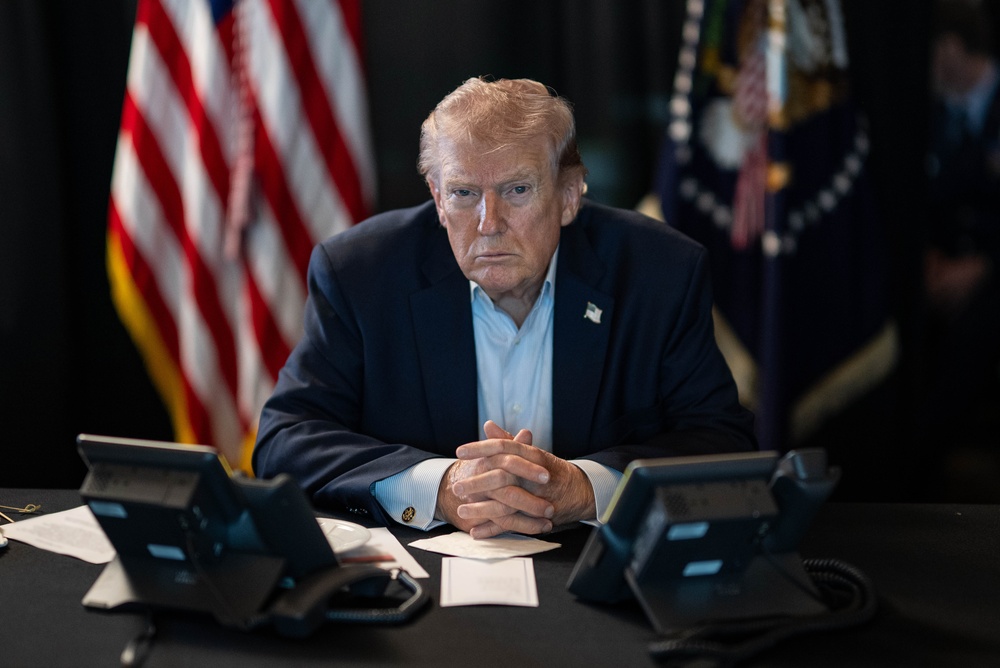
The State Department has been direct about how it views the authority behind the crackdown.
“A U.S. visa is a privilege, not a right,” the department said.
That line captures the administration’s basic position.
A visa allows a foreign national to seek entry to the United States under specific conditions. According to the State Department, when those conditions are violated, the government has the authority to revoke the visa.
The department says it will continue identifying and investigating foreign nationals it believes threaten American safety or misuse the immigration system.
The administration has also emphasized that visa revocation can be part of a larger immigration enforcement process.
For people living in the United States on temporary visas, losing that status can have consequences that extend beyond travel.
A revoked visa can prevent future entry and may trigger further immigration proceedings depending on the individual’s circumstances.
That makes the 175,000 figure more than a statistic.
Each cancellation represents a decision by the government to withdraw a form of legal permission previously granted to a foreign national.
The scale of the program shows how dramatically the administration has changed the emphasis of U.S. immigration policy.
Critics Question The Breadth Of The Enforcement Push
The administration’s opponents have focused on another part of the story.
They argue that Trump’s immigration enforcement campaign has expanded beyond undocumented immigrants and people convicted of serious crimes.
Data cited by TIME has shown that many people detained by Immigration and Customs Enforcement during Trump’s second administration have not had criminal convictions. The administration’s broader enforcement tactics have also faced court challenges and protests.
That does not mean the 175,000 visa revocations were all based on political speech or minor violations.
The State Department says the majority were tied to law enforcement encounters, with assault, DUI, theft and drug crimes among the leading causes.
But the announcement also shows that the administration is willing to use visa authority in cases involving political statements, alleged immigration fraud and foreign policy concerns.
That combination is what makes the figure politically significant.
It demonstrates the breadth of the administration’s definition of who may lose access to the United States.
For supporters, the policy represents a long-promised restoration of strict immigration enforcement.
For critics, it raises questions about due process, transparency and the use of immigration powers against people whose conduct may fall outside traditional criminal enforcement.
Those competing arguments are likely to become more important as the program grows.
The Numbers Tell One Story, The Individual Cases Tell Another
The 175,000 figure is enormous, but the State Department’s examples reveal how difficult it is to treat all of those cases as one category.
A person accused of a violent felony is fundamentally different from someone whose visa was revoked after an offensive political comment.
A person accused of immigration fraud presents a different issue from a person whose visa was canceled because of alleged foreign policy ties.
A birth tourism case raises different legal and policy questions again.
Yet all of those cases appear within the same government announcement.
That makes the State Department’s list useful for understanding the administration’s priorities, but less useful as a simple measure of criminality among visa holders.
The department has emphasized that its goal is protecting Americans and enforcing the conditions attached to visas.
The figures show that it is doing so on a scale far larger than the administration’s earlier announcements suggested.
Reuters reported that the State Department had previously announced more than 100,000 visa revocations in January, which was itself described at the time as a record.
The latest total therefore marks a continued acceleration rather than a one-time enforcement operation.
A New Era For Foreign Nationals Seeking To Enter America
The Trump administration has made clear that its immigration crackdown is not limited to the southern border.
It is reaching into the legal immigration system itself.
Visa holders now face a policy environment in which criminal allegations, immigration violations, alleged fraud, national security concerns and certain public statements can all become relevant to whether they retain permission to enter the United States.
The State Department says that is precisely how the system should work.
Critics argue that the administration’s approach risks creating a system where the boundaries of immigration enforcement become increasingly broad.
The number released Monday gives that debate a hard figure: more than 175,000 visas revoked.
That figure will likely become one of the clearest measures of how aggressively Trump’s second administration has transformed the U.S. visa system.
For the people whose visas were canceled, however, the number is not abstract.
It is the difference between having permission to enter the United States and losing it.