
Your cart is currently empty!
Modern Car Headlights Are So Bright Drivers Are Starting To Avoid Driving At Night
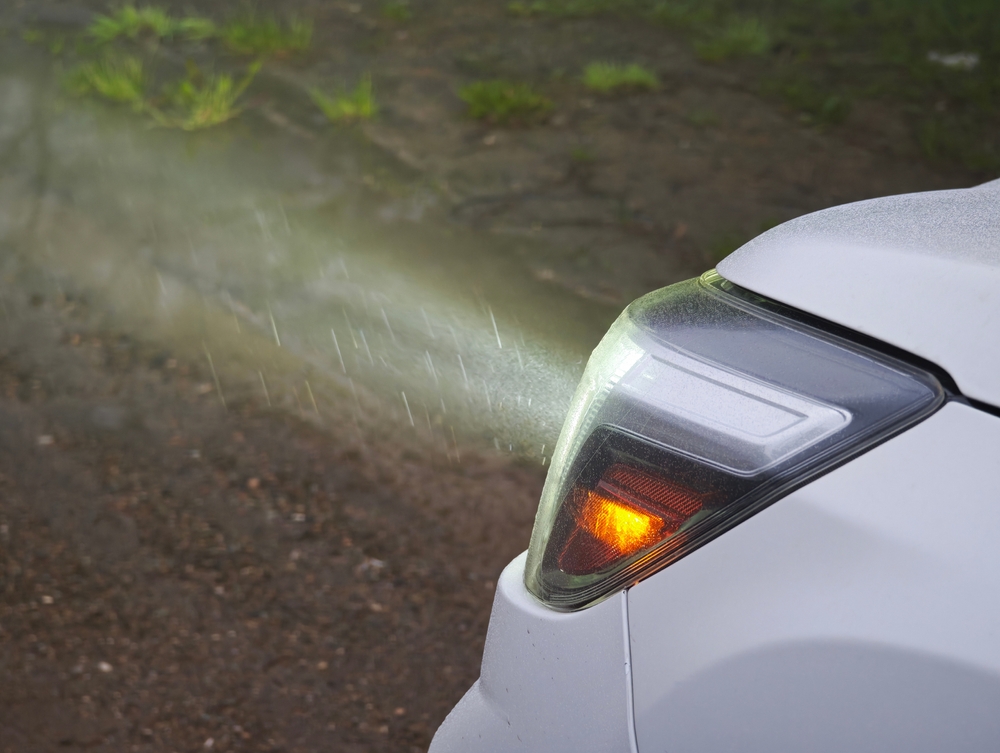
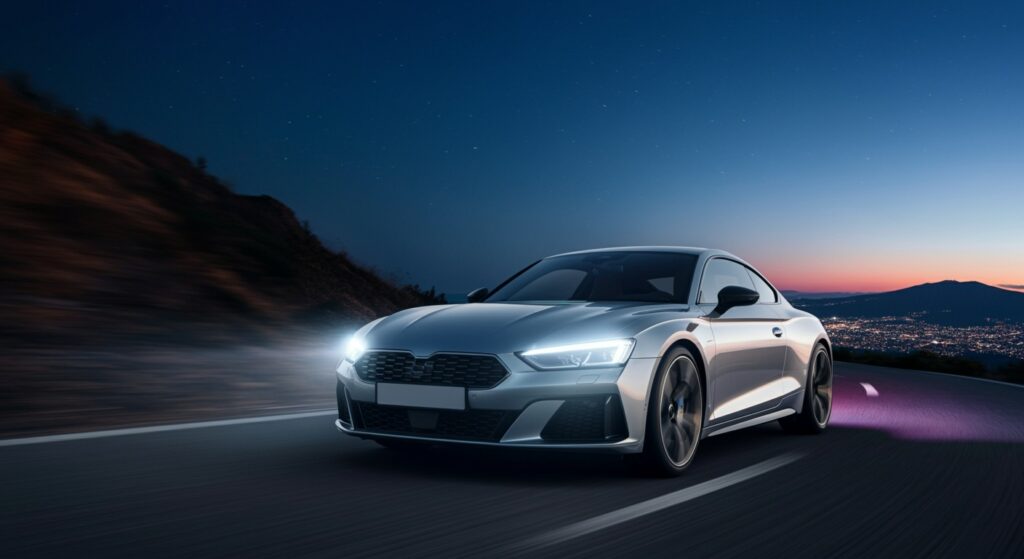
There was a time when seeing clearly at night simply meant having working headlights. Halogen bulbs gave drivers a warm, relatively modest beam that illuminated enough of the road to make nighttime driving possible. Then came xenon, followed by LED technology, and eventually laser headlights. With every generation, manufacturers pushed further, producing headlights that were whiter, brighter and capable of throwing light dramatically farther down the road.
Contents
show
That sounds like obvious progress until you are sitting behind the wheel of a car heading toward one of these modern headlights. The technology that helps one driver see hundreds of metres ahead can leave another driver squinting, disoriented or temporarily unable to see the road. In the UK, complaints about glare have become serious enough that some drivers are reportedly avoiding nighttime journeys altogether, raising an awkward question about whether headlights have become too powerful for their own good.
Halogen Headlights Started The Modern Evolution
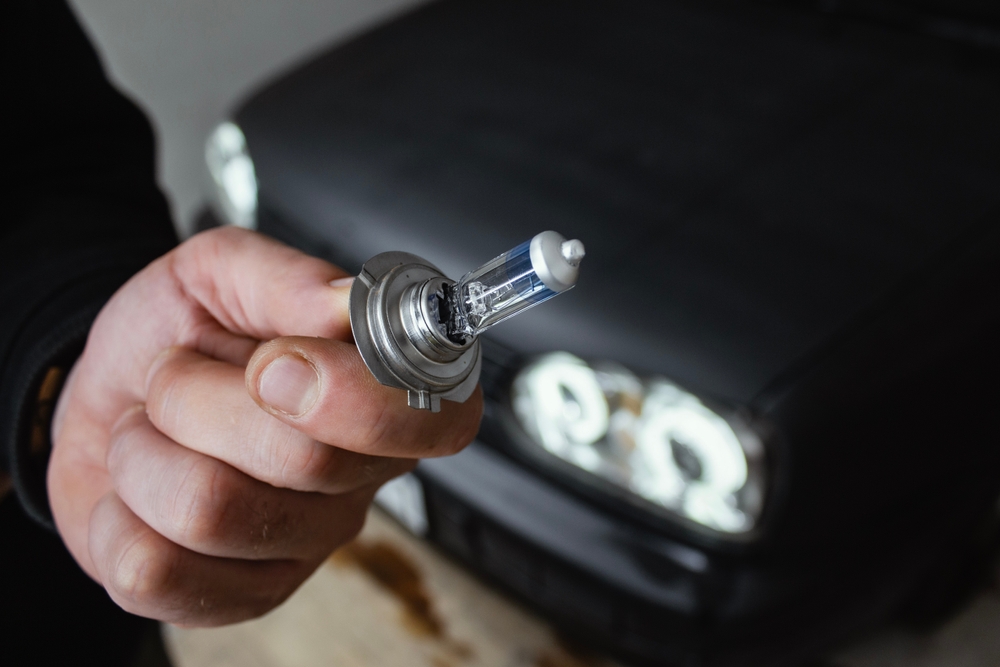
Halogen headlights may seem primitive compared with the complicated lighting systems fitted to new cars, but they remained popular for a reason. They were simple, inexpensive and relatively easy to replace, which made them a practical choice for manufacturers and ordinary drivers. The technology was also available in numerous bulb sizes, allowing the same basic principle to work across a huge range of vehicles.
Inside a halogen bulb is a tungsten filament surrounded by a gas mixture, usually involving argon and nitrogen, inside a high-temperature-resistant glass envelope. When electricity from the vehicle’s battery passes through the filament, it becomes extremely hot and begins to glow. The temperature can reach around 2,500°C, producing the familiar yellowish light that was once a defining feature of nighttime driving.
A typical halogen bulb lasts around 1,000 hours under normal conditions. Eventually, tungsten from the filament evaporates and collects on the inside of the glass, while the filament itself becomes weaker until it breaks and the bulb stops functioning. Halogen systems also generate a large amount of heat and require more electricity than some newer lighting technologies, which became another reason manufacturers began looking for alternatives.
Despite those limitations, halogen headlights had an important characteristic that modern drivers sometimes miss. Their output was comparatively restrained. They illuminated the road without producing the intense white glare that has become associated with some newer vehicles, meaning drivers approaching a halogen-equipped car were less likely to experience the sudden wall of light that can happen with more powerful systems.

Xenon Headlights Made The Road Look Much Brighter
The first major leap came with high-intensity discharge headlights, commonly known as HID or xenon lights. Instead of relying on a tungsten filament that heats up until it glows, xenon headlights use an electrical arc through xenon gas. The result is a noticeably whiter and stronger light that can illuminate considerably farther ahead than a conventional halogen system.
The supplied comparison gives halogen headlights a reach of around 120 metres, while xenon headlights can reach approximately 200 metres. That difference becomes particularly relevant at higher speeds. A car traveling around 110 to 115 kilometres per hour covers roughly 32 metres every second, so gaining additional visibility can give a driver more time to recognize something in the road and react.
Xenon bulbs also generally last longer than halogen bulbs because they do not contain the same type of metal filament that eventually burns out. The supplied reference puts their typical lifespan at around 2,000 hours under normal conditions. Their light can also be distributed more evenly, potentially giving drivers a clearer view of the road and making it easier to spot pedestrians or cyclists.
The technology was not without drawbacks, though. Xenon headlights require more sophisticated components, which makes them more expensive to repair or replace. They also need a washing mechanism because dirt and dust on the headlight surface can scatter the powerful light and increase glare for other road users. Xenon systems can also take several seconds to reach their full brightness, another difference from simpler bulbs.
LED Headlights Changed What Modern Cars Look Like
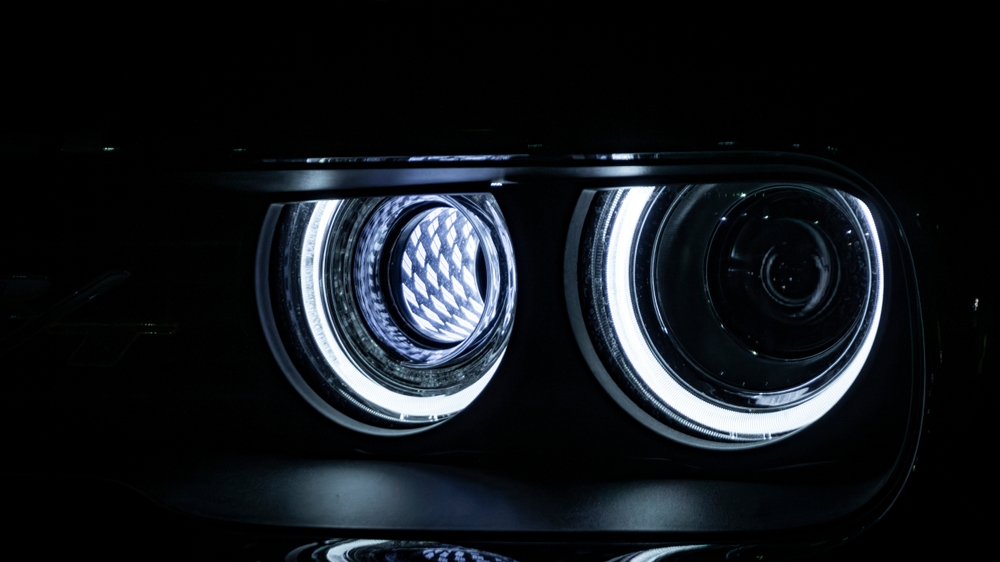
LED headlights eventually became the technology most drivers began associating with modern cars. Their appeal went beyond brightness. Because light-emitting diodes are much smaller than traditional bulbs, manufacturers gained far greater freedom to shape headlights and create distinctive lighting patterns that have become part of a vehicle’s identity.
LED systems also operate differently from halogen bulbs. Instead of heating a tungsten filament, they produce light through the movement of electrons through a semiconductor. The technology requires considerably less energy, and the supplied reference says LED bulbs can consume up to 10 times less electricity than standard halogen bulbs.
That efficiency is only part of the reason LEDs became so popular. Their small size allows them to be arranged in different shapes and configurations, while modern systems can adjust light levels depending on driving conditions. A vehicle can therefore have much greater control over how its headlights illuminate the road than was possible with older bulb technology.
The comparison provided puts LED headlights at around 300 metres of forward reach. That is roughly 100 metres farther than xenon and around 180 metres farther than halogen. For a driver traveling quickly along an unlit road, that extra range can provide significantly more illuminated road ahead.

The White Light Became Harder To Ignore
LED headlights also helped change the visual appearance of cars at night. Their light is generally much whiter than the warmer glow produced by traditional halogen bulbs, and that crisp white illumination has become one of the easiest ways to identify a newer vehicle on the road.
For the driver using the headlights, the difference can be dramatic. Road signs, lane markings and objects ahead can appear under a much brighter beam, while advanced systems can adjust illumination automatically. The technology can therefore offer genuine benefits when the lighting is properly designed and aimed.
But LED systems are not completely free of technical complications. Although the light-emitting diode itself does not produce heat in the same way as a halogen filament, the base of the LED still generates heat as electricity passes through it. Cars therefore require cooling systems to manage that heat, adding complexity to a component that once amounted to little more than a replaceable bulb.
More importantly for other road users, increased brightness means the consequences of poor positioning can become more noticeable. A powerful beam directed exactly where it should be can improve visibility. The same beam pointed toward another driver’s eyes can have a very different effect.
Laser Headlights Push The Technology Even Further
Then the automotive industry introduced laser headlights, taking the idea of long-range illumination to another level. The supplied comparison puts the reach of laser headlights at around 600 metres, which is roughly twice the stated range of LED headlights and five times the range attributed to halogen systems.
The technology sounds almost futuristic, but the way it works is more complicated than simply firing a laser down the road. BMW has explained that its system uses three blue lasers positioned toward the rear of the headlight assembly. Those lasers are directed toward small mirrors, which focus the energy onto a small lens containing phosphor.
When the laser energy comes into contact with the phosphor, it produces white light. That light is then directed toward the front of the headlight assembly and used to illuminate the road. In other words, the laser is part of the process that creates the light rather than simply producing a visible laser beam aimed directly at traffic.
The supplied reference says laser light can be up to 1,000 times stronger than light produced by LED technology while using around two-thirds of the voltage. It also says laser headlights can illuminate a distance twice as long as LED headlights. That is an extraordinary increase compared with the humble halogen bulb that started this progression.
Six Hundred Metres Of Visibility Comes With A Problem
For someone driving along a dark road, having illumination reaching hundreds of metres ahead can sound like the perfect solution. Hazards can potentially be identified earlier, and the driver has more information about what is coming up on the road.
However, all that power has to be controlled carefully. Laser systems generate more heat than their LED equivalents and require cooling, while their high output makes beam management particularly important. The supplied material also notes that the technology was initially applicable to high beams, where the driver can switch to a lower setting when another vehicle approaches.
That distinction is crucial because the biggest complaint about modern headlights is not necessarily that drivers have too much visibility. It is that the light can become overwhelming for everyone else sharing the road.
When a beam powerful enough to illuminate hundreds of metres reaches directly into an approaching driver’s field of vision, the technology designed to improve safety can suddenly become a source of danger.
Why Drivers Are Struggling With Modern Headlight Glare
The growing complaints about modern headlights largely come down to glare. A powerful white beam arriving from an approaching vehicle can overwhelm a driver’s vision, particularly on an otherwise dark road. Instead of simply seeing another vehicle approaching, the driver can suddenly find their view dominated by intense light.
The supplied reference says this brightness can cause dizziness for drivers traveling in the opposite direction. It also says intense glare can completely blind them for several seconds, creating the possibility of an accident if something appears in the road during that moment.
That is where the debate becomes more serious than a simple argument about whether newer headlights look better. A driver dealing with severe glare may struggle to see lane markings, pedestrians, cyclists or hazards until their eyes adjust again. Even a short period of reduced visibility can matter when vehicles are moving quickly.
The problem becomes especially noticeable when modern headlights are compared with the older systems many drivers grew up with. Halogen lights produced a much warmer and less intense beam, while modern LEDs and laser systems can produce a sharp white light that feels dramatically stronger when viewed directly.
The UK Has Already Seen A Change In Driving Habits
The supplied reference points to the UK as one place where the issue has become particularly difficult for drivers. According to the material, one in four drivers in the country are now avoiding driving at night because of bright headlights.
It also cites figures from the RAC suggesting that 75% of UK drivers are driving less at night because of the glare. If those figures accurately reflect current driving behavior, the problem has moved well beyond people simply complaining about uncomfortable headlights.
Drivers changing when they use their cars because they expect intense glare creates a strange situation. Automotive technology has been developed to make nighttime travel easier and safer, yet some road users are finding themselves less willing to drive after dark.
The supplied material says the British government has reviewed whether the brightness of car lights should be regulated. Any such changes would have to balance the benefits of better forward visibility against the problems created when that illumination becomes excessive for approaching traffic.
The headlight debate therefore reaches far beyond whether one bulb is brighter than another. It is about how the light is controlled, where it is directed and what happens when increasingly powerful technology meets another driver’s eyes.
The Headlight Problem Is Bigger Than Brightness
It would be easy to blame the latest lighting technology and assume that LEDs or lasers are simply too bright. But the situation is more complicated because brightness is only one part of how a headlight affects another driver.
The direction of the beam matters just as much. A powerful headlight aimed correctly can illuminate the road far ahead while keeping most of that light away from approaching traffic. When the beam is poorly positioned or scattered by dirt, the same technology can become an uncomfortable and potentially dangerous source of glare.
That distinction becomes increasingly important as headlights become more sophisticated. Modern systems can produce vastly more illumination than the bulbs used by previous generations, so controlling where that illumination goes becomes just as important as producing it.
A driver does not necessarily need less light. They need the right light in the right place.
Headlight Technology Has Changed At An Incredible Pace
The transformation becomes even more striking when the major milestones are placed next to each other. The earliest vehicles relied on acetylene and oil lamps, using burning fuel to provide enough illumination for primitive nighttime travel. Electric lighting then began changing what was possible as vehicles became more sophisticated.
In 1898, the Columbia Electric automobile became the first vehicle identified in the supplied timeline as featuring electric front lighting. Cadillac followed in 1912 with an integrated electrical system that combined ignition and forward illumination into a battery-powered setup.
The next major development came with sealed-beam units in 1939. These systems combined a tungsten filament, reflector and glass lens into a single design intended to create a more focused beam. More than two decades later, halogen technology arrived and provided stronger illumination while retaining the basic filament principle.
The real acceleration came toward the end of the 20th century and into the 21st century. HID xenon systems appeared on luxury vehicles around 1991, followed by the rapid rise of LEDs in the mid-2000s. Laser technology then pushed the potential distance even further.
The Numbers Tell The Story
The supplied comparison gives a simple illustration of how much automotive lighting has changed over time:
- Halogen: around 120 metres of forward reach.
- Xenon: around 200 metres.
- LED: around 300 metres.
- Laser: around 600 metres.
Those figures represent an enormous change in the amount of road that can potentially be illuminated ahead of a vehicle.
A driver using an older halogen system might have had a comparatively short illuminated section of road in front of them. Someone using a laser system could potentially have several hundred metres visible under the appropriate conditions.
That is a major advantage when the road is dark and the lighting system is being used correctly. It also explains why glare has become such a noticeable issue.
More Light Does Not Automatically Mean Better Visibility
There is an important difference between seeing more of the road and having more light directed toward your eyes.
When a headlight beam stays where it is supposed to, increased illumination can help a driver identify hazards sooner. When that beam reaches another driver’s field of vision, the extra intensity can overwhelm their ability to see the road.
This is particularly noticeable with very white headlights. The contrast between the darkness around the vehicle and an intense white beam approaching from the opposite direction can make the glare feel much more severe than the warm light produced by older halogen bulbs.
The supplied material specifically points to the possibility of dizziness and temporary blindness when drivers are exposed to intense glare. That means the problem is not simply that modern headlights are aesthetically unpleasant or annoying.
The concern is what happens during those seconds when an approaching driver cannot clearly see what is in front of them.
A Few Seconds Can Be A Long Time On The Road
The supplied xenon reference provides a useful illustration of how quickly a vehicle travels at speed. At around 110 to 115 kilometres per hour, a car covers approximately 32 metres every second.
That means even a brief period of severely reduced visibility can leave a vehicle traveling a considerable distance before the driver’s vision returns to normal.
A driver may encounter glare while approaching a bend, passing a pedestrian or traveling through an area where cyclists are present. They may also have little opportunity to slow down before the approaching vehicle has passed.
This is why the debate around modern headlights cannot be separated from the basic realities of nighttime driving. The road does not stop moving simply because someone’s vision has been affected by glare.
The brighter headlights become, the more important it becomes to control their output and direction.
Modern Cars Have A Lot More Control Over Their Lights
One of the interesting developments in headlight technology is that manufacturers are no longer limited to simply switching a bulb on and off.
LED systems can be arranged in different configurations because the individual light-emitting components are small. The supplied reference notes that modern systems can also adjust the level of illumination automatically, including different settings for urban and highway driving.
That flexibility creates opportunities to solve some of the problems created by brighter lights.
Instead of treating headlights as a single source that is either illuminated or switched off, manufacturers can control how much light is being produced and where it is directed. The basic principle is simple: illuminate the road without unnecessarily illuminating another driver’s eyes.
Laser technology also demonstrates how far this approach can go. The system described in the supplied reference uses several components to create and focus the final white light, rather than simply relying on a conventional bulb.
The technology is therefore becoming more sophisticated at the same time that it is becoming more powerful.
The Next Battle Will Be About Controlling The Beam
The progression from halogen to xenon, LED and laser suggests that manufacturers have become very good at producing brighter headlights.
The harder challenge may be making all that brightness work safely around other vehicles.
A 600-metre beam sounds impressive when considered from the driver’s seat. But the benefit disappears if a portion of that beam creates severe glare for someone approaching from the opposite direction.
That is why beam control could become just as important as raw brightness. The most useful lighting system would provide long-range visibility when the road ahead is empty, then reduce or redirect the light when another vehicle enters the scene.
The supplied material already points toward automatic light adjustment as one of the capabilities available with LED technology. More advanced systems could build on that basic principle by making the headlights increasingly responsive to their surroundings.
The goal would be to give drivers the visibility they need without forcing everyone else on the road to stare into an unnecessarily powerful beam.
Why The Old Halogen Light Still Has Its Fans
Halogen headlights may have been weaker, less efficient and shorter-lived than their modern replacements, but their limitations came with a certain simplicity.
They were inexpensive to produce, relatively easy to replace and familiar to drivers. Their warm light was also considerably less intense than the white beams now associated with modern vehicles.
That does not mean halogen technology was better overall. The supplied reference makes clear that newer systems offer significant advantages in efficiency, lifespan, brightness and design flexibility.
Xenon can last longer than halogen. LEDs consume much less electricity and can be integrated into sophisticated lighting systems. Laser headlights can illuminate distances that would have seemed extraordinary when halogen was the standard.
The nostalgia for older headlights is therefore less about technology being better in every respect. It is partly about the fact that the older systems were less overwhelming to other road users.
Modern headlights solved the problem of insufficient illumination. They may now be facing the opposite problem.
The Future Of Headlights May Not Be Brighter
For more than a century, automotive lighting followed a fairly obvious path. Engineers found ways to produce more useful light, push it farther down the road and make the systems more efficient.
That approach has produced a remarkable result. The supplied comparison suggests that laser headlights can illuminate up to 600 metres ahead, five times the stated reach of halogen systems.
But the complaints from drivers show that raw brightness has a limit.
If a headlight makes its own driver safer while temporarily making an approaching driver unable to see, the technology has created a difficult trade-off. Better headlights have to work for both sides of the road, not just the person sitting behind the steering wheel.
The future therefore may not belong to the brightest headlights. It may belong to the smartest ones, capable of giving one driver a clear view without turning the next driver’s windshield into a wall of white light.
automotive technology, bright headlights, car headlights, car news, car technology, driving safety, halogen headlights, headlight evolution, headlight glare, HID headlights, laser headlights, laser lights, LED headlights, LED lights, modern headlights, night driving, nighttime driving, Road safety, xenon headlights