
Your cart is currently empty!
12-Year-Old Maya Survived A School Shooting. Her Family Says Her Personality Is Coming Back
For months, Maya Gebala’s family had to search for hope in the smallest changes. A movement from her hand could become a major milestone. A response to a voice beside her hospital bed could mean everything. The 12-year-old had suffered devastating injuries during the February 10 shooting at Tumbler Ridge Secondary School in British Columbia, including gunshot wounds to her head and neck. She survived, but the road ahead quickly became a fight involving severe brain trauma, repeated surgeries, infections and an uncertain future.
Contents
show
Now, several months after the attack, Maya’s family is seeing signs that feel deeply personal. She has learned new ways to communicate, has been able to leave the hospital grounds and has begun showing expressions that remind her loved ones of the girl they knew before the shooting. Her recovery remains difficult, and her injuries have changed her life permanently, but the latest updates have given her family something they could barely imagine during those terrifying first days: the chance to see more of Maya coming through again.
The mother of 12-year-old Maya Gebala, a victim from the Tumbler Ridge school shooting, reveals that Maya’s paddleboard was stolen from her vehicle. Cia Edmonds, Maya’s mother, has been by https://t.co/pcv1coOZI4 pic.twitter.com/XQTULlfBoc
— Winnipeg Sun (@winnipegsun) February 20, 2026
Maya Tried To Protect Other Students
Maya was inside Tumbler Ridge Secondary School when the shooting began. Her family has said she was trying to lock the library doors as the attacker approached, putting herself in danger while attempting to keep other students safe. She was ultimately shot three times, including injuries to her head and neck, before being taken to hospital for emergency treatment.
Krysta Hunt, Maya’s relative, described the desperate moments inside the school. “(Maya) tried to lock the door of the library from the shooter to save the other kids and then she tried to lock it and then ran and hid under a table and (got shot),” Hunt said.
Maya’s injuries were catastrophic. One bullet caused severe damage to her skull and brain, and a bullet fragment remained lodged in her brain. She was taken to BC Children’s Hospital in Vancouver, where doctors began treating injuries that would require months of intensive care and multiple operations.
Her family faced the possibility that Maya might not survive those first hours. Instead, she began a recovery that would be measured in tiny steps, with every improvement bringing a new reason for her loved ones to keep hoping.
🇨🇦 | Maya Gebala, la niña de 12 años que resultó gravemente herida en el tiroteo perpetrado por el tirador transgénero en la Tumbler Ridge Secondary School, en Canada, el 11 de febrero, ha mostrado signos alentadores de recuperación.
— Alerta Mundial (@AlertaMundoNews) February 22, 2026
Según una actualización compartida por su… pic.twitter.com/Epvqza5Lgg
The First Signs Of Recovery Were Small
The earliest stages of Maya’s recovery were frighteningly uncertain. Her family watched doctors work while waiting for signs that her brain and body were responding. There were no guarantees about what would happen next, and even basic movements became significant because they showed that Maya was still fighting through the damage.
Her mother, Cia Edmonds, later described the recovery as a “rollercoaster of setbacks, infections, surgeries.” The phrase captured just how unpredictable the months became. Maya would make progress, then face another medical problem that forced her family to start worrying all over again.
By March, Maya was still dealing with serious neurological effects. She could not speak and had limited movement on her right side, while doctors continued treating infections and complications connected to the original injuries. Her family nevertheless noticed increasingly deliberate movements, including Maya using her hand to indicate where she was hurting.
Edmonds described those changes in detail while explaining how Maya was beginning to communicate pain through movement. “Her hand movements right now are deliberately grabbing the areas that hurt; her good leg is kicking herself into position. Her neck is moving, she’s turning her head (that’s new). Her lips are mouthing (ow),” she said.
Those movements were far from a normal recovery, but they gave Maya’s family something concrete to hold onto. Her body was beginning to find ways to respond, even when speech and ordinary communication were still out of reach.
🚨BREAKING
— Tablesalt 🇨🇦🇺🇸 (@Tablesalt13) March 14, 2026
Tumbler Ridge shooting victim 12 year old Maya Gebala has started sitting up
She’s also now SQUEEZING the neurosurgeons hand on request
LETS GO MAYA!! pic.twitter.com/5NkGrxUZD3
Another Surgery Became Another Setback
Maya’s recovery involved more than simply waiting for her brain to heal. The shooting fractured her skull, and doctors planned to replace the damaged section with a prosthetic piece. The procedure was expected to be another major step forward, but an infection changed those plans.
When surgeons operated in March, they discovered a deep infection and an abscess. Instead of completing the planned skull repair, they had to deal with the infection first. Maya returned to intensive care, leaving her family facing another frightening delay after weeks of hoping that the surgery would help move her recovery forward.
Edmonds shared the setback with supporters in a message that showed how quickly circumstances could change. “Today’s surgery to have her skull full again, didn’t happen,” she wrote. The medical team instead spent hours addressing the infection before Maya was taken back to the ICU.
The complication meant Maya’s family had to wait even longer for the skull repair. Yet her recovery did not stop completely. Even during the setbacks, Maya continued showing physical responses, and her family kept documenting each new sign that she was becoming more responsive to the people around her.
Maya Eventually Moved Beyond Intensive Care
As Maya’s condition stabilized, her family finally saw a major change in the setting around her. She was able to move out of intensive care and into a stage of treatment focused more heavily on recovery and rehabilitation. After weeks surrounded by the machinery and constant monitoring of intensive care, even that change represented a major milestone.
Her father, David Gebala, described the period as a difficult mixture of progress and setbacks. “Our time in the PICU, for lack of a better word, has been a whirlwind filled with both highs and lows for Maya, but slowly we’re making some more progress,” he wrote.
The progress was still painfully slow. Maya was dealing with the consequences of a severe brain injury, and her family could not know exactly which abilities would return or how long rehabilitation would take. But the focus was gradually shifting from keeping her alive to helping her regain pieces of everyday life.
That distinction became important as the months passed. Maya was no longer only the child fighting for survival in a hospital bed. She was beginning to interact with the world around her again, even if those interactions looked completely different from the life she had before February.
Her Skull Repair Finally Went Ahead
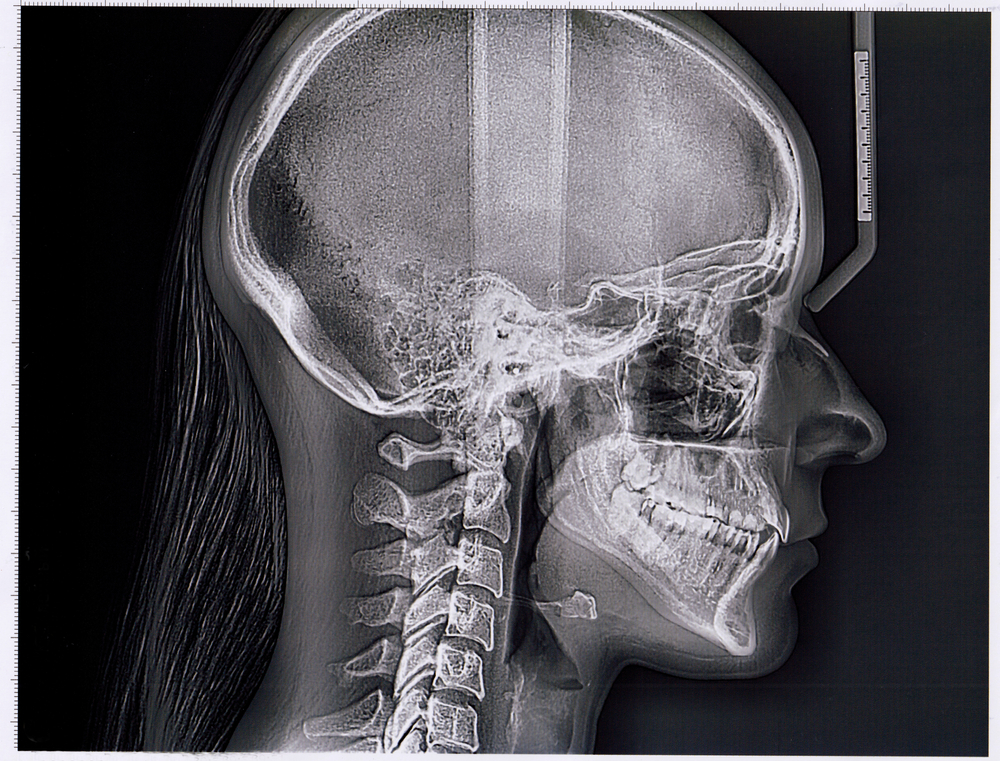
The prosthetic skull surgery remained an important part of Maya’s treatment. The procedure had been delayed by the infection, meaning doctors had to wait until the situation was stable enough to attempt the repair. Eventually, the surgery was successfully completed, giving Maya another major hurdle to clear.
By June, her family said Maya had undergone at least five surgeries since the shooting. The procedures had addressed the severe physical damage caused by the gunshots and the complications that followed, while doctors continued monitoring her neurological recovery.
The successful skull repair did not suddenly make Maya’s recovery easy. She still faced significant limitations and needed extensive support. But the operation removed another major obstacle from a recovery that had already taken her through repeated emergencies.
For her family, every successful procedure created room to focus on something beyond the next crisis. They could begin thinking about communication, rehabilitation and small pieces of normal life rather than only wondering what medical emergency might come next.
Maya Found A New Way To Communicate
One of the most encouraging changes came when Maya began communicating through a tablet. Her mother created a simple yes-or-no system that Maya could operate, allowing her to answer questions even though she still could not communicate through normal speech.
The change happened quickly enough to surprise her family. Edmonds said Maya had made “incredible strides” over the previous week, describing how her responses had suddenly become more deliberate. “It just clicked. Her responses, her reactions. I made her a ‘yes/no’ button set she’s learned to use,” Edmonds wrote.
She also found an app designed for non-verbal communication on Maya’s iPad. “I found an app on her iPad for non-verbal communications. She’s learned to be more deliberate with that as well,” Edmonds wrote.
For Maya’s family, this meant far more than simply having another medical device beside her bed. It gave Maya a way to make choices and communicate responses directly, allowing the people around her to hear from her again even though her voice was still unavailable.
Her Family Finally Got To Take Her Outside
After months inside the hospital, Maya reached another milestone when she became well enough to leave the hospital grounds. Her family took her to Vancouver’s Bloedel Conservatory, giving her a chance to spend time somewhere completely different from the rooms and corridors that had defined so much of her recovery.
Edmonds captured the significance of that moment in a simple sentence: “Now that we can leave hospital grounds, she gets to experience life again.”
Her father shared photographs from the outing, showing Maya outside the hospital after months of treatment. The trip was only one small day compared with the life Maya had before the shooting, but it represented a major change in what was possible for her.
The family was beginning to create new experiences around Maya rather than allowing her entire world to remain centered on medical treatment. And during those moments, another part of her recovery began to stand out. Her expressions were coming back.
That Little Smile Meant More Than It Looked
Maya’s mother described one particular expression that immediately felt familiar. When Maya was being lifted in her sling, she would make a small smirk that her mother recognized as unmistakably hers.
“That’s Maya,” Edmonds wrote while describing the expression. She explained that, more than four months after the shooting, pieces of her daughter’s personality were beginning to show through again.
It is easy to underestimate what a facial expression can mean after a devastating brain injury. For Maya’s family, however, this was not simply a photograph or a passing moment. It was a glimpse of the personality they had been waiting to see again.
Maya still has a long recovery ahead, and her injuries continue to affect her abilities. But after months of surgeries, infections and uncertainty, her family now has something they can recognize immediately. That smile looks like Maya.