
Your cart is currently empty!
California Radio Station Fires Every DJ After 61 Years and Goes Fully Automated
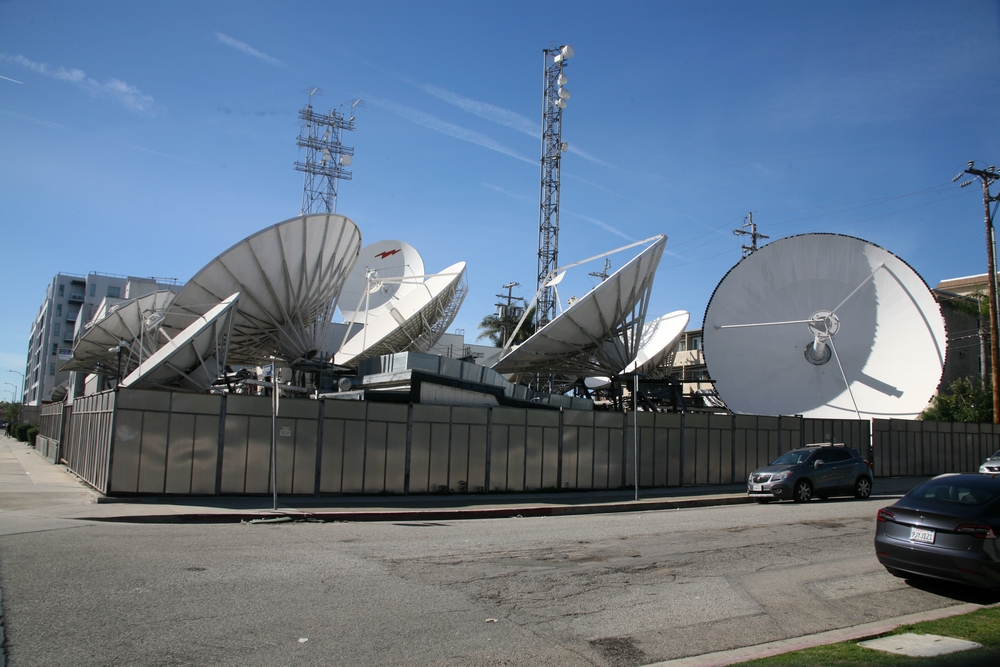
For decades, KCAL 96.7 was the kind of radio station where listeners knew the voices as well as the music. Drivers across California’s Inland Empire could tune in during the morning, afternoon or evening and hear familiar hosts who had spent years, and in some cases decades, behind the microphone. On Friday, July 31, 2026, that entire lineup disappeared in a single decision.
Contents
show
The Redlands station fired its complete air staff and announced that it was moving toward an automated, human-less format. Among those suddenly out of work was Daryl Norsell, who had spent 42 years at KCAL, including 36 years hosting afternoons. Another departing voice had been there for 20 years. By Saturday, the station was preparing to operate without the people who had helped define it for generations of listeners.
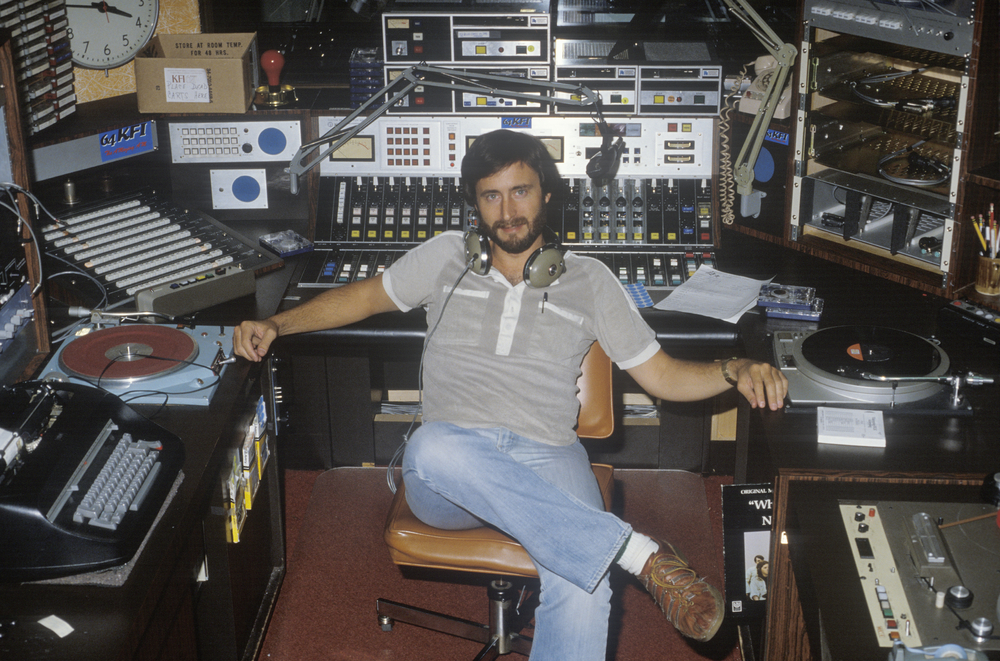
The Entire KCAL Air Staff Was Fired
John DeSantis, who had spent six years at KCAL as an evening host and program director, was one of the people who had to deliver the news himself. On the morning of July 31, he posted about the layoffs and made clear that this was not a small programming adjustment affecting one or two familiar voices.
“This morning, the ownership of KCAL released the entire air staff,” DeSantis wrote. “Yes, all of us. They will be moving to an automated, human-less format.” He followed that announcement by saying, “To say this is shocking is an understatement.”
The list of people affected stretched well beyond KCAL’s four full-time hosts. Daryl Norsell, Patrick Tish, Nikki Preston and DeSantis were all out, along with weekend and fill-in personalities including Lacey Kendall, Tim Brown, Steve “Razz” Brazill, Mike “Mike Z” Zara, Kelli Cluque, Frank “Frank-O” Garcia, Syeda Jafri, Jeremiah Paul and Rogelio Orozco.
That meant the station was losing a group of broadcasters with a combined history that would be difficult to replace. These were not temporary voices who had just arrived at the station. Several had built long careers there, becoming part of the routine for listeners who had heard them for years.
DeSantis ended his message by turning his attention toward the people who had listened to him and his colleagues. “It has been a radio dream come true. You will always rock,” he wrote.
Daryl Norsell Spent 42 Years Behind the Microphone
The most striking departure may be Daryl Norsell, whose career at KCAL lasted longer than many of the station’s listeners had been alive. He spent 42 years with the station and hosted its afternoon show for 36 of them, meaning generations of Inland Empire commuters heard his voice during the drive home.
Norsell confirmed the firing himself and listed the other hosts who had been dismissed. But when he spoke about the end of his career at KCAL, his comments focused less on the business decision and more on what the daily routine had meant to him.
“My four hours in the studio was always my favorite part of my day,” Norsell said. He also said he planned to unplug from everything for a while and spend time away with his wife, Kori.
For a broadcaster who had spent more than four decades doing the same job at the same station, the sudden ending was stark. There was no gradual retirement announcement or farewell broadcast described in the available reporting. The change came through a mass dismissal and a move toward automation.
Another Longtime Voice Had Two Decades With KCAL
Syeda Jafri was another veteran whose KCAL career ended that morning. She had worked as a weekend and fill-in DJ for 20 years, giving her a connection to the station that stretched back long before the latest programming change.
“It was an incredible 20 years as a weekend and fill-in DJ on 96.7 KCAL Rocks,” Jafri said.
Her departure was part of the same sweeping decision that removed every member of the air staff. That detail is what separates the KCAL cuts from an ordinary lineup change. The station did not simply replace one host or reduce a particular shift. It removed the human voices across its programming schedule.

KCAL Says The Future Is Music Without DJs
Anaheim Broadcasting Corporation, which has owned KCAL since the beginning of 1987, presented the change as a new chapter for the station rather than simply a round of layoffs.
“KCAL has a longstanding history in the Inland Empire, and this next chapter builds on the station’s strong rock heritage,” chief operating officer Kelly Sanders said. She explained that the station had been rebuilt around the music its listeners grew up with and described the new approach as a more focused and consistent listening experience.
The station’s message to listeners was considerably shorter: “Classic rock. Nothing but music. All day across the Inland Empire.”
That slogan gives a fairly clear picture of what listeners can expect. Instead of hosts introducing songs, talking about local events or filling time between tracks, the station will rely on an automated music format.
The company also said the new approach would have broader appeal for both listeners and advertising partners. The decision therefore appears to be about more than simply cutting personnel costs. KCAL is repositioning the station around a very specific promise: a continuous stream of classic rock with fewer interruptions.
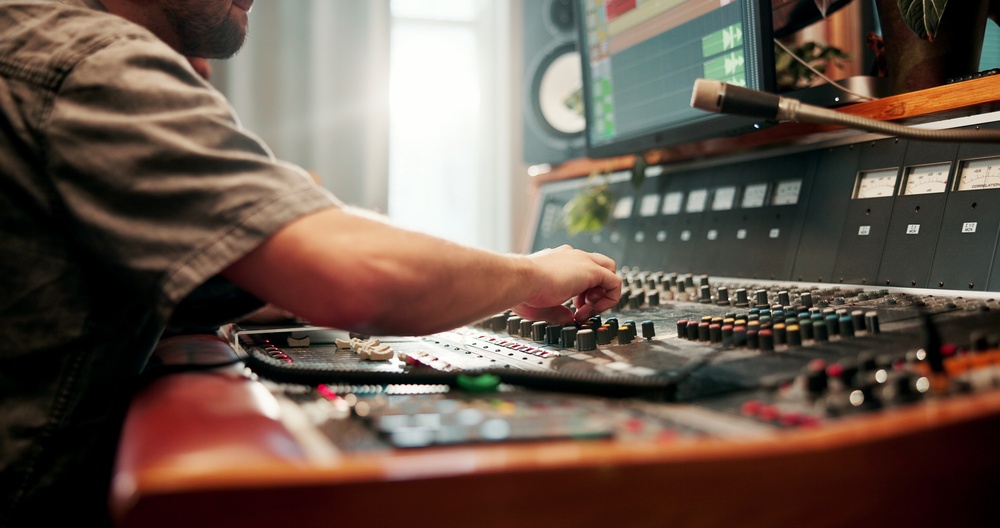
The Station Has Been Through Decades of Radio Changes
KCAL’s history makes the decision especially notable. The station signed on in Redlands in 1965. Four years later, it introduced a format that split its programming between soft rock during the day and harder album rock at night. The unusual approach became known as The Rock Spectrum.
By 1978, KCAL had moved fully into album-oriented rock. The station later shifted toward active rock during the 1990s before eventually becoming a classic rock outlet.
The music changed repeatedly as the radio industry evolved, but the station continued to operate with people behind the microphone. Hosts selected material, introduced songs, spoke to listeners and became recognizable parts of the KCAL identity. Now, more than 60 years after the station first went on air, that part of its history has changed. The music may still sound familiar to longtime listeners. The voices between the songs will not.
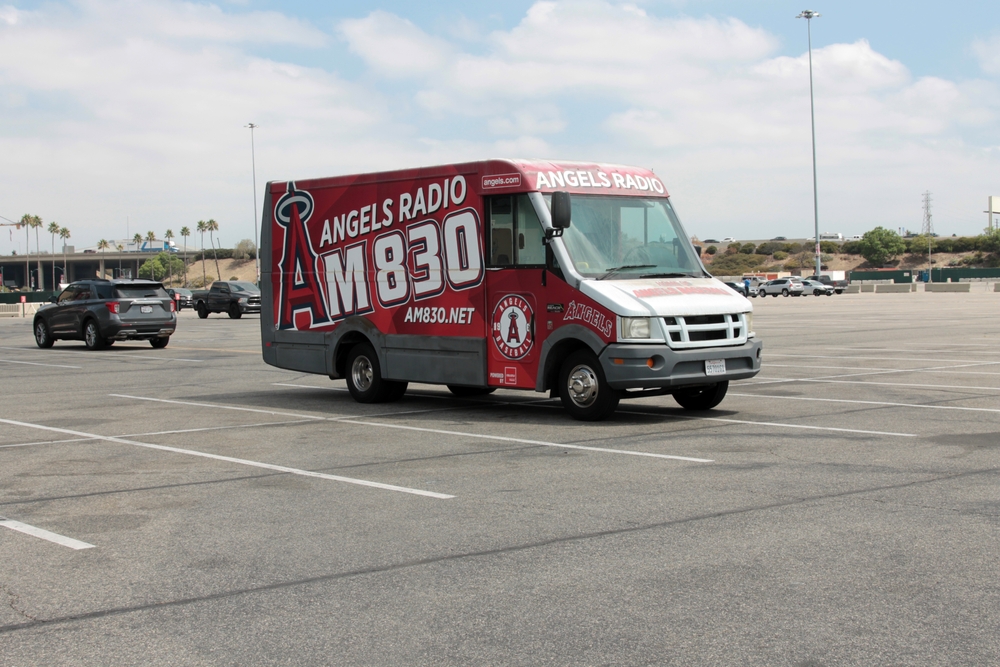
KCAL’s Move Comes During a Wider Radio Shake-Up
KCAL is also making this move at a time when local radio is facing broader changes. In June 2026, 99.1 KGGI, another Inland Empire station, cut its remaining local radio hosts, according to local reporting. The development came just weeks before KCAL made its own decision to eliminate its complete air staff.
National radio companies have also been reducing local programming. RadioInsight reported that iHeartMedia carried out a programming realignment in June that resulted in losses of local on-air talent across several markets.
According to that reporting, Atlantic City, Cedar Rapids, Erie, Fort Collins, Springfield and Spokane lost all of their remaining local on-air talent. Indianapolis and St. Louis were left with only a small number of local hosts.
That does not mean every station is heading toward the exact same model as KCAL. It does show that the economics and technology of radio are changing, with fewer local personalities being used in some markets.
AI Is Also Changing What A Radio Voice Can Be
The technology available to broadcasters is changing at the same time. A recent NewsNation segment examined an artificially generated radio DJ, highlighting how synthetic voices can increasingly perform broadcasting tasks that once required a human presenter.
KCAL’s reported move does not establish that its new format will use AI-generated personalities. The station has described the format as automated and human-less, with classic rock playing throughout the day.
That distinction is important because automation does not necessarily require artificial intelligence. A station can use scheduling software and a preselected music library to keep programming running without anyone physically sitting in a studio.
Still, the broader technology trend raises an obvious question for an industry built around recognizable personalities: how much of radio can be automated before it stops feeling local?
The Ratings Figure Makes The Timing Interesting
One detail surrounding KCAL’s final days has made the decision even more difficult to interpret.
A report published shortly after the layoffs put KCAL’s June audience share at 2.9, compared with 2.0 previously. That figure has not been independently corroborated in the available reporting, so it should be treated cautiously rather than as definitive evidence of the station’s performance.
If the reported numbers are accurate, however, KCAL’s audience share had increased shortly before the entire air staff was dismissed.
That does not prove that the DJs were responsible for the increase. It also does not tell us whether the audience would have continued growing if the station had kept its existing lineup. Radio ratings are influenced by numerous factors, including competition, programming, listening habits and market conditions.
But the timing is hard to ignore.
The station was reportedly gaining audience share while the people who had been presenting its programming were still on the air. Days later, every member of that air staff was gone and the station was preparing to run without them.
What Disappears When A Local DJ Does
The most obvious thing KCAL is removing is human conversation. A music-only station can deliver songs efficiently. It can avoid interruptions and maintain a consistent format throughout the day. For listeners who want exactly that, the change could be appealing.
Local radio personalities offer something different. A host can mention a traffic problem developing on a familiar freeway, talk about an event happening in the area or simply become a recognizable companion during a daily commute. Those interactions are difficult to reproduce with an automated playlist.
That connection was built over years at KCAL. Norsell spent 42 years there. Jafri spent 20 years doing weekend and fill-in work. Other members of the staff had also accumulated lengthy histories with the station.
The new format may be cleaner and more predictable. It will also be quieter in a very specific way.
There will be no longtime afternoon host signing off after four decades. No weekend DJ returning for another shift. No familiar voice telling listeners what song they are about to hear.
For KCAL, the future is now built around the music. For the people who spent years making that music feel local, their final broadcast day arrived all at once.
AI radio, Anaheim Broadcasting Corporation, automated radio, California radio, classic rock, Daryl Norsell, DJ layoffs, humanless radio, Inland Empire, John DeSantis, KCAL 96.7, local radio, Nikki Preston, Patrick Tish, radio automation, radio DJs, radio industry, radio layoffs, radio station, Redlands California