
Your cart is currently empty!
Two Men Swam Into A Flooded Field To Save A Fox Stranded On A Tiny Rock
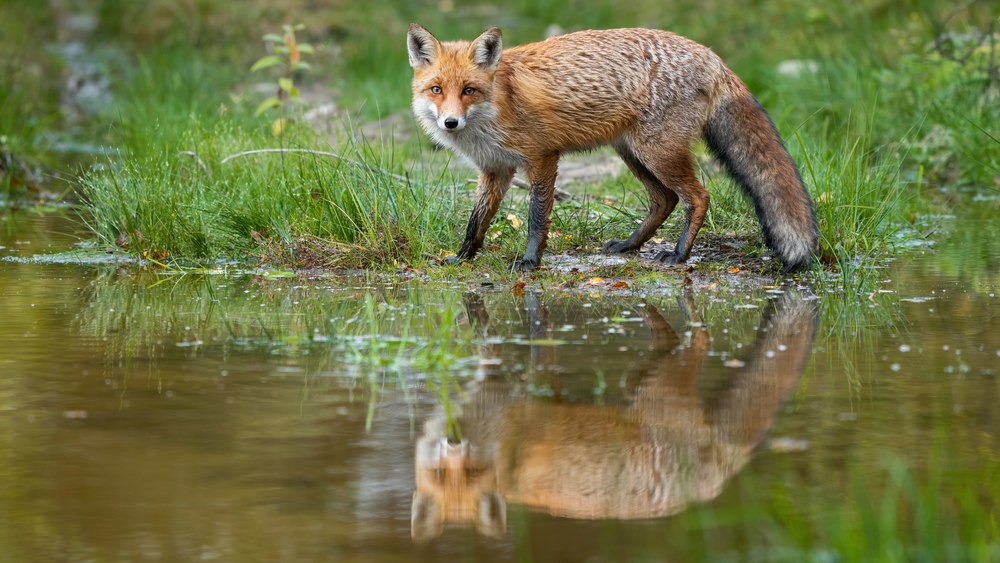
Watching a family of foxes play around a nearby rock pile had been a daily routine on Colin Graham’s farm near Welwyn, Saskatchewan, until a sudden June 2014 flood swallowed the surrounding landscape. When Graham and his sister went to check on the den, they found the rock pile reduced to a tiny island—and a single, terrified pup stranded on top of it.
Contents
show
Separated from safety by 75 metres of eight-foot-deep water, the exhausted animal had no way back to dry land. Rather than leave it there, Graham and his friend Jordan Olson plunged into the murky water, committing to a dangerous swim across a submerged field to save a frightened wild animal that was completely out of options.
Eight Inches Of Rain Had Swallowed The Countryside
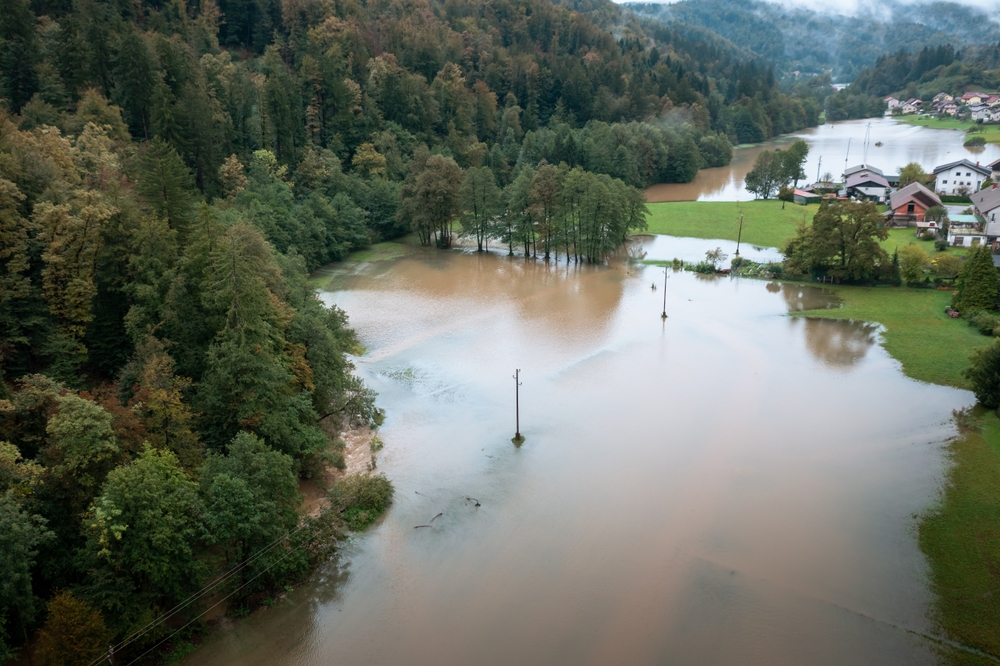
The rescue took place during a major flooding event across southeastern Saskatchewan. Rain began falling on Friday and continued through Monday, with close to 200 millimetres, or around eight inches, falling across the hardest-hit areas. By June 30, 37 communities had declared local states of emergency as roads, bridges and culverts were damaged or washed out by the rising water.
The flooding was particularly destructive because the water was coming from relentless rainfall rather than ordinary spring runoff. In Moosomin, the mayor reported that almost a third of the town had suffered flood damage, with some basements containing as much as three feet of water. A long stretch of Highway 8 was also closed north of the Trans-Canada Highway as the flooding disrupted transportation across the region.
The impact on agriculture was enormous. Saskatchewan’s agriculture department later estimated that between two million and three million acres of cropland had been flooded and would not produce a crop that year. Against that backdrop, the rescue of one small fox might seem like a minor event, but for Graham and Olson, there was still an animal sitting on a rock with the water continuing to surround it.
Graham’s sister was the one who first asked what had happened to the foxes they had been watching. When the family drove out to investigate, there was little left of the field to see. “My sister wondered what happened to the foxes, so we drove out there and there was just one rock sticking out of the top of the water,” Graham told CBC News. Something was still alive on it.
The Men Had To Swim 75 Metres Through Deep Water
The distance from the rock to dry ground was roughly 75 metres, according to Graham. That may not sound particularly far under normal circumstances, but the conditions made the journey completely different. The field had disappeared beneath the flood, and the water around the rock was deep enough that the men had no realistic option of simply walking out to the animal.
Graham and Olson entered the water together and began swimming toward the rock. Floodwater carries dangers that are difficult to see from the surface, particularly across farmland where fences, machinery, debris and uneven ground can be hidden underneath. The National Weather Service warns that just six inches of fast-moving water can knock an adult off their feet, while 12 inches can carry away a small car.
The men were dealing with water that Graham estimated at around eight feet deep. There was no clear path visible beneath them and no way of knowing exactly what was underneath the surface as they moved toward the fox. They nevertheless continued across the flooded field because the animal had no obvious way to get off the rock by itself.
The rescue was therefore dangerous before the men even reached the fox. They were not simply approaching an animal on dry land. They were swimming into a flooded landscape to reach a wild animal that was already exhausted and frightened, with the journey back to shore still waiting for them after they caught it.
The Fox Tried To Escape Its Rescuers
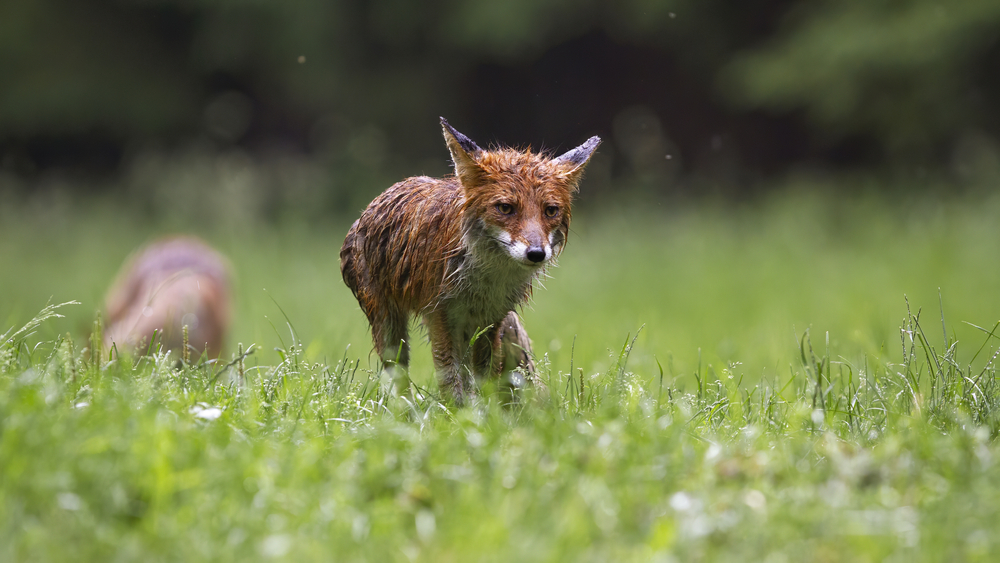
When Graham finally reached the rock, the young fox still had enough energy to try to escape. Instead of remaining where it was, the animal jumped into the floodwater and attempted to swim away from the men who had come to reach it. Graham described the moment when he first arrived and saw the fox make its move.
“When I first got there, he had a little bit of energy and he bailed off the rock and into the water and tried to swim away,” Graham said. The reaction was understandable for a frightened wild animal. After being stranded in the middle of a flooded field, the fox had no reason to know that the people entering the water were trying to help.
Graham managed to catch the animal before it could get away. Up close, the fox was surprisingly small, with Graham describing it as being about the size of a kitten. It was also completely soaked after spending an unknown amount of time exposed to the rain and surrounded by cold floodwater.
The photographs from the rescue captured the strange contrast of the moment. The men had deliberately swum into dangerous water to save the animal, while the animal itself was still trying to escape from them. It was a reminder that rescuing wildlife does not always look like the animal understands what is happening.
They Took The Fox Home Before Returning It To The Wild
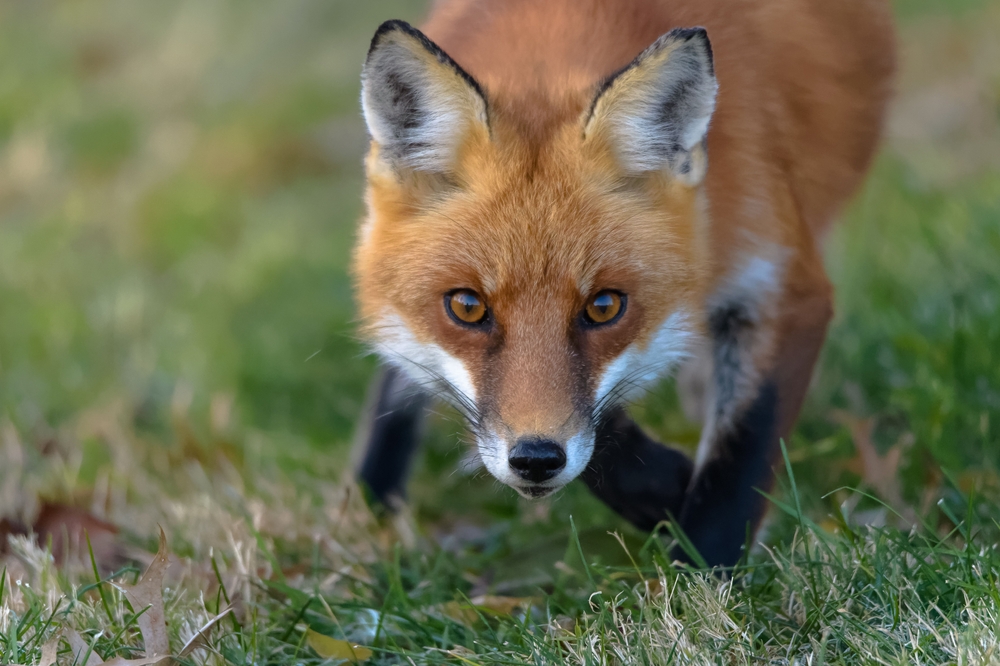
Once Graham and Olson had secured the fox, they brought it back to dry ground and placed it in the back of a pickup truck. They took the animal home, where it could be dried off and warmed up after being stranded in the floodwater. The immediate danger had passed, but Graham still had another problem to solve.
The fox belonged to a family that he had been watching since spring. Keeping the young animal was never the intention, and there was no reason to separate it permanently from its mother if she was still alive and somewhere nearby. The men therefore returned to the flooded area to see whether they could locate her.
Later that same day, they spotted the mother fox. That gave them a chance to return the young animal to the area where it belonged. “Then we were driving later, and we saw the mother out there, so we took him back,” Graham said.
The reunion appeared to have a happy ending. Graham later told CBC News, “They’re reunited. I saw them running around the other day.” After everything the fox had been through, it was back outside with its mother rather than being kept by the people who had rescued it.