
Your cart is currently empty!
Researchers Tested Cat Loyalty and The Results Were Hard to Ignore

Cats have a reputation for watching human chaos unfold without lifting a paw. Researchers decided to put that stereotype to the test by creating a situation where a person clearly needed help finding something.
Contents
show
A dishwashing sponge goes into a hiding place, and the cat sees exactly where it went.
Then the person that cat lives with walks back in and starts looking for it. Searching the room, coming up empty, never once asking anyone for help.
The cat stays put. Alert, watching, following every second of the small drama happening a few feet away.
Researchers in Budapest ran that scene past 22 cats, 38 dogs and 19 toddlers and measured one thing: who steps in. You can probably guess the shape of the answer. What you cannot guess is the extra trial they ran afterwards, the one that changes what the whole result means.
The results were awkward for cat lovers. Dogs and young children often stepped in. Cats, however, appeared to have one important question before getting involved: what was in it for them?
Researchers Created a Simple Helping Test
The experiment compared cats, dogs, and two-year-old children in a task designed to test helping behavior. Participants saw where an object had been hidden, then watched as another person began searching for it.
The person made their difficulty clear. They looked for the missing object and expressed confusion, creating a situation in which the participant had information that could potentially solve the problem.

Researchers also changed the type of object being hidden. Sometimes the item had little value to the participant. In other trials, it was something more desirable, including food or a favorite toy.
The aim was to determine whether the animals and children would help simply because someone else appeared to need assistance.
Dogs and Toddlers Were Often Willing to Help
Dogs and young children frequently responded to the person’s apparent problem. They were often willing to indicate where the object was or attempt to retrieve it, even when the item itself did not offer them any obvious benefit.
That pattern suggested that their behavior was not entirely driven by self-interest. They appeared willing to respond to another individual’s goal.
Cats showed a different pattern.
When the missing object was something that held little interest for them, many cats showed limited motivation to get involved. They could observe the search, but that did not necessarily lead them to help solve the problem.
For anyone who has ever misplaced something while their cat watched from a nearby chair, the finding may feel strangely believable.

The Situation Changed When Cats Wanted the Object
The cats became more interested when the hidden item involved something they valued. Food and favorite toys created a stronger incentive, and the animals were more likely to approach or respond to the location of the object.
This suggests that motivation played an important role in their behavior. The question was not necessarily whether cats noticed what was happening. Their response appeared to change depending on whether the situation mattered to them personally.
That distinction is important because failing to help does not automatically mean failing to understand.
A cat may recognize that its owner is searching for something and still see no reason to participate. When food enters the equation, the calculation can change rather quickly.
The findings may sound brutal, but they also raise a more interesting question about how humans interpret animal behavior.
Helping and Affection Are Not the Same Thing
It would be easy to conclude that cats simply do not care about humans. The experiment does not support such a sweeping claim.
Helping behavior is only one form of social interaction. A cat can ignore its owner’s search for a missing object and still seek that person out for comfort, food, play, or physical closeness.
Many owners describe strong bonds with their cats, even though those relationships often look very different from the relationships people have with dogs. Cats can be affectionate while remaining highly independent.
Humans often measure affection through helpfulness. When another person notices that we are struggling and immediately steps in, we interpret that as care. But animals do not necessarily express attachment according to human expectations.
The experiment tested a specific behavior. It did not test whether cats love their owners or experience attachment in the same way people do.
Dogs and Cats Took Different Paths to Domestic Life

The contrast between cats and dogs may partly reflect their different histories alongside humans.
Dogs descended from highly social ancestors and spent thousands of years developing cooperative relationships with people. Humans relied on them for hunting, herding, protection, and other activities that required close attention to human behavior.
That history helped create a species that is often highly responsive to our gestures and social cues. Cooperation became a central part of the relationship between humans and dogs.
Cats entered human life differently. Their ancestors were generally more solitary, and cats became closely associated with human settlements partly because those settlements attracted rodents.
Humans benefited from having skilled hunters nearby. Cats benefited from access to prey and shelter. The arrangement worked without requiring the same degree of cooperation seen in dogs.
Independence May Be Part of the Answer

A cat’s reluctance to help does not mean it lacks intelligence. Different species developed different skills for different environments.
Cats are highly capable hunters and problem-solvers. Their survival strategies often relied more heavily on individual action than group cooperation.
Humans, however, tend to judge intelligence through behaviors that feel familiar. An animal that follows instructions or responds to human distress can seem more intelligent because we understand what it is doing.
Cats may simply be playing by different rules.
The Experiment Raises Questions About Motivation
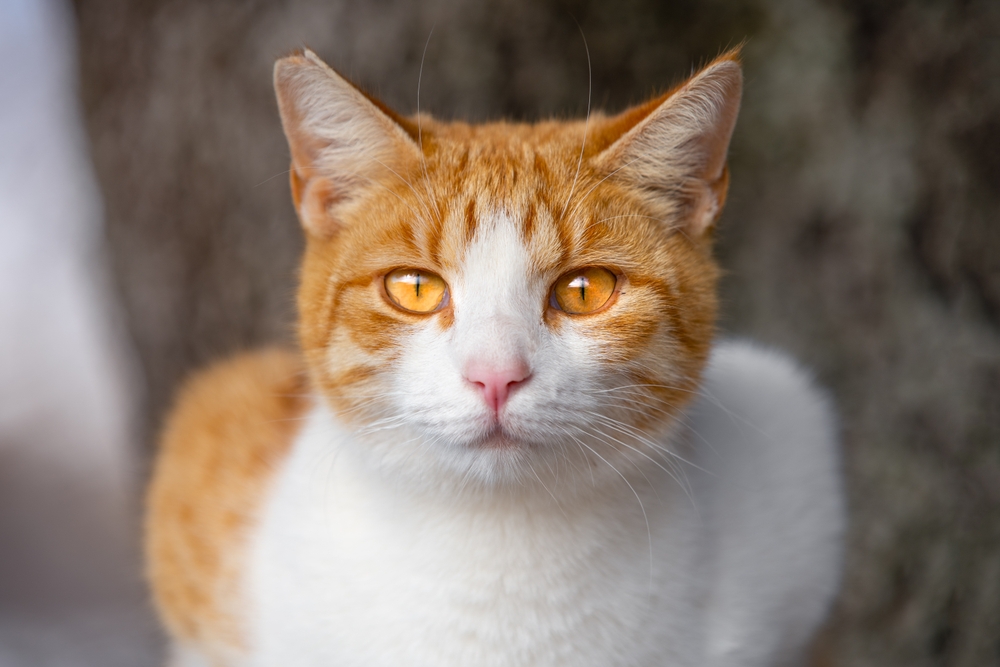
One of the most interesting aspects of the research is the difference between understanding and motivation.
Imagine seeing someone struggle to find an object. You know where it is, but you have no personal reason to get involved. Choosing not to help would not mean you failed to understand the problem.
Something similar may be happening with cats.
Their increased interest in food and toys suggests that personal value can affect whether they choose to participate. The cats may have been more capable of understanding the situation than their initial lack of response suggested.
This creates a more complicated picture than the familiar stereotype of a completely indifferent animal. The cat may know exactly what is happening. It may simply have priorities of its own.
That independence is frustrating when humans expect cooperation, but it may also be part of what makes cats so fascinating.
Why People Find the Results So Funny

People rarely view their pets as distant scientific subjects. They live with them, talk to them, and build daily routines around them. For many owners, an animal becomes a genuine member of the household.
That emotional connection makes questions about animal behavior feel personal. People want to know whether their pets understand them, notice when they are upset, or recognize when something is wrong.
Cats have a habit of making those questions difficult to answer.
A cat may follow its owner around the house and then ignore them when called. It may demand affection at one moment and disappear the next. The relationship can feel deeply affectionate while remaining entirely unpredictable.
That unpredictability may explain why the experiment’s results are so amusing. They seem to confirm something cat owners already suspect.
The cat probably noticed the problem. It just wasn’t convinced the problem deserved its attention.
What the Findings Can Actually Tell Us
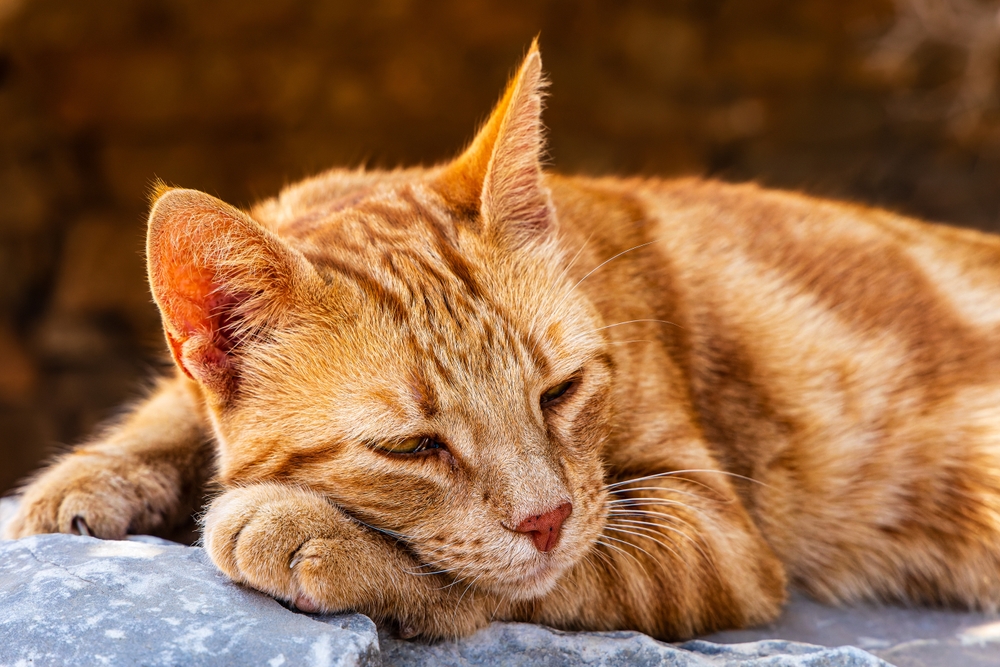
The experiment offers some useful observations, but it should not become a universal judgment on every cat. Individual animals vary, and one research task cannot predict how a particular pet will behave in every situation.
The findings suggest several broader ideas:
- Different species have different social motivations: Cats and dogs developed very different relationships with humans.
- Personal interest can influence behavior: Cats appeared more likely to engage when the missing object mattered to them.
- Helping is only one form of connection: An animal can form a strong bond without acting as a practical problem-solver.
- Human expectations affect interpretation: People often compare cats with dogs and expect similar forms of loyalty.
- Intelligence takes different forms: A reluctance to cooperate in one situation cannot fully measure an animal’s abilities.
Perhaps the most revealing part of the experiment is what it exposes about people. We often want animals to care in ways that look familiar to us.
Cats have never seemed particularly interested in following that script.
Cats May Simply Be Honest About Their Priorities
There is a reason cats remain one of the world’s most popular companion animals despite their reputation for indifference. Their affection can feel selective, their personalities can be unpredictable, and their independence gives them an almost unmistakable sense of individuality.
A dog may make its loyalty obvious. A cat often leaves you guessing.
The experiment may have delivered a brutal answer to the question of whether cats will help humans in trouble. When there was nothing in it for them, many appeared happy to remain observers.
That does not make the bond between humans and cats meaningless. It simply means that companionship does not always arrive in the form we expect. Your cat may never help you find your keys, retrieve your phone, or solve a household crisis, but the moment a treat bag makes a sound, it will suddenly demonstrate an extraordinary awareness of its surroundings.