
Your cart is currently empty!
Popular Sweetener Found in Everyday Foods Linked to Higher Risk of Heart Attacks and Strokes

A common sweetener found in products ranging from chewing gum and toothpaste to jam, yoghurt and ice cream has been linked to a higher risk of serious cardiovascular events. Xylitol is widely used as a lower-calorie alternative to sugar, and many people may consume it without giving the ingredient much thought. But new research involving thousands of people has raised concerns about whether high levels of the sweetener in the blood could be associated with heart attacks, strokes and an increased risk of death over time.
Contents
show
The findings have drawn attention because xylitol is often viewed as a healthier choice than ordinary sugar. It occurs naturally in some foods in very small amounts, but it can also be added to processed products in quantities far higher than those found naturally. Researchers say the growing use of the sweetener has created an important gap in what is known about its long-term cardiovascular safety, particularly as consumers increasingly turn to sugar-free and reduced-calorie products.

Researchers Found a Higher Risk of Serious Events
The study examined 17,710 people and compared those with the highest levels of xylitol in their blood with those who had the lowest levels. Researchers divided participants into groups and focused on the top 25% and bottom 25%. Within six years, people with the highest blood levels of xylitol were 57% more likely to die or experience a heart attack or stroke than those with the lowest levels. The findings also suggested that the association did not disappear when researchers looked at the longer term, raising questions about what prolonged exposure could mean for cardiovascular health.
Over a period of 30 years, participants with higher xylitol levels were still 18% more likely to have experienced one of these major cardiovascular events. When researchers examined the groups between the highest and lowest levels, the results suggested a dose-dependent relationship. Higher blood levels were associated with higher rates of cardiovascular events, creating a pattern that researchers believe deserves much closer investigation as the use of xylitol continues to grow in food and consumer products.
The association was also seen regardless of several factors that could influence a person’s health or dietary choices. Researchers said the pattern remained consistent across age and sex and appeared independent of body mass index, hypertension, diabetes and lipid levels. Those details matter because people with existing health concerns may be more likely to choose low-calorie or sugar-free products, making it necessary to separate those underlying factors from the association being studied.
The research was presented at the European Society of Cardiology annual congress in Munich. Scientists emphasized that the findings show an association rather than proving that xylitol directly causes heart attacks or strokes. Even so, the size of the study and the length of time covered have added fresh urgency to questions surrounding an ingredient that appears in many products people use every day.
Scientists Had Previously Raised Concerns
Dr Marco Witkowski, from the Charité university hospital in Berlin, said the new findings build on earlier research that had already raised concerns about xylitol. “In previous studies, we showed that xylitol can enhance the ability of platelets to form clots,” he said. Platelets play an important role in stopping bleeding, but unwanted clot formation can also contribute to serious cardiovascular problems when a clot blocks blood flow to the heart or brain.
Witkowski and his colleagues had previously found that high blood levels of xylitol were linked to adverse heart events among people already considered to be at high risk over a three-year period. The newer research looked more broadly at the general population and examined what the association could look like over a much longer timeframe. That wider focus produced results that researchers say cannot simply be ignored as the ingredient becomes increasingly common.
“Artificial sweeteners are consumed by people who think they are healthier than sugar and they are generally regarded as safe by regulatory agencies,” Witkowski said. His concern is not based on the idea that one serving of a xylitol-containing product will automatically trigger a medical emergency. Instead, the research raises questions about the cumulative effects of higher blood levels and repeated exposure over many years.
“Our long-term findings in the general population highlight how little we know about the cardiovascular safety of xylitol and indicate that further studies are warranted, especially as the amount of xylitol in products continues to increase,” he added. The message from the research team is clear: the ingredient requires more study before stronger conclusions can be made about its long-term effects.

Xylitol Appears in More Products Than Many People Realize
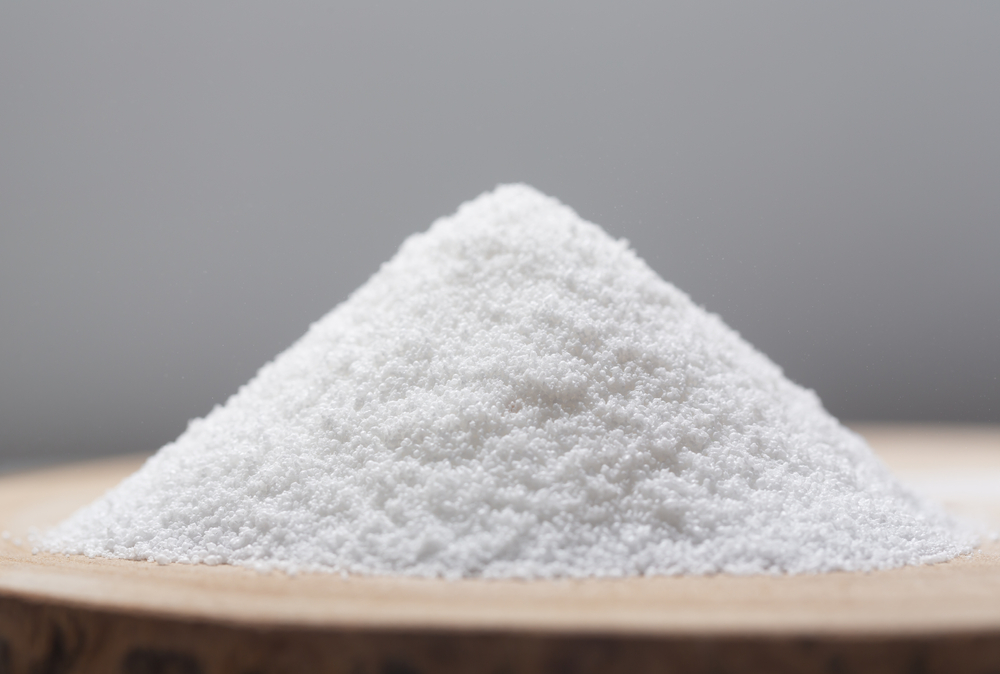
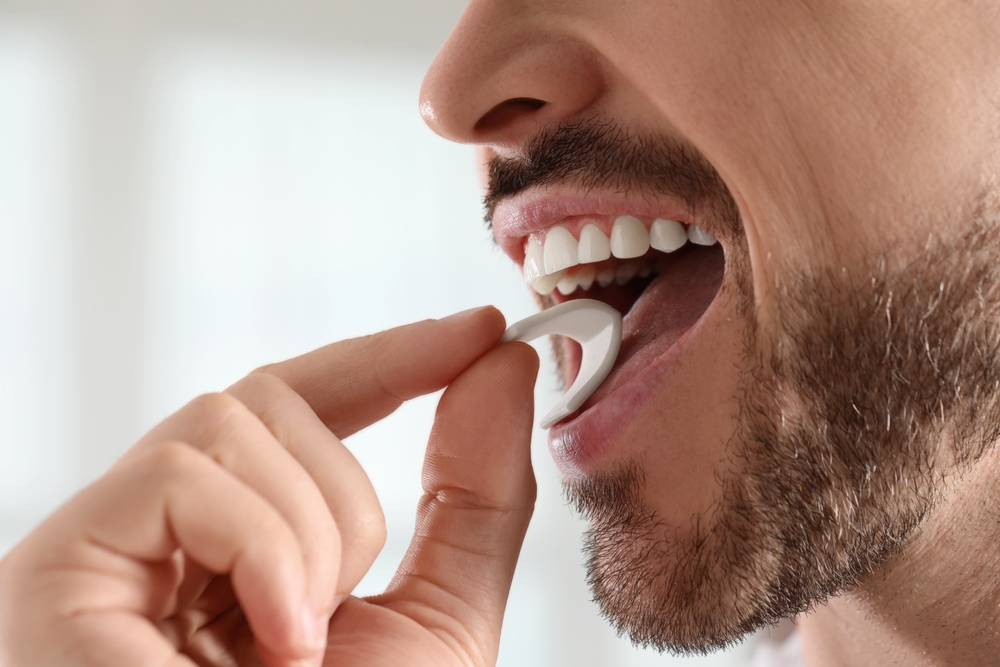
Xylitol is a sugar alcohol that occurs naturally in some foods at very low levels. Its commercial use, however, has expanded because it provides sweetness while containing fewer calories than traditional sugar. It can also be used in products designed for oral care, which means exposure is not limited to food and drink. The difference between naturally occurring levels and the quantities used in some manufactured products has become part of the concern surrounding the ingredient.
Products that may contain xylitol include:
- Chewing gum
- Toothpaste
- Jam
- Yoghurt
- Ice cream
- Sugar-free foods and beverages
The growing popularity of reduced-sugar products means consumers may not always know how frequently they encounter artificial sweeteners. Someone trying to reduce their sugar intake could choose several products marketed around lower calorie content without necessarily paying close attention to the specific sweeteners used. Researchers say that makes it important to understand how these ingredients behave in the body over long periods rather than assuming every sugar substitute carries the same health profile.
Xylitol has been embraced partly because many people want to cut down on free sugar without giving up sweet foods entirely. The new findings do not mean that consumers should panic or assume every product containing xylitol is dangerous. They do, however, add another layer to the ongoing debate over whether replacing sugar with artificial or low-calorie sweeteners always produces the health benefits people expect.
Experts Say the Research Cannot Prove Cause
Prof Dan Atar, an expert member of the European Society of Cardiology communication committee who was not involved in the research, stressed that the study has important limitations. Because it was observational, researchers could identify a relationship between higher blood levels of xylitol and cardiovascular events, but they could not prove that xylitol itself was the direct cause. Establishing cause and effect requires further research designed specifically to test that question.
“Artificial sweeteners are widely embraced by modern society, and the safety ratings had been good and granted by regulatory authorities,” Atar said. He added that the findings pointed to a possible negative long-term effect on cardiovascular events in the general population, while also stressing that observational research cannot easily establish causality.
The distinction is important because a higher level of xylitol in the blood may be connected to other factors researchers have not yet fully identified. Scientists attempted to account for several known health characteristics, including diabetes, hypertension, body mass index and lipid levels. Yet observational studies can still leave unanswered questions about why one group experiences a different outcome from another.
Atar said further studies were needed into the issue because artificial sweeteners are now deeply embedded in modern diets. The findings therefore represent a reason for more scientific scrutiny rather than a final verdict on xylitol. Researchers will need to investigate how much exposure matters, whether certain people face greater risks and what biological processes could explain the association.

People May Consume More Than They Think
Dell Stanford, a senior dietitian at the British Heart Foundation, warned that consumers may assume products containing artificial sweeteners are automatically the healthier choice. That assumption could lead some people to consume more sweetened products than they realize, particularly when those products are marketed as reduced in sugar or lower in calories. Heart health risks can develop over long periods, making the overall pattern of a person’s diet an important consideration.
“Artificial sweeteners such as xylitol are found in many foods and drinks, and people may assume they are the healthier choice, so consume more than they realise,” Stanford said. She added that the findings contribute to growing evidence suggesting artificial sweeteners could have an impact on health, although the current study cannot establish that xylitol directly caused the cardiovascular events researchers observed.
Stanford also warned against taking the research as permission to simply consume more sugar instead. “It is important to note that this was an observational study, meaning it can only show an association between higher xylitol levels and cardiovascular events, rather than proving that xylitol directly caused them, and further research is needed,” she said. “But it is not a green light to have more sugar instead, as we still need to reduce our free sugar intake.”
That leaves consumers facing a more complicated question than simply choosing sugar or a substitute. The available findings suggest that reducing sweetness across the overall diet may be worth considering, rather than repeatedly replacing one highly processed sweetener with another. The research does not provide a simple answer, but it does challenge the assumption that a sugar-free label automatically guarantees a healthier choice.
The Wider Focus Is on Processed Foods
Stanford said the broader goal should be reducing reliance on heavily processed foods and drinks that may contain large amounts of sugar, salt or sweeteners. A balanced diet built around a wider variety of less processed foods can help support heart health without requiring consumers to chase the latest ingredient trend or assume that every replacement for sugar has been thoroughly studied over decades.
The new research has placed xylitol under closer scientific scrutiny, particularly because the ingredient is already present in products many people use regularly. Scientists have not established that xylitol directly causes heart attacks, strokes or death, and further research will be needed before such a conclusion can be reached. What the study does show is a significant association between higher blood levels and a greater rate of major cardiovascular events.
For now, the strongest takeaway is that lower sugar does not automatically mean risk-free. As researchers continue examining xylitol’s long-term effects, consumers may want to pay closer attention to what is actually inside the products they use every day.
The ingredient was once seen largely as a simple alternative to sugar. Now scientists are asking whether the full health picture is far more complicated.