
Your cart is currently empty!
Google Maps Now Calls Lake Ontario “Lake America” for U.S. Users
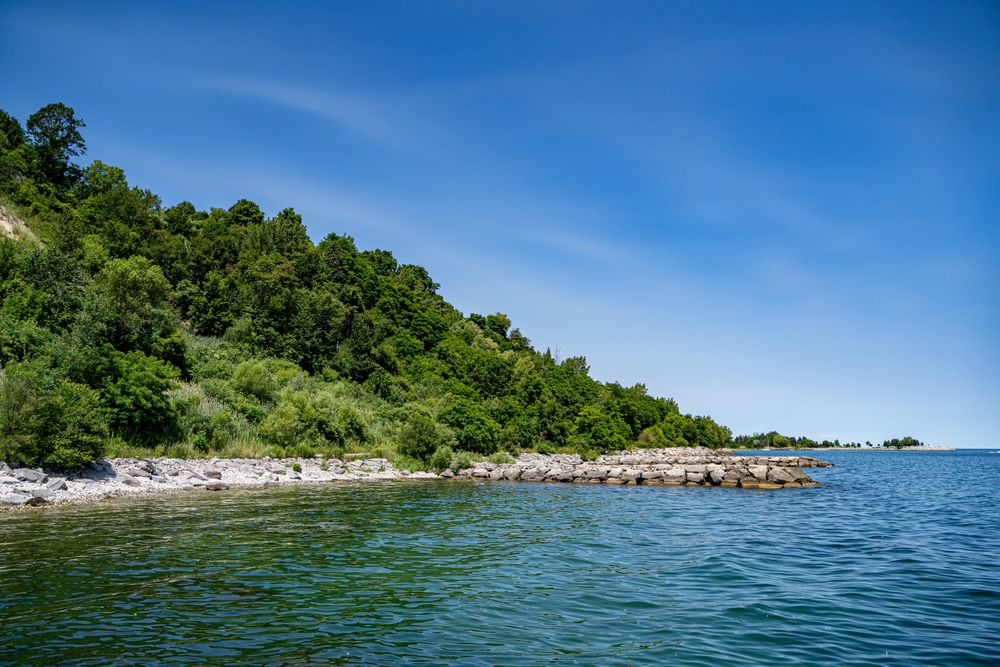
Anyone in the United States searching for Lake Ontario on Google Maps may now struggle to find it under the name they have known for generations. Following an executive order signed by President Donald Trump, the smallest of the Great Lakes is now appearing as “Lake America” for users in the U.S. The change has triggered a fresh dispute with Canada, where officials have made it clear that the lake will continue to be known as Lake Ontario.
Contents
show
The update has created a strange digital divide around one of North America’s most famous bodies of water. Americans using Google Maps see “Lake America,” Canadians continue to see “Lake Ontario,” and users elsewhere see both names together. While the water remains exactly where it has always been, the political fight over what to call it has now reached millions of screens.
Google Maps Changes the Name for U.S. Users
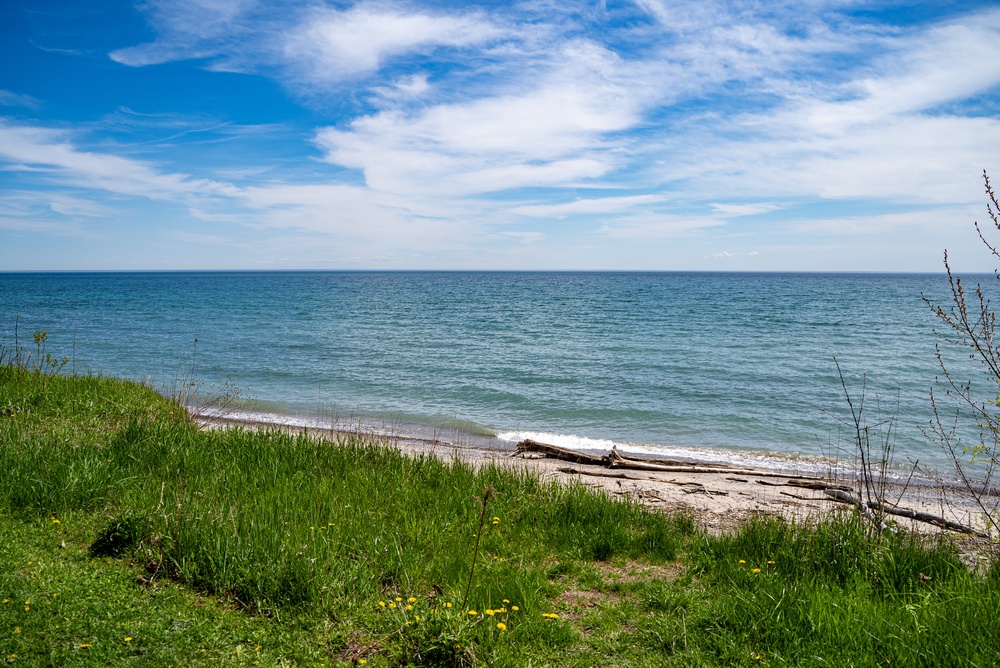
Google confirmed that the update followed a formal change in the U.S. Geographic Names Information System, which changed the federal designation from “Lake Ontario” to “Lake America.” The company said it follows a long-standing policy of updating geographic names when official government sources make changes. As a result, the label shown on Google Maps now depends on the location of the person using the service.
Users inside the United States will see “Lake America,” while users in Canada will continue seeing “Lake Ontario.” People accessing Google Maps from other countries will see “Lake Ontario (Lake America).” The unusual arrangement means the same lake can now have different names depending on which side of the border someone is standing on.
The decision quickly became one of the most visible results of Trump’s executive order. What might normally have remained a bureaucratic change inside a government database suddenly became impossible to miss for anyone opening a map. A search for Lake Ontario from New York can now produce a different official label than the same search performed from Ontario.
The change also shows how quickly political decisions can spread through major technology platforms. Once the federal geographic database was updated, Google applied the new name for its U.S. users under its existing naming policy, turning a government order into a change visible to millions of people.

Trump Officials Celebrate the New Label
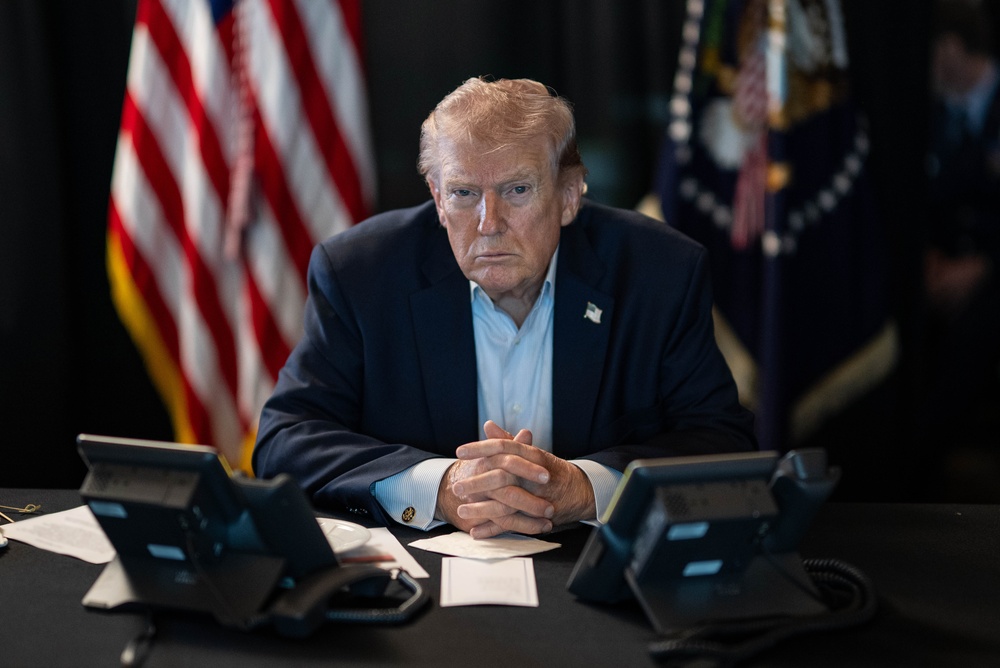
Trump administration officials celebrated after the new label appeared on Google Maps. White House Communications Director Steven Cheung posted, “It’s official! LAKE AMERICA on Google Maps.” Trump also shared a link to coverage of the change, signaling his approval of the latest geographic rebrand.
The Lake America decision follows Trump’s earlier effort to change the U.S. government’s name for the Gulf of Mexico to the “Gulf of America.” Google also updated its U.S. Maps display after that federal naming change, although users in Mexico continued seeing “Gulf of Mexico” and people elsewhere could see both names.
The administration’s approach has turned geographic names into another front in Trump’s broader political agenda. Supporters have celebrated the changes as an assertion of American identity, while opponents have questioned whether long-established international names can simply be changed through U.S. executive action.
Lake Ontario presents an even more complicated situation because it directly borders two countries. The United States can change the terminology used by its own government, but Canada has no obligation to recognize the new designation, creating two competing official names for the same shared body of water.
Canada Is Refusing to Call It Lake America
Canadian officials have responded with open defiance. Prime Minister Mark Carney said Canadians would continue “calling it Lake Ontario, then, now and always.” The message left little room for compromise and made clear that Canada’s government does not recognize the American renaming.
Ontario Premier Doug Ford took the response a step further by unveiling a large sign overlooking the lake in Winona, Ontario. The sign reads “Lake Ontario Now and Always,” reinforcing the province’s position that the name is tied closely to its identity and history.
Standing in front of the sign, Ford said, “Let’s be clear: Long before President Trump, this lake was called Lake Ontario. And long after President Trump is gone, it will still be called Lake Ontario.” He later dismissed the renaming effort as something resembling “Saturday Night Live.”
The disagreement has also created practical problems for some Canadian websites using embedded Google Maps. After the label changed, certain sites began displaying “Lake America” because of the geographic data provided through Google’s services. Ontario officials said they were reviewing those websites to ensure they continued identifying the lake as Lake Ontario.
Other Map Companies Are Holding Their Ground
Google’s decision has not been followed across the entire mapping industry. Apple Maps and Waze were still displaying “Lake Ontario” as of Sunday, leaving users with different names depending on which app they choose.
MapQuest made its position especially clear. The company posted, “We’re not changing it,” and shared a satirical tool allowing users to assign their own names to the lake. One parody version reportedly called the body of water “Lake Are We Doing This Again?”
The split between mapping companies has created an unusual situation for users. A person can open one app and see Lake America, then switch to another and immediately see Lake Ontario. Digital maps, which are generally expected to provide fixed geographic information, are now reflecting different political and corporate decisions.
The disagreement also raises questions about how global technology companies should handle disputed or changing geographic names. Google’s policy relies on official naming sources that vary between countries, while other platforms have chosen to keep the older and internationally recognized label.
Lake Ontario is the smallest of North America’s five Great Lakes by surface area and sits between the Canadian province of Ontario and the U.S. state of New York. Its location makes the naming dispute different from a change involving a geographic feature controlled entirely by one country.
The lake is jointly governed under arrangements connected to the Boundary Waters Treaty of 1909, which established principles for handling shared waters between the United States and Canada. The agreement was designed to prevent and settle disputes over water use along the border.
Trump has broad authority to direct how the U.S. government refers to geographic landmarks in its own systems. That power does not extend to Canada, and it does not allow the United States to force another sovereign country to adopt the same terminology.
This is why the two governments can maintain completely different official names. Americans using a U.S. government naming system can encounter Lake America, while Canadians continue using Lake Ontario for the same water that stretches between both countries.
The Name Change Comes During a Trade War
The executive order arrived during a period of escalating tension between the United States and Canada. Trade talks between the two countries reportedly collapsed earlier in August, followed by retaliatory tariffs that reached as high as 50% on some goods.
Canadian officials also encouraged citizens to boycott U.S. travel and products. At the same time, Trump revived his previous rhetoric about Canada becoming the “51st state,” adding further strain to an already difficult relationship.
The Lake Ontario renaming quickly became another symbol of the wider dispute. A fight that began with tariffs and trade policy has now expanded into geography, technology, and national identity, with both governments refusing to soften their positions.
Opposition has also emerged inside the United States. Democratic lawmakers criticized the renaming, and Rep. Debbie Dingell announced plans for the “Hands Off Our Great Lakes Act,” legislation intended to reverse the executive order and restore the previous federal name.
Trump Has Already Changed Other Famous Names
Lake America is not the first major geographic rebrand of Trump’s presidency. On his first day back in office, Trump moved to change the federal name of the Gulf of Mexico to the “Gulf of America,” prompting Google to update its U.S. Maps display after the federal database changed.
The Gulf dispute later became an international legal issue. Mexico filed a lawsuit against Google, arguing that the United States did not have authority to rename the entire body of water, including areas outside American jurisdiction. The case remains pending.
Google and Apple also changed their U.S. map labels for North America’s highest peak from Denali back to Mount McKinley after another federal naming decision. MapQuest retained Denali and continued using the Gulf of Mexico, showing that technology companies do not always respond to federal changes in the same way.
Lake Ontario has now joined that growing list of politically charged names. But this dispute may prove especially difficult because Canada is directly involved and has already made clear that its position will not change.
One Lake, Two Names, and No Sign of Agreement
The most unusual part of the dispute is that nothing physical has changed. The lake has not moved, expanded, disappeared, or been divided into separate bodies of water. Only the name displayed on some screens has changed.
Yet the argument has become a powerful symbol of the political tension between the United States and Canada. For Americans using Google Maps, “Lake America” is now the official federal label reflected by the platform. For Canadians, the lake remains Lake Ontario, with officials publicly insisting that the name will stay.
For now, one of North America’s best-known lakes has become a geographical battleground visible with a simple search. The water is shared by two countries, but the name on the map now depends on where the person holding the phone happens to be.