
Your cart is currently empty!
These Seniors Show What Tattoos Really Look Like After Decades of Aging
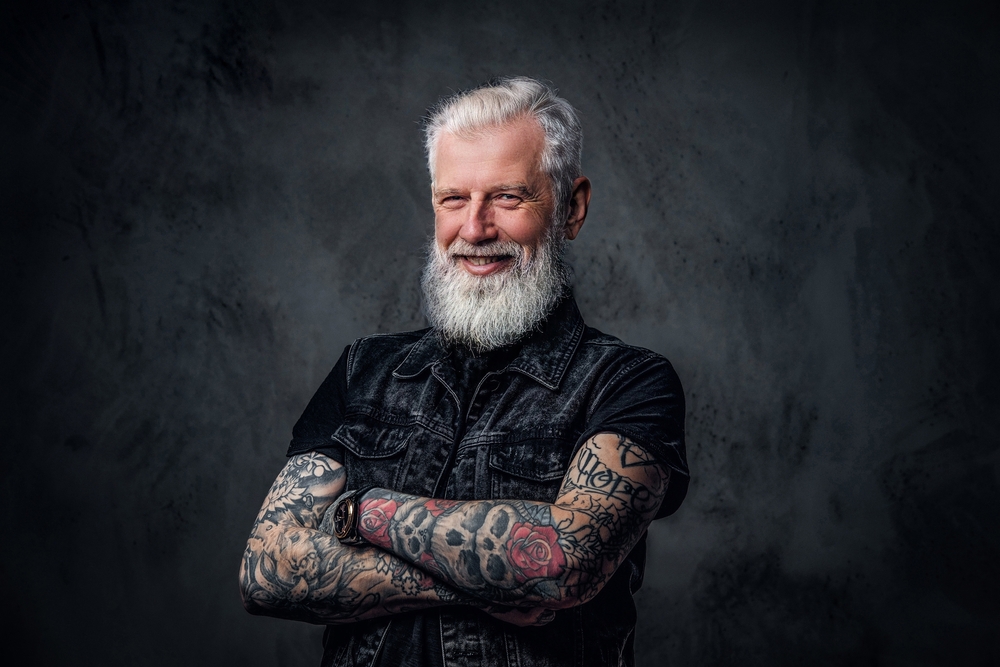
For anyone considering a tattoo, one question tends to linger in the back of their mind: what happens to the ink decades from now? Skin changes, bodies change, and the crisp design that looked perfect at 25 may not look exactly the same at 75. A collection of revealing photographs featuring tattooed senior citizens offers a rare glimpse at the answer, showing how body art can change after a lifetime of movement, sunlight, and aging.
Contents
show
The results are far more interesting than many people might expect. Some tattoos have faded, stretched, or softened over time, while others remain surprisingly recognizable and sharp. Together, the images offer a fascinating look at how permanent body art actually ages, while also capturing a generation that got tattooed long before ink became a mainstream fashion statement.
Aging Skin Changes the Way Tattoos Look

A tattoo does not stay frozen in time because the skin beneath it does not stay frozen either. As people grow older, skin can become thinner and less elastic, while natural changes in body shape may affect the appearance of certain designs. Fine lines and highly detailed images may become softer, and colors can lose some of their original intensity after decades of exposure to the elements
Yet the photographs of tattooed seniors show that aging does not automatically turn body art into an unrecognizable blur. Many of the designs remain easy to identify, even after decades on the skin. Bold outlines often continue to stand out, while larger and simpler images can retain much of their original character. The amount of change varies from person to person, making every tattoo’s journey slightly different.
Placement can also play a role in how a tattoo changes over time. Areas of the body that experience major changes in weight, muscle, or skin elasticity may alter more noticeably than other areas. Sun exposure may also affect the appearance of ink, especially over many years. The images offer a visual reminder that tattoos age alongside the people who wear them.
That does not mean the passage of time destroys the artwork. In many cases, the aging process simply gives tattoos a different appearance. A design that once looked freshly applied can eventually become part of a person’s history, carrying the visible marks of decades lived.
Some Tattoos Have Held Up Better Than Others

The photographs make one thing clear: not all tattoos age in the same way. Some of the senior citizens still have ink that appears remarkably clear, with recognizable shapes and strong outlines. Others show more obvious fading, with details becoming less defined as the years have passed. The difference provides a realistic look at what can happen when tattoos are carried through several stages of life.
The quality and style of the original tattoo may influence how well it remains visible. Designs with strong lines and uncomplicated shapes can often remain recognizable even when the skin changes. Extremely small details, tightly packed patterns, and delicate lines may have a harder time maintaining their original appearance over many decades.
Color can change as well. Some older tattoos appear more muted than they may have when first applied, while darker ink can remain more visible. That variation is part of what makes the collection so compelling. There is no single answer to what every tattoo will look like in old age because every person’s skin, lifestyle, and tattoo history are different.
What stands out most is that many of these tattoos are still unmistakably tattoos. They may no longer have the same fresh appearance they had years earlier, but the artwork has not simply vanished. For anyone imagining that every tattoo inevitably becomes an unrecognizable smudge, these images provide a more complicated and far more realistic picture.
Tattoos Have Changed Along With Society
The senior citizens featured in these photographs also represent something larger than the question of aging skin. Many of them belong to generations that lived through a very different attitude toward tattoos. Body art was once far more closely associated with particular groups, including sailors and prisoners, and visible tattoos could carry serious social stigma.
That perception has shifted dramatically. Tattoos are now common across many professions, age groups, and social circles. What was once viewed by some people as rebellious or unconventional has become an accepted form of personal expression for a large part of the population. The cultural change has happened quickly enough that older tattooed people may have experienced attitudes that younger generations can barely imagine.
For some people, getting heavily tattooed decades ago may have meant attracting unwanted attention or facing assumptions about their character. Today, tattoos can be seen everywhere, from workplaces and sports arenas to red carpets and social media. The transformation has made older tattoos particularly fascinating because they belong to people who embraced body art before it became widely accepted.
That history adds another layer to the images. These are not simply photographs showing how ink reacts to aging skin. They also show the long-term result of choices made during a period when tattoos carried a very different cultural meaning.
The Images Challenge Common Fears About Getting Inked
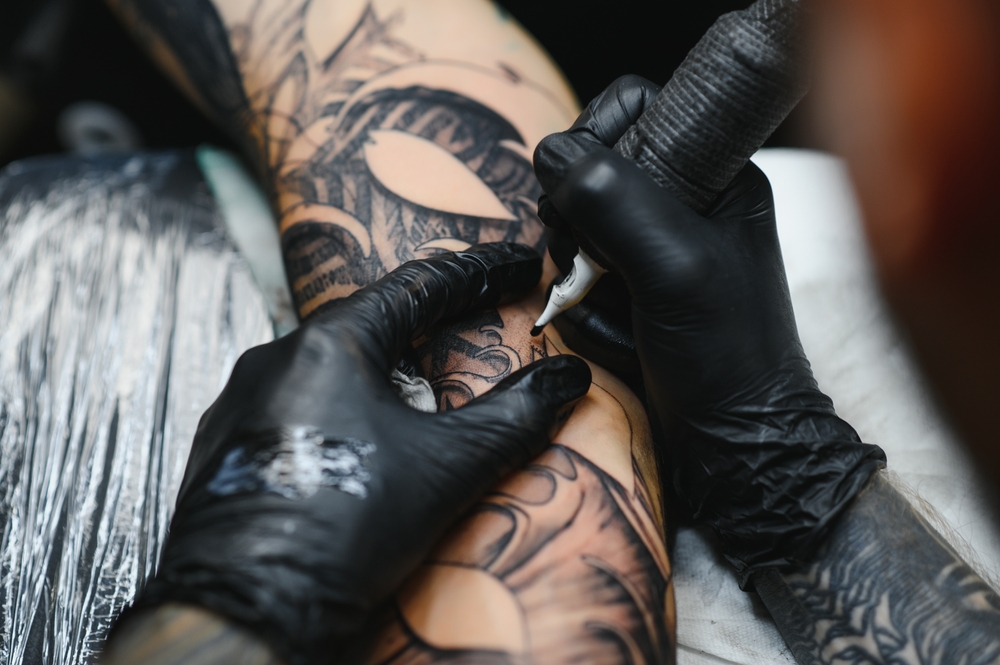
Fear of aging is often built into conversations about tattoos. Younger people are frequently warned that they will regret how their body art looks when they are older, as if changing skin automatically means the tattoo itself becomes a mistake. The photographs challenge that assumption by showing what decades of aging can actually look like.
Some of the tattoos have clearly changed, and pretending otherwise would make the images less interesting. Skin wrinkles. Bodies shift. Colors fade. Yet many of the people shown still wear their tattoos with a sense of ownership, and the designs remain visible parts of their appearance.
There is also no requirement for an old tattoo to look exactly as it did on the day it was completed. People change throughout their lives, and permanent body art changes with them. A tattoo can become weathered without becoming meaningless, just as a photograph can fade without losing the memory it represents.
For people considering getting tattooed, the most useful lesson may be realism. Tattoos are permanent in the sense that the ink remains part of the body, but their appearance will evolve as the body evolves. Anyone expecting a tattoo to look untouched after 50 years is likely expecting something human skin cannot provide.
A Lifetime of Ink Leaves Its Own Story
These photographs offer a rare chance to look beyond the pristine, freshly inked designs that dominate social media feeds. Instead, we see body art that has actually lived. The people in these images have carried their tattoos through decades of sun, laughter, physical changes, and passing trends.
A tattoo ages simply because the person wearing it ages. These seniors prove the reality is rarely as frightening as the old warnings suggest. The ink may soften, stretch, or fade, but it does not lose its meaning. Rather than a ruined canvas, an aging tattoo becomes a beautifully weathered roadmap—a visible, enduring piece of a life fully lived.