
Your cart is currently empty!
He Had $11,000 and Zero Construction Experience, So He Built a House and Escaped Rent
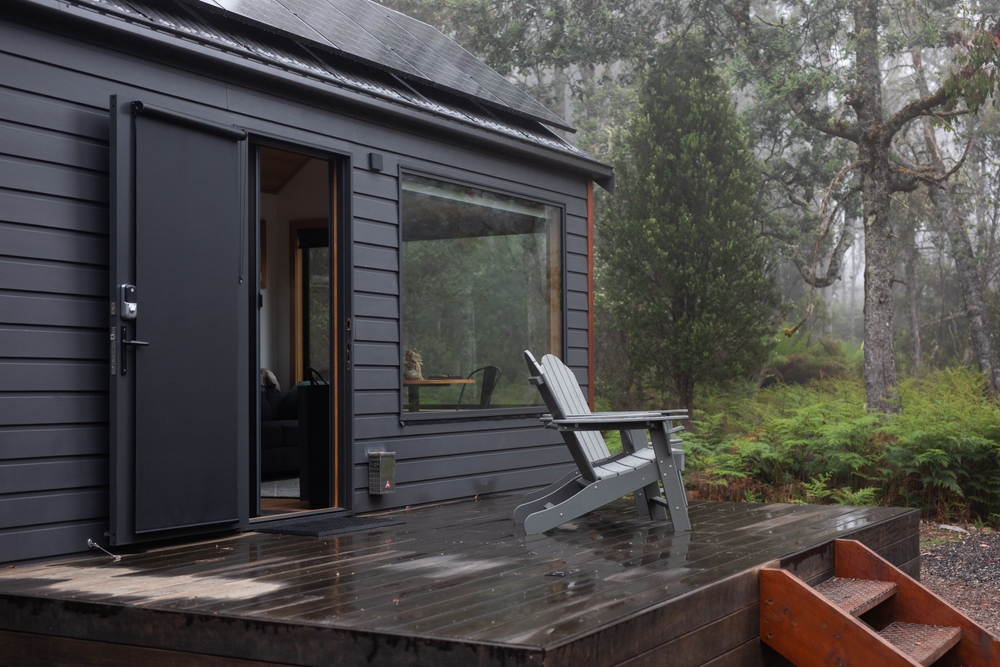
Paying rent can feel like a treadmill with no off switch. For Ivan Gradoboev, that feeling became impossible to ignore while he was living in a rented apartment in Sofia, Bulgaria. At the time, he had no construction experience, no house, and around $11,000 in savings. Buying even a small apartment seemed far beyond his reach, but he had started asking himself a bigger question: was there another way to stop handing over money every month simply to keep a roof over his head?
Contents
show
His answer began with a much smaller plan. Ivan initially wanted somewhere he could play the drums without bothering his neighbours, so in 2020 he bought a 200-square-metre plot of land outside the city. The idea was supposed to be a simple music room. Instead, after discovering that connecting the property to the electrical grid would be prohibitively expensive or impossible, he began considering something far more ambitious. The man who had never built anything suddenly found himself planning an entire off-grid home.
Hundreds of YouTube Videos Became His Construction Course
Ivan had no professional construction training, which meant the project began with a huge amount of research. He spent hundreds of hours watching YouTube videos about building, plumbing, electrical work, and modern off-grid systems. The more he learned, the more realistic the project began to seem. What started as an attempt to escape expensive housing gradually became a plan for independence from monthly utility bills as well.

Ground was broken in September 2020, and Ivan moved into the house on New Year’s Eve, around four months later. He had effectively taught himself how to build a home while building one. The process was far from easy, and Ivan admitted there were moments when he looked around the isolated property and wondered what he had gotten himself into.
There was no experienced construction crew to take over when things went wrong and no guarantee that every decision would work. He was taking on a massive project alone, on land without a conventional power connection. Still, the house was finished, and the gamble eventually became far more valuable than he expected.
His First $23,000 House Sold for $63,000
Ivan built his first house for around €20,000, roughly $23,000. He lived there for less than two years before selling it for €54,000, or about $63,000. The sale meant he had made close to three times what he had initially invested in the build.
Instead of abandoning the off-grid lifestyle after making a profit, Ivan used the money to continue building the life he had originally imagined. He put his resources into a second and more advanced home. The costs of that project were higher, but the experience he gained during the first build gave him a completely different starting point.
The figures vary depending on which house is being discussed. The first build cost around €20,000, while the current property involved additional expenses for land, construction, solar power, furniture, appliances, and smart-home equipment. Once everything was included, the total cost of the newer project passed €50,000.
The 420-Square-Foot House Runs Off the Grid
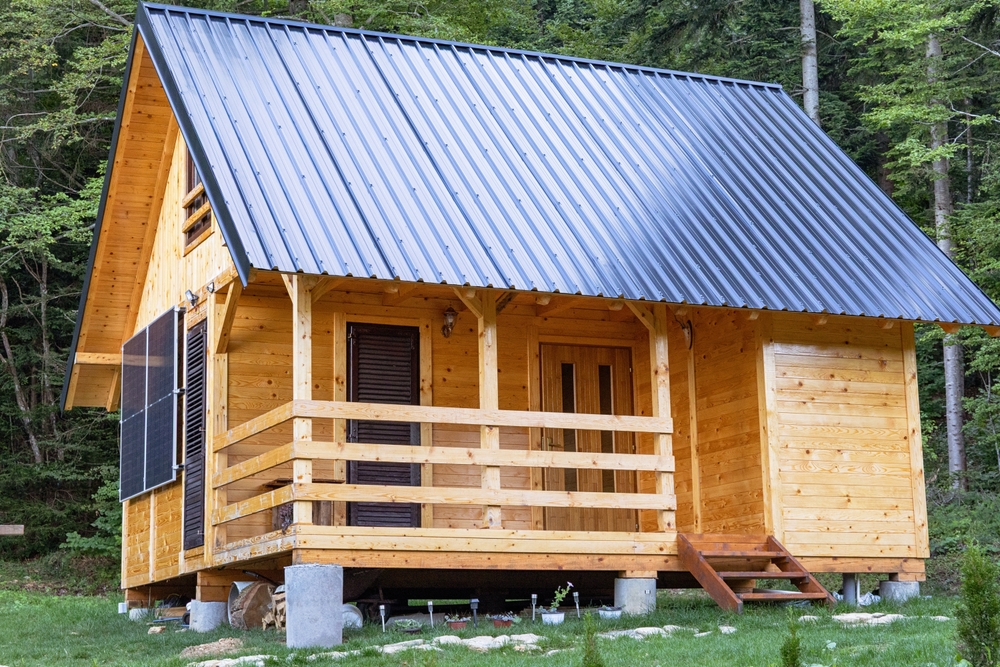
Ivan’s current home measures around 420 square feet and sits on concrete pillars on agricultural land. The design allows the structure to remain movable under local regulations. Despite its compact size, the house was designed to avoid the uncomfortable compromises many people associate with tiny living.
Solar panels provide electricity, propane is used for cooking, water comes from a well, and waste is handled through a septic tank. Smart-home technology helps manage parts of the property, creating a compact living space that functions without a conventional utility connection. Ivan wanted the benefits of off-grid living without turning everyday comfort into a constant struggle.
The setup does require attention and careful use. Ivan relies on efficient A+++ appliances and only turns on his water heater when he is about to use it. Even after gaining access to a well with plenty of freshwater, he continues conserving water because those habits have become part of his daily routine.
The House Does Not Run Without Challenges
Living off-grid has removed many of the bills Ivan once worried about, but the system is not completely effortless. His solar batteries generally remain well charged, although weather conditions can create challenges during darker periods of the year. Independence from the grid still means being responsible for every system when something stops working.
Winter conditions have occasionally forced Ivan to rely on a gasoline generator for backup power. An attempt to collect rainwater also failed, proving that not every off-grid idea works perfectly in real life. The house has required adjustments, experiments, and a willingness to accept that some solutions need to be changed.
His experience shows that living without conventional utility bills does not mean living without responsibilities. Maintaining solar equipment, monitoring energy use, managing water, and dealing with unexpected problems all become part of the lifestyle. The difference is that Ivan now has far more control over how those systems operate.
His Only Regular Bill Is Internet Access
The result is a lifestyle that looks very different from the rental cycle Ivan wanted to escape. His only regular bill is connected to his 5G internet access through his phone plan. He no longer receives the usual electricity and water bills that form a major part of many households’ monthly expenses.
That freedom did not come from finding a simple shortcut. Ivan spent years learning new skills, dealing with uncertainty, and investing money into land and construction. Building an off-grid home also requires suitable property, knowledge of local regulations, and the ability to maintain independent systems when something goes wrong.
Ivan has never claimed that everyone should abandon conventional housing and build a tiny home. His project simply solved a problem that once seemed impossible from his position in a rented apartment with limited savings. For him, learning how to build became an alternative to continuing the same financial arrangement indefinitely.
He Is Now Teaching Others What He Learned
Six years after starting his first build, Ivan is working on ways to share what he learned with other people who want to build their own homes. He is developing an educational system with free video lessons designed to explain the process step by step. The aim is to make the information accessible to beginners with little or no construction experience.
His website also offers plans and video instructions for a timber-frame design called FRØ. The compact structure measures roughly three by seven metres and provides around 21 square metres of living space. The name means “seed,” reflecting the idea that a new life can begin with a small starting point.
Ivan’s project has grown far beyond the drum room he originally imagined in 2020. The skills he picked up through countless hours of research eventually helped him build a home, sell his first property at a significant profit, and create a lifestyle with almost no recurring household bills.
What Ivan’s Experience Can Teach Others
Ivan’s story offers several practical lessons, although building an off-grid home will not be possible or suitable for everyone. His experience began with limited money and no construction background, but he gradually built knowledge before taking on more complicated parts of the project.
- Start With the Problem: Ivan wanted an affordable place to live and make music.
- Learn Before Spending: Hundreds of hours of research helped him understand construction and off-grid systems.
- Expect Problems: The project included doubts, expensive limitations, failed experiments, and backup power needs.
- Think Beyond the First Build: Selling his first house helped fund a more advanced second home.
- Independence Requires Work: Fewer bills still means maintaining the systems that provide power and water.
The biggest lesson may be that Ivan did not begin with the skills needed to complete the project. He learned them gradually and accepted that mistakes would be part of the process. The first small idea changed direction because he remained willing to keep learning when the circumstances of the land forced him to reconsider his options.
A Drum Room Became a Completely Different Life
Ivan began with around $11,000 in savings and a frustration shared by millions of renters who feel trapped by payments that never seem to end. He could not afford the kind of apartment he wanted, so he took an unconventional route and spent months learning how houses actually work. The decision eventually took him from a rented apartment to a self-built home powered largely by the sun.
His experience does not suggest that everyone should leave city life and start building houses after watching online tutorials. Off-grid construction involves money, planning, regulations, maintenance, and plenty of risk. Ivan’s situation worked because he was willing to commit years of effort to learning and improving his approach.
For Ivan, though, the change began with a simple desire to stop feeling trapped by rent. What started as a place to play the drums became a home, then a successful property sale, and eventually a lifestyle where the lights no longer come with a monthly electricity bill.