
Your cart is currently empty!
Lucky Charms And Trix Just Made A Huge Change As Food Giants Move Away From Artificial Dyes
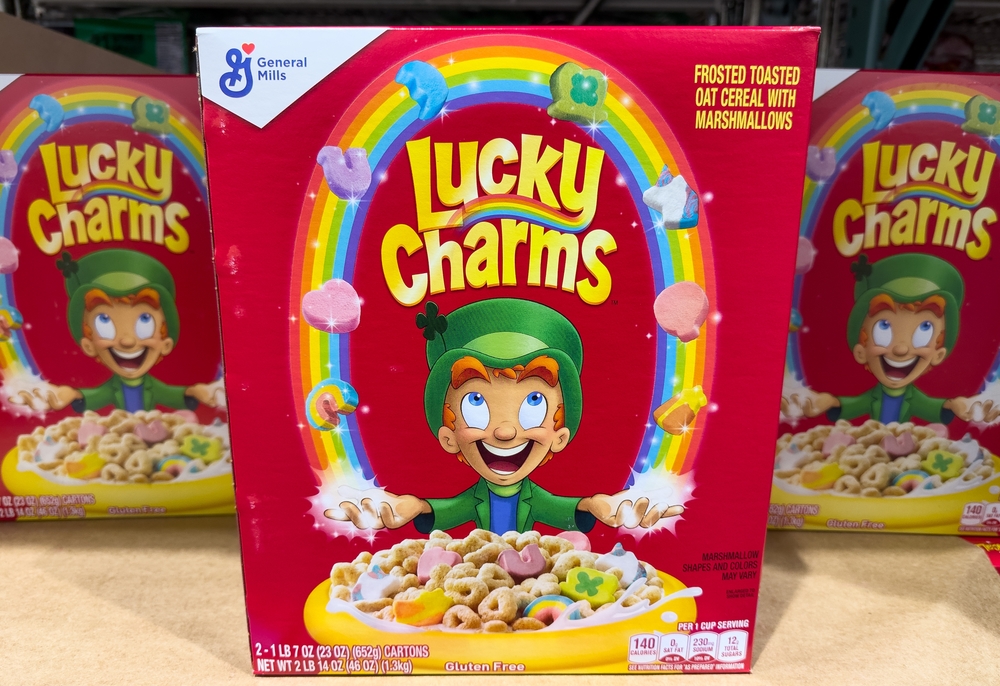
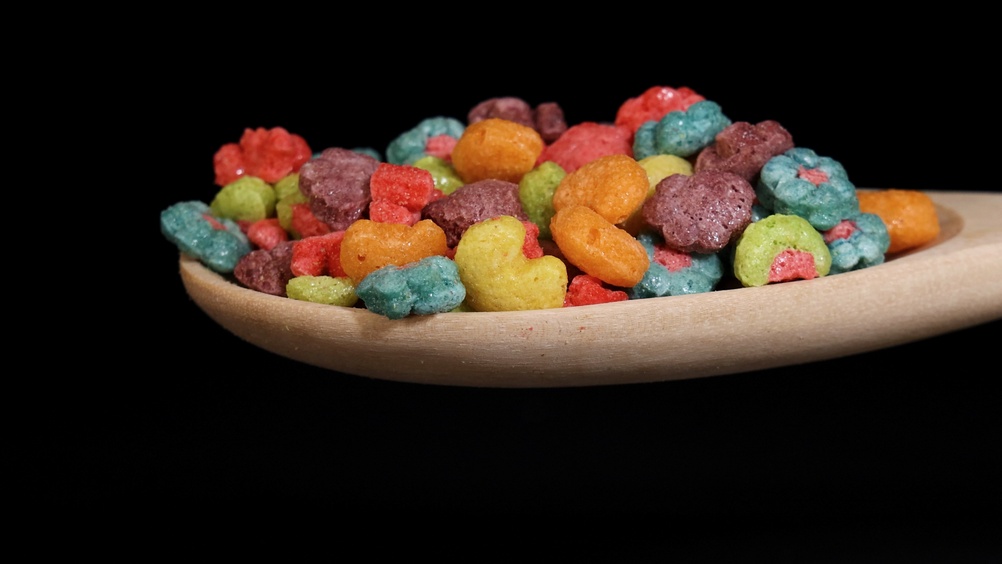
The brightly colored cereals that have filled American supermarket shelves for generations are undergoing a major transformation. General Mills has officially removed artificial colors from all of its cereals sold in the United States, bringing brands such as Lucky Charms and Trix into a growing movement away from synthetic food dyes. The change comes after years of debate over artificial colors, mounting pressure from consumers and retailers, and a broader push from Health and Human Services Secretary Robert F. Kennedy Jr. to encourage food companies to phase out petroleum-based dyes.
Contents
show
For millions of shoppers, the announcement may be surprising because products like Trix and Lucky Charms have long been defined by their vivid colors. General Mills says it has replaced artificial colors with alternatives derived from fruits, vegetables and spices, including turmeric and paprika. The company has also revealed that 90% of its U.S. retail portfolio is now free of artificial dyes and plans to complete the transition across its remaining products by the end of 2027.
General Mills Has Officially Changed Its Cereal Portfolio
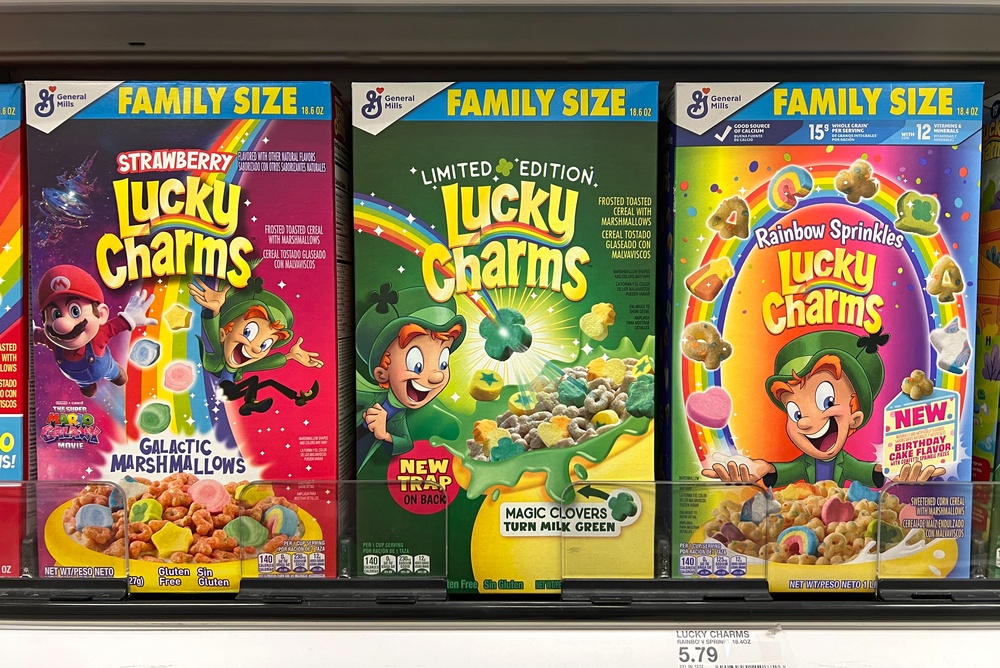
The decision means that General Mills’ entire U.S. cereal portfolio is now being produced without artificial color additives. The company described the move as a major milestone in its broader effort to change the ingredients used across its food products. Bethany Quam, president of Big G Cereal at General Mills, said, “This achievement reflects how we are evolving with consumer needs while continuing to offer food that tastes great, delivers quality and provides value.”
The change affects some of the company’s most recognizable brands, including Lucky Charms and Trix. Rather than relying on synthetic colors, General Mills has shifted toward ingredients sourced from fruits and vegetables, as well as spices capable of producing familiar shades. The company now faces the difficult task of maintaining the appearance consumers expect while changing formulas that have been part of these products for decades.
General Mills has already completed much of the larger transition. The company says 90% of its U.S. retail products are now free of artificial dyes, while some remaining products will continue changing their formulas over the next year. Certain Betty Crocker cake mixes, Fruit Roll-Ups and other products that still contain artificial colors are expected to transition by the end of 2027.
The company’s announcement places one of America’s largest food manufacturers firmly among the businesses responding to growing concerns about synthetic food ingredients. While colorful cereals may look like a small part of the country’s massive food industry, the decision could signal a much broader shift in how major companies approach ingredients that were once considered standard.
Trix Has Been Through This Before
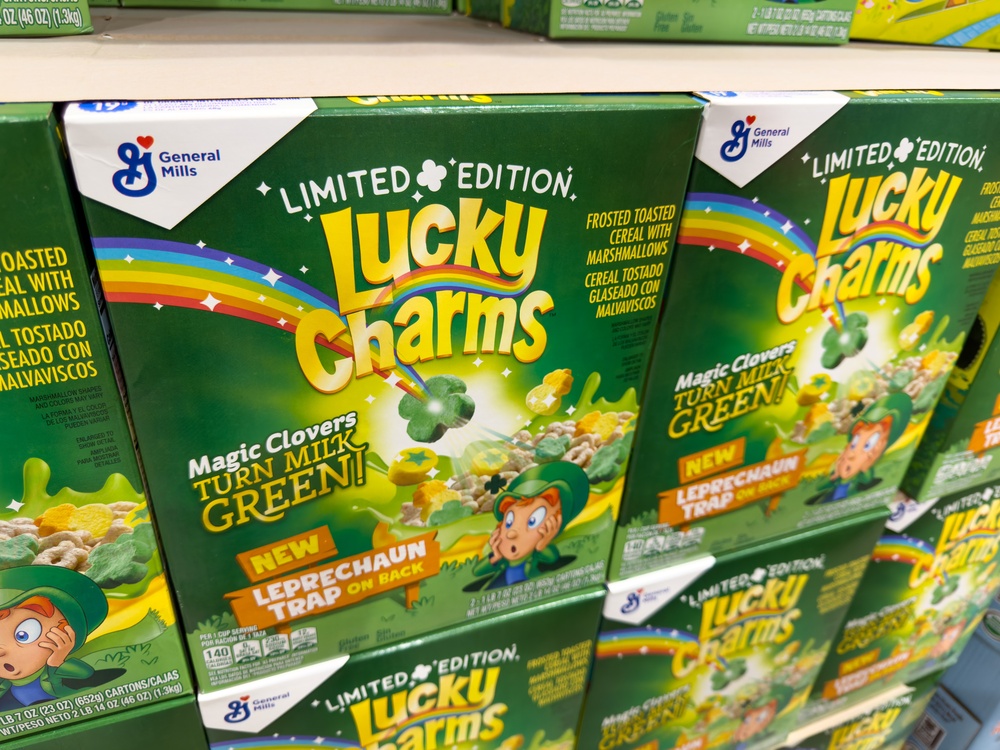
The latest decision carries extra significance because Trix previously attempted to move away from artificial colors. General Mills removed artificial dyes from the cereal in 2015 and introduced a version using alternative color sources, but the company reversed the decision two years later after saying American consumers missed the bright appearance of the original product.
That earlier experience demonstrated how strongly customers can react when a familiar product changes. Food companies are not simply changing ingredients when they remove synthetic dyes. They are also changing the visual identity of products that many consumers have known since childhood, creating a difficult balance between health concerns, consumer preferences and the expectation that a favorite cereal should still look familiar when poured into a bowl.
The situation appears different now than it did a decade ago. Pressure from consumers has increased, retailers have begun setting their own ingredient standards and politicians have placed artificial dyes higher on the national health agenda. General Mills is making the switch again as other major food manufacturers announce similar plans, creating an industry-wide movement that was far less visible when Trix first experimented with natural colors.
The big question for shoppers will be whether the new versions feel the same as the products they remember. General Mills has made clear that it intends to preserve taste and quality while changing the ingredients used to create the cereals’ colors, meaning the company is betting that today’s consumers are more willing to accept a different formula than they were during Trix’s previous dye-free experiment.
RFK Jr.’s MAHA Push Has Added Pressure
Removing artificial food dyes has become a central part of Robert F. Kennedy Jr.’s “Make America Healthy Again” initiative. Kennedy has urged food companies to phase out petroleum-based artificial dyes, arguing that the food industry should move toward ingredients that face fewer questions from consumers and health advocates. The issue has become one of the most visible parts of the wider debate over the quality and composition of America’s packaged food supply.
Federal health officials have also examined possible changes involving several synthetic color additives. At a news conference announcing the government’s plan last year, then-Food and Drug Administration Commissioner Dr. Marty Makary said health agencies were looking at revoking authorization for two synthetic food colorings while working with the food industry to eliminate six remaining synthetic dyes used in a wide range of products.
Kennedy said health agencies had reached an “understanding” with major food companies about voluntarily removing artificial dyes. However, questions remain over what steps the government could take if companies chose not to comply with voluntary requests. The uncertainty has not stopped major manufacturers from announcing their own plans, suggesting that consumer demand and retail pressure may be influencing corporate decisions alongside political pressure.
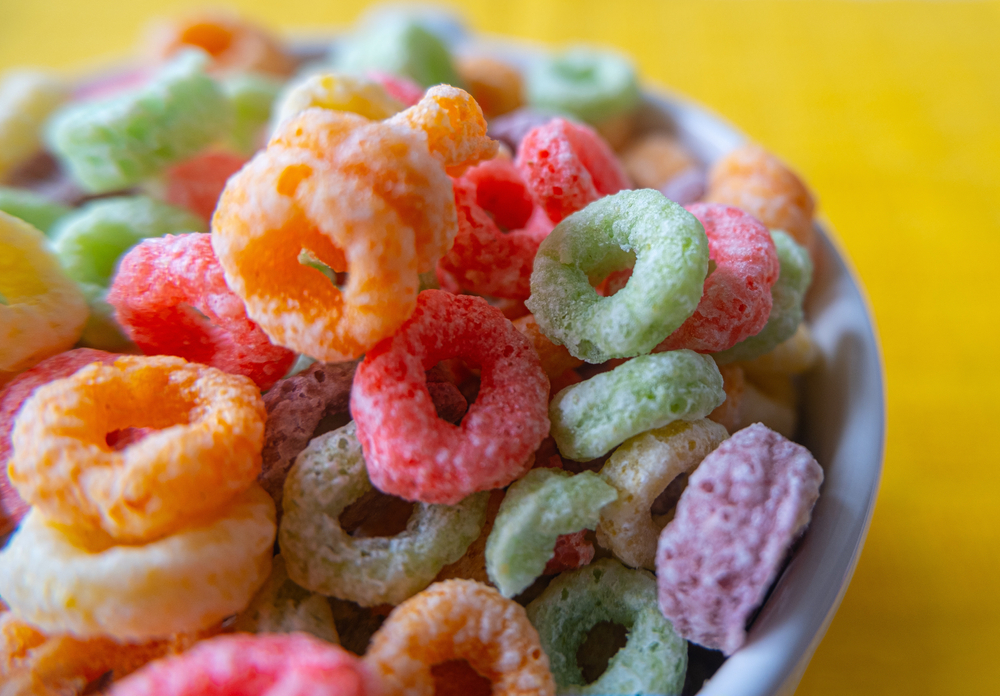
The movement has expanded quickly. PepsiCo said it had already begun phasing out artificial colors, while In-N-Out announced plans to remove artificial food dyes from menu items. Kraft Heinz also committed to removing artificial dyes from products, while Mars introduced versions of some popular candies without artificial food colors. WK Kellogg, which produces cereals including Froot Loops and Apple Jacks, has also announced plans to remove artificial colors from its U.S. cereals.
Artificial Dyes Remain A Heated Health Debate
Artificial food dyes have been debated by scientists, health advocates and regulators for years, particularly because of concerns involving children. Some studies have linked certain synthetic dyes to behavioral changes, including hyperactivity and attention problems in some children. Research has also examined potential health effects in animals, adding further questions about how particular additives should be regulated.
The evidence, however, remains mixed. The Food and Drug Administration has said approved color additives are safe under their authorized conditions of use and has stated that most children do not experience adverse effects from them. At the same time, the agency has acknowledged that some children may be sensitive to artificial food dyes, leaving researchers and health experts with an issue that continues to generate disagreement.
The FDA has already taken action against one widely discussed dye. Red No. 3 was banned from food products after studies suggested that the petroleum-based dye caused cancer in laboratory rats. The decision added new momentum to the broader conversation surrounding artificial colors and encouraged further scrutiny of ingredients that have appeared in food products for decades.
The debate has therefore moved beyond a simple question of whether all artificial dyes are dangerous. Different dyes have different research histories, and experts continue to disagree about the strength of evidence involving certain possible effects. Some nutrition professionals recommend avoiding artificial dyes when possible, while others argue that more research is needed before broader conclusions can be made about their potential risks.
Other Major Companies Are Changing Their Products
General Mills is part of a much larger industry shift that has accelerated over the past year. Several major companies have announced plans to remove artificial colors, while retailers have begun creating their own policies involving the products they sell. The combined pressure means that manufacturers may increasingly find themselves changing formulas even when there is no single federal rule forcing every company to act.
Target previously announced plans to stop selling cereals containing artificial colors, adding a major retail voice to the conversation. Walmart has also said it plans to remove artificial colors from its store brands by January 2027. Retail decisions can have a major effect on food manufacturers because companies depend on access to supermarket shelves and cannot easily ignore ingredient standards established by some of the country’s largest sellers.
The companies now changing their formulas include a wide range of household names. The growing list includes:
- General Mills: Artificial colors have been removed from all U.S. cereals.
- WK Kellogg: The company has announced plans to remove artificial colors from its cereal products.
- Kraft Heinz: The manufacturer has committed to transitioning away from artificial dyes.
- Mars: New versions of some candies without artificial food dyes have reached consumers.
- Walmart: The retailer plans to remove artificial colors from its store-brand products by January 2027.
The growing number of commitments suggests that the change is spreading well beyond one category of food. Cereals, candies, snacks, baking products and store-brand goods are all being affected, which could make artificial dyes far less common on American supermarket shelves over the next several years.
Natural Colors Bring A Different Set Of Challenges
Replacing artificial colors sounds straightforward until manufacturers attempt to recreate products that consumers recognize instantly. Synthetic dyes can produce intense colors and remain stable under a variety of manufacturing and storage conditions. Natural alternatives can respond differently to heat, light and processing, making it harder for companies to maintain the same appearance from production to the supermarket shelf.
General Mills has turned to colors derived from fruits, vegetables and spices such as turmeric and paprika. These alternatives can create vivid shades, but manufacturers must carefully develop formulas that work consistently across large-scale production. The challenge becomes even greater for brands with strong visual identities because consumers may notice even small differences in the color of a cereal or snack.
Federal regulators have also moved to expand the availability of natural alternatives. In May 2025, the FDA approved two natural color additives and expanded approval for a third, allowing approved alternatives to be used in a wider range of food products. Those changes could give manufacturers more options as they attempt to replace synthetic ingredients without dramatically changing the products consumers buy.
Natural alternatives also come with practical limitations involving cost, availability and color stability. Companies must secure reliable supplies of ingredients while ensuring that the final product meets consumer expectations. The result is a complicated transition that involves food science, manufacturing and marketing, rather than simply swapping one ingredient for another.
America’s Cereal Aisle Is Entering A New Era
Lucky Charms and Trix are unlikely to lose the colorful appearance that made them famous, but the ingredients responsible for those colors are changing. General Mills is attempting to prove that major food brands can keep their familiar identities while responding to growing demands for products made without synthetic color additives.
The debate over artificial dyes is far from settled, and scientific research continues to produce mixed findings on some of the health questions surrounding them. Yet the business world is already moving. Consumers, politicians, health advocates and major retailers have pushed the issue into the mainstream, forcing some of America’s biggest food companies to reconsider ingredients that once attracted little public attention.
For decades, bright colors helped make the cereal aisle impossible to ignore. Now the same familiar boxes are becoming part of one of the biggest ingredient changes the American food industry has seen in years.