
Your cart is currently empty!
Scientists Are Using a Deadly Tree Disease to Help Bring America’s Elms Back
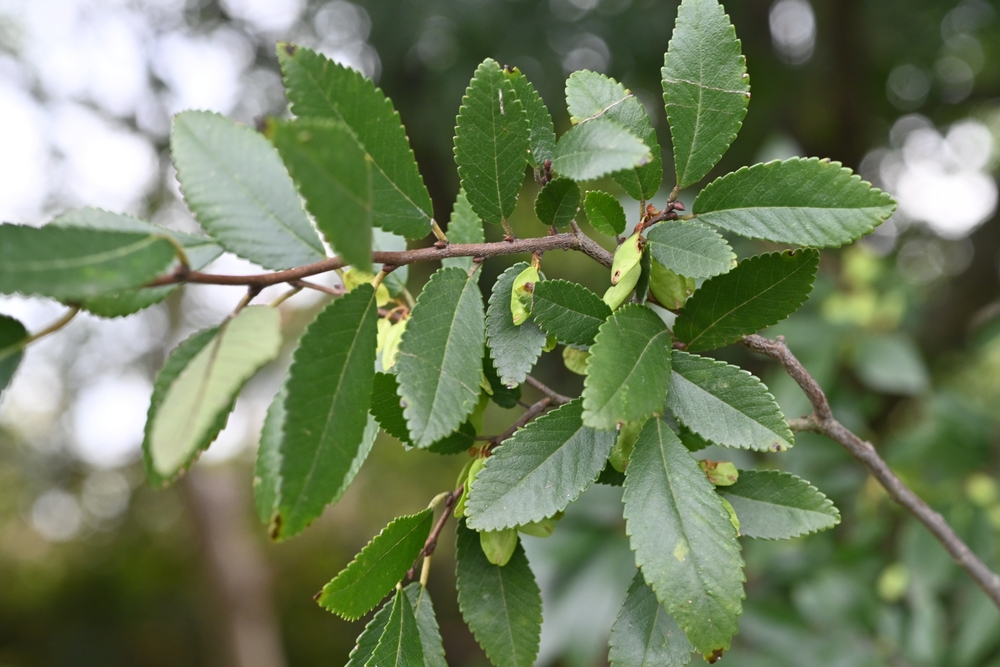
For generations, enormous American elm trees were a familiar part of towns, forests, schoolyards, and riverbanks across the United States. Then Dutch elm disease arrived and changed the landscape, killing tens of millions of trees and leaving the towering elms that once defined many communities far harder to find. Now, scientists are fighting back with an approach that sounds almost backwards: they are deliberately exposing thousands of young elm trees to the same disease that devastated their ancestors.
Contents
show
The goal is to find the strongest survivors and use them to build a future generation of trees with greater resistance. In Vermont, researchers have spent the summer testing 6,000 young elms, searching for the trees capable of withstanding Dutch elm disease. The survivors could eventually become part of a breeding program designed to restore disease-tolerant American elms to forests, riverbanks, streets, and backyards.
Scientists Are Testing 6,000 Young Elm Trees
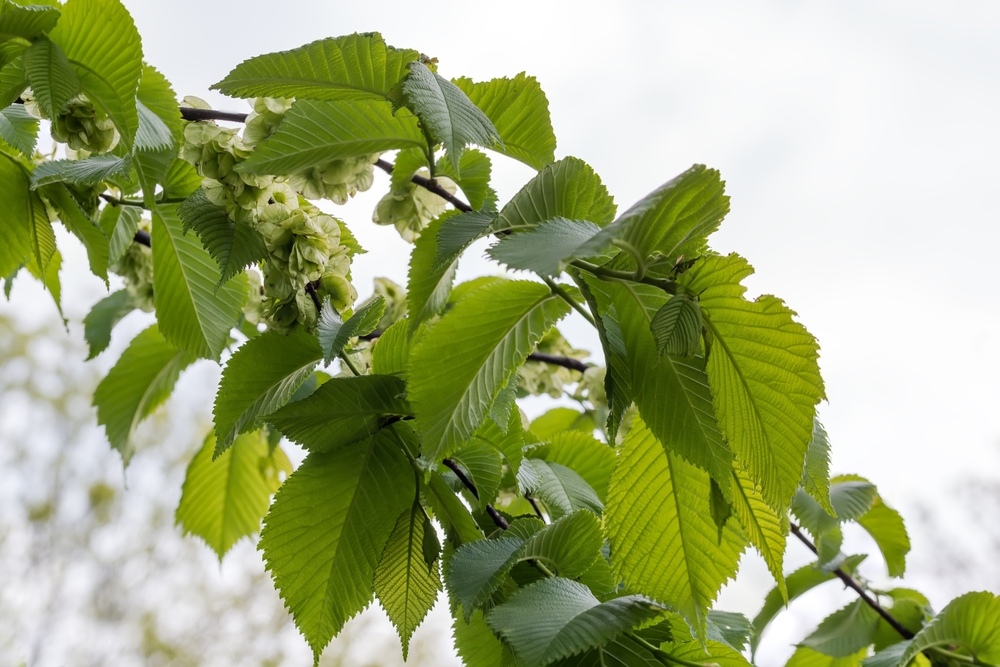
The young trees being tested were bred from several dozen elm trees in the Northeast that managed to survive Dutch elm disease. Researchers injected the 6,000 young elms with spores from the disease and are now looking closely at which trees show resistance. The process is part of a much larger effort to increase the genetic diversity of disease-tolerant American elms, giving future populations a stronger chance of surviving the threats that wiped out so many trees over the last century.
Leila Wilson, a research ecologist with the U.S. Forest Service, explained that the trees that perform well could eventually be propagated and moved into a seed orchard. The project will require patience because trees grow on a very different timetable than most scientific experiments. “We will put those newly propagated trees into a seed orchard, basically just a big fenced area, will grow and love those trees for about 15 or so years, at which point they should produce seeds, and that seed can be used for restoration,” Wilson said.
Those future seeds could play an important role in rebuilding elm populations across the Northeast and beyond. The long-term vision includes restoring trees in forests and along waterways, while also making disease-tolerant elms available for urban planting and residential landscapes. Researchers are effectively searching for the genetic traits that helped a small number of trees survive when millions of others did not.
The project could eventually create a much broader pool of resilient trees rather than relying on only a handful of survivors. That genetic diversity is central to the plan because a healthier and more varied population may be better equipped to cope with disease pressure in the future. The work is slow, but the potential payoff could stretch across generations.
Dutch Elm Disease Changed the Landscape Forever
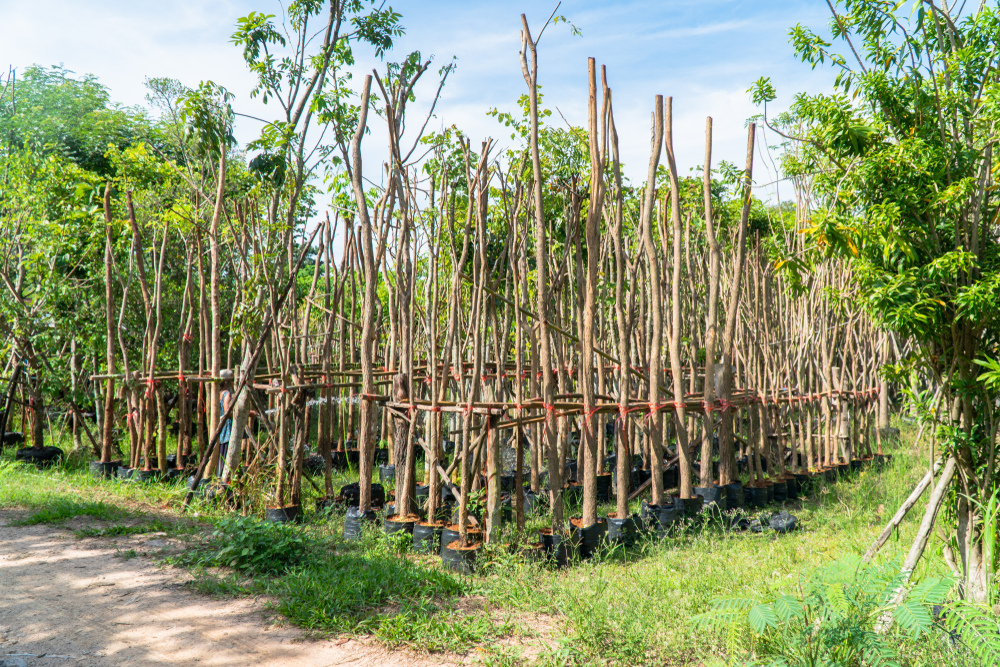
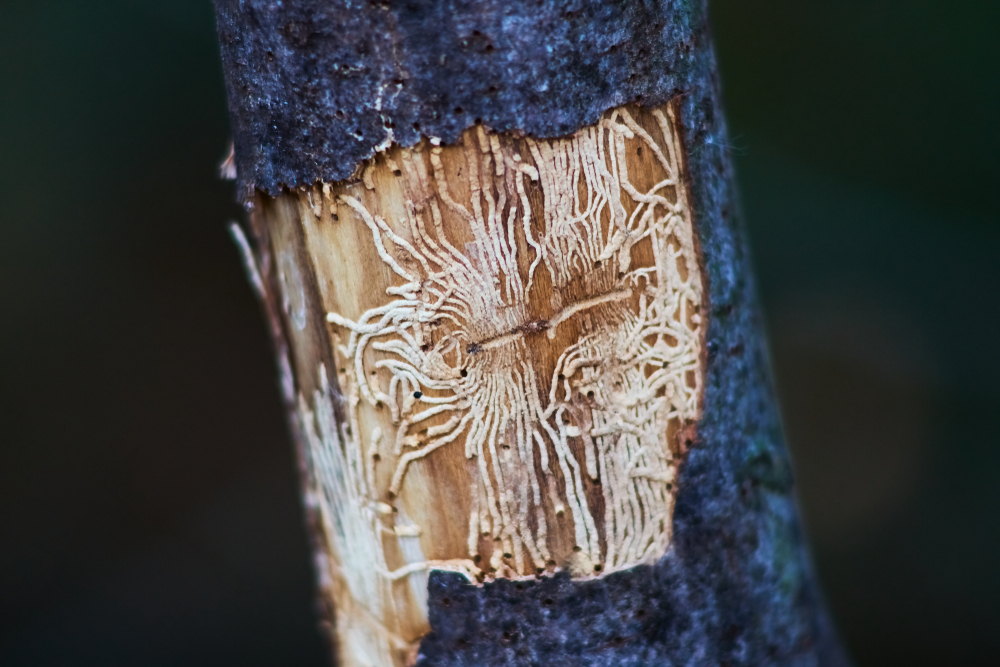
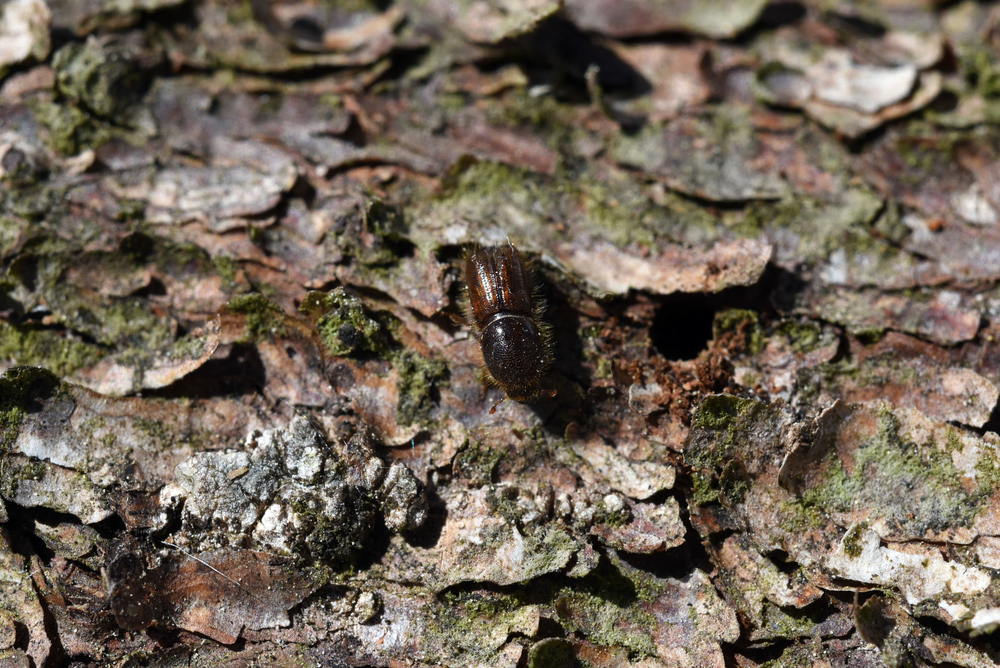
Dutch elm disease has been one of the most destructive threats ever faced by American elm trees. The fungus arrived in the United States less than a century ago and spread with the help of bark beetles. Once it infects a tree, the fungus interferes with the tree’s ability to move water, creating a deadly problem that can leave the elm unable to sustain itself.
The disease is one reason massive elm trees more than 70 feet tall are far less common in New England today than they were generations ago. Their disappearance was visible in communities where mature elms had stood for decades, sometimes becoming landmarks that people associated with childhood homes, schoolyards, and familiar streets. Losing those trees meant losing part of the physical character of many towns.
Gus Goodwin, a senior conservation planner for The Nature Conservancy, described the emotional connection many people still have with the species. “And what’s missing is the big trees,” Goodwin said. “A lot of people remember losing the elm. From their childhood home, their school yard. There’s this kind of gravitational pull toward the elm and its loss.”
That history gives the current breeding effort an added sense of urgency. Scientists are not simply trying to preserve a species on paper or keep a few isolated trees alive. They are working toward a future in which large, mature American elms could once again become a familiar part of the landscape.
Why Elm Trees Can Help Protect River Systems
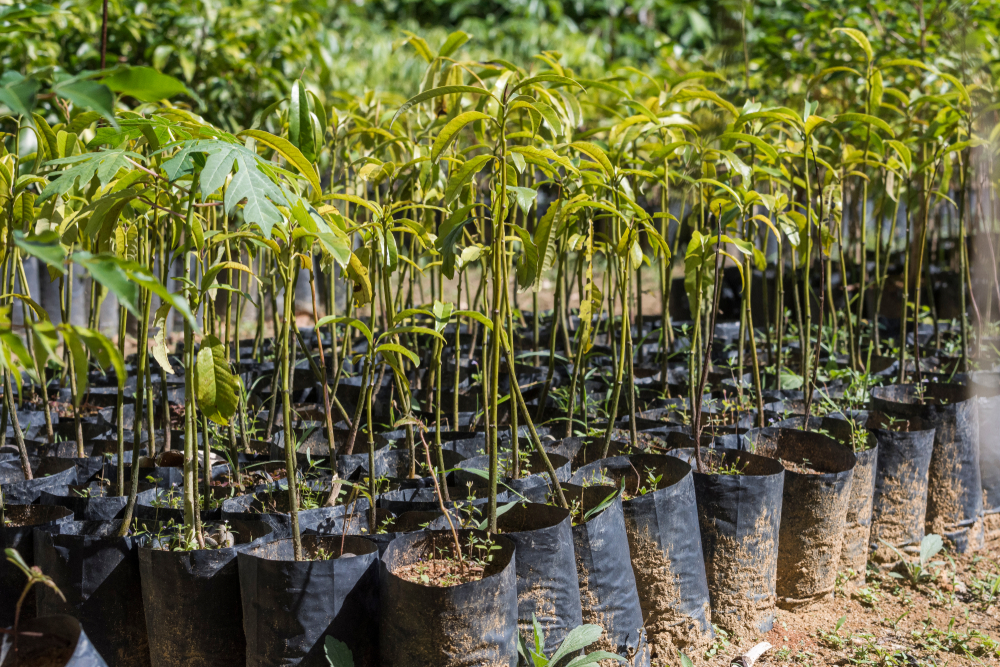
American elms do far more than provide shade and shape the appearance of towns. Kathleen Knight, a research ecologist with the Forest Service, said the trees can have a major impact on the hydrology of the ecosystems around them. Their role becomes especially important as forests face increasingly unpredictable weather patterns, including periods of intense rainfall, flooding, and drought.
Elm trees are particularly valuable in wet forest areas because they can tolerate flooding and survive the cold winters of northern regions. They also have the ability to absorb water after rainfall and can help reduce flooding that might otherwise place greater pressure on river systems. In areas where flooding can become destructive, the presence of healthy trees can form part of a larger natural system that manages water across the landscape.
Knight said invasive pests and pathogens have placed enormous pressure on tree species that once played important ecological roles. “And these invasive pests and pathogens have been having a huge impact on these tree species,” she said. “And we’re just trying to get those species back to the role they previously played in these systems.”
The effort to restore disease-tolerant elms therefore has consequences beyond bringing back a familiar tree. Researchers hope the species can eventually return to ecosystems where it once helped manage water and support the wider environment. As climate conditions become more difficult to predict, rebuilding resilient tree populations could become increasingly valuable.
Other American Trees Are Facing Similar Threats
The American elm is far from the only tree species fighting for survival against invasive pests. Ash trees have also suffered massive losses because of the emerald ash borer, a beetle that has killed millions of trees since arriving in the United States during the early 2000s. The destruction has changed forests across large areas and forced conservation groups to search for ways to protect the trees that remain.
The Appalachian Trail Conservancy has taken a different approach from the elm breeding project. Instead of identifying naturally resistant trees and breeding future generations, the group has injected some ash trees with insecticide to give them a better chance of surviving the beetle infestation. Since 2016, the organization has treated about 1,400 ash trees along parts of the Appalachian Trail in North Carolina, Tennessee, Georgia, and Massachusetts.
Emily Powell, the conservancy’s southern non-native invasive species coordinator, said seeing healthy ash trees remain standing can be encouraging because of their importance within forest ecosystems. “Being able to see where there are ash trees that are still standing and they are healthy, and they are a major component of the forest, supporting the biodiversity that’s here, is really awesome,” Powell said.
The elm and ash projects use very different strategies, but they are responding to the same wider problem. Invasive pests and diseases can spread rapidly through landscapes where native trees have few defenses against them. Scientists and conservation groups are now testing different methods to preserve species before their losses become even more severe.
The Hope Is to See Giant Elms Again
In Montpelier, Vermont, a giant elm tree that has stood since the late 1800s offers a glimpse of what researchers hope could become more common in the future. The city has experienced significant flooding through the years, making the survival of large and well-established trees especially meaningful. For arborist Joseph Ferris, the old elm represents the enormous potential of urban trees when they are given the opportunity to survive and mature.
“It’s a really lovely reminder of what’s possible for urban trees,” Ferris said. His work focuses on the challenges facing forests, including the widespread damage caused by invasive species and disease. That makes the possibility of developing a new generation of Dutch elm-resistant trees particularly significant.
Ferris said he would like to see resistant American elms become available for more than urban planting projects. “It’s a ray of hope that is hard to feel when we’re walking through a forest and seeing all these infestations and damage,” he said. “I would love to see American elm resistant, available not for just our urban plantings but restoring plantings along our streets and along our riverbanks, and just boosting the regional genetic resistance.”
That vision stretches from city streets to natural forests. If the breeding effort succeeds, future restoration projects could use trees descended from survivors that passed the toughest possible test: exposure to the disease that killed so many others.
The Disease Could Help Identify the Trees That Survive
There is a striking irony behind the entire project. Dutch elm disease helped erase tens of millions of American elms from the landscape, yet scientists are now using exposure to that same threat to identify the trees with the strongest natural resistance. The 6,000 young trees in Vermont are part of a search for survivors that could provide the genetic foundation for future restoration efforts.
The process will not produce instant results. After resistant trees are identified, they will need to be propagated, planted in seed orchards, and grown for years before they produce seeds that can be used on a wider scale. Researchers are looking at a timeline that could stretch well beyond a decade, which reflects the reality of trying to rebuild a species known for becoming a massive, long-lived part of the American landscape.
The potential restoration effort could eventually focus on several areas:
- Forests where American elms once played an important ecological role
- Riverbanks where trees can help manage water after heavy rainfall
- Urban streets where mature elms once provided shade and character
- Residential areas where disease-tolerant trees could become part of future landscapes
For now, the work begins with thousands of young trees and a difficult test that few would choose to survive. The strongest elms could one day produce seeds that help bring the species back to places where generations of Americans once took those enormous trees for granted.
A Long Wait Could Bring a Familiar Tree Home
The disappearance of the American elm did not happen overnight, and rebuilding its population will not happen quickly either. Researchers are working with the natural pace of the trees themselves, selecting survivors and allowing future generations the time needed to grow, reproduce, and spread. The wait could be measured in decades rather than months, but so was the growth of the giant elms that once dominated streets and forests.
For communities that still remember the trees they lost, the project offers a real possibility of seeing new generations take root. The same disease that changed the American landscape may now help scientists find the elms capable of helping shape it again.