
Your cart is currently empty!
Nine Drugmakers Join Trump Push to Cut Prescription Drug Costs
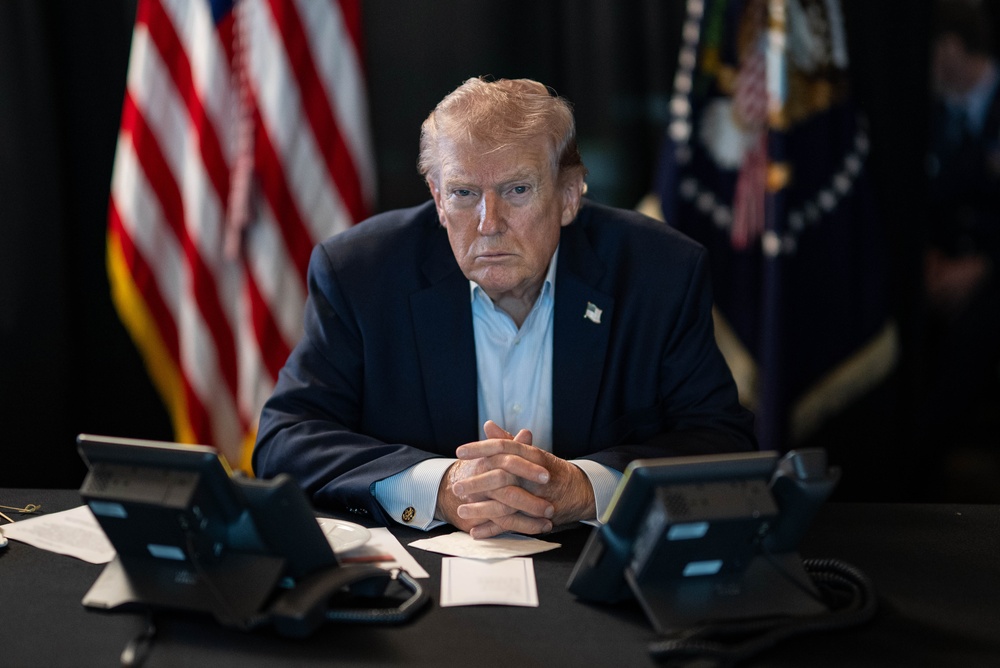
President Donald Trump has announced agreements with nine additional pharmaceutical companies as his administration intensifies its effort to reduce prescription drug prices in the United States. The White House says the expanded initiative could save Americans more than $600 billion over the next decade.
Contents
show
The latest agreements bring the total number of pharmaceutical manufacturers participating in Trump’s most-favored-nation pricing initiative to 26. According to the White House, those companies now represent about 89% of the branded drug market.
Nine Pharmaceutical Companies Join the Program
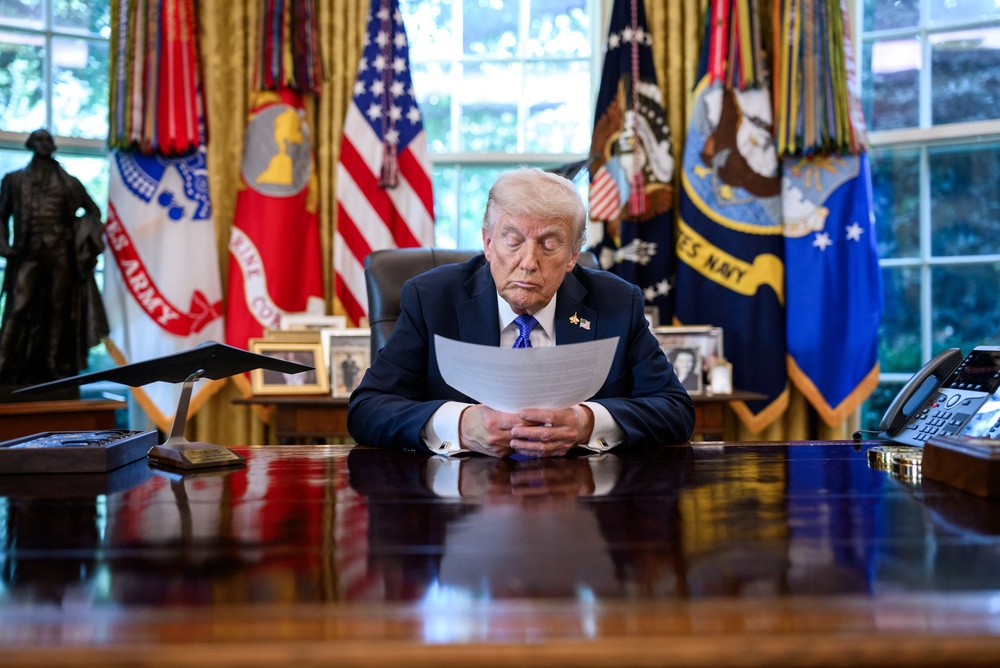
Trump announced the new agreements during an event in the Oval Office, describing the development as a major step in his administration’s campaign to lower the cost of medicines. The president said the agreements would produce substantial savings for Americans.
“In total, these agreements are projected to save Americans more than $600 billion over a very short period of time,” Trump said during the announcement.
The nine companies are Alcon, Astellas Pharma, BeOne Medicines, BridgeBio, CSL, Kyowa Kirin, Sun Pharma, Teva Pharmaceuticals and UCB. The White House described them as mid-sized pharmaceutical manufacturers, although some also rank among major global drug companies.
The administration says the agreements will give every state Medicaid program access to most-favored-nation prices for covered products made by the nine companies. The White House expects that arrangement to produce billions of dollars in savings.
Trump said the growing number of agreements had brought most of the domestic branded drug market into the administration’s pricing framework. “With today’s announcement, we now have 26 companies representing 90% of the domestic pharmaceutical market, and the other 10% are also coming in,” he said.
The White House fact sheet places the current figure at 89% of the branded drug market. The difference appears to reflect Trump’s rounded description of the administration’s estimate.
The Policy Targets America’s Higher Drug Prices

The initiative is based on the administration’s most-favored-nation, or MFN, pricing policy. Under the approach described by the White House, participating pharmaceutical companies agree to offer certain drugs in the United States at prices comparable to the lowest prices paid in other developed countries.
Trump has repeatedly argued that Americans pay far more for prescription drugs than patients in comparable countries. One of the reference reports cited a 2024 RAND Corporation study finding that U.S. prescription drug prices averaged nearly three times higher than prices overseas, while branded drugs cost more than four times as much.
During Monday’s announcement, Trump accused pharmaceutical companies and foreign governments of benefiting from a pricing system that places a heavier burden on American consumers. He argued that the United States has been paying an unfair share of the industry’s costs and profits.
“We were ripped off by the pharmaceutical companies, and we were ripped off more than anything by other countries throughout the world,” Trump said.
The White House says the new agreements are intended to reduce that gap by ensuring that American patients and government programs gain access to prices comparable to those available in other developed nations. The administration has also argued that foreign countries should no longer benefit from lower prices while the United States remains the pharmaceutical industry’s most profitable market.
TrumpRx Plays a Central Role in the Strategy
The agreements also involve Trump’s direct-to-consumer prescription drug platform, TrumpRx, which launched in February 2026. The website allows patients to access discounts on selected name-brand medications offered under agreements between the administration and pharmaceutical manufacturers.
According to the reference material, people who purchase drugs through TrumpRx cannot use medical insurance for those purchases. Patients would therefore need to compare the direct price available through the platform with the amount they would pay using their insurance coverage.
The White House says patients have saved more than $700 million on medicines through TrumpRx since its launch. The administration has promoted those figures as evidence that the broader MFN policy is already reducing costs for some consumers.
The fact sheet also highlighted a July 2026 program involving GLP-1 medications for senior citizens without coverage for obesity treatment. The administration said eligible seniors gained access to the drugs for $50 per month.
According to the White House, more than 500,000 seniors saved a combined $216 million during the first two months of the program. Those numbers are administration figures and form part of its wider argument that the drug pricing initiative is already producing significant savings.
The Deals Cover Drugs for Serious Diseases

The White House says the new agreements involve medicines used to treat a broad range of chronic, costly and rare conditions. The companies’ products include drugs associated with hemophilia, Parkinson’s disease, macular degeneration, glaucoma, liver disease, skin conditions and several forms of cancer.
The administration says the agreements are designed to extend beyond a limited group of existing medicines. Participating companies have also committed to provide MFN pricing for new innovative drugs brought to market under the terms described by the White House.
That provision is important to the administration’s broader argument about long-term drug affordability. New medicines often enter the market with high prices, particularly when they treat serious diseases or represent new forms of treatment.
The White House has said the agreements are intended to change the international pricing structure rather than simply apply temporary discounts to a small number of products. However, the exact scope of coverage may vary between companies and medications.
Several questions remain about which specific drugs will receive the new pricing and when the full effects will reach patients. Those details will determine how broadly the agreements affect Americans outside state Medicaid programs and the TrumpRx marketplace.
The Full Agreements Have Not Been Published

One of the biggest questions surrounding the administration’s announcement concerns transparency. While the White House has released information about the agreements and their projected benefits, the contracts themselves have not been publicly released.
That makes it difficult for outside groups to independently examine every provision. The unpublished agreements leave important questions about implementation, enforcement and the exact medicines covered by the MFN pricing commitments.
According to one of the reference reports, consumer advocacy organization Public Citizen is working to obtain copies of the latest agreements. The group wants greater clarity about the terms and how the administration’s claims will translate into actual savings.
Several issues remain unclear, including which specific products qualify for MFN pricing, how long the agreements will remain in effect and how the discounts will be calculated. It is also unclear how quickly every eligible patient or state program will begin seeing lower prices.
The projected $600 billion figure is also an estimate rather than a total amount already saved. The White House fact sheet says the Council of Economic Advisers expects the administration’s MFN agreements to generate that level of savings over the next decade.
The difference between projected savings and confirmed savings will remain important as the program expands. A large national estimate does not necessarily show what an individual patient will pay for a specific prescription.
Companies Also Commit $19.6 Billion to U.S. Manufacturing
The latest agreements go beyond drug pricing. According to the White House, the nine companies have collectively committed to invest at least $19.6 billion in U.S. manufacturing in the near term.
The administration has presented those investments as part of a broader effort to strengthen domestic pharmaceutical supply chains. Several of the companies have also agreed to contribute active pharmaceutical ingredients to the Strategic Active Pharmaceutical Ingredients Reserve, known as SAPIR.
The reserve is intended to reduce dependence on foreign sources and ensure that the United States has supplies of critical pharmaceutical ingredients during an emergency. The White House listed several specific contributions from participating companies.
UCB will contribute 163 tons of levetiracetam, a medicine used to control and prevent certain seizures. Sun Pharma will contribute clindamycin and doxycycline, while Teva Pharmaceuticals will provide metronidazole and amlodipine for the reserve.
Astellas will contribute tacrolimus, an immunosuppressant used to help prevent organ rejection in transplant patients. The supply-chain commitments give the agreements a second purpose beyond the administration’s efforts to reduce prescription drug costs.
Trump Has Pressed Drugmakers Since 2025
The latest announcement follows more than a year of negotiations and pressure on major pharmaceutical companies. Trump signed an executive order on May 12, 2025, directing his administration to pursue most-favored-nation prescription drug pricing for American patients.
On July 31, 2025, the administration sent letters to 17 leading pharmaceutical manufacturers outlining steps it wanted them to take to bring U.S. drug prices closer to those paid in other developed countries. The White House later announced agreements with those companies.
The first agreement was announced with Pfizer on September 30, 2025. Additional agreements followed with major companies including Eli Lilly, Novo Nordisk, Amgen, Merck, Novartis, Sanofi, Johnson & Johnson, AbbVie and Regeneron.
The nine new agreements expand the total to 26 pharmaceutical manufacturers. The White House says those companies now account for nearly nine-tenths of the branded drug market, giving the initiative a much wider reach than it had during its early stages.
“Our most favored nations’ discounts represent the largest reduction in prescription drug prices in the history of our country,” Trump said during the latest announcement.
The administration is also calling on Congress to support what Trump has described as the Great Healthcare Plan. According to the White House, the proposal would address prescription drug prices, insurance premiums, accountability for insurance companies and greater price transparency.
The Political Stakes Are Now Growing
Prescription drug costs remain a major concern for American households, particularly for people managing chronic illnesses or relying on expensive branded medications. That makes the MFN initiative an important part of Trump’s wider affordability agenda.
The administration is presenting the agreements as evidence that federal pressure can force major pharmaceutical manufacturers to accept pricing changes that previous administrations did not achieve. Trump has also framed the negotiations as a fight against a system he says has allowed Americans to pay more than patients in other wealthy nations.
Republicans hope the policy’s popularity could also provide political benefits as the country approaches the midterm elections. Lower drug prices are an issue with broad public appeal, although the success of the initiative will depend heavily on whether consumers experience meaningful reductions.
The administration now has a much larger network of participating companies and a headline projection of $600 billion in future savings. At the same time, advocates seeking the full agreements are likely to continue pressing for greater transparency.
The next stage of the initiative will be measured less by announcements and more by what happens when patients, Medicaid programs and consumers begin paying for the medicines covered by these deals. The White House has made a huge promise, and the details of implementation will determine how much of that projected $600 billion reaches American wallets.