
Your cart is currently empty!
Trump Asks Supreme Court to Allow Removal of Transgender Troops
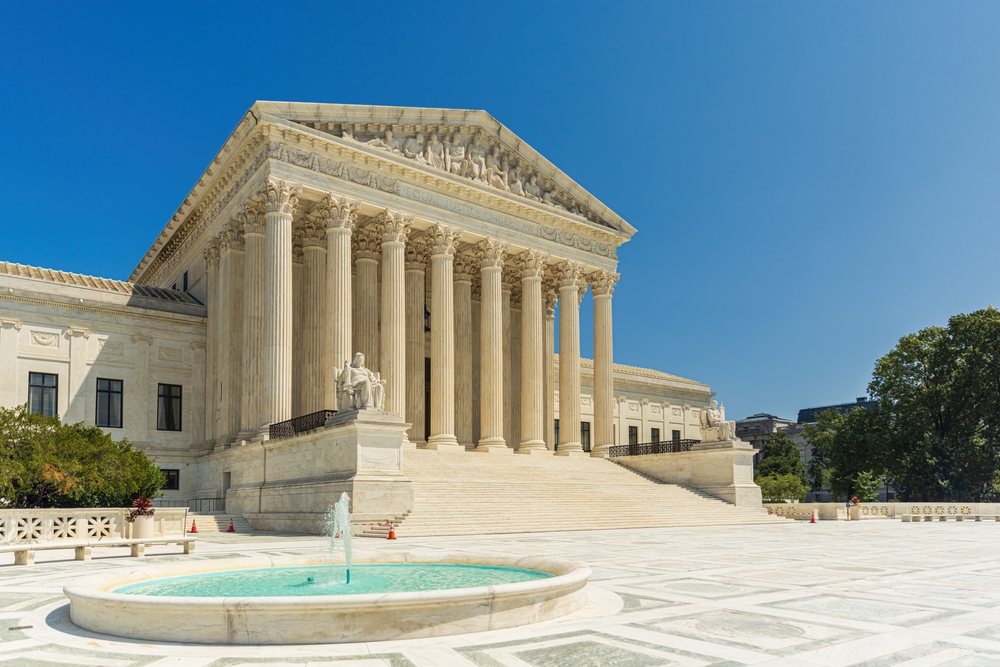
President Donald Trump’s administration is asking the Supreme Court to intervene in an escalating legal fight over transgender military service, seeking permission to remove a group of transgender plaintiffs before their constitutional challenge reaches trial. The request puts the future of active-duty personnel, reservists and National Guard members before the nation’s highest court.
Contents
show
The administration argues that decisions about who may serve in the armed forces fall within the federal government’s authority. Attorneys representing the transgender plaintiffs argue that qualified service members are being pushed out before a court has issued a final ruling on whether the Pentagon’s policy is constitutional.
Trump Administration Seeks Supreme Court Intervention
Calling the issue a matter of “exceptional importance,” the Trump administration has filed an urgent appeal asking the Supreme Court to allow the military to discharge the transgender plaintiffs currently protected by lower-court orders.
Solicitor General D. John Sauer argued that the government needs the Supreme Court to address the military’s authority to determine who can serve. The administration has strongly challenged lower-court findings suggesting that the policy may violate constitutional protections.
“The authority of the U.S. military to determine who may serve in the Nation’s armed forces is a matter of exceptional importance,” Sauer wrote in the government’s petition. He argued that the Supreme Court should take up the constitutional questions surrounding the policy and reverse the lower court’s decision.
The reference reports describe the number of plaintiffs with slight differences. One report identifies 29 people, while another refers to 28 transgender plaintiffs. The group includes active-duty service members, reservists, National Guard members and a person seeking to enlist.
For now, the plaintiffs covered by the existing court protections remain connected to the military while the Supreme Court considers whether to hear the administration’s appeal.
The Dispute Stems From Trump’s 2025 Executive Order
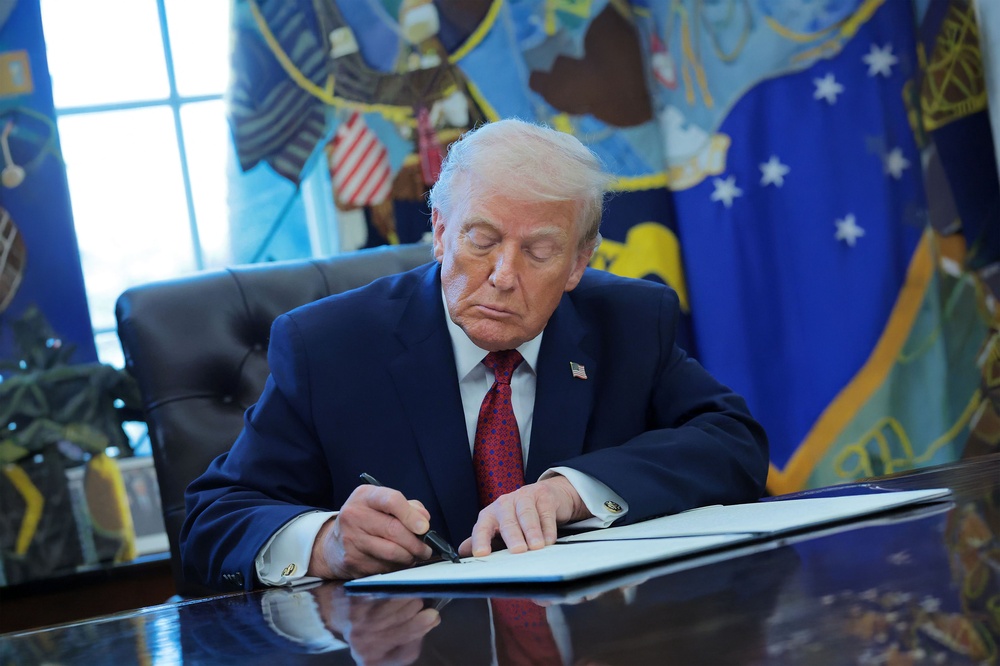
The current legal battle began after Trump returned to office and signed an executive order in January 2025 seeking to exclude transgender people from military service. The order stated that adopting a gender identity inconsistent with an individual’s sex conflicted with a soldier’s commitment to an “honorable, truthful, and disciplined lifestyle.”
Defense Secretary Pete Hegseth subsequently issued a Pentagon policy that presumptively disqualifies people with gender dysphoria from military service. Gender dysphoria refers to distress that can occur when a person’s gender identity does not align with the sex assigned to them at birth.
The administration has defended the policy as part of its authority to establish military eligibility standards. Its legal position emphasizes the unique role of the executive branch and the armed forces in making decisions about personnel and military readiness.
The policy has faced immediate legal challenges from transgender service members and people seeking to join the military. Those lawsuits argue that the ban violates constitutional guarantees of equal protection and due process.
Lower Courts Have Raised Constitutional Concerns
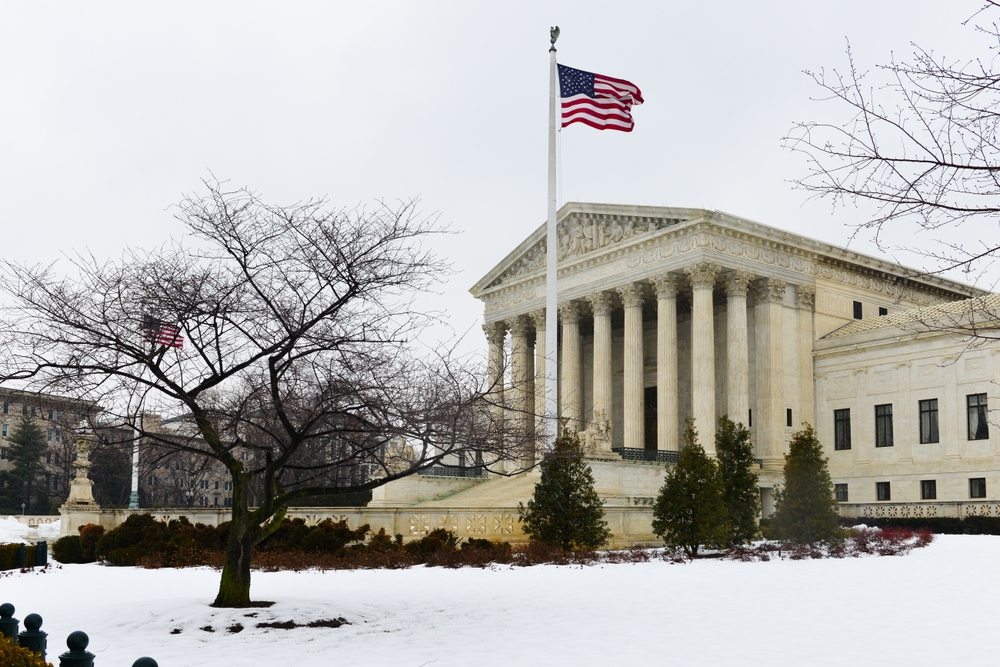
A divided three-judge panel of the U.S. Court of Appeals for the District of Columbia Circuit ruled that the Trump administration’s policy likely violated the constitutional rights of transgender service members. The majority largely upheld an earlier ruling by U.S. District Judge Ana Reyes, who concluded that Trump’s executive order likely violated constitutional protections.
The appeals court did narrow the earlier injunction. The panel’s decision protected the plaintiffs who were already serving in the military, but did not extend the same protection to people seeking to join. The ruling did not immediately take effect, allowing the administration time to seek further review.
Judge Robert Wilkins wrote for the majority and used strong language in describing the policy. “The policy appears to be driven by the bare desire to harm a politically unpopular group: persons who identify as transgender,” Wilkins wrote.
Wilkins also described the policy as “both arbitrary and based upon animus,” according to the reference reports. Judge Judith Rogers joined his opinion while also partially dissenting on parts of the case.
Judge Justin Walker strongly disagreed with the majority’s approach. “We have neither the expertise nor the authority to decide whether the military can exclude the plaintiffs from its ranks,” Walker wrote, arguing that the Constitution assigns authority over military matters to Congress and the commander in chief.
Supreme Court Previously Allowed the Broader Ban

The latest appeal comes after the Supreme Court previously allowed the broader transgender military ban to take effect temporarily while legal challenges continued in lower courts. That decision did not resolve the final constitutional questions raised by the lawsuits.
In a separate case, federal judges blocked the military from discharging the individual plaintiffs who challenged the policy. Those protections are now at the center of the Trump administration’s latest request to the Supreme Court.
The government argues that the lower court’s decision allowing the plaintiffs to remain in the military was wrong. Sauer described the ruling as “gravely erroneous” and argued that the appeals court’s reasoning conflicted with Supreme Court precedents and established deference to military decision-making.
The administration is also asking the Supreme Court to move quickly, rather than waiting for a final decision after trial. According to the reference material, one of the cases is scheduled to go to trial in January.
The justices are expected to consider whether to hear the case during the term that begins in October. Their decision could determine whether the protected plaintiffs can remain in service while the broader constitutional dispute continues.
Service Members Say They Are Being Targeted Despite Meeting Standards

Attorneys representing the transgender service members argue that the plaintiffs have already demonstrated their qualifications and should not be removed before the courts fully examine the case.
Jennifer Levi, an attorney representing transgender service members with the LGBTQ legal advocacy organization GLAD Law, said the government’s own lawyers had acknowledged that the plaintiffs were qualified individuals meeting military standards.
“As the Trump administration’s own attorneys admitted, these are qualified individuals who are meeting all military standards,” Levi said. She argued that removing trained personnel would also create unnecessary costs for taxpayers.
Levi added that there was “no reason to waste millions of taxpayer dollars to kick out thousands of highly trained, skilled and decorated troops based on nothing but hostility and this administration’s political whims.”
Shannon Minter, legal director at the National Center for LGBTQ Rights, also criticized the administration’s attempt to obtain Supreme Court intervention before a full trial. “The Trump administration wants the Supreme Court to rush in and bless the expulsion of proven, decorated soldiers before a single court has issued a final judgment,” Minter said.
According to one of the reference reports, 25 of the troops challenging the policy are on administrative leave, while three are currently serving. The outcome of the Supreme Court’s decision could therefore have immediate consequences for people who have already built careers within the armed forces.
The Central Argument Is About Military Power and Individual Rights
The legal battle has exposed a fundamental disagreement over how courts should review military policy. The Trump administration argues that judges should give substantial deference to the federal government’s decisions about who can serve in the armed forces.
That position is reflected in Judge Walker’s dissent, which questioned whether federal judges have the authority or expertise to second-guess military eligibility standards. The administration has argued that the issue involves the constitutional authority of the government to organize and manage the nation’s armed forces.
The plaintiffs take a different position. Their lawyers argue that military service does not remove constitutional protections and that the government must still provide a legally sufficient justification when it excludes a particular group.
Several courts have found that the policy was likely rooted in animus and may violate constitutional protections. The Trump administration strongly disputes those findings and rejects the argument that the policy was motivated by hostility toward transgender people.
In its Supreme Court petition, the administration argued that attempts to infer animus from references to “honesty,” “humility,” “integrity,” and “false gender identity” were misplaced. That disagreement over the purpose and justification of the policy remains central to the litigation.
The Case Could Affect More Than the Named Plaintiffs
Although the immediate dispute concerns the transgender plaintiffs protected by lower-court orders, the constitutional questions could have wider consequences. A Supreme Court ruling could shape future disputes over military eligibility standards and the extent to which courts may review those decisions.
One reference report cited a previous Washington Post estimate of around 4,000 service members diagnosed with gender dysphoria. The current lawsuits involve a far smaller number of named plaintiffs, but the legal principles established by the courts could affect other transgender people connected to the armed forces.
The administration has argued that the issue is likely to return repeatedly unless the Supreme Court addresses it directly. Its petition urges the justices to resolve whether the Constitution limits the military’s authority to adopt a policy like the one issued by Hegseth.
The plaintiffs argue that the Supreme Court should allow the lower courts to complete their work. Their position is that qualified and decorated service members should not be removed before a court reaches a final judgment on the policy’s constitutionality.
The Supreme Court could agree to hear the case, decline to intervene at this stage or take other procedural action concerning the government’s request. Each option could affect how quickly the legal battle moves forward.
A Major Test for Trump’s Broader Transgender Policies
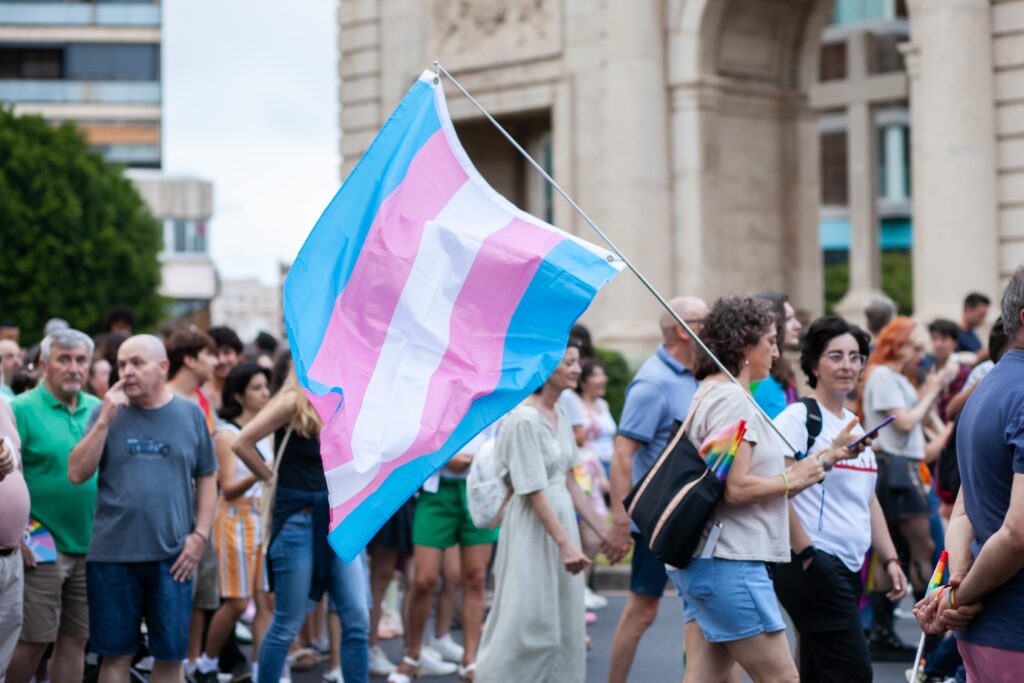
The military ban is one of several Trump administration policies involving transgender people. The reference reports note that Trump also signed an executive order declaring that the federal government recognizes two sexes, male and female, while criticizing what the administration describes as “gender ideology.”
Those broader policies have produced additional legal and political disputes involving discrimination claims and transgender participation in sports. The military case has drawn particular attention because it concerns people who are already serving or seeking to serve in the nation’s armed forces.
The dispute also comes as transgender rights have faced a series of major legal battles at the Supreme Court and in lower federal courts. The references describe recent court decisions affecting transgender athletes and other policies involving LGBTQ people.
For the Trump administration, the military case presents an opportunity to secure a clear ruling on the government’s authority over military service. For the plaintiffs, it represents a fight over whether constitutional protections apply when military policy singles out transgender people.
The two sides agree on very little, but both recognize the stakes. A decision from the Supreme Court could influence not only the plaintiffs currently protected by court orders but also the legal boundaries surrounding future military policies.
The Next Decision Could Determine Who Stays
The immediate question before the Supreme Court is whether the administration’s request deserves intervention before the underlying case reaches a final judgment. If the justices agree with the government, the military could gain permission to move against the protected plaintiffs while the constitutional dispute continues.
If the court declines to intervene, the lower-court protections could remain in place as the case moves toward trial. The plaintiffs would continue their effort to prove that the Pentagon policy violates constitutional guarantees of equal protection and due process.
The broader fight concerns two competing principles that the courts have repeatedly struggled to balance: the government’s authority to manage the armed forces and the constitutional rights of the individuals who serve within them.
For the transgender service members involved in the lawsuits, the Supreme Court’s next move could decide whether they remain protected long enough to have their challenge heard in full. The outcome may also establish a significant legal boundary around presidential power, military policy and the rights of Americans who have chosen to serve.