
Your cart is currently empty!
Trump $1 Coins Have Officially Entered Circulation, And Americans Are Being Told To Check Their Change
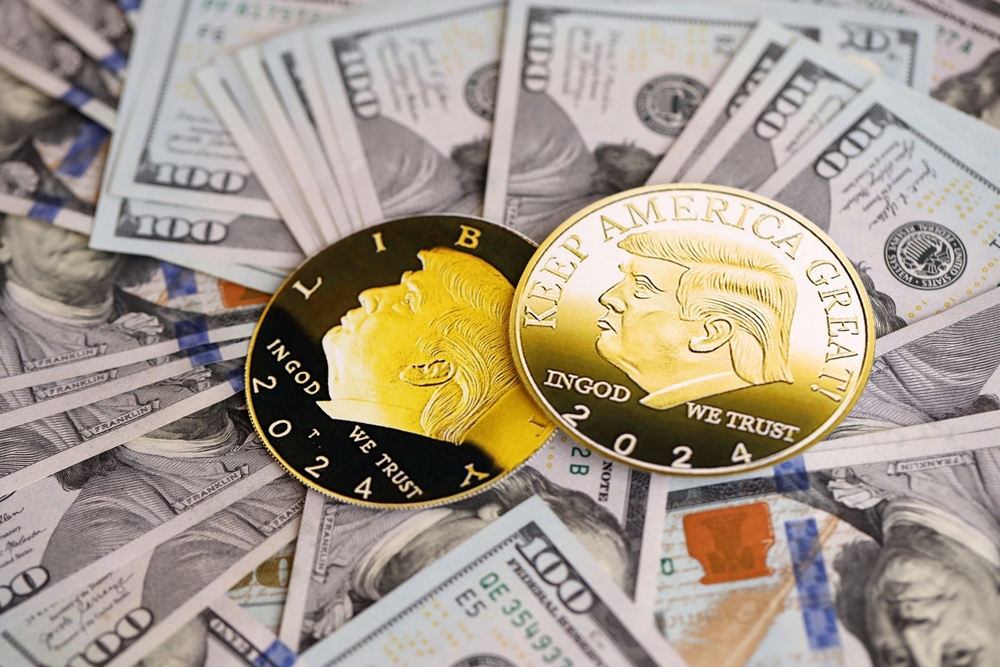
A new $1 coin featuring President Donald Trump has officially entered circulation in the United States, creating one of the most unusual moments in modern American currency history. The coins are also available for collectors to purchase directly from the U.S. Mint, but Americans could potentially come across one without spending a cent beyond its face value. The release marks the country’s upcoming 250th anniversary and brings the image of a sitting president onto a piece of U.S. hard currency in circumstances that have not been seen for a century.
Contents
show
The gold-colored coins feature Trump’s likeness alongside the inscriptions “LIBERTY,” “IN GOD WE TRUST,” and “1776 ~ 2026,” commemorating 250 years since the signing of the Declaration of Independence. The reverse side carries the Presidential Seal and additional references to the Semiquincentennial celebration. While the coin has already attracted attention from collectors and political observers, the most surprising detail is that it is not limited to display cases or commemorative collections. The U.S. Mint has confirmed that the coins are in circulation and has encouraged Americans to check their pocket change.
The New $1 Coin Is Now Available
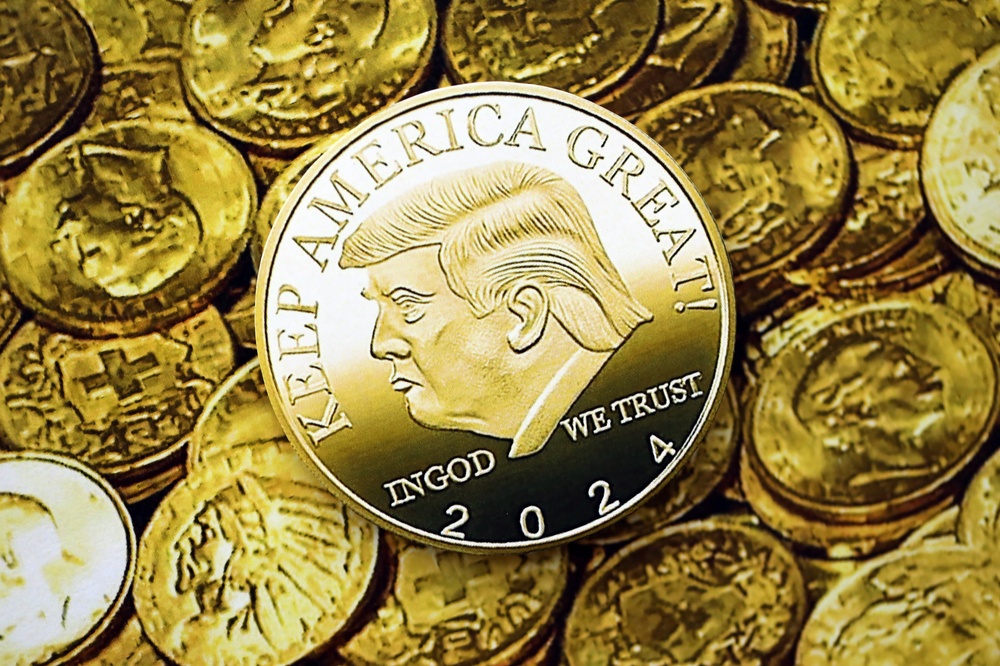
The release began on September 2, 2026, with the U.S. Mint making the new coins available in rolls and bags while also confirming that they had entered general circulation. A roll containing 25 coins costs $61, while a bag of 100 coins costs $154.50. That means collectors are paying a premium for Mint-packaged versions, although the coins themselves remain legal tender and carry a face value of $1 each. For people who simply want to own one, there is now the possibility of finding it during an ordinary cash transaction, which gives the release a very different feel from many commemorative products that are made solely for collectors.
The Mint initially placed a household order limit of two items on purchases, reflecting the expected interest surrounding the release. The coin is tied directly to the nation’s 250th anniversary celebrations, which will take place in 2026, and the design places Trump’s image at the center of one of the biggest commemorative currency releases in years. The combination of a major national anniversary, a sitting president and a coin entering ordinary circulation has made the release particularly unusual. American coins frequently commemorate presidents and major historical events, but the appearance of a current president while he is still in office is a far rarer occurrence.
The heads side of the coin features Trump’s portrait along with several familiar inscriptions from American currency. “LIBERTY” and “IN GOD WE TRUST” appear alongside the dates “1776 ~ 2026,” directly connecting the coin to the country’s Semiquincentennial. The tails side features the Presidential Seal, showing an eagle holding an olive branch and a bundle of arrows. A shield on the eagle’s breast includes the number “250,” while “UNITED STATES OF AMERICA,” “ONE DOLLAR,” and “E PLURIBUS UNUM” also appear in the design. Together, the details make the coin both a piece of legal currency and a highly visible anniversary collectible.
Some Of The Coins Have A Special Mark
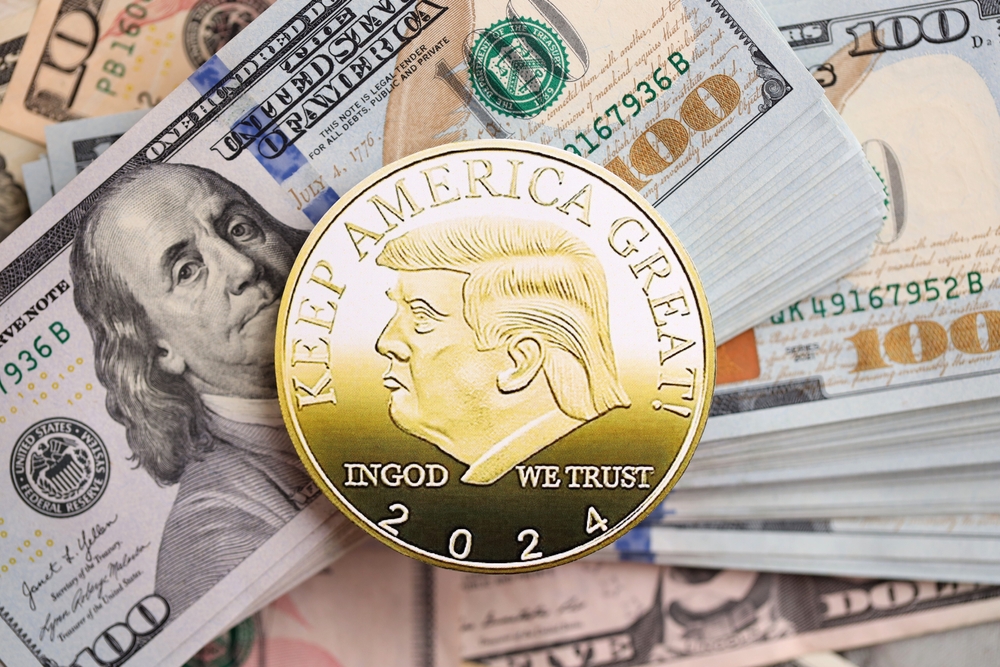
Collectors searching through the new release have another reason to pay close attention. The U.S. Mint said that 250,000 of the Trump $1 coins were struck on July 4 and feature a special “July 4th” privy mark. Those coins were randomly included in the bags and rolls sold by the Mint, meaning buyers cannot simply select a special edition from the catalog and know they will receive one. Instead, finding one of the marked coins depends on chance, adding an element of surprise to the release.
The July 4 coins were struck at the Philadelphia Mint on Independence Day, giving them an additional connection to the anniversary they commemorate. With 250,000 special coins distributed among the wider release, collectors will likely be examining their purchases closely for the distinctive marking. The Mint has made clear that these coins are mixed into the available bags and rolls rather than sold separately as a guaranteed product, creating the possibility that an ordinary-looking order could contain one of the specially struck pieces.
The standard coins themselves have also generated some confusion because of their appearance. Despite their gold-colored finish, they are not made of real gold. The coins are produced using manganese brass, giving them the distinctive color associated with many modern $1 coins. The Mint has also noted that some promotional images are digital renders rather than photographs of the finished product, meaning collectors should not assume every online image perfectly represents the appearance of the physical coin.
One major question remains unanswered: exactly how many standard Trump $1 coins were produced. While the Mint has specified the number of July 4 privy-mark coins, the supplied information does not provide a total production figure for the regular release. That could become a point of interest as more of the coins enter circulation and collectors begin trying to determine how common they really are.
A Living President On Currency Is Extremely Rare
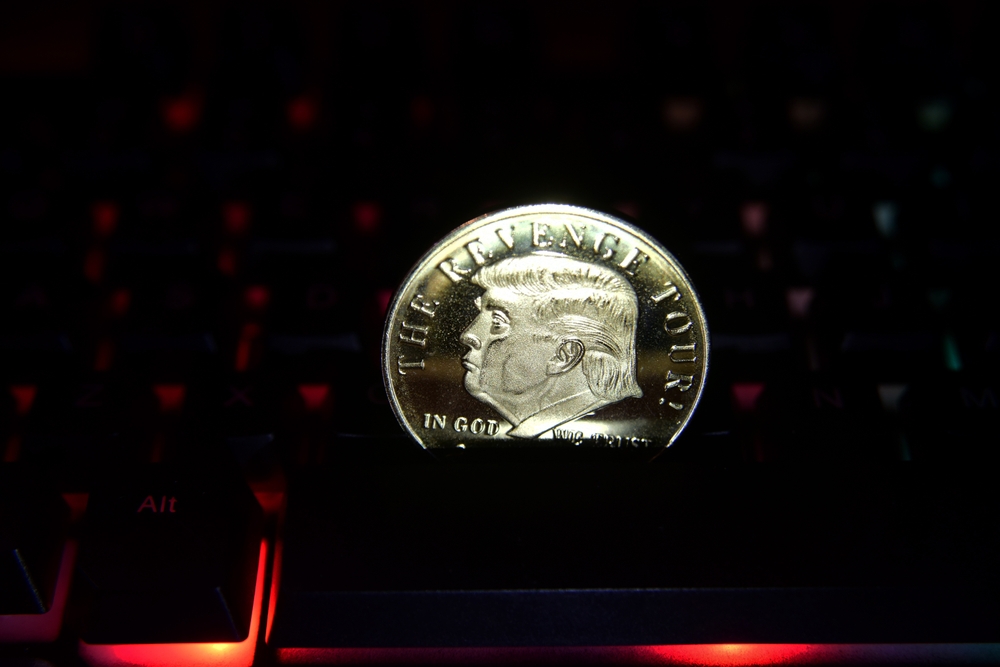
The new release stands out because living presidents generally do not appear on U.S. currency. Trump’s image on the $1 coin therefore has historical significance beyond the political debate surrounding it. According to the information provided about previous U.S. Mint releases, the last and only other time a living president appeared on hard currency produced by the Mint was 100 years ago during the country’s Sesquicentennial celebrations.
That earlier coin was issued in 1926 to mark the 150th anniversary of American independence. It featured then-President Calvin Coolidge alongside George Washington on a commemorative silver half-dollar. The similarities between the two releases are difficult to ignore. Both involved major national anniversaries, both featured a sitting president, and both were created during a period when the country was marking a major milestone connected to the Declaration of Independence.
The Coolidge coin also offers an interesting warning from history for anyone assuming every commemorative release automatically becomes a collector success. The Mint produced one million of the coins, but demand did not meet expectations. Around 860,000 were eventually returned and melted down due to low demand. The Trump coin arrives in a very different era, however, with online sales, social media and a massive modern market for political memorabilia creating conditions that did not exist a century ago.
Whether the new $1 coin becomes a highly sought-after collectible or simply another unusual piece of modern American currency remains to be seen. Its historical rarity is already guaranteed, though. A sitting president’s likeness appearing on U.S. hard currency is something Americans have encountered only once before under the circumstances described in the supplied material.
The Legal Argument Behind The Design
Trump’s appearance on the coin has also sparked questions about whether the design is legally permitted. The Trump administration has argued that the Circulating Collectible Coin Redesign Act of 2020 provides the authority needed to produce the special currency as part of the nation’s Semiquincentennial celebration. The law allows the Treasury secretary to oversee the creation of coins connected to the 250th anniversary, creating the legal basis cited for the release.
A key detail involves where Trump’s likeness appears. The supplied reference explains that the law bars a person from appearing on the tail side of a coin, but that restriction does not apply to the face. Trump’s portrait is located on the heads side, while the reverse carries the Presidential Seal and the anniversary imagery. The administration’s position is based on that distinction, arguing that the placement of the president’s likeness complies with the authority granted under the law.
Questions have also been raised about the design review process. Members of the Citizens Coinage Advisory Committee, an 11-member bipartisan body established by Congress to advise the Treasury secretary on coin designs, have criticized the process surrounding the Trump coin. The criticism centers on whether the committee was given the opportunity to review the proposed design before it was finalized.
Treasury officials pushed back on those concerns. U.S. Treasurer Brandon Beach said the Mint had offered the committee “multiple reasonable opportunities to review proposed designs” and added that the Mint’s obligation to seek the committee’s review had been fulfilled. Beach also stated that Treasury Secretary Scott Bessent had “sole discretion on final design selection.” The disagreement has added another layer to a release that was already certain to draw attention because of the president featured on it.
Americans Could Find One In Their Pocket Change
Perhaps the most interesting part of the release is the possibility that people may encounter one of the coins without actively trying to buy it. The Mint has confirmed that the Trump $1 coins are circulating, meaning they can enter ordinary transactions and eventually make their way into wallets, cash registers and coin collections across the country. For a release surrounded by anniversary celebrations and collector pricing, that detail gives ordinary Americans a direct connection to the story.
Anyone who receives $1 coins in change may want to take a closer look. The Trump portrait on the heads side is the clearest identifying feature, accompanied by “LIBERTY,” “IN GOD WE TRUST,” and “1776 ~ 2026.” Turning the coin over reveals the Presidential Seal and the number “250” incorporated into the shield. A small number of the coins will also carry the special July 4 privy mark, although those were distributed randomly and will be harder to find.
The release could also create an unusual situation for businesses and banks. Unlike a commemorative medal or a display-only collectible, these coins can legally be spent. Someone could purchase one from the Mint, place it in a collection, or theoretically use it to buy something worth $1. Another person could receive one later without realizing its significance until taking a closer look at the design.
For now, the coin’s arrival has turned one of the most ordinary objects in American life into something worth inspecting. The next unusual piece of change in someone’s pocket could be a brand-new $1 coin featuring the sitting president, a rare historical precedent and a direct link to the country’s upcoming 250th birthday.