
Your cart is currently empty!
Earth Is Set To Cross The 1.5°C Climate Limit, But The UN Says The Fight Is Far From Over
The world is about to cross one of the most important climate thresholds ever set, with global temperatures expected to rise beyond 1.5°C above pre-industrial levels within the next few years. The warning paints a bleak picture of the decades ahead, with more extreme heat, devastating floods, wildfires, rising seas and growing pressure on food and water supplies. Yet the message is not that the world should give up. The focus is now shifting toward limiting how far temperatures rise above the threshold and bringing them back down as quickly as possible.
Contents
show
The most optimistic projections see warming peaking at around 1.8°C, while other scenarios suggest the planet could exceed 2°C if stronger action is not taken. Above 1.5°C, every fraction of a degree increases the risks facing people, ecosystems and entire communities. The consequences could include irreversible changes to major ice sheets, severe damage to the Amazon rainforest and disruption to ocean systems that help regulate the global climate.
Earth Is Expected To Cross 1.5°C Soon
The 1.5°C target became central to global climate action after the Paris Agreement, where countries agreed to pursue efforts to limit the increase in global temperatures. Scientists have repeatedly warned that the difference between 1.5°C and higher levels of warming could mean significantly greater risks for human populations and the natural world. The latest assessment now accepts that the planet is likely to move beyond that threshold, potentially within only a few years, after decades of rising greenhouse gas emissions driven largely by the burning of coal, oil and gas.
UN Secretary-General António Guterres delivered a stark assessment of the situation, saying: “Humanity is speeding past the limit to avoid climate catastrophe.” He also pointed to recent scorching heat, raging wildfires and deadly floods as evidence of what could lie ahead if global temperatures continue climbing. The challenge now is to prevent the coming overshoot from becoming deeper and longer than it needs to be, while rapidly cutting the emissions responsible for the warming.
The threshold itself is based on long-term global temperature averages rather than one unusually hot year. Crossing it does not mean the climate suddenly reaches a single point where every outcome is decided. Scientists stress that avoiding even a small additional amount of warming can reduce the scale of future damage. A world that peaks at 1.8°C would still face serious consequences, but it would be a very different situation from one where temperatures continue climbing toward 2.5°C or beyond.
The central message is that the target remains relevant even if temperatures temporarily rise above it. The goal is no longer simply to remain below 1.5°C forever. It is to make the period above that level as short and limited as possible before eventually reducing global temperatures again.
The New Strategy Is Called Overshoot, Peak And Decline
The proposed pathway is based on three stages: temperatures rise beyond 1.5°C, global warming reaches a peak, and then sustained climate action brings temperatures back down. The approach accepts the reality that the world has lost valuable time while insisting that future choices still carry enormous consequences. How quickly emissions are reduced will influence both the highest temperature reached and the number of years the planet remains in a more dangerous climate state.
The pathway depends first on immediate and sustained cuts to greenhouse gas emissions, including methane. It also requires a rapid move toward net-zero emissions, where the amount of greenhouse gases entering the atmosphere is dramatically reduced. Over the longer term, the strategy envisions net-negative emissions, meaning more carbon dioxide would need to be removed from the atmosphere than is released.
The report identifies several major actions needed to make that pathway possible:
- Rapid emissions cuts: Greenhouse gas emissions must fall quickly and remain low over the long term.
- Lower peak warming: Governments must act to prevent temperatures from rising far beyond 1.5°C.
- Stronger adaptation: Communities need protection from climate impacts that can no longer be avoided.
- A shift away from fossil fuels: Renewable energy and cleaner systems must replace major sources of emissions.
- Carefully managed carbon removal: Carbon dioxide removal may help reduce temperatures after emissions have fallen sharply.
- Greater international cooperation: Countries must coordinate action while addressing questions of fairness and responsibility.
The strategy is demanding because it requires the world to change course while dealing with the consequences of warming already locked into the climate system. There is also no guarantee of an easy route back below 1.5°C. The longer governments delay, the more difficult the task becomes and the higher the potential peak temperature rises.
Every Extra Fraction Of A Degree Raises The Danger
Above 1.5°C, climate impacts are expected to intensify with every additional fraction of a degree and every year temperatures remain elevated. The effects could reach deep into everyday life through more severe heatwaves, pressure on food production, worsening water shortages and increased damage to homes, cities and infrastructure. Some communities could face repeated disasters that become increasingly expensive and difficult to recover from.
Human health is also expected to face greater risks as extreme heat becomes more frequent and intense. Food security could be threatened by changing weather patterns and damage to agricultural systems, while water supplies may come under growing pressure in regions already facing shortages. Economies could also absorb major losses as infrastructure is damaged and governments spend more on emergency responses and adaptation.
Low-lying coastal cities and Small Island Developing States face particularly serious threats from rising sea levels. For some communities, adapting may eventually mean relocating or fundamentally changing the way people live and work. The report warns that there will likely be limits to adaptation, especially if peak temperatures are allowed to rise too far.
Inger Andersen, Executive Director of UNEP, warned that the consequences will become increasingly severe the longer the world remains above the target. “There are no good outcomes if we remain above 1.5°C,” she said. “Across the globe, extreme heatwaves are already proving that climate impacts will strike faster, hit harder, and last longer, costing more lives and causing deeper disruption.”
Scientists Are Worried About Irreversible Tipping Points
One of the most serious concerns is the possibility of crossing climate tipping points, where major natural systems could undergo changes that are difficult or impossible to reverse. The likelihood of these events increases as temperatures rise higher and remain elevated for longer periods. Some changes may appear suddenly, while others could build gradually before their full consequences become clear.
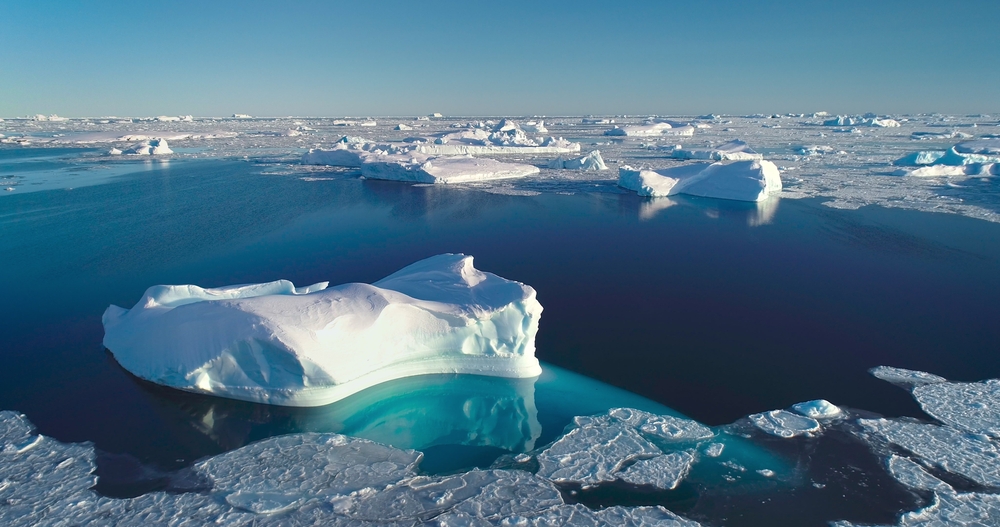
The destabilization of major ice sheets is among the dangers identified. Significant changes involving the Greenland and West Antarctic ice sheets could contribute to long-term sea level rise, creating challenges that would continue for generations. The degradation of the Amazon rainforest is another major concern, particularly because the forest plays a significant role in regional and global climate systems.
The report also points to the Atlantic Meridional Overturning Circulation, a major system of ocean currents that moves warm surface water north and colder deep water south. The system plays an important role in regulating climate patterns, and major disruption could have widespread consequences. Scientists are still studying exactly how these systems respond to rising temperatures, but the possibility of abrupt change adds urgency to efforts aimed at limiting peak warming.
These tipping points are one reason why the difference between 1.8°C and temperatures above 2°C matters so much. Climate change does not follow a simple pattern where every consequence increases at the same steady rate. Some systems may absorb pressure for years before reaching a point where rapid changes become possible.
The World Must Cut Emissions And Adapt At The Same Time
Reducing emissions remains the foundation of any attempt to limit peak warming. The report calls for immediate and sustained action to reduce greenhouse gases, while also accelerating the transition away from fossil fuels. Renewable energy can provide benefits beyond lowering emissions, including improved air quality, better public health and expanded access to electricity in communities that need it.
Adaptation must move forward at the same time. Communities are already dealing with climate impacts, and waiting until conditions become even more severe would leave vulnerable populations with fewer options. Adaptation can include efforts to protect cities from extreme heat, strengthen coastal defenses, improve water systems and prepare communities for changing weather patterns.
The report emphasizes that mitigation and adaptation can reinforce one another. Some interventions can help reduce emissions while also making communities more resilient. Nature-based cooling is one example, although the scale and effectiveness of different approaches will vary depending on local conditions.
Countries with greater responsibility for historical climate change are expected to take stronger and faster action. The issue is also closely tied to finance and fairness, because many of the communities facing the most severe consequences have contributed far less to the emissions driving global warming.
Carbon Removal Could Help Bring Temperatures Back Down
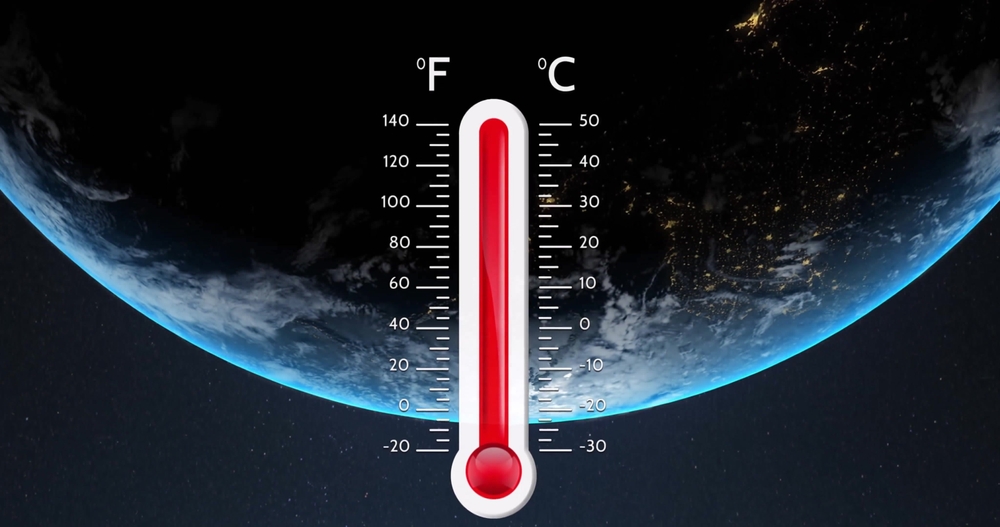
Bringing temperatures below 1.5°C after an overshoot would require more than simply slowing emissions. Carbon dioxide already released into the atmosphere can remain there for a long time, which means the long-term strategy includes removing carbon from the air and storing it. This process is known as carbon dioxide removal, or CDR.
Planting and restoring forests is one way of absorbing carbon dioxide, but the scale of the challenge may require additional approaches. The report suggests that carefully governed forms of carbon removal could become part of the effort to return global temperatures to lower levels. However, these methods raise difficult questions involving cost, environmental effects, fairness and the ability to operate at a sufficiently large scale.
The report makes clear that carbon removal cannot replace emissions reductions. It must be used alongside sustained efforts to reduce the pollution entering the atmosphere. A strategy built around removing carbon while allowing fossil fuel emissions to remain high would fail to address the central problem.
Strong governance will also be necessary to ensure that carbon removal projects do not create new environmental or social problems. The path back below 1.5°C becomes more difficult if peak warming approaches or exceeds 2°C, making rapid emissions cuts the most important step in limiting the scale of the challenge ahead.
A Return Below 1.5°C Would Not Erase The Damage
Even if the world eventually succeeds in bringing temperatures back below 1.5°C, some losses and permanent changes are already expected. Communities may have to relocate, livelihoods could change and ecosystems may suffer damage that cannot simply be reversed when global temperatures fall.
That future raises difficult questions about justice and political power. Governments will have to decide how resources are distributed, which communities receive protection and how people forced to leave vulnerable areas are supported. These decisions could become increasingly difficult as climate impacts place greater pressure on economies and public services.
The coming decades may therefore involve both efforts to reduce temperatures and attempts to live with a planet that has already changed. The challenge will require governments to prepare for expected impacts while remaining flexible enough to respond to sudden and unexpected events.
The world may soon cross the 1.5°C threshold, but the final outcome is still being written. How high temperatures rise, how long they remain there and how much damage can still be avoided will depend heavily on what happens next.