
Your cart is currently empty!
Scientists Built an Enzyme That Could Erase Decades of Molecular Aging
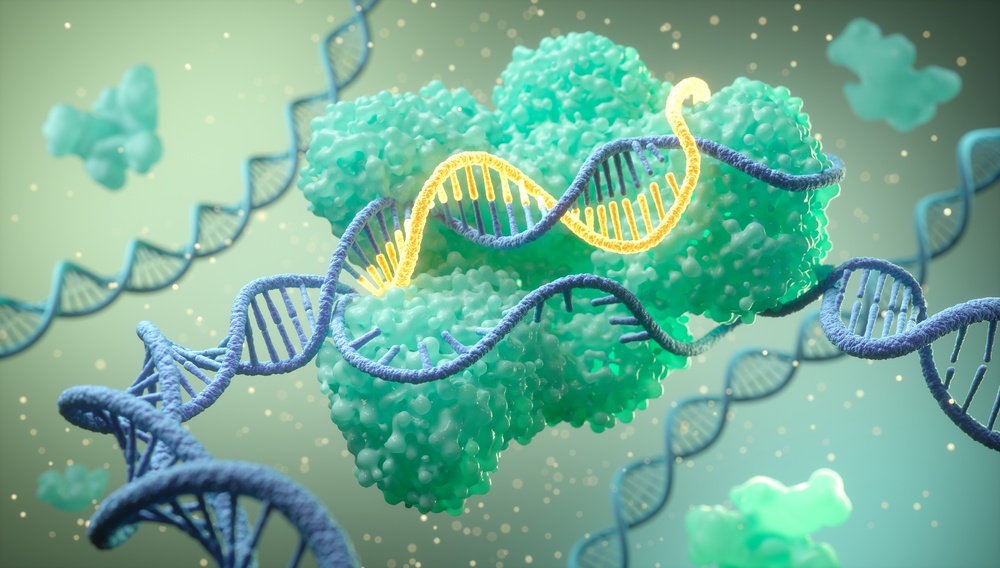
Aaron Cravens was hoping for a 20% reduction. His company had spent years chasing damage that biochemists had largely treated as permanent since the 1980s: sugar residues that gradually attach themselves to long-lived proteins in your skin, arteries and eyes. The body has no natural enzyme designed to remove them, so the damage accumulates year after year. Then researchers tested their engineered enzyme on tissue taken from a 75-year-old donor, and the result was far beyond what they expected.
Contents
show
More than 70% of one age-related molecular marker disappeared from the donor’s aorta tissue after treatment. Other experiments found substantial reductions in proteins from older human lenses and skin, while one laboratory-made damaged protein lost 97% of its targeted modification. The results do not mean scientists have discovered a treatment that can reverse aging in people. Nothing alive has been treated yet. But the numbers have opened a new possibility: some molecular damage associated with aging might eventually be removable rather than simply managed.
The Sugar Reaction Happening Inside Your Body
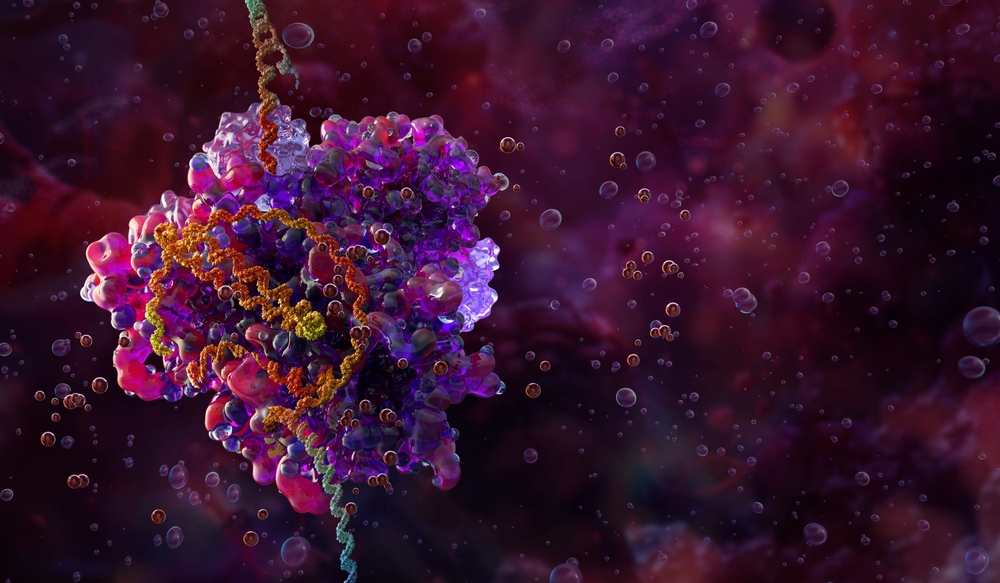
The process begins with something surprisingly ordinary: sugar. When sugar molecules encounter proteins without an enzyme controlling the reaction, they can attach themselves to those proteins and gradually form compounds known as advanced glycation end products, or AGEs. The chemistry resembles what happens when food browns during cooking, except inside the human body it unfolds slowly at approximately body temperature over decades. As Aaron Cravens explained, the body is effectively “cooking” these proteins at 98 degrees for 50 to 70 years, while lacking a mechanism to remove the resulting compounds.
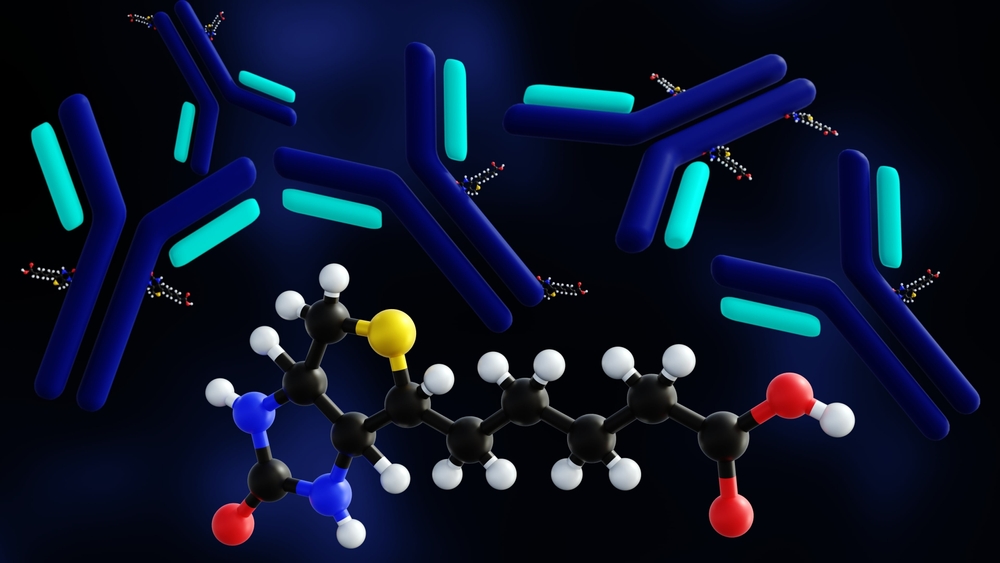
One of the most abundant AGEs found in the body is Nε-carboxymethyl-lysine, commonly shortened to CML. It can accumulate on collagen and on crystallin proteins in the eye lens, where age-related changes can affect tissue properties. CML can also interact with an immune receptor called RAGE, a process associated with inflammation. These changes are part of a much larger network of molecular damage that develops as people age, which helps explain why researchers have been interested in finding ways to slow or interfere with AGE accumulation.
Researchers Challenged A Decades-Old Assumption
For roughly four decades, the assumption surrounding many of these modifications was straightforward: once they formed, they were essentially permanent. Researchers focused on slowing the formation of age-related damage rather than trying to remove the molecular changes already present. James Galligan, a pharmacologist at the University of Arizona who was not involved in the work, described these modifications as “rock solid” and said they had long been considered irreversible.
That made the team’s decision to attack the problem directly unusually ambitious. Instead of accepting the chemistry as a one-way process, the researchers searched for an enzyme that could break the bond between CML and a protein without destroying the healthy protein underneath. The challenge was considerable because nature does not appear to provide a ready-made enzyme that performs this exact cleanup operation in human tissue.

More Than 500 Million Enzyme Variants Were Tested
The researchers began with glycine oxidase from a heat-loving bacterium called Calidithermus roseus. From there, they used repeated rounds of directed evolution to produce increasingly effective versions of the enzyme. More than 500 million enzyme variants were screened for their ability to remove CML while leaving the underlying lysine intact. The eventual candidate, known as CrGO-897, contained 15 amino acid substitutions and a two-amino-acid deletion.
The resulting enzyme was called CMLase. It was developed by Revel Pharmaceuticals in collaboration with Calico and the University of Colorado Anschutz Medical Campus, with the findings published in Nature Communications on July 14, 2026. The scale of the screening effort shows how narrow the target was: researchers were not simply looking for an enzyme that could break down damaged proteins. They needed one capable of finding a particular molecular modification and removing it without damaging the protein itself.
A 75-Year-Old Aorta Lost More Than 70% Of Its CML
The most attention-grabbing result came from abdominal aorta tissue obtained from a 75-year-old donor. After treatment with CMLase, staining for CML dropped by more than 70%. The result suggested that the enzyme could reach and remove a large portion of the targeted molecular damage from human tissue outside a living body.
The researchers also tested lens proteins from a 64-year-old donor. Mass spectrometry showed a 45% reduction in CML, while an antibody-based test showed a 78% reduction. The researchers attributed the difference to the way the enzyme can access different parts of folded proteins. In laboratory-made damaged proteins, the results were stronger still. One sample lost 97% of its CML after the enzyme was allowed to work overnight.
Those numbers were far above the team’s original expectations. Cravens said they were “pretty floored” because they had expected a 20% reduction. Instead, the experiment repeatedly produced results that suggested the enzyme could remove a substantial amount of accumulated molecular damage under laboratory conditions.

Older Skin Samples Tested Younger On A Molecular Level
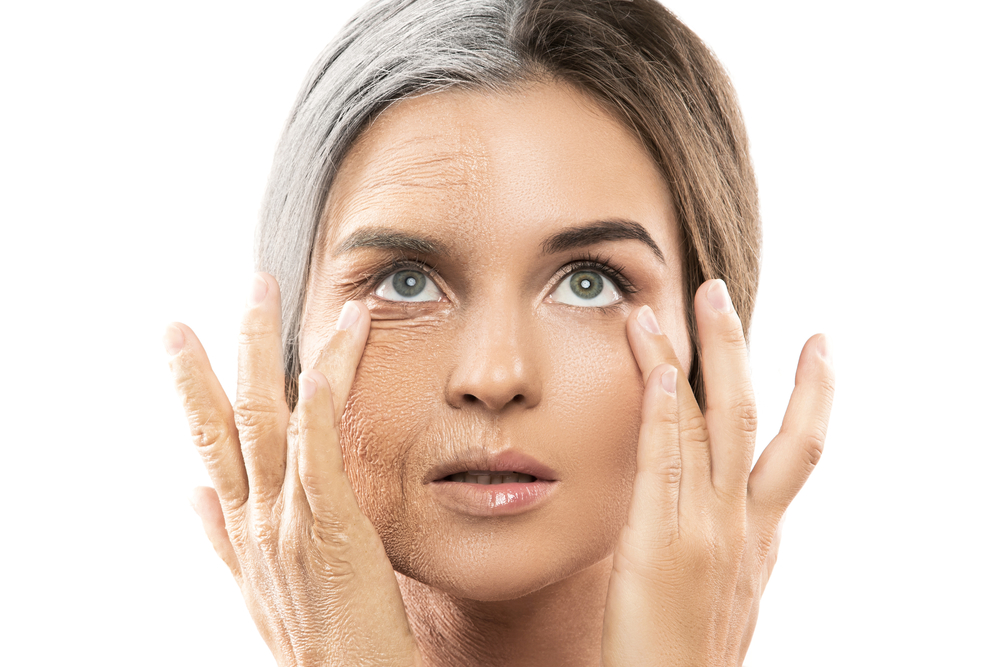
The researchers also examined skin tissue from donors ranging in age from 20 to 75. After treatment, more than 55% of CML staining across the epidermis and dermis disappeared. In the oldest samples, the remaining CML levels fell below those measured in skin from 31-year-old donors.
That result sounds like a potential rewind button for aging, but there is an important distinction. The tissue looked younger according to the molecular marker being measured. Researchers have not shown that the treated skin actually functions like younger skin. There were no demonstrations that the tissue became stronger, more elastic or otherwise biologically equivalent to tissue from a younger person.

The Biggest Problem Is That Nobody Has Treated A Living Person
The most important caveat is also the simplest: these experiments were performed on tissue outside a living body. The researchers tested tissue samples, prepared sections and protein mixtures. No human being received CMLase, and no living animal was treated in the reported experiments.
Several major questions therefore remain unanswered:
- Does the enzyme improve tissue function? The experiments measured molecular changes, but they did not establish that a treated artery becomes more flexible or that a treated lens becomes clearer.
- Will the human immune system tolerate it? CMLase originated from a bacterial enzyme, so researchers still need to determine whether the body would recognize it as foreign and mount an immune response.
- Can it reach intact tissue? Removing CML from prepared tissue is different from delivering an enzyme through the body and getting it into the right molecular locations.
- What about other forms of damage? CML is only one target. Glucosepane, a crosslink that can bind collagen fibers together, remains a much harder problem.
The company itself describes CMLase as a research-stage program rather than an approved medical treatment. That distinction is crucial. The laboratory findings show that a particular form of molecular damage can be removed from human tissue samples. They do not yet show that aging can be reversed in a person.
Why Scientists Care About Removing Age-Related Damage
The excitement comes from the possibility of changing the strategy used against some aspects of aging. Most approaches have focused on slowing the accumulation of damage or managing the consequences once they appear. CMLase takes a different approach by attempting to remove molecular changes that have already accumulated.
AGEs have been associated with several age-related problems, including changes involving blood vessels, the eye lens, nerves and kidneys. The process can also become more pronounced in diabetes, where elevated blood sugar can accelerate glycation. That makes the chemistry relevant to both ordinary aging and several chronic conditions.
But the researchers are still working with one piece of a much larger puzzle. Aging involves numerous interacting processes, and removing CML would not erase every form of cellular or molecular damage that develops over a lifetime. Even a successful therapy would therefore target a specific type of damage rather than provide a universal reversal of aging.
The Goal Is A One-Time Molecular Cleanup
Cravens has described the long-term vision for CMLase as a “one-and-done” treatment that could potentially clean away decades of accumulated damage rather than requiring constant intervention. That idea remains theoretical until researchers establish that the enzyme can safely enter the body, reach its targets and produce meaningful improvements in living tissue.
For now, the most striking achievement is much smaller and more concrete. Researchers took human tissue carrying decades of accumulated CML and removed a large portion of it in the laboratory. The next challenge is no longer proving that the chemistry can be changed in a dish. It is finding out whether the same trick can work safely inside something alive.
A 20% result would have been enough to keep the idea moving. A reduction above 70% gives researchers a much bigger reason to continue. The hard part starts now.
Sources:
- Trabosh, N., Smith, J., Hsu, M. Y., Panja, S., Nagaraj, R., Olsson, N., McAllister, F. E., & Cravens, A. (2026). Reversal of protein chemical aging by enzymatic deglycation. Nature Communications, 17(1). https://doi.org/10.1038/s41467-026-75141-2
- Tran, L., PhD. (2026, July 14). Lawnmower-like enzyme rewinds decades of molecular aging in human tissue. The Scientist. https://www.the-scientist.com/lawnmower-like-enzyme-rewinds-decades-of-molecular-aging-in-human-tissue-74728