
Your cart is currently empty!
He Was Supposed To Be 107 Floors Up On 9/11. A Simple Shift Swap Kept Him Home
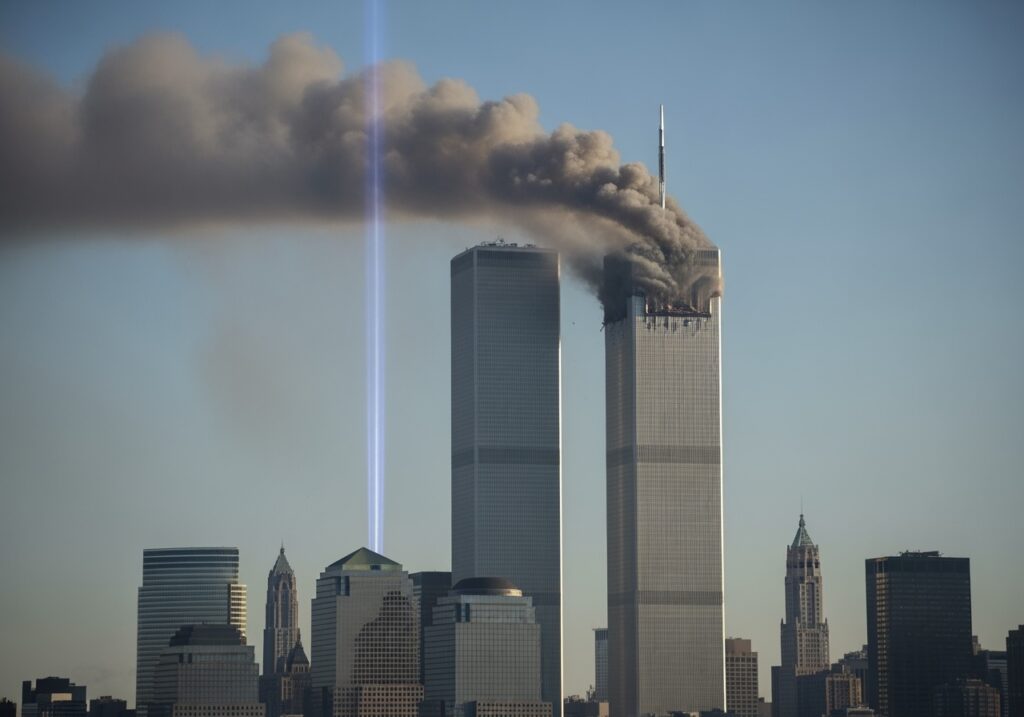
Sekou Siby should have been inside Windows on the World on the morning of September 11, 2001, working 107 floors above Manhattan. Instead, the 36-year-old restaurant worker was asleep beside his pregnant wife at home, unaware that a routine shift swap had placed another man in the kitchen that morning. His coworker, Moises Rivas, had taken Siby’s place. Within hours, the restaurant would be gone, Rivas would be dead, and Siby would be left trying to understand why one ordinary workplace decision had separated his fate from those of 79 people he knew.
Contents
show
Siby had spent years building a life in New York after leaving Ivory Coast in 1996. He had learned English, worked his way up from a supermarket delivery job to a position at one of Manhattan’s most famous restaurants, reunited with his wife and was preparing to become a father. Then came a frantic phone call, a television screen filled with smoke and flames, and unanswered calls to the kitchen where his friends were supposed to be working. The survival that initially felt like a miracle soon became something far more complicated: a life shaped by grief, survivor’s guilt and the question, “Why them? Why not me?”
Sekou Siby swapped shifts because he wanted the day off. The man who covered for him, Isidro Ottenwalder, was inside the World Trade Center during the September 11 attacks.
— ໊☆ ★ (@useryankari) March 8, 2026
It’s terrifying how one small choice can change fate. pic.twitter.com/E36R46ZOg2
The Shift Swap That Changed Two Lives
The arrangement between Siby and Rivas had started with something completely ordinary. Rivas, an Ecuadorian musician in his 20s, wanted Sunday off, so Siby agreed to cover his shift. When Tuesday arrived, Rivas returned the favor by taking Siby’s place at Windows on the World. Neither man had any reason to believe the exchange would become one of the most consequential decisions either had ever made. Siby stayed home that morning, while Rivas went to work in the North Tower.
Siby was responsible for the breakfast cold-food station and should have been high above Manhattan when the attacks began. Instead, he was in bed beside his pregnant wife when a coworker’s wife called in a panic. She was trying to locate her husband and told Siby, “Your building is burning.” He turned on the television and saw the North Tower engulfed in smoke. He immediately called the restaurant kitchen, expecting someone to answer, but the familiar voices never came through.
“Both numbers in the kitchen (were) ringing, but nobody picked up,” Siby recalled. He kept calling as the situation became more frightening, still hoping his friends had somehow escaped. Then the tower collapsed, and the phone went silent. The shift swap that had seemed insignificant days earlier had placed Siby safely at home while Rivas and dozens of their coworkers remained inside the building.
He was scheduled to work atop the World Trade Center on 9/11. A coworker’s request saved his life.
— CLH (@CLH111354) September 6, 2026
On the morning of September 11, 2001, Sekou Siby should have been 107 floors above Manhattan, supervising the breakfast cold–food station at the
iconic…
https://t.co/iliAhwYakS
Windows On The World Was Built By Immigrants
Windows on the World had become one of New York’s most recognizable restaurants since opening in 1976. Diners came for the food, the atmosphere and the extraordinary views from the North Tower. But the glamorous dining room represented only one side of the restaurant. Behind the white tablecloths and expensive meals was a kitchen staffed by immigrants who had traveled from different parts of the world in search of work and a more secure future.
Siby was one of those workers. He had taught French in Ivory Coast before moving to the United States in 1996, leaving his wife behind while he tried to establish himself. His first years were difficult. He spoke little English, worked as a supermarket delivery worker and took language lessons for two years before finding his opportunity at Windows on the World in 1998.
He began as a prep cook earning $8 an hour, peeling enormous quantities of onions, potatoes and shrimp. Siby wanted to move higher in the kitchen, so he used slower periods to help experienced cooks and develop his knife skills. “Learning how to hold the knife, how to chop without hurting yourself … this is how we progress from being a prep cook to a cook,” he explained. His effort eventually earned him a promotion and a raise to $12 an hour.
Last night we hosted "Invisible Victims: 9/11 and Undocumented Immigrants." Thank you to Dr. Sekou Siby, Alexandra Délano and Benjamin Nienass for joining us in this conversation. #911MuseumEd #911MuseumTalk #911Memorial #911Museum #NeverForget pic.twitter.com/snBdrQr8mD
— 9/11 Memorial & Museum (@Sept11Memorial) October 21, 2022
The Kitchen Became A Community
The workers behind the restaurant came from Africa, Latin America, Asia and Australia. Many were dealing with immigration uncertainty while trying to establish themselves in New York, and Siby became part of a close community that existed beyond the restaurant. Workers met in a Queens park on weekends, shared food and discussed their lives. Three days before the attacks, some of them had gathered to play soccer.
“It was almost like a real window on the world,” Siby said. The phrase carried a painful meaning after September 11 because the people who had created that community were suddenly gone. Siby lost 79 coworkers that day, including Rivas and Abdoul Karim, the man who had helped him get his job at the restaurant and whom Siby regarded as an older brother.
The Loss Became Impossible To Comprehend
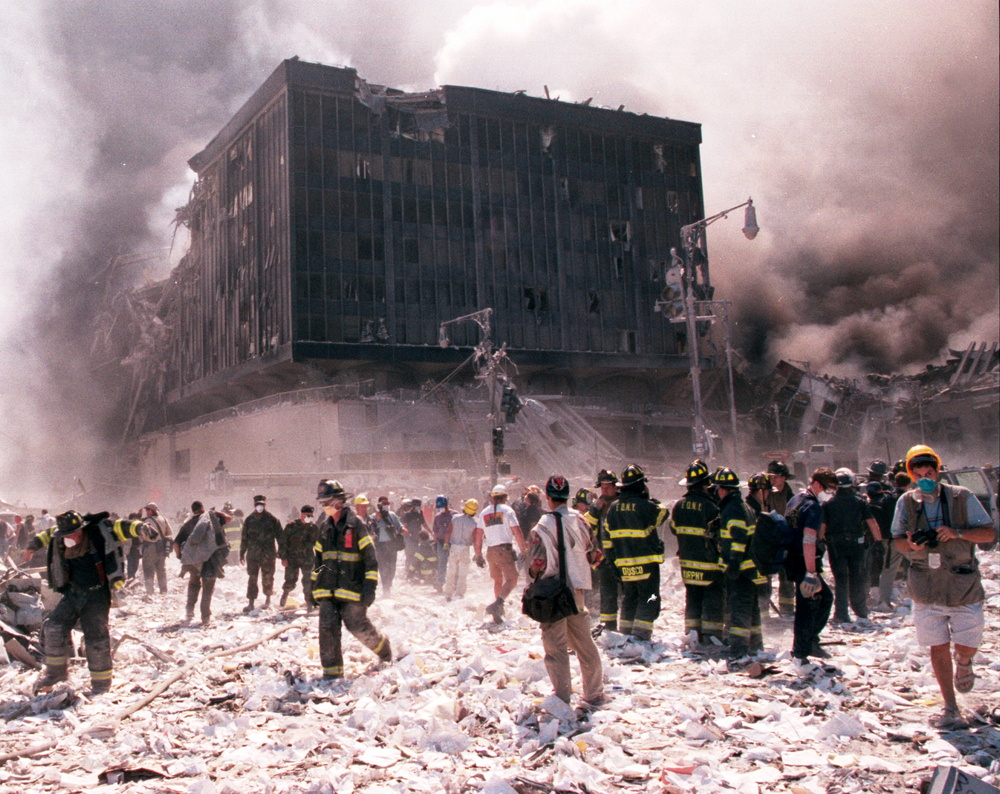
As the hours turned into days, Siby and other surviving workers searched hospitals and waited for information about their friends. Some families faced additional difficulties because several restaurant workers were undocumented or spoke limited English. Relatives were frightened about approaching authorities, while workers who survived struggled to find answers about people they had known every day.
Eventually, the reality became impossible to escape. Nobody above the North Tower’s impact zone had survived. Rivas was gone. Karim was gone. So were dozens of other people Siby had worked beside, eaten with and seen almost every day. “You can’t imagine losing the entire morning crew, all of the people you used to interact with, all gone,” Siby said. “You’re not a soldier to be prepared for something like that. You’re just a simple worker.”
The tragedy left Siby confronting a question that would follow him for years. “They were all gone. I have to live with that,” he said. “Why them? Why not me?” His survival had protected him from the physical danger, but it also left him with memories of people who had not received the same chance. He was suddenly jobless, grieving his friends and preparing to become a father.
His Daughter Arrived Weeks After The Attacks
Siby’s daughter was born on October 3, less than a month after the attacks. Her arrival gave him something to focus on during an unbearable period. He was grieving the people he had lost while learning how to care for a newborn, and he later described becoming a father as a shining moment in the middle of an otherwise devastating time.
“Taking care of a baby helped me occupy my mind and give me a reason why God saved my life,” Siby said. Yet becoming a father did not erase the grief. He later wondered whether the experience had changed the kind of father he might otherwise have been, because so much of his early parenthood was intertwined with the trauma of September 11.
He also struggled to return to the social world he had known before the attacks. Siby never went back to restaurant work and eventually became a taxi driver. The job allowed him to interact with people without developing the kind of close relationships he feared losing again.
“It (didn’t) make sense to make friends and lose them,” he said. “I’d just pick up somebody and drop them and that’s it. … Nobody’s going to be my friend and drop dead the next day.”
Grief Eventually Turned Into Work For Others
Over time, Siby found another way to deal with the loss. He began helping survivors and restaurant workers affected by the attacks, volunteering with organizations that supported families and assisting immigrants who needed help finding resources. Instead of keeping the tragedy entirely inside his own life, he began using his experience to help people facing their own difficult circumstances.
“For me, it was a way of forgetting my own pain to see there are people who suffered more than me,” Siby said. “I felt the usefulness of being there for those people.” That work eventually became a major part of his career. He went on to serve as president of Restaurant Opportunities Centers United, a national nonprofit advocating for restaurant workers, before later moving into management consulting for nonprofits.
His life had changed dramatically from the one he had imagined in 2001. He had started as an immigrant trying to learn English and build a career in a restaurant kitchen. After losing nearly an entire morning crew, he found himself working to support other people whose lives had also been disrupted.
Twenty-Five Years Later, He Met Rivas’ Widow
Years after the attacks, Siby attended a gathering for families connected to former Windows on the World workers. During the event, a woman began talking about her husband, explaining that he had not originally been scheduled to work on September 11 but had swapped shifts with another employee.
Siby recognized the story.
The woman was Elizabeth Rivas, Moises Rivas’ widow. The coworker whose shift had placed Siby at home that morning had left behind a wife and two children. Rivas had reportedly dreamed of becoming a chef and a famous musician, and the restaurant job was part of the future he was trying to build.
Meeting his coworker’s widow decades later brought the shift swap back into focus. Siby had survived because Rivas took his place, but there was never a simple way to describe what that meant. A decision made around a work schedule had created two completely different futures.
The Details Behind The Fateful Swap
Several ordinary circumstances came together that morning:
- Rivas wanted Sunday off: The original request led Siby to cover his coworker’s shift.
- Siby returned the favor: Rivas then took Siby’s Tuesday shift.
- Siby stayed home: He was sleeping beside his pregnant wife when the attacks began.
- Rivas went to work: He was inside Windows on the World when the North Tower was struck.
- Siby became a father: His daughter was born weeks later, while he was still processing the loss.
There was no way for either man to know what those decisions would mean. For Siby, the shift swap became inseparable from the lives of the people he lost.
Siby Still Carries The Question
Siby eventually became a US citizen and earned a doctorate in business administration. He built a career helping nonprofits and advocating for workers, creating a life that would have been difficult to imagine in the weeks after September 11.
But the past never disappeared. The people from the Windows on the World kitchen remain part of his story, especially the coworker whose shift put him at home that morning. His survival gave him decades that Rivas did not get, but it also left him carrying memories that began with an unanswered telephone.
A shift at work can look insignificant when it is written on a schedule. For Siby and Rivas, that small decision became permanent. One man went to work. The other stayed home. Twenty-five years later, Siby is still living with everything that happened because of it.