
Your cart is currently empty!
California Man Faces More Fines After Turning His California Yard Into A Food Forest
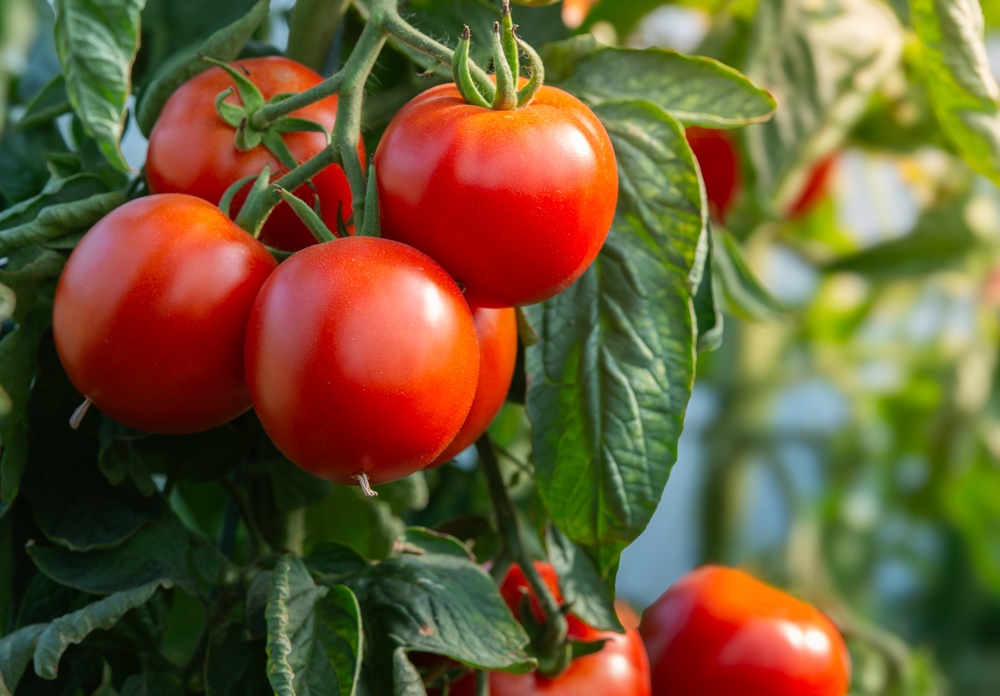
A California homeowner says his effort to grow food for his family has turned into an expensive fight with city officials after his backyard garden attracted complaints about overgrown vegetation. Michael Sherman, a Chino resident, has built what he calls a “Food Forest” at his home, filling the property with edible plants, trees and other vegetation. But after initially being fined $750, Sherman says the penalties have continued even after he made changes requested by the city.
Contents
show
Sherman says he has already removed bushes, trimmed vegetation and cut back trees in an attempt to comply with local requirements. He now faces another $500 fine and says he could receive an additional $500 penalty if he does not meet the city’s requirements by the 16th. While city officials say they are working with him and that progress has been made, they maintain that violations will continue until remaining overgrown vegetation is removed or trimmed.
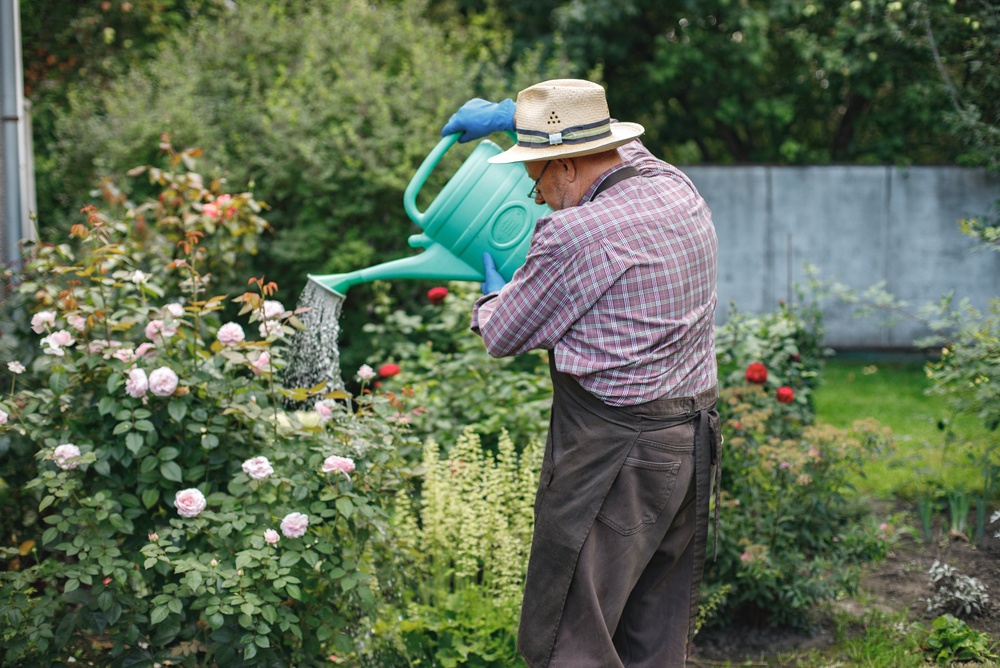
The Backyard Garden Has Become A Costly Dispute
Sherman’s property is far removed from the neatly trimmed suburban lawns that usually blend into a residential neighborhood. His Food Forest contains a mixture of food-producing plants, trees and other vegetation, including squash, aloe vera, sunflowers and radishes. The goal is simple: create a productive space where his family can grow some of the food they eat rather than relying entirely on stores.
That vision has now put Sherman in an ongoing dispute with local code enforcement. The original violation resulted in a $750 fine in April, when the vegetation was described as overgrown. Since then, Sherman says he has worked to address the concerns by removing some bushes, trimming plants and cutting trees back. He says he understands the need to keep certain areas clear, particularly where vegetation could obstruct pedestrians or visibility.
“It’s so you can see pedestrians walking, and that makes sense. I agree with that,” Sherman said. The disagreement began over what still remains on the property. Sherman believes he has made significant changes, while city officials say there is still vegetation that needs to be trimmed or removed before the violations can be resolved.
The latest citation has made the situation more serious for the homeowner. Sherman paid another $500 fine and says another $500 could follow if he does not comply with the remaining requirements. That would bring the potential penalties described in the dispute to $1,750, turning what began as a home gardening project into a surprisingly expensive problem.
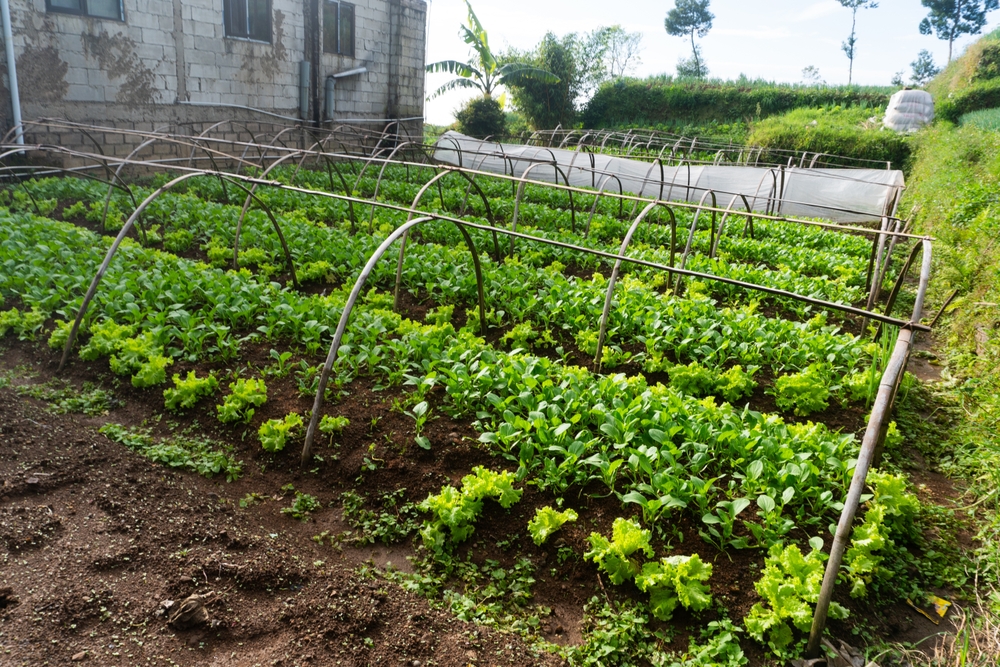
Sherman Says He Is Trying To Work With The City
Sherman has not portrayed every city requirement as unreasonable. He has already made changes to the property and says he wants to continue working with code enforcement rather than simply refusing to make adjustments. His frustration comes from believing that he has followed the requested changes while still being hit with additional penalties.
“It’s my way of taking control of my food and my family’s food,” Sherman said. For him, the garden serves a practical purpose inside his household. The plants are not simply decoration. They are part of an effort to produce food at home and maintain a degree of independence over what reaches his family’s table.
The city has a different concern. Officials say they are trying to work with Sherman and acknowledge that progress has been made, but they maintain that some remaining vegetation is still considered overgrown. According to the city’s position, the violations will continue until the remaining areas are brought into compliance.
Sherman says he remains hopeful that he will not be forced to remove more of the food-producing plants that his family depends on. He also plans to appeal the latest citation. That leaves the dispute unresolved, with Sherman trying to preserve as much of his garden as possible while satisfying the city’s remaining requirements.
What Makes A Food Forest Different From A Typical Garden
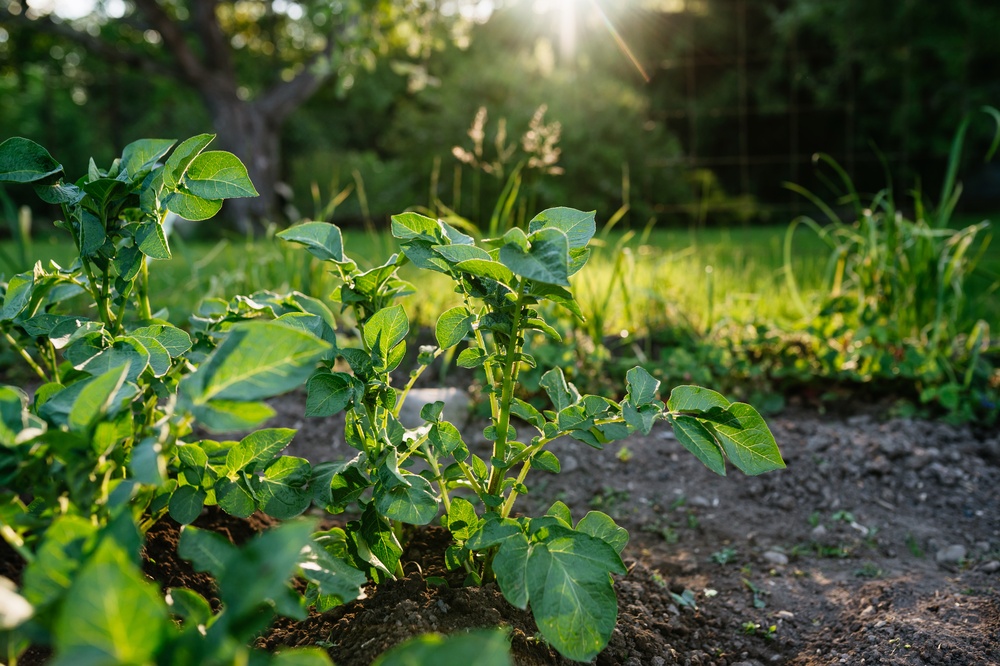
The name Sherman has given his property helps explain why the yard has become such a visible point of disagreement. A traditional backyard garden might consist of several vegetable beds arranged in clearly defined rows. A food forest takes a different approach, using multiple types of plants and vegetation throughout the growing space to create an environment where food can be produced across different layers.
Sherman’s garden includes a mixture of crops and plants rather than a single dedicated vegetable patch. Squash, radishes, sunflowers and other edible plants can occupy different areas, while larger vegetation adds another layer to the landscape. Aloe vera is also among the plants he grows. The result can be far denser and more visually complicated than a conventional suburban yard.
That density is part of the appeal for someone trying to grow substantial amounts of food at home. A productive garden does not necessarily look like a decorative lawn, and plants that are useful to the homeowner can appear overgrown to someone expecting a more manicured property.
That difference appears to be contributing to the conflict in Chino. Sherman sees a food-producing landscape that serves his family, while city officials are focused on whether portions of the property meet local vegetation and maintenance standards. The same plants can therefore represent food and self-sufficiency to one person while creating a code enforcement issue from another perspective.
The Fines Have Continued Despite Changes To The Property
The financial pressure is now one of the most striking parts of Sherman’s dispute. The first fine was $750, and the latest penalty was another $500. Sherman says he could face an additional $500 if he does not complete the required work by the city’s deadline.
That potential $1,750 total does not include the time and effort Sherman has already invested in changing the garden. He says he has removed bushes, trimmed vegetation and cut trees in response to the city’s concerns. Those changes can be particularly significant when a garden has been intentionally designed around mature plants and food production.
Sherman’s position is not that every plant should remain untouched. He has specifically acknowledged that some trimming requirements make sense, including keeping pedestrian areas visible and accessible. His concern is that continued enforcement could eventually require him to remove plants that provide food for his family.
The dispute therefore comes down to a relatively narrow but important question: how much of the existing vegetation can remain while still satisfying local rules? Sherman believes there should be a way to maintain the productive purpose of the garden while addressing the city’s concerns about overgrowth.

Neighbors First Raised Concerns About The Property
The Food Forest has also attracted attention from people living around Sherman’s home. The concerns have focused on the appearance and condition of the property, helping bring the unusual backyard garden into the attention of city officials.
Residential neighborhoods often have expectations about how properties should look and how vegetation should be maintained. Those expectations can become especially important when plants grow close to sidewalks, block visibility or extend beyond areas that neighbors consider appropriate. A garden that looks perfectly functional to the person growing it can look very different from the street.
Sherman’s situation demonstrates how quickly a private gardening project can become a neighborhood issue when it reaches a certain scale. A few tomato plants or a small vegetable bed rarely attract the same attention as a property filled with dense vegetation, trees and multiple food-producing plants.
For Sherman, however, the unusual appearance is part of the point. He has deliberately created a yard designed to produce food rather than simply serve as an ornamental space. The challenge now is keeping that purpose intact while making the physical changes required by local officials.
Sherman Wants To Keep Growing Food For His Family
Despite the fines and continuing dispute, Sherman says he is not giving up on the garden. He wants to continue working with code enforcement and find a solution that allows him to keep growing food at home without violating the city’s requirements.
He also says he hopes he will not have to remove more food-producing plants. That concern is understandable within the context of how he uses the property. Every tree, plant or growing area that has to be removed could reduce the amount of food the garden can produce.
At the same time, the city says the remaining vegetation still needs to be addressed. Officials have indicated that progress has already been made, but they do not consider the matter finished. That means Sherman still has work to do if he wants the citations to stop.
His planned appeal could become an important next step. If he can demonstrate that the remaining garden complies with the applicable requirements, the dispute could eventually come to an end. If not, he could face further pressure to modify a garden he considers an important part of his family’s food supply.
The Dispute Raises A Bigger Question About Backyard Freedom
Sherman’s case has attracted attention because it involves something that many homeowners consider a basic part of property ownership: deciding what to grow in their own yard. Most people expect some limits on residential properties, particularly where vegetation affects public walkways or visibility. The controversy begins when those rules collide with a homeowner’s decision to use the yard for food production.
There is also a cultural divide between decorative landscaping and productive landscaping. A perfectly trimmed lawn may satisfy neighborhood expectations, but it does not produce much food. A dense garden can provide vegetables, fruit and other useful plants while looking considerably less conventional.
Sherman’s Food Forest sits firmly on the productive side of that divide. His goal is to turn available residential space into something that can feed his family. City officials are focused on the physical condition of the property and whether it meets local standards.
The two goals do not necessarily have to be incompatible. Sherman has already shown a willingness to trim and remove vegetation when he believes the city’s concerns are reasonable. The remaining question is whether the garden can be brought into compliance without losing the very purpose for which Sherman created it.
The Next Deadline Could Decide What Happens To The Garden
For now, Sherman’s Food Forest remains in place, but another deadline is approaching. He says he has already paid the latest $500 fine and could face another $500 penalty if he does not comply by the 16th.
He is hoping the changes he has already made will help resolve the dispute rather than lead to the removal of more plants. He also plans to appeal the latest citation while continuing discussions with city officials.
The case has turned a suburban backyard into an unlikely debate over property rules, neighborhood expectations and the freedom to grow food at home. Sherman wants a garden that can feed his family. The city wants a property that meets its standards.
For now, the answer may depend on how many more cuts Sherman has to make before the city considers his Food Forest compliant.