
Your cart is currently empty!
This Indian Student Refused To Ignore A Polluted River And His Effort Went Global
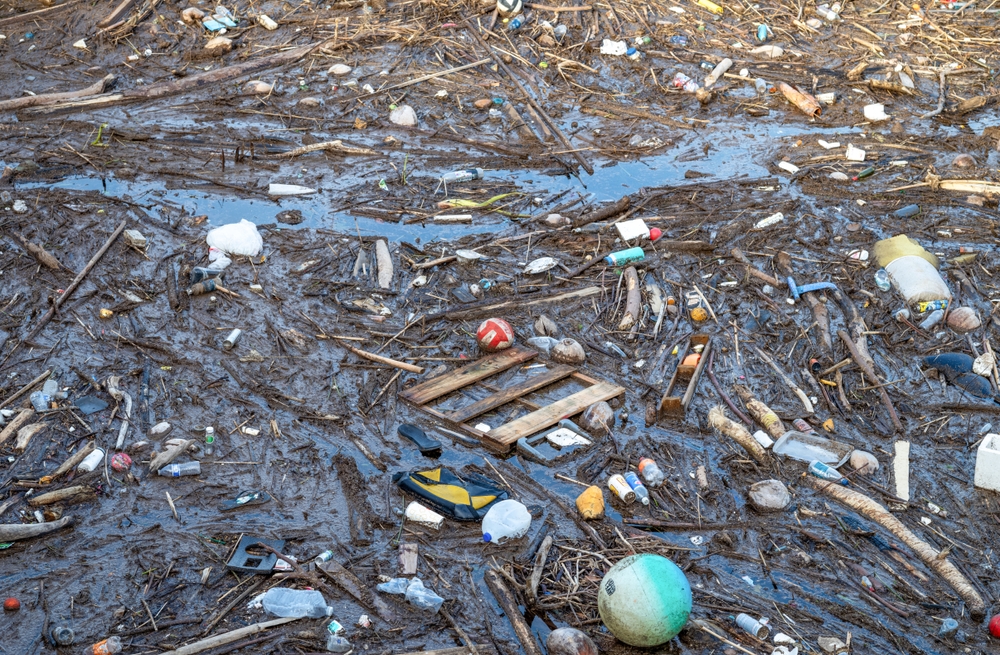
A 20-year-old college student in Madhya Pradesh spent months wading into a polluted river, pulling out plastic, algae and accumulated waste with his own hands. While some people mocked him and questioned his motives, he kept returning to the water and cleaning it.
Contents
show
Then the story reached one of the world’s best-known ocean-cleanup entrepreneurs. Boyan Slat, the Dutch founder and CEO of The Ocean Cleanup, saw what the young man had accomplished and responded with an offer that could take his work far beyond his hometown.
Bittu Tabahi Started With A River He Couldn’t Ignore
Surendra Singh Chaudhary, popularly known online as Bittu Tabahi, is a second-year BSc student from Biaora in Madhya Pradesh’s Rajgarh district. Long before his cleanup videos began spreading across social media, he had already been thinking about the condition of the Ajnar River and wondering whether he could do something about it.
The idea reportedly stayed with him whenever he passed the river or visited a nearby temple. Instead of waiting for an organised campaign or government initiative, he eventually decided to start cleaning the river himself.
“I used to think about it beforehand. Whenever I used to go to the temple or went past the river, I used to think about cleaning the river,” Chaudhary told the Times of India.
He began the work on January 26, and what started as an individual effort continued for months. A few friends initially joined him, but their involvement gradually declined as the cleanup continued.
“Yes, I had friends. But gradually, things started to change. Some people liked it and some didn’t,” Chaudhary said.
That left much of the responsibility on his shoulders. He repeatedly returned to the Ajnar River and its ghats, removing plastic waste, bottles, algae and other accumulated debris from the polluted stretch.
His videos eventually began documenting the transformation, giving viewers a visual comparison between the river before the cleanup and the areas after months of work.
The Cleanup Was Far More Difficult Than The Videos Showed

The images of a cleaner river may make the project look straightforward, but Chaudhary’s own account reveals how physically demanding the work became. He was not simply picking up rubbish from a dry riverbank; he was repeatedly entering contaminated water to reach waste that had accumulated in the river.
When he began, Chaudhary reportedly did not know how to swim and was working without proper protective equipment. Prolonged exposure to the polluted water also caused problems with his health, including infections in his feet and peeling skin on his hands and feet.
“I wanted to make a machine to clean the river, but I didn’t have the money. I am a student. So I thought, I will clean as much as I can with my own hands,” Chaudhary told The Indian Express.
The health problems did not immediately convince him to stop. He continued returning to the river, even though the physical consequences made it clear that the cleanup carried genuine risks.
His family was initially unaware of how extensive the work had become. Chaudhary said they eventually learned about it after Anand Mahindra shared his story online, which brought the project to a much wider audience.
“My family didn’t know about it,” Chaudhary told the Times of India.
Once his family discovered what he had been doing, their response was less enthusiastic about the risks involved. They were concerned that repeatedly entering polluted water alone could damage his health.
“They told me not to do it alone. Your health will be affected and things like that,” Chaudhary said.
Their concerns came after Chaudhary had already experienced infections and other problems from the cleanup.
He Spent His Own Money On The Project

Another unusual part of the story is that Chaudhary was not working with a large environmental organisation or a government-funded cleanup programme. The money used for basic equipment and dustbins reportedly came from Chaudhary and his friends.
Reports put the spending at around ₹30,000, or roughly $350. For a college student, that represented a significant personal contribution toward an effort that had no guarantee of attracting public attention.
“I had installed a few dustbins as well around the river. Dustbins were installed by myself only, no funding from anyone,” he told the Times of India.
The dustbins were intended to address a problem that became increasingly obvious as the cleanup progressed. Removing existing garbage could improve one stretch of the river, but fresh waste could quickly undo the work if people continued throwing rubbish into the water.
Chaudhary also collected discarded religious offerings from the river and turned the material into organic compost. That gave him another way to deal with some of the waste he encountered instead of simply removing it from the water and leaving the problem elsewhere.
The project therefore involved more than a single dramatic cleanup. It included repeated trips to the river, purchasing equipment, installing bins and trying to reduce some of the waste entering the water in the first place.
People In His Community Called Him Crazy
The reaction around Chaudhary was not always supportive, particularly in the early stages of the project. He said people in his community mocked him for the work and questioned his decision to spend so much time cleaning a polluted river.
“They make fun of me, call me crazy,” Chaudhary told The Indian Express.
According to Chaudhary, some people even told him to clean their drains and referred to him as “naala saaf karne wala,” a phrase relating to cleaning drains.
The criticism did not end when his videos began attracting attention online. Instead, a new wave of scepticism emerged as viewers saw the dramatic before-and-after footage of the river.
Some users accused him of using artificial intelligence to create fake images or videos showing a transformation that had not actually happened. Chaudhary responded to those accusations in an Instagram video and explained that the cleanup had been carried out over months.
“After cleaning the river so much, people will call it AI,” he said.
He also described how the physical cleanup was carried out, explaining that he initially worked manually before using a JCB machine to help remove dirt from the river.
“I used to clean the river by breaking it. Then I used JCB’s help to clean the dirt in the river. You can see that I have not done this work with AI,” Chaudhary said.
He then pointed to the effort behind the transformation and rejected the idea that the results were simply computer-generated.
“I have done this work with my hard work,” he said.
Anand Mahindra Turned A Local Effort Into A Viral Story
Chaudhary’s work received a major boost when Indian industrialist Anand Mahindra shared his story on X. Mahindra highlighted the young man’s efforts and described him as his “Monday Motivation.”
The post also addressed an interesting question surrounding social media. Chaudhary had been criticised by some people who suspected that he was cleaning the river mainly to gain online attention, but Mahindra argued that attention could still produce something positive if it encouraged meaningful action.
The post brought Chaudhary’s work to an audience far larger than the one he had reached through his own videos. It also meant his family discovered what he had been doing on such a large scale.
The attention continued to grow when former England cricketer Kevin Pietersen publicly praised Chaudhary’s efforts. Pietersen shared photographs of the young man and his cleanup work while calling for international recognition.
“I read this story this am and wanted to share it with you! WELL DONE, Bhai! Heroic, I say! Deserves international recognition!” Pietersen wrote.
At that point, Chaudhary’s story had already travelled from a river in Madhya Pradesh to major social media accounts belonging to well-known public figures.
But the most unexpected response was still to come.

Then Boyan Slat Offered Him A Job
Boyan Slat is the Dutch inventor and entrepreneur who founded The Ocean Cleanup, an organisation focused on developing and scaling technologies designed to remove plastic pollution from oceans and waterways.
After an X user shared Chaudhary’s story, including images of the Ajnar River before and after the cleanup, Slat responded directly.
His message contained only four words: “Come work for us.”
The offer immediately added an international dimension to Chaudhary’s story. The young student had been cleaning a polluted river largely with his own resources, and the founder of an organisation dedicated to tackling plastic pollution had now publicly invited him to work with his team.
The Ocean Cleanup describes Slat as a Dutch inventor and entrepreneur who is passionate about creating large-scale projects to address planetary problems. The organisation has also stated an ambition to remove 90% of floating ocean plastic by 2040.
For Chaudhary, the public offer represented a remarkable shift in circumstances. His original project had not started with international backing, expensive machinery or a large environmental team. It began with a student looking at a polluted river and deciding that he could at least try to clean part of it.
The reaction to Slat’s post was equally enthusiastic, with users urging him to make sure the opportunity was genuine and encouraging Chaudhary to take it.
“Wow, this is huge for the boy. Hope you’re serious about this! Go get him,” one person wrote.
Another described the potential opportunity as a “once in a lifetime” moment, while others celebrated the fact that the person behind the cleanup had attracted the attention of an organisation working on the same broad environmental problem.
The River Now Looks Very Different
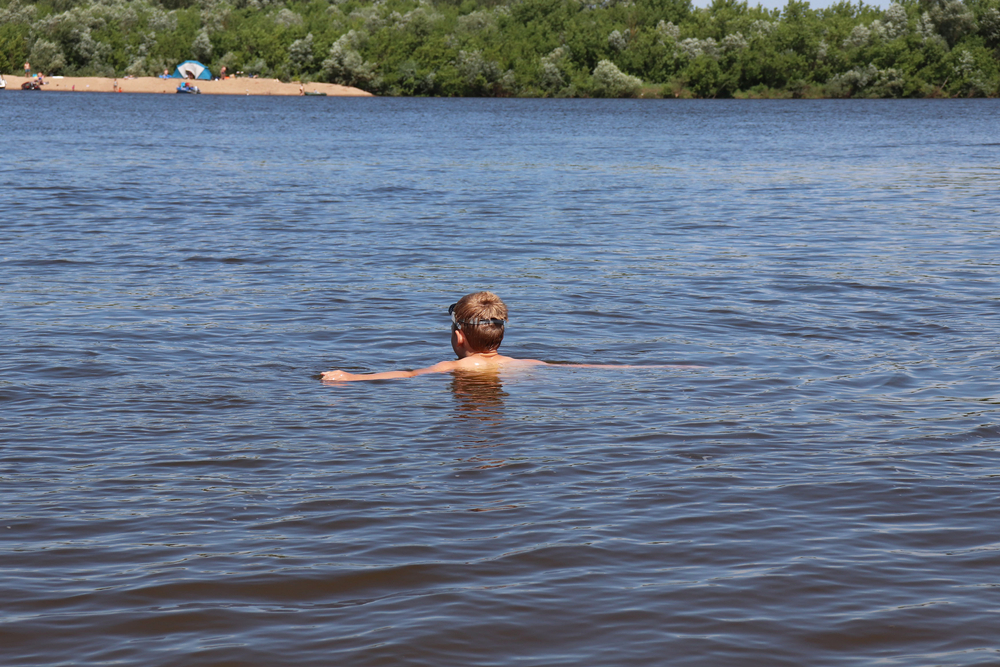
After months of work, Chaudhary says the section of the Ajnar River where he focused his efforts is now very clean. The before-and-after footage has become one of the strongest parts of his online story because it gives viewers a direct visual comparison.
“It is currently very clean,” Chaudhary told the Times of India.
Yet he has also been clear that removing the accumulated waste is only one part of the problem. If people continue throwing plastic and other garbage into the river, the same cycle can begin again.
“I don’t know why people throw garbage in the river. I don’t know why they do that. You can’t stop them,” he said.
That frustration helps explain why he installed dustbins around the river during the project. A physical cleanup can remove what is already there, but preventing new waste from entering the water requires a change in behaviour.
His decision to collect religious offerings and turn them into compost also shows how the cleanup developed beyond simply pulling rubbish from the river. He was trying to find ways to deal with different kinds of waste while making the area less likely to become polluted again.
The work has therefore produced a visible change, but Chaudhary’s own comments suggest he knows that keeping the river clean will be much harder than cleaning it once.
He Wants To Take The Work Much Further
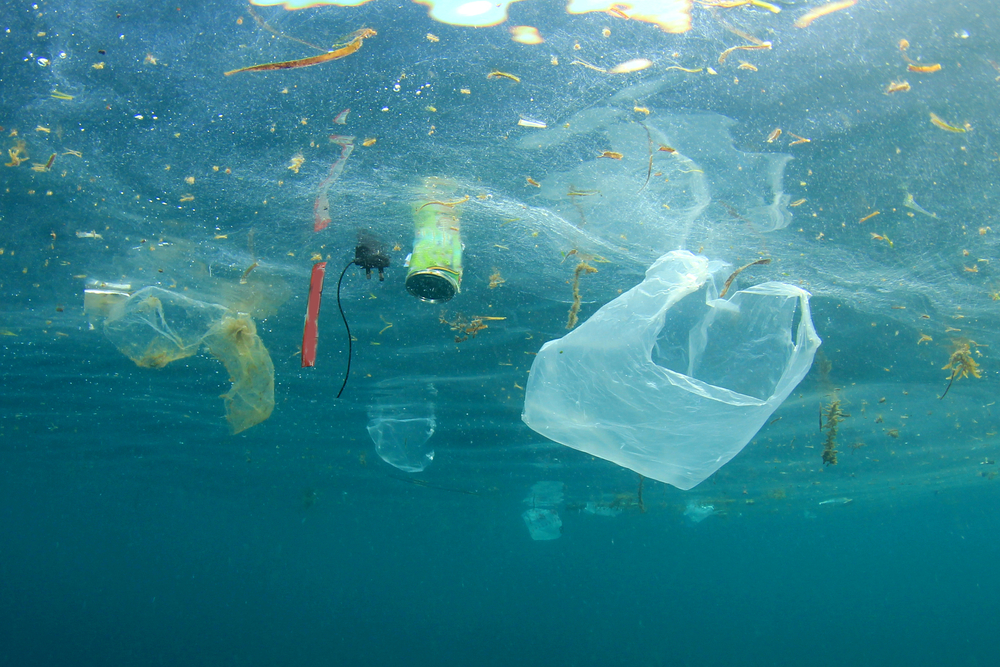
Despite the criticism, health problems and financial limitations, Chaudhary has said that he wants to expand his environmental work.
“Currently, I want to do it on a bigger level,” he told the Times of India.
That ambition is significant because he has already shown what he can accomplish without a formal organisation behind him. The Ajnar project began with limited resources, and much of the physical work was carried out personally.
His journey has also shown how quickly a local effort can become a national and international story once people begin sharing it. Anand Mahindra’s post introduced the work to a broader Indian audience, Kevin Pietersen praised it internationally, and Boyan Slat eventually offered Chaudhary an opportunity with The Ocean Cleanup.
The attention has changed how people see him, too. A young man who says he was once mocked and called crazy is now being described publicly as heroic.
But Chaudhary’s own focus remains on the work rather than the labels.
He has continued talking about cleaning polluted places and wants to take those efforts beyond the river where his story began.
One Person Started It, But The Problem Is Much Bigger
The appeal of Bittu Tabahi’s story lies partly in the contrast. He was a college student with limited resources, yet he took on a task that many people would have expected a larger organisation to handle.
He did not have a major budget or a large team waiting for him. He had a polluted river, some friends who eventually stopped helping, basic equipment and the willingness to keep showing up.
That persistence also explains why the criticism surrounding his videos became such an important part of the story. While some people questioned whether he was genuinely cleaning the river, Chaudhary continued documenting the work and answering those accusations with details about how the cleanup was done.
The result eventually became difficult for people to ignore. A stretch of the Ajnar River that Chaudhary says was heavily polluted was transformed after months of work, and the images travelled far beyond Biaora.
The story also exposes a difficult reality about environmental cleanup. Removing waste is possible, but keeping a river clean requires people to stop putting waste back into it. Chaudhary’s frustration with littering may therefore be one of the most important parts of his message.
For now, the biggest opportunity in his story has come from an unexpected source. Boyan Slat has publicly told him, “Come work for us,” giving a student who started with his own hands the possibility of joining a much larger effort against plastic pollution.
Whatever happens next, Chaudhary has already demonstrated one thing that no viral video can manufacture: he kept returning to the river long after the novelty had worn off, and the physical results are there for people to see.