
Your cart is currently empty!
New NHS Injection Cuts Cancer Treatment Time From An Hour To Minutes

A cancer treatment that can keep patients in hospital for up to an hour is being converted into an injection that takes just a few minutes to administer. The NHS is now rolling out injectable nivolumab across England, giving eligible patients a much quicker way to receive an immunotherapy treatment already used against a wide range of cancers.
Contents
show
The move could benefit around 1,200 patients each month and save NHS teams around 1,000 hours of treatment time every month. For people facing repeated cancer appointments, the difference could mean spending considerably less time sitting in a hospital chair while still receiving the same medicine.
NHS Becomes First National Health Service In Europe To Offer The Injection
NHS England has become the first national health service in Europe to offer an injectable form of nivolumab, following approval from the UK’s Medicines and Healthcare products Regulatory Agency. The drug is manufactured by Bristol Myers Squibb and has already been widely used within NHS cancer services through intravenous treatment.
The new version is administered under the skin and takes around three to five minutes, compared with roughly 30 to 60 minutes for the IV formulation. The exact treatment schedule depends on the cancer type, with existing IV nivolumab commonly administered every two or four weeks.
Around two in five patients who currently receive IV nivolumab are expected to be eligible for the new injection. Most eligible patients who are starting treatment are also expected to begin with the injectable form once the rollout gets underway.
The NHS says the change will benefit patients while also releasing capacity across cancer services. Shorter appointments mean treatment chairs can become available sooner, while nursing and pharmacy teams can spend less time administering individual infusions.
Professor Peter Johnson, NHS England’s National Clinical Director for Cancer, said: “Immunotherapy has already been a huge step forward for many NHS patients with cancer, and being able to offer it as an injection in minutes means we can make the process far more convenient.”
He added that the treatment’s use across 15 different cancer types means the time savings could extend across thousands of appointments each year. The NHS is therefore presenting the injection as both a patient convenience and a way of increasing capacity in busy cancer units.
The Time Savings Could Add Up To More Than A Year
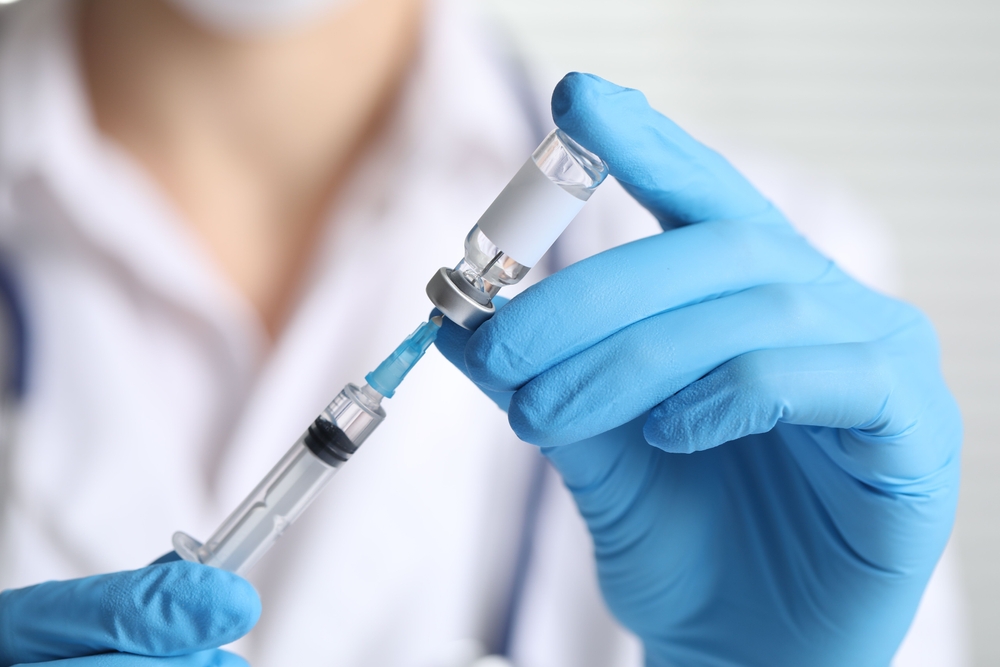
The headline difference between an IV infusion and an injection is measured in minutes, but the NHS expects those minutes to add up on a much larger scale. Staff administering injectable nivolumab could save around 1,000 hours of treatment time for patients and clinicians every month.
Over a year, that amounts to more than 12,000 hours of treatment time, or the equivalent of more than one full year. Those hours can potentially be redirected toward other appointments and treatments within NHS cancer services.
For patients, the benefit is more personal. Cancer treatment often involves repeated hospital visits, so even a shorter administration time can make individual appointments easier to fit around everyday life.
The NHS says the rollout could also help address pressure on cancer day units, where patients currently receive the drug through an IV. Reducing the amount of time each patient occupies a treatment space could allow hospitals to accommodate additional appointments without simply adding more chairs or extending existing capacity.
Elizabeth O’Mahony, NHS England’s Chief Financial Officer, said: “This is fantastic news for patients, reducing treatment times from an hour to just minutes is a huge boost for people going through cancer care, helping them to spend less time in hospital.”
The financial side of the rollout is also notable because the quicker treatment is expected to come at no additional cost to the NHS. NHS England negotiated an agreement with Bristol Myers Squibb that allows the faster formulation to be introduced without increasing the cost to the health service.
The New Jab Can Treat 15 Different Cancer Types
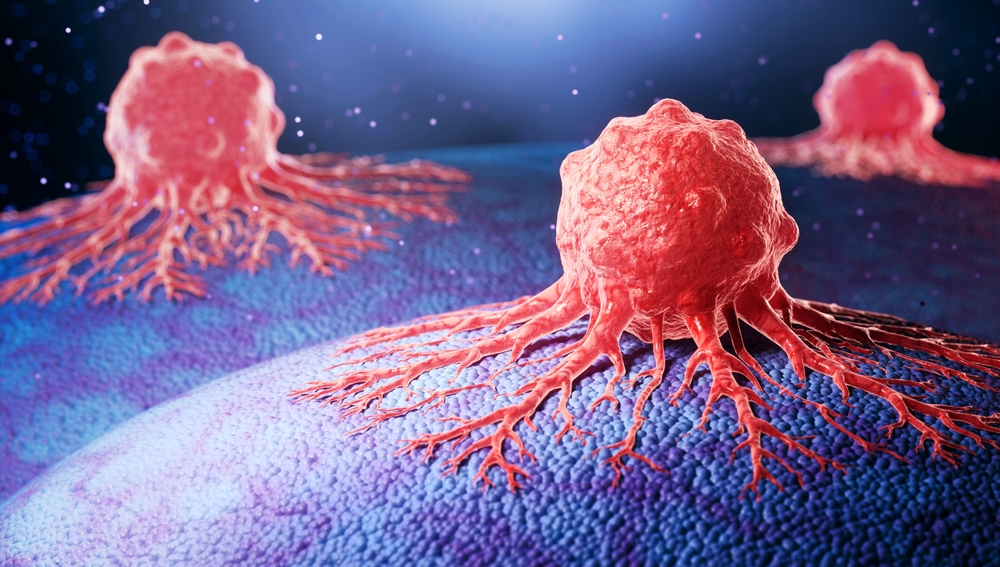
Nivolumab is already an established immunotherapy treatment, and the injectable version can be used against 15 different types of cancer. The list includes skin cancer, bladder cancer and oesophageal cancer, along with cancers involving other parts of the body.
The treatment can also be used for solid tumours originating in the kidneys. Which patients qualify depends on their diagnosis and the specific treatment plan being followed by their cancer team.
The rollout therefore does not mean that every person with cancer will be offered the injection. Instead, it gives eligible patients who would otherwise receive nivolumab through an IV another way to receive the same immunotherapy.
The range of approved uses is one reason the NHS expects the time savings to be substantial. A faster treatment format can have a much larger effect when the same medicine is being administered to patients with many different diagnoses.
According to the supplied NHS information, around 1,200 patients in England could benefit from the injectable treatment each month. Around two in five people currently receiving IV nivolumab should be eligible to switch to the injection.
The first patients are expected to receive the new formulation once supplies arrive in the UK. NHS cancer services are preparing for the rollout, with nursing, pharmacy and cancer day-unit teams expected to incorporate the new treatment into their existing services.
Nivolumab Is An Immunotherapy, Not A Traditional Cancer Vaccine

The phrase “cancer jab” has helped make the announcement easy to understand, but there is an important distinction behind the headline. Nivolumab is not a conventional cancer vaccine, even though the new formulation is administered as an injection.
Nivolumab belongs to a class of immunotherapies called checkpoint inhibitors. These medicines work by helping the immune system attack cancer cells rather than training the immune system in the same way as a traditional preventative vaccine.
The drug targets a protein called PD-1, which is found on T cells. T cells are white blood cells that play an active role in the body’s immune response, including identifying and responding to abnormal cells.
Some cancer cells can use the PD-1 pathway to avoid being attacked effectively by the immune system. Nivolumab blocks PD-1, removing a biological brake that can prevent T cells from mounting an effective response against cancer.
That means the treatment essentially works by helping the immune system do more of what it is already designed to do. The injection changes how the medicine is delivered, while the underlying immunotherapy mechanism remains the same.
The distinction is important because genuine cancer vaccines are also an area of active research. Those treatments are designed around different mechanisms and can aim to help the immune system recognise specific targets associated with cancer cells.
What Makes Cancer Vaccines Different From Nivolumab?
Cancer vaccines are part of the broader field of immunotherapy, but they are being developed with a different goal. Preventative cancer vaccines can protect against infections that increase the risk of developing certain cancers, while therapeutic cancer vaccines are designed to help the immune system recognise and attack existing cancer cells.
The HPV vaccine is an example of a preventative vaccine connected to cancer prevention. Human papillomavirus can contribute to cervical cancer as well as some head and neck and anogenital cancers, which is why HPV vaccination forms part of routine prevention programmes.
Hepatitis B vaccination can also reduce exposure to a virus associated with an increased risk of liver cancer. These vaccines work by preventing or reducing the risk of infections that can contribute to cancer developing later.
Therapeutic cancer vaccines take a different approach because they are intended for people who already have cancer. Researchers can design them around antigens, which are substances that trigger an immune response and can help the body’s defence system identify particular targets.
There is no single universal therapeutic cancer vaccine because tumours can vary considerably between people and can express different antigens. Researchers are therefore investigating several approaches that include protein or peptide vaccines, DNA and RNA vaccines, whole-cell vaccines, dendritic-cell vaccines and viral-vector vaccines.
Nivolumab does not belong to these vaccine categories. It is a checkpoint inhibitor that blocks PD-1 and helps immune cells attack cancer cells.
Clinical Trials Supported The Move From IV Treatment
The regulatory approval for injectable nivolumab followed evidence from a Phase III clinical trial involving patients with advanced or metastatic clear cell renal cell carcinoma. The evidence compared the injectable formulation with the established IV version of the drug.
According to the supplied clinical information, the injection produced comparable levels of the drug in the body. Researchers also reported a similar safety profile and tumour response profile compared with the IV formulation.
Patients involved in clinical trials were highly satisfied with the under-the-skin injection and preferred it to the IV form. The shorter administration time was a major practical difference between the two approaches.
That distinction is particularly relevant for cancer patients receiving repeated treatment. A single shortened appointment may not sound dramatic, but the cumulative effect can become significant when treatment continues over weeks or months.
The new formulation is therefore being introduced as a different delivery method for an existing immunotherapy rather than as an entirely new cancer medicine. Patients who qualify can receive the drug in a way that substantially reduces the time spent on the administration itself.
James Richardson, Clinical Pharmacist and National Specialty Adviser for Cancer Drugs, said: “I am delighted that NHS patients across England will soon be able to benefit from this quicker-to-administer, effective treatment, that can be used to treat a range of cancer types, including skin cancer and solid tumours originating in the kidneys.”
He said the treatment could improve patients’ lives while also helping NHS teams deal with capacity demands. The change is particularly relevant to services where treatment chairs and clinical staff are already under pressure.
Hospitals Could Use The Freed-Up Capacity For More Patients

The NHS is looking at the injection as part of a wider effort to make better use of clinical capacity. Cancer day units need to accommodate patients receiving different treatments, and lengthy infusions can occupy treatment spaces for significant periods.
Reducing administration time can therefore have an effect beyond the individual appointment. If an eligible patient needs only a few minutes for the injection rather than an extended IV infusion, the same clinical resources may become available for other patients.
The impact is already being seen with another injectable cancer treatment, pembrolizumab, which is also known by the brand name Keytruda. The drug is used to treat 14 different types of cancer in the UK and has historically been administered through an IV drip.
In East Yorkshire and North Lincolnshire, the Humber Health Partnership estimated that around 288 existing patients could benefit from the shorter treatment. Based on the number of patients receiving pembrolizumab in Hull, Grimsby and Scunthorpe, the partnership estimated that the switch could release 2,392 hours of hospital chair time each year.
Samantha Pickering, lead systemic anti-cancer therapy matron for the partnership, said: “If we can make it even slightly less stressful for them, then absolutely we should be jumping on this as soon as we can.”
Rob Wells, a senior specialist pharmacist in cancer services, also pointed to the effect on patients’ time. He said: “It’s going to free up so much of patients’ lives.”
The example shows why the NHS is investing in faster delivery methods for medicines that patients already need. The aim is not simply to make an injection quicker than an infusion, but to reduce the amount of hospital capacity required for repeated treatments.
The NHS Is Introducing More Time-Saving Treatment Options

The nivolumab rollout forms part of a broader NHS approach to medicines and treatment delivery. The health service has been introducing new injections and other treatment innovations designed to improve patient experience while reducing pressure on clinical teams.
The supplied NHS announcement points to similar developments involving treatments for breast cancer, multiple sclerosis and blood disorders. These approaches can shift some treatments away from longer hospital-based administration and toward faster delivery.
The strategy also includes other areas of medicines management, including the use of biosimilars and generics and the introduction of newer therapies for serious conditions. The common thread is finding ways to provide effective treatment while making better use of NHS resources.
For cancer services, the pressure is especially relevant because many patients require treatment repeatedly. A shorter appointment can therefore affect not only one hospital visit but a sequence of visits over the course of treatment.
The faster nivolumab injection is expected to be particularly useful in that context. Eligible patients can receive their immunotherapy in minutes, while hospitals can potentially use the capacity created by shorter appointments to treat additional patients.
The NHS says the approach could free up thousands of hours of clinicians’ time every year. That capacity could then support more appointments and treatments across already busy services.
Patients Still Need To Meet Specific Treatment Criteria

The announcement does not mean that injectable nivolumab will replace every cancer treatment or become available to every patient with one of the 15 eligible cancer types. Cancer treatment is highly dependent on the diagnosis, stage of disease and individual circumstances, so eligibility for nivolumab and the injectable formulation will be determined through the patient’s cancer care team.
For people already receiving IV nivolumab, the new option could provide a faster alternative if they meet the relevant criteria. New patients who are eligible are also expected to begin with the injectable form as services introduce it.
The distinction between the drug and its delivery method is useful here. The NHS is not claiming that the injection itself cures cancer, and the announcement should not be interpreted as a universal new treatment for the disease.
Instead, it represents a significant change in how an established immunotherapy can be administered. Patients who already need nivolumab may be able to spend much less time receiving it in hospital.
For someone attending appointments every few weeks, that difference can become meaningful over the course of treatment. Less time connected to an IV can mean shorter visits and potentially more flexibility around the rest of the day.
Britain Is Expanding Access To New Cancer Treatment Technology

The faster nivolumab injection arrives alongside several other areas of cancer research and treatment innovation taking place across the UK. Some of these developments involve established medicines being delivered differently, while others are investigating entirely new ways of using the immune system against cancer.
In April 2025, patients with advanced skin cancer in England were given fast-tracked access to a trial involving iSCIB1+, an investigational DNA vaccine designed to improve the immune system’s ability to recognise cancer cells.
In Wales, patients have also been involved in research into an investigational mRNA cancer vaccine for HPV-16-related head and neck cancers. The treatment is designed to stimulate an immune response against proteins associated with the virus.
There has also been research into personalised cancer therapies using technology similar to the technology behind COVID-19 mRNA vaccines. In 2024, a patient in Dundee became the first person in Europe to receive an individualised neoantigen therapy as part of a global trial.
These developments are still distinct from the nivolumab rollout. Some are experimental treatments being evaluated in clinical trials, while nivolumab is an established immunotherapy that is now being delivered through a faster injection.
The common factor is the growing role of the immune system in cancer treatment. Researchers and clinicians are increasingly looking for ways to help the body’s own defences identify and attack cancer cells, while also finding practical ways to make treatment easier to deliver.
A Five-Minute Appointment Could Make A Big Difference
For the NHS, the numbers behind the rollout are measured in thousands of saved hours and additional treatment capacity. For patients, the change is much easier to understand: an appointment that once involved a lengthy IV infusion could take only a few minutes for the medicine to be administered.
That does not make cancer treatment easy, and it does not change the seriousness of a cancer diagnosis. It does, however, remove a substantial amount of waiting and treatment time for eligible patients who already need nivolumab.
The first patients are expected to receive the injectable formulation as NHS services prepare for supplies to arrive in the UK. If the rollout delivers the expected capacity gains, thousands of appointments could eventually become shorter across England.
Cancer care will always involve difficult decisions and demanding treatment schedules. But when an established therapy can be delivered safely in minutes instead of requiring a much longer infusion, giving patients back that time is a change worth paying attention to.