
Your cart is currently empty!
New York Starts Mailing Up To $200 Energy Checks This Month
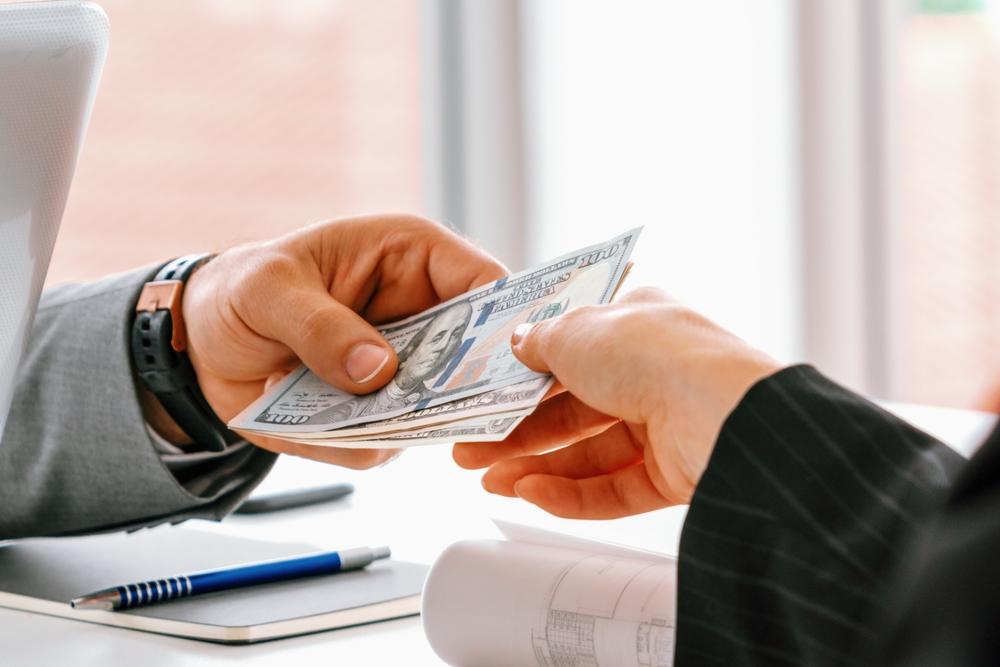
Millions of New Yorkers are about to get some financial relief as the state begins mailing energy rebate checks worth up to $200. The payments are part of a $1 billion program approved in this year’s state budget, with checks scheduled to reach eligible households from Sept. 21 through December.
Contents
show
Gov. Kathy Hochul announced the mailing schedule while emphasizing the pressure many residents are facing from higher household expenses. About 8.2 million households across New York State are expected to receive the one-time payments, and eligible residents do not need to submit a new application to get them.
New York’s $1 Billion Rebate Program Is Finally Moving
The payments come through New York’s Protecting Our Wallets Energy Rebate program, commonly called POWER. The program was included in the enacted state budget as a one-time $1 billion effort intended to provide direct relief to residents dealing with high energy costs.
The first checks are scheduled to be mailed on Sept. 21, with the state continuing the process through December. Because the checks will be sent in stages, residents should not necessarily expect their payment to arrive immediately after the initial mailing date.
The state says there is no application, sign-up process, or separate request required. Instead, the New York State Department of Taxation and Finance will use information from processed 2024 state income tax returns to determine eligibility and payment amounts.
Hochul described the payments as part of her broader affordability agenda and pointed to the strain caused by household energy expenses and gasoline prices. “Too many families are struggling with rising household energy bills and soaring gas prices at the pump,” Hochul said in a statement.
She added that the state is “putting money directly back in New Yorkers’ pockets” through the energy rebate checks. The governor has made affordability a major focus of her administration as residents continue to face higher costs for essential household expenses.
Who Will Get $200, $150 Or $100?
The rebate amount depends on a resident’s 2024 tax filing status and reported income. The program provides three different payment levels, with $200 reserved for joint filers whose income falls below the lowest qualifying threshold.
Joint filers with reported income under $150,000 will receive the maximum $200 payment. Joint filers who reported income between $150,000 and $300,000 will receive $150, while single filers with income under $150,000 will receive $100.
The structure means that not every eligible household will receive the same amount. The state is using tax information to determine both whether a household qualifies and which payment category applies.
The Three Rebate Amounts
The payment structure is relatively straightforward for taxpayers who meet the other eligibility requirements. Joint filers earning less than $150,000 qualify for the largest rebate, while joint filers earning between $150,000 and $300,000 receive a smaller payment.
Single filers earning less than $150,000 qualify for $100. The references provided do not identify additional payment levels beyond these three categories, so residents should rely on their 2024 filing information when determining which amount applies.
The checks are being issued as advanced credit payments rather than requiring taxpayers to claim a new benefit. That distinction is important because residents do not need to complete another application simply because they want to receive the rebate.
Four Requirements Determine Eligibility
New York has tied POWER eligibility to a taxpayer’s 2024 state tax return and residency status. Meeting the income threshold alone is not enough, because the program includes additional requirements involving filing status and whether another taxpayer claimed the individual as a dependent.
A qualifying resident must have filed a timely New York State Resident Income Tax Return for tax year 2024. They also must have been a full-time New York State resident during that tax year and reported income within the applicable threshold.
The fourth requirement concerns dependents. A taxpayer will not qualify if they were claimed as a dependent on another taxpayer’s return for 2024.
What Residents Need To Have Done
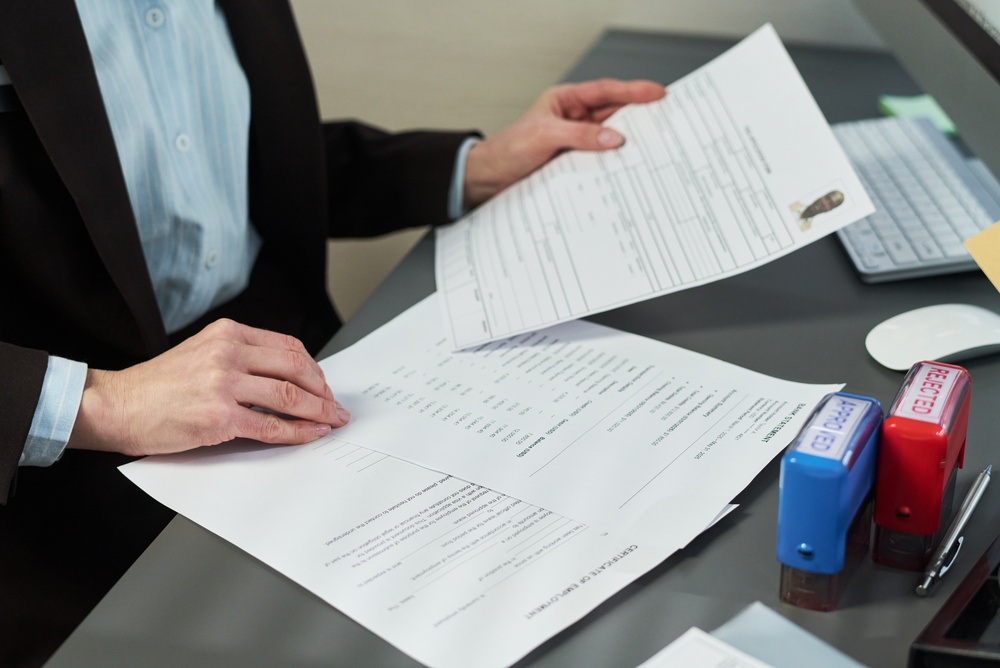
The eligibility rules can be broken down into four conditions that must have been met for tax year 2024:
- Filed a timely return: The resident must have filed a timely New York State Resident Income Tax Return for 2024.
- Lived in New York: The person must have been a full-time New York State resident during the tax year.
- Met the income requirement: Reported income must fall within the qualifying threshold for the applicable filing status.
- Not been claimed as a dependent: The recipient cannot have been claimed as a dependent on another taxpayer’s return.
The state says residents who meet these conditions do not need to take additional action. The Department of Taxation and Finance will handle the rebate process using information already available from processed tax returns.
There Is No Application For The POWER Payment
One of the most important details for eligible residents is that the program does not require an application or sign-up. New Yorkers who qualify are expected to receive their checks automatically through the state’s mailing process.
The Department of Taxation and Finance will issue the payments using information from processed 2024 tax returns. The checks are scheduled to be mailed between Sept. 21 and December, meaning delivery dates will vary among households.
Residents therefore do not need to call state agencies to request a payment or submit another form simply to participate in the POWER program. The process is designed to use tax records that the state already has.
New York State Department of Taxation and Finance Commissioner Amanda Hiller said the department is working to distribute the money as quickly as possible. “Power checks are another meaningful way that Governor Hochul is trying to help people during challenging economic times,” Hiller said.
The state’s approach also removes one common hurdle associated with government assistance programs. Residents who qualify based on their existing tax information are not being asked to navigate another enrollment process before receiving the benefit.
Why The Rebates Are Arriving Now
The POWER checks come as New York continues to deal with higher energy costs and broader concerns about household affordability. State officials have increasingly focused on utility bills as a significant source of financial pressure for residents.
The references provided point to several factors behind rising utility costs since 2021, including expensive grid upgrades, increasing electricity demand associated with data centers, and higher rates. Those pressures have contributed to concerns over how much New York households are paying for electricity.
One recent analysis cited in the supplied material reported that New York residential electricity prices reached 29.93 cents per kilowatt-hour in May. That figure was described as 62% higher than the national average, placing New York among the states with the highest residential electricity prices.
The same analysis ranked New York third nationally for residential electricity prices, behind Hawaii and California. It also reported that prices in the state had increased 12% compared with the previous year, twice the rate of increase reported for the U.S. average.
Those figures provide the backdrop for Hochul’s decision to make energy affordability a major part of the state budget and her broader policy agenda.
Hochul Says Families Need Relief From Rising Costs
The governor has presented the rebate checks as an immediate way to help households while the state works on longer-term changes to energy policy. Her administration has repeatedly pointed to the combined pressure of electricity bills, gasoline prices, and other everyday expenses.
Hochul also connected the energy affordability push to federal policies in her announcement. The governor’s office said federal tariffs have increased costs and cited higher gasoline prices as another source of pressure on New Yorkers.
The announcement referenced gasoline prices averaging $4.35 per gallon in New York and said diesel had reached $5.98 per gallon. Those figures were presented by the governor’s office in the context of its broader affordability argument.
The political message is clear without requiring voters to interpret a complicated policy proposal. A rebate check provides a direct and visible benefit to millions of households, while the administration simultaneously argues that utility regulation needs deeper changes.
That combination allows Hochul to point to both immediate financial assistance and structural reforms as she addresses the cost-of-living issue.
The State Says Bill Relief Has Gone Beyond POWER
The POWER program is the latest in a series of energy-related assistance measures backed by Hochul’s administration. According to the governor’s office, more than $7.6 billion has been provided to participating households in direct utility bill relief since 2021.
The administration also points to a $1.17 billion post-COVID program that helped nearly half a million residential customers and 56,000 small businesses address unaffordable past utility bills. The governor’s office described that effort as the largest utility customer financial assistance program in state history.
Another $1.4 billion has been directed toward residential weatherization, energy efficiency, and renewable energy projects, according to the administration. Those programs are intended to help participating households reduce energy use and lower their bills over time.
The POWER checks operate differently because they provide a one-time payment directly to eligible taxpayers. Rather than requiring residents to participate in an energy efficiency project or address an existing utility balance, the program sends money based on tax eligibility.
That distinction makes the current rebate particularly easy for qualifying residents to access. There is no separate application and no additional program enrollment.

Hochul Is Also Targeting Utility Rate Increases
The governor’s affordability agenda goes beyond sending checks. The fiscal year 2027 enacted budget includes changes intended to place greater scrutiny on utility companies and proposed rate increases.
The administration says the new rules are designed to make utilities demonstrate that requested spending is necessary and that operating costs are being controlled. The stated goal is to prevent customers from absorbing costs that regulators determine are unnecessary or excessive.
Utilities will also be prohibited from passing certain expenses onto New York ratepayers, including costs associated with lobbying, political donations, luxury travel, and glossy public relations campaigns, according to the governor’s office.
The budget also calls for utility CEO compensation to be benchmarked against energy affordability goals established by the Public Service Commission. The administration says excess utility profits can be returned to ratepayers under the new approach.
A New System For Examining Rate Requests
The governor’s Ratepayer Protection Plan calls for longer and more detailed reviews of utility rate requests. Utilities seeking increases will have to provide evidence supporting proposed capital projects and offer a budget-constrained option designed to keep operating costs below inflation.
The state also says the Public Service Commission will have 14 months to examine rate requests. Regulators will have the ability to establish multi-year rate cases when those arrangements make sense for consumers.
Another measure involves an energy affordability index designed to show how utility rates affect ordinary households. Utilities will be required to demonstrate how proposed rate increases would affect the index.
The administration says that if a rate case pushes the average household energy burden above 6%, the state will be able to deploy an independent Affordability Monitor into the utility’s boardroom.

New RATES Commission Will Examine Energy Costs
New York’s budget also establishes a RATES Commission focused specifically on rising utility bills. The commission is expected to bring consumer advocates and energy experts together to investigate the causes of increasing energy costs.
Its work will include examining utility profits and reviewing the design of energy markets. The stated purpose is to provide an independent examination of how energy prices and costs are ultimately passed on to consumers.
Assemblymember Didi Barrett said residents struggling with higher utility costs are already making difficult financial decisions. “New Yorkers struggling with rising utility costs are making tough budget decisions and need real relief,” Barrett said.
She also credited lawmakers and the governor for including the POWER checks in the state budget while continuing efforts to address energy costs over the longer term.
The combination of immediate rebates and regulatory changes reflects the two-track approach New York is taking. The checks provide short-term assistance, while the new policies are intended to address the costs that produce high bills in the first place.
Rochester Officials Welcome The Financial Relief

Hochul announced the rebate schedule during a visit to Rochester, where local officials also emphasized the pressure created by rising everyday expenses.
Rochester Mayor Malik D. Evans said the higher cost of living has become a major challenge for residents. He thanked Hochul for working to ease the burden through the POWER program.
“The cost of living keeps increasing, and rising everyday expenses is a top challenge facing all Rochesterians,” Evans said.
The mayor’s comments underline the local dimension of the statewide program. Although the checks are being distributed across New York, the financial pressure behind the program is being felt by households in cities and communities throughout the state.
For residents already budgeting around utility bills, groceries, transportation, and other necessities, even a one-time payment can provide some flexibility.
The state’s decision to distribute the checks automatically also means eligible residents do not have to choose between applying for assistance and dealing with other household demands.
What New Yorkers Should Know Before September 21
The first mailing date is Sept. 21, but that does not mean every eligible household will receive its check on that exact day. The state has said the mailing process will continue through December, so delivery timing will differ among recipients.
Residents also do not need to submit a new application. Eligibility is based on information from their 2024 New York State income tax return, including residency, filing status, reported income, and dependent status.
For anyone checking whether they are likely to qualify, the key details are straightforward. The person must have been a full-time New York resident in 2024, filed a timely state resident tax return, fallen within the applicable income threshold, and not been claimed as someone else’s dependent.
The payment amount then depends on filing status and income. Joint filers below $150,000 receive $200, joint filers between $150,000 and $300,000 receive $150, and single filers below $150,000 receive $100.
The program is scheduled to put money into the hands of millions of households before the end of the year. For New Yorkers watching their energy costs closely, the most important date is now Sept. 21, when the first wave of checks begins its journey to mailboxes across the state.
The Checks Put A Political Promise Into Mailboxes
The POWER program gives Hochul a highly visible affordability measure at a time when energy costs remain a major concern for New York households. A policy debate over utility regulation can take months to understand, but a rebate check is something residents can see and use.
The larger test will be whether the state’s longer-term energy measures can reduce the pressure that made the rebates necessary in the first place. For now, millions of New Yorkers are set to receive between $100 and $200 without filling out another application, beginning with the first mailings on Sept. 21.