
Your cart is currently empty!
Baby Born at Just 24 Weeks Finally Goes Home After Spending Nearly a Year in the NICU

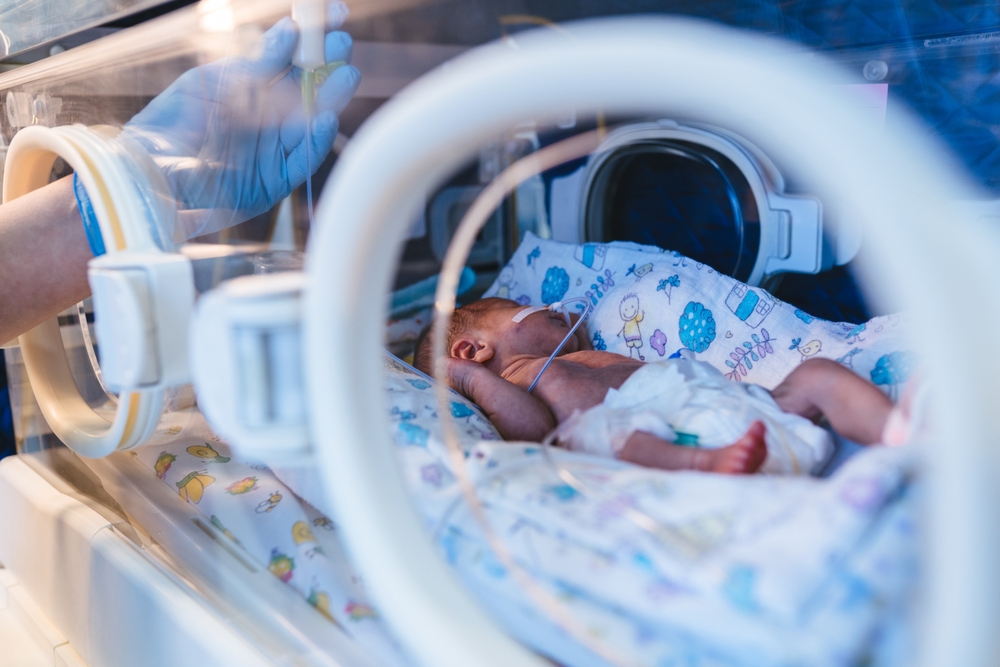
For nearly an entire year, home was a place baby Adonis could only dream of reaching. Born at just 24 weeks and weighing less than 2 pounds, the Minnesota baby spent 334 days inside a neonatal intensive care unit before finally leaving the hospital with his family. His extraordinary stay became the longest recorded NICU stay in the hospital’s history, turning what began as a frightening fight for survival into an emotional homecoming for his parents.
Contents
show
Adonis was born last October, arriving far earlier than expected and facing the serious challenges that can come with extreme prematurity. His parents, Jasmin Wellington and Junior Rancy-Quaye, watched their son spend month after month in intensive care while nurses cared for him around the clock. When the moment finally came for Adonis to leave, Wellington said she was overwhelmed by everything she had been holding inside throughout those long months.

Adonis Spent 334 Days Fighting To Go Home
Adonis’s first days were the beginning of a journey his family could never have anticipated. He had arrived at only 24 weeks of pregnancy and weighed less than 2 pounds, making his survival a day-by-day battle from the beginning. Instead of taking their newborn home after delivery, his parents faced an extended period of hospital care while medical staff worked to support him through his premature birth.
His 334-day stay eventually became the longest NICU stay ever recorded at the hospital. That meant Adonis spent almost a full year growing stronger inside the same facility where his family had first faced the uncertainty surrounding his early arrival. Each additional day brought his parents closer to the moment they had been waiting for, while also keeping them aware that their son still had challenges ahead.
Nurse Katherine Martinson described Adonis as a baby who had been fighting every day. For his parents, that determination was visible throughout the months they spent traveling between their lives outside the hospital and their son’s bedside. The routine was emotionally exhausting, but they continued returning to see him and hope that the next milestone would bring him closer to home.
The length of Adonis’s stay also meant that his homecoming carried a strange mixture of relief and emotion. After spending so much time inside the hospital, leaving the NICU represented a major change for the entire family. The place that had been central to his survival for 334 days was finally no longer where his parents needed to see him every day.
His Mother Struggled With The Long Separation
For Jasmin Wellington, the experience involved an emotional strain that was difficult to put into words. She had to leave her son at the hospital repeatedly, then return again and again while his recovery continued. The uncertainty surrounding each visit made those months especially difficult because she never knew exactly when her family would finally be together at home.
“I remember going home and coming back, and I’m like, ‘I hope and pray that he’s still here,’” Wellington said. Her words capture the fear that accompanied the routine of leaving the hospital without being able to bring her baby with her. Every return visit carried the hope that Adonis would continue making progress.
She also described the moment of finally bringing him home as emotional and complicated. “It’s bittersweet,” Wellington said. “I’ve just been holding a lot in all of these months, and to finally see him here… it’s been a lot.”
The reaction is understandable after nearly a year spent inside a hospital. The family had spent months waiting for a moment that many parents experience shortly after childbirth: carrying their baby through the door and bringing him into his own home. For Wellington, that ordinary milestone came after 334 days of waiting.
Adonis Was A Fighter From The Very Beginning
Adonis’s parents repeatedly returned to the same idea when describing his journey: he kept going. His premature birth placed him in an extraordinarily vulnerable position, but his family watched him continue through each stage of his lengthy hospital stay.
Wellington said her son “was a fighter since the very beginning.” The description reflects how she viewed the months of uncertainty surrounding his condition and his eventual progress toward going home. His family had spent much of the past year waiting for signs that he was ready for the next step.
Martinson, the nurse who cared for Adonis, also emphasized the effort he had been putting in throughout his time in the NICU. She said he had been fighting every day, a simple description of a long and difficult period that required constant care.
For the medical team, Adonis’s discharge marked the end of an unusually long chapter. For his parents, it marked the beginning of something they had wanted since the day he was born: seeing their son outside the hospital and starting family life at home.

What Makes A 24-Week Birth So Difficult
A baby born at 24 weeks arrives extremely early in pregnancy, when many organs are still developing. Babies born this prematurely can require intensive medical support and prolonged hospitalization as they grow and develop enough to leave the NICU.
Adonis’s birth weight was less than 2 pounds, adding another indication of how early he arrived. His nearly year-long stay shows how different the timeline can be for premature babies. Some infants eventually leave after weeks or months, while others require much longer periods of hospital care.
The NICU environment is designed for babies who need intensive monitoring and support. Nurses and medical teams can spend months caring for premature infants while watching their development and responding to complications that can arise during their early lives.
For families, the experience can also transform time itself. Milestones that might normally happen during a baby’s first few weeks or months can become long-awaited events. Going home becomes something the entire family works toward, rather than an automatic step following birth.

The Road Home Was Nearly A Year Long
By the time Adonis was finally ready to leave, his family had spent 334 days waiting for that moment. His father, Junior Rancy-Quaye, said faith had helped guide the family through the experience.
“Put your trust in God,” Rancy-Quaye said. “That’s the only recipe we got.”
His words reflected the role faith played for the family during a period filled with uncertainty. While doctors and nurses provided the medical care Adonis needed, his parents were also searching for something that could help them cope with the emotional weight of waiting.
Wellington said she was grateful that her son was alive and finally returning home. After spending so much of his life inside the hospital, his departure represented a milestone that had once seemed impossibly far away.
“He’s definitely meant to be here,” Wellington said.
The family can now experience something they had been waiting for since last October: life with Adonis at home. After 334 days, the hospital doors finally opened for the baby who had spent his first year fighting to get through them.

A Homecoming That Came After 334 Days
Adonis’s story began with a premature birth that immediately placed his family in an uncertain situation. Nearly a year later, it reached a very different moment as his parents took him home after the longest recorded NICU stay in the hospital’s history.
For Wellington and Rancy-Quaye, the meaning of that day is far bigger than a hospital discharge. It is the first chapter of their son’s life that they get to experience without a hospital room standing between them and home.
After 334 days of waiting, Adonis finally got to go where his parents had wanted him from the beginning: home.
Adonis baby, baby homecoming, baby survival, family story, heartwarming story, hospital stay, human interest story, micropreemie, Minnesota baby, neonatal intensive care unit, newborn baby, NICU, NICU journey, NICU parents, premature baby, premature birth, premature infant, premature newborn, viral story