
Your cart is currently empty!
China Becomes A New Destination For Patients Seeking Advanced Cancer Care

A cancer diagnosis can force patients to make choices they never imagined. For a growing number of people, that choice now includes boarding a plane and traveling thousands of miles in search of advanced treatment.
Contents
show
Shanghai has become an unexpected destination for international cancer patients seeking CAR-T cell therapy, a highly personalized treatment that uses a patient’s own immune cells to attack cancer. The therapy was pioneered in the United States, but China has rapidly expanded access while offering significantly lower prices.
For patients facing aggressive cancers and limited options, the difference in cost, availability, and treatment speed is pushing them to look beyond their home countries.
Why Patients Are Traveling To Shanghai For Cancer Treatment
Michael Walters was 25 years old when his life changed after being diagnosed with non-Hodgkin lymphoma. The New Zealand native had recently started his first full-time job after university when he learned he had blood cancer.
Doctors in Auckland treated him with several rounds of chemotherapy, radiotherapy, and immunotherapy, but the disease did not respond as hoped. When those options failed, doctors introduced him to CAR-T therapy, a treatment that modifies the body’s own immune system to fight cancer.
Walters began exploring his options across several countries, including the United States, India, and Australia. One Australian hospital could provide the therapy, but the cost was estimated at up to $600,000, making it impossible for his family to afford.

He eventually traveled to Shanghai for treatment at SinoUnited Hospital. The cost was less than half of the amount quoted elsewhere, and on August 18, he received news that the therapy had pushed his lymphoma into complete remission.
“I feel more appreciative of life,” Walters said. “If this was 10 or 15 years ago, I wouldn’t have this option.”
Walters’ story reflects a growing trend among patients with serious illnesses who are searching internationally for treatments that may be unavailable or too expensive at home.
CAR-T Therapy Turns The Immune System Into A Cancer Fighter

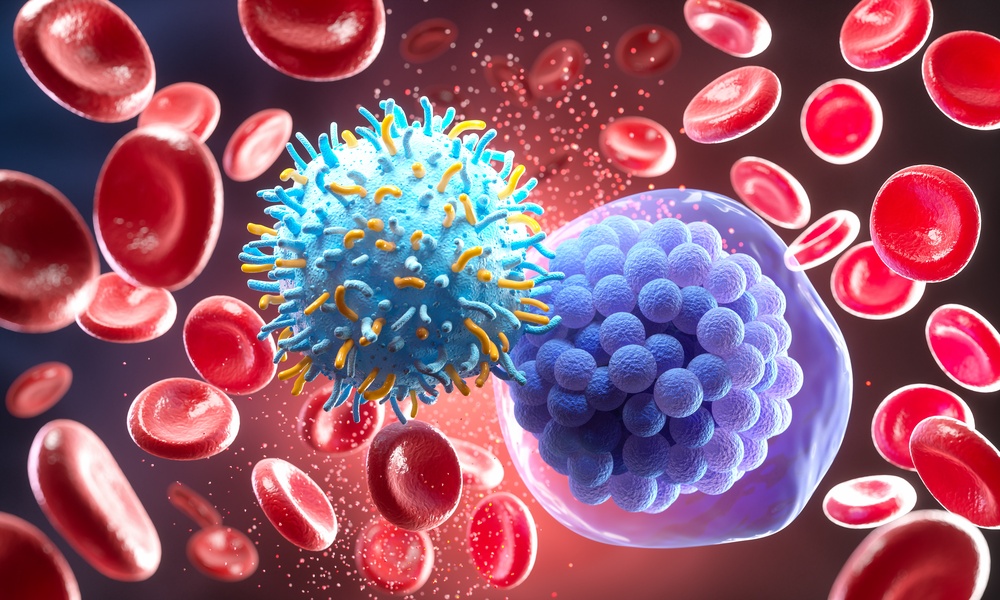
CAR-T therapy, short for chimeric antigen receptor T-cell therapy, is a form of personalized immunotherapy. Instead of attacking cancer directly with traditional drugs, the treatment changes a patient’s immune cells so they can better recognize and destroy cancer cells.
The process begins when doctors collect T cells from a patient’s blood. These immune cells are then sent to a laboratory, where scientists genetically modify them to create special receptors that target cancer cells.
After the engineered cells multiply, they are infused back into the patient’s body. The goal is for the modified cells to locate cancer cells and attack them.
The treatment has become an important option for certain blood cancers, including leukemia, lymphoma, and multiple myeloma. However, CAR-T is not suitable for every cancer patient and is generally considered after other treatments have failed.
The therapy can also involve serious risks. Some patients experience severe immune reactions after the modified cells are returned to the body, requiring close monitoring and specialized medical care.
Despite these challenges, the treatment has changed expectations for some patients who previously had few remaining options.
The Massive Price Gap Between China And The United States
One of the biggest reasons international patients are considering China is the cost difference.
In the United States, CAR-T therapy can cost hundreds of thousands of dollars. Estimates place the total cost, including medical care associated with treatment, between $550,000 and $850,000 in some cases.
In China, treatment can range from approximately $150,000 to $230,000.
For families dealing with life-threatening illnesses, that difference can determine whether treatment is financially possible.
Sairah Ahmed, director of the CAR-T program in the department of lymphoma and myeloma at the University of Texas MD Anderson Cancer Center, said she has advised some overseas patients to explore treatment options in China.
“China has basically done to CAR-T cell therapy the same thing that it’s done to other industries, which is, they’ve industrialized it,” Ahmed said.
China’s advantage is not only based on price. Hospitals have also focused on building specialized facilities, improving manufacturing systems, and developing experience with large numbers of patients.
How China Built A Growing CAR-T Industry

The rise of China’s CAR-T sector is part of a broader expansion of biotechnology research and medical innovation.
CAR-T technology originated through decades of research in the United States, but Chinese companies and hospitals have invested heavily in bringing treatments into wider use.
China now has multiple approved CAR-T products, and regulators have moved into areas where researchers have struggled globally, including solid tumors.
In June, Chinese regulators approved a CAR-T treatment for certain patients with advanced stomach and upper small intestine cancers. It became the first CAR-T therapy approved for a solid tumor.
The treatment was developed by Shanghai-based CARsgen Therapeutics after a clinical trial program that included patients treated at institutions such as MD Anderson Cancer Center and Mayo Clinic in the United States.
Li Zonghai, founder and chief executive of CARsgen Therapeutics, said the field continues to expand as researchers develop new approaches.
“We have more and more new weapons to fight cancer,” Li said. “A lot of people said we couldn’t treat it, and now there are more and more modalities, so many treatment options.”
The development has helped change China’s reputation in medical tourism. Instead of only attracting patients looking for lower-cost procedures, the country is increasingly positioning itself as a destination for advanced treatments.
Faster Manufacturing Gives China Another Advantage
For patients with aggressive cancers, time can be just as important as cost.
CAR-T therapy is different from standard medicines because each treatment is created specifically for one patient. Doctors must collect the patient’s cells, modify them, expand them in a laboratory, and prepare them for reinfusion.
In some countries, the process can take several weeks. Some Chinese facilities near Shanghai have developed systems that can produce personalized CAR-T treatments within days.
That faster turnaround has become one reason international patients are considering China.
Josh Bronkhorst, a 59-year-old New Zealander with stomach cancer, traveled to Shanghai after chemotherapy and immunotherapy failed to stop his tumor growth.
Doctors told him another round of chemotherapy had only a limited chance of success. He decided to pursue CAR-T treatment in China after learning about the available options.
“Every day is getting better,” Bronkhorst said while recovering in a Shanghai hospital after receiving the therapy.
Later, he described the treatment as his best available option.
“It’s not a miracle drug, but this was by far the best option I could find,” he said.
After treatment, Bronkhorst returned to New Zealand and continued his recovery.
The Risks Behind The Growth Of Medical Tourism

China’s expanding role in advanced cancer treatment has also raised questions about regulation, safety, and oversight.
Cell therapies are a rapidly developing field, and researchers continue to study how to improve effectiveness while reducing risks.
China has faced criticism over some experimental medical treatments, including concerns about clinical trial transparency and oversight. Some experts have warned that patients traveling abroad need to carefully understand whether a treatment is fully approved or still being tested.
Private international hospitals have generally taken a more cautious approach. Many focus on approved therapies rather than experimental treatments, particularly when treating overseas patients who may require long-term follow-up after returning home.
Patients traveling internationally for CAR-T therapy must consider several factors before beginning treatment:
- Treatment approval: Patients need to understand whether the therapy is approved for their specific cancer type or still part of a clinical trial.
- Medical support: CAR-T can require specialists from multiple fields, including oncology, neurology, and critical care.
- Follow-up care: Recovery does not end when the patient leaves the hospital, and ongoing monitoring is often required.
- Travel logistics: International patients must arrange visas, accommodation, language support, and communication with medical teams.
For many patients, the decision involves weighing risks against the possibility of receiving treatment they cannot access at home.
International Patients Are Changing The Medical Tourism Map

For decades, medical tourism was often associated with patients traveling abroad for lower-cost procedures such as dental care, cosmetic surgery, or routine treatments.
China is attempting to build a different identity in the industry by attracting patients seeking complex medical technologies.
Victor Cao, operations director of Joyful Medical, a Shanghai-based agency that connects international patients with advanced cancer therapies, said availability and price are two major reasons people travel.
“There are two reasons why a patient travels for medical treatments: availability of advanced treatments and price,” Cao said.
The shift is significant because China was once a country where some patients traveled overseas to find treatments unavailable at home. Now, hospitals in Shanghai are seeing more international patients looking for therapies developed or expanded within China.
SinoUnited Hospital, which began offering CAR-T therapy to international patients, has treated people from multiple countries. Hospital officials said inquiries have increased from patients in the United States, Canada, Europe, and Southeast Asia.
Kathy Shi, founder and chief executive of SinoUnited Hospital, said many patients are looking for options they cannot access in their own healthcare systems.
The growing demand has also been supported by China’s expanding biotechnology sector. Researchers have increased investment in cell therapies, clinical trials, and medical manufacturing, helping the country become one of the largest players in CAR-T research.
China’s Cancer Research Push Is Expanding Beyond CAR-T

CAR-T therapy represents only one part of China’s broader push into advanced medical technology.
Researchers are exploring ways to apply immune-based treatments to more types of cancer, especially solid tumors. These cancers have historically been more difficult targets because they create different challenges compared with blood cancers.
The ability to develop treatments for a wider range of cancers remains one of the biggest goals in the field.
China has also increased its presence in global clinical research. The country has become a major location for biotechnology trials, supported by a large patient population and growing research infrastructure.
For cancer patients, this means the search for cutting-edge treatments is no longer centered in only one country.
The landscape of cancer care is becoming more international, with hospitals competing through research, cost, manufacturing speed, and access.
Patients Are Still Looking For More Than Lower Prices
Although cost remains a major factor, some patients say their decision was also influenced by treatment availability and the level of support provided by international hospitals.
Walters said he felt more confident after speaking with doctors in Shanghai who had experience with the therapy.
Before traveling, he had researched CAR-T extensively and felt uncertain about finding specialists who could answer his questions.
During a video consultation with SinoUnited hematologist Lily Zhou, who completed postdoctoral work at the University of California, San Francisco, he felt reassured by her experience.
Walters eventually traveled to Shanghai with support from friends and a crowdfunding campaign to help cover treatment expenses.
The hospital staff also helped with practical issues, including medical arrangements and communication.
For patients dealing with serious illnesses, these details can influence where they choose to seek care.
CAR-T Still Has Limits Despite Its Promise
The growing interest in China’s CAR-T treatments does not mean the therapy is a universal solution for cancer.
Currently, CAR-T is approved for specific cancers and remains most commonly used after other treatments have failed.
Researchers are still studying why some patients respond strongly while others do not. Scientists are also working to reduce side effects and expand the therapy to additional cancer types.
The treatment requires careful patient selection and specialized medical teams.
Doctors must monitor patients for possible complications, including immune reactions that can become severe without proper management.
Experts say patients considering treatment abroad need to evaluate hospitals carefully and understand exactly what therapy they are receiving.
Approved treatments and experimental clinical trials carry different levels of evidence, oversight, and uncertainty.
A New Chapter In The Global Race For Cancer Treatments
China’s rise in CAR-T therapy shows how quickly healthcare innovation can shift across borders.
The United States helped develop the technology, but China has expanded its use by focusing on manufacturing, affordability, and faster access.
For patients like Walters and Bronkhorst, the decision to travel was driven by the search for another chance after traditional options became limited.
Walters returned home hoping to focus on ordinary parts of life that cancer had interrupted.
“I’d give anything to be healthy right now,” he said. “I want to be able to worry about the normal everyday things that everyone worries about: university, work, girlfriends, gossip.”
The growth of China’s CAR-T industry reflects a larger change in modern medicine. Patients facing complex diseases are increasingly looking beyond borders, while countries compete to develop the next generation of treatments.
For some cancer patients, the future of care may involve not only finding the right doctor, but also finding the right country.