
Your cart is currently empty!
Study Sparks Debate After Linking Teacher Union Power To Literacy Scores

A new education analysis has triggered a fierce debate over why some U.S. states are seeing stronger reading results than others. The study examined student literacy scores alongside the influence of teachers’ unions, finding a pattern that researchers say raises questions about how education policies are shaped.
Contents
show
The analysis found that many states with lower literacy rankings also had some of the strongest teachers’ unions, while several higher-performing states had adopted different approaches to education reform. Researchers involved in the study argued that policy choices, especially around early literacy programs, may help explain the divide.

New Analysis Examines Teacher Unions And Reading Outcomes
The study was conducted by Rachel Canter, director of education policy at the Progressive Policy Institute, and compared state literacy performance with rankings measuring teachers’ union strength. The analysis looked at whether states had adopted 18 literacy policies recommended by ExcelinEd, an education advocacy organization.
The findings showed that eight of the ten states with the lowest literacy scores were states with strong teachers’ unions, according to the analysis. New York was highlighted as one of the states facing major reading challenges, with the study pointing to low reading proficiency rates among elementary students.
The report also found that many of the highest-performing states were Republican-led states with less politically powerful teachers’ unions. Among the 23 top-performing states identified in the analysis, 13 had Republican majorities, while four were described as Democratic strongholds.
Canter argued that union influence may play a role in how quickly states introduce certain literacy reforms. “We found a strong, negative correlation between the two: the more powerful the unions, the fewer literacy policy principles the state had adopted,” Canter said.

Mississippi Became The Study’s Biggest Example
The State’s Literacy Turnaround
Mississippi became a major focus of the analysis because of its dramatic improvement in student performance over the past decade. The state had previously ranked near the bottom in academic performance but later moved into the top tier for literacy results.
The report credited a series of education reforms introduced after 2013 with helping improve outcomes. These changes focused heavily on early identification of reading problems and providing additional support for students and teachers.
By 2024, Mississippi had reached seventh place nationally in literacy and 13th in math, according to the data cited in the analysis. Canter argued that the state’s experience showed how targeted policy changes could influence student performance.
The reforms highlighted in the study included:
- Early literacy screenings: Schools checked reading progress multiple times between kindergarten and third grade to identify struggling students sooner.
- Teacher support programs: Educators at lower-performing schools received additional literacy training.
- Third-grade reading requirements: Students with serious reading difficulties could repeat third grade while receiving extra support.
- Parent communication: Families were notified when children were falling behind expected reading levels.

Why Education Reform Has Become A Political Fight
The role of teachers’ unions in public education has been debated for decades. Supporters argue unions help protect educators, improve working conditions, and give teachers a stronger voice in decisions affecting classrooms.
Critics argue that powerful unions can slow certain reforms, especially policies involving teacher evaluations, accountability measures, and changes to school systems. The new analysis adds to that ongoing disagreement by examining whether union influence is connected to education policy choices.
The study found that Democratic-led states adopted fewer of the recommended literacy policies on average compared with Republican and swing states. Researchers suggested that differences in political influence and education priorities may contribute to those patterns.
However, literacy outcomes are affected by many factors beyond union strength. Poverty levels, school funding, teacher shortages, family resources, curriculum decisions, and state testing systems can all influence how students perform.

The Policies Behind Different Literacy Results
The analysis focused on the connection between policy decisions and student reading performance. Researchers argued that states adopting more early literacy measures tended to see stronger results.
The policies examined were designed around identifying problems earlier and giving students additional help before reading difficulties became harder to overcome. Supporters of these approaches argue that early intervention can prevent long-term academic struggles.
The study found that Democratic states adopted an average of nine recommended literacy policies, while Republican and swing states adopted an average of 13.5. Canter suggested that organized labor may be one factor affecting the pace of reform.
Education experts often examine several elements when comparing state performance because no single factor determines student outcomes. Differences in local communities, school systems, and available resources can all shape literacy levels.
What The Findings Do And Do Not Prove
The analysis highlights a relationship between two measurements: teachers’ union strength and literacy performance. It does not establish that union power alone causes lower reading scores.
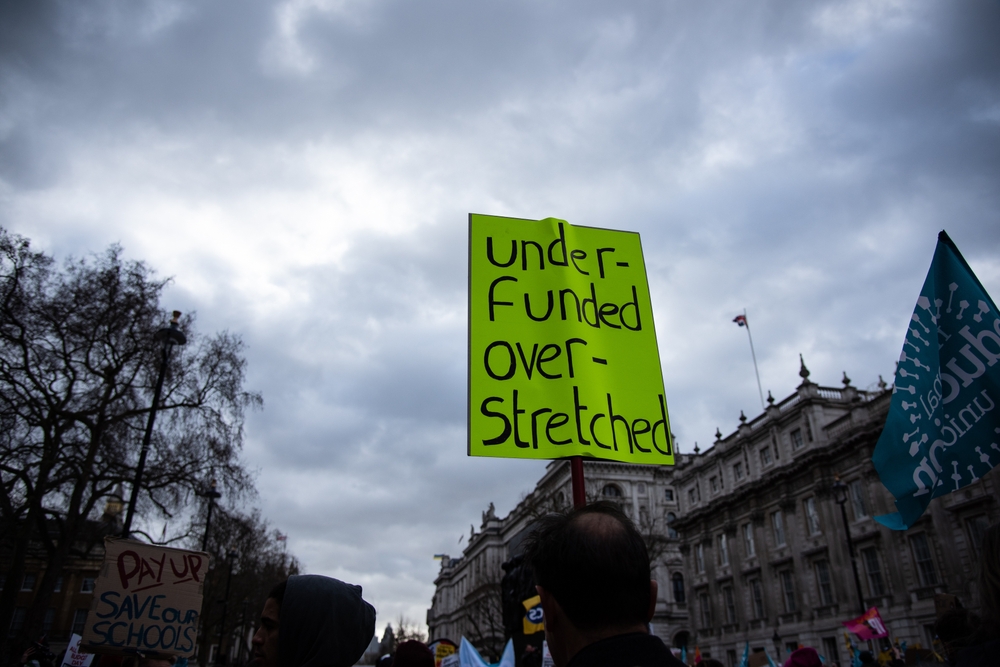
Several challenges make education comparisons complex. States operate different school systems, serve different populations, and face different economic conditions.
Factors that can influence literacy results include:
- Economic background: Students in communities facing financial hardship may experience additional barriers to academic success.
- School resources: Funding, staffing levels, and access to support programs can vary widely between districts.
- Teaching conditions: Classroom environments and educator retention can affect learning experiences.
- Family support: Access to books, reading practice, and educational resources outside school can influence progress.
The findings have added another layer to the national discussion about how schools should improve reading outcomes and which policies create the strongest results.
The Debate Over Student Literacy Continues
Reading ability remains one of the biggest challenges facing schools across the country. Early literacy skills influence how students perform in later grades and how easily they can access other subjects.
The new analysis has placed teachers’ unions, education reform, and state policy decisions back into the spotlight. Supporters and critics of different approaches continue to disagree over which changes will produce better outcomes.
The next phase of the debate will likely focus on which policies help students most effectively, and how states balance the interests of educators, families, and students while improving literacy results.